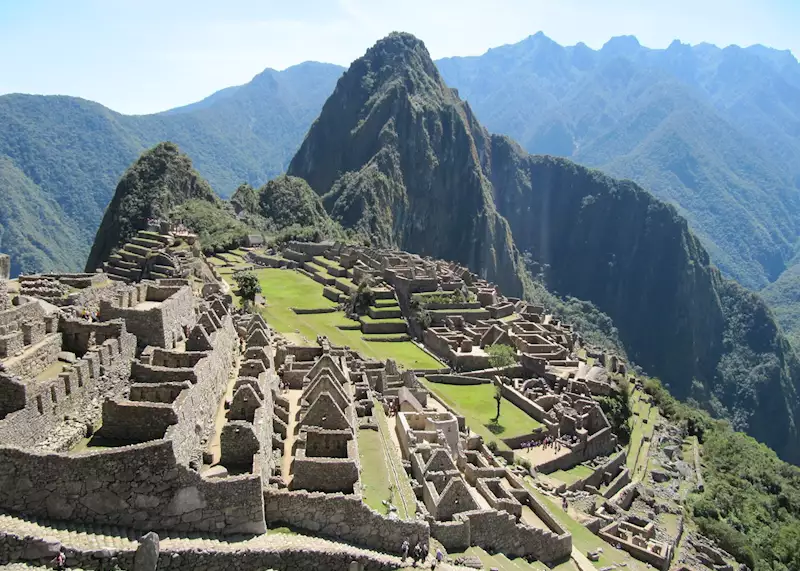
What Laguna 69 Is
Laguna 69 is a glacial lake in Huascarán National Park, part of Peru's Cordillera Blanca mountain range near the town of Huaraz — a striking turquoise lake fed by meltwater from Nevado Chacraraju, sitting in the shadow of Huascarán, Peru's highest mountain at 6,768 metres. It's consistently ranked among the best single-day hikes in South America for the payoff-to-effort ratio: a genuinely spectacular alpine lake reachable without a multi-day trek or technical climbing.
The Hike Itself
The trailhead starts at around 3,850m near the Cebollapampa camping area, roughly a 1.5–2 hour drive from Huaraz. The hike to the lake covers about 6km one way (12km round trip) with roughly 700m of elevation gain, finishing at the lake itself at 4,600m. Most hikers complete the full round trip in 5–7 hours depending on fitness and altitude acclimatisation. The trail is well-marked and doesn't require technical skill, but the altitude makes it considerably harder than the distance and elevation gain alone would suggest.
Altitude Is the Real Challenge
This is the detail that catches unprepared hikers out. Huaraz itself sits at 3,052m, and the hike finishes at 4,600m — both well into altitude-sickness territory for anyone arriving without acclimatisation. Spend a minimum of 2–3 days in Huaraz doing shorter, lower acclimatisation hikes before attempting Laguna 69. Symptoms of altitude sickness (headache, nausea, breathlessness beyond what exertion explains) are common on this hike even among reasonably fit hikers who haven't acclimatised properly — turning back is the right call if symptoms escalate, not a failure.
Booking: Guided Tour vs Independent
Guided day tours from Huaraz cost $15–25 and include round-trip transport, an English or Spanish-speaking guide, and the park entrance fee (around 30 soles, roughly $8, paid separately at the park gate on most tours). This is the option most visitors choose, and it's genuinely good value given the transport logistics involved. Independent hikers can reach the trailhead via colectivo (shared van) from Huaraz for a few soles, but need to arrange the return trip themselves and navigate without a guide — doable for experienced independent trekkers but adds real logistical complexity for a first Andes hike.
Best Time to Go
The dry season, May to September, offers the clearest skies and the best chance of seeing the lake's full turquoise colour, which depends on clear glacial meltwater and good light. The wet season (October–April) brings a real risk of cloud cover obscuring the peaks and rain making the trail muddy, though the crowds are notably thinner.
What to Bring
Warm layers regardless of season — mornings at the trailhead are cold and the exposed upper section near the lake is windy even on clear days. Sun protection is essential; UV exposure at this altitude is intense despite the cold. Bring more water than feels necessary (at least 2 litres) and energy snacks, since there's nowhere to buy anything past Cebollapampa. Proper hiking boots matter on the rockier upper sections.
Is It Worth It?
Unreservedly yes, provided you've acclimatised properly first. Laguna 69's combination of accessibility (a single day, no permits beyond the park fee, no technical skill) and the sheer visual impact of the lake against Chacraraju's glaciated face makes it one of the best value hikes anywhere in the Andes. Most Huaraz-based trekkers doing longer routes like Santa Cruz treat Laguna 69 as their acclimatisation hike — a smart way to test your altitude tolerance before committing to something bigger.