What Is the Carnaval de Oruro?
The Carnaval de Oruro is Bolivia's greatest cultural event and one of the most extraordinary festivals in the world — a 400-year-old Catholic-Andean syncretic celebration in the mining city of Oruro (3,700m altitude, 230km south of La Paz) that UNESCO inscribed as a Masterpiece of the Oral and Intangible Heritage of Humanity in 2001. Approximately 50 folkloric groups and 28,000 costumed dancers participate in the main parade (Saturday before Ash Wednesday), performing dances that blend pre-Columbian Andean tradition with Spanish colonial Catholic iconography in a fusion that is unique in South America. The centrepiece is the Diablada — the Dance of the Devils — in which elaborately costumed 'diablos' (demons) perform for 20+ hours in a continuous parade route through the city.
The Diablada: The Central Dance
The Diablada costume is one of the most spectacular in any festival on earth — a full-face mask with protruding eyes, fangs, and serpents, an elaborate tunic of gold and silver embroidery, and a cape weighing up to 30kg. Each costume takes a year to make and costs $1,000–3,000. The Diablada represents the eternal battle between good and evil — the diablos (representing the seven deadly sins and Supay, the Andean underworld deity) are ultimately defeated by the Archangel Michael and the Virgin of the Mineshaft (Virgen del Socavón), Oruro's patron saint. The dance has been performed continuously since 1789 as an act of devotion to the Virgin. The Morenada (Dance of the Black Slaves), the Caporales, and the Tinku (ritual combat dance) are among the other major dance groups, each with its own distinct costume and choreography.
Carnaval de Oruro UNESCO: Practical Information
The main parade takes place on the Saturday before Ash Wednesday (Carnaval dates vary annually — 2026 is February 14, 2027 is March 6). The parade begins at 7am at the San Miguel neighbourhood and follows an 8km route to the Virgen del Socavón sanctuary, arriving in the early afternoon. The total parade duration is 18–20 hours. Grandstand tickets (tribunas) along the parade route cost $30–70 and sell out weeks in advance — purchase through local agencies in La Paz or Oruro from November onwards.
Oruro Carnival Dates 2027
2027 Oruro Carnival main parade: Saturday, March 6, 2027. Carnival Sunday (second day): March 7. The full Carnival programme runs Thursday February 4 – Tuesday March 10. Accommodation in Oruro is extremely limited — book 3–6 months ahead. Alternatively, day-trip from La Paz (3 hours by bus or train) on the main Saturday, returning to La Paz that evening. The train from La Paz to Oruro ($8, 3.5 hours) is the most atmospheric option.
Diablada Dance Bolivia: The Preparation
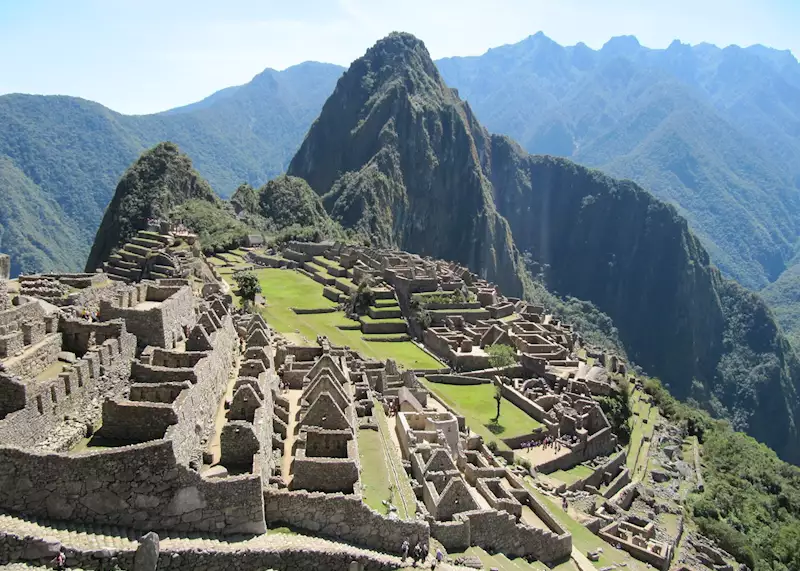
Witnessing the preparation for the Diablada is almost as extraordinary as the event itself. Costume workshops in Oruro operate year-round — visiting one in the months before Carnival (September–January is the most intensive production period) is a remarkable experience. The artisans who make the masks and costumes maintain the craft traditions over generations; the most celebrated mask makers have waiting lists of 3–4 years for their top-tier work. The cultural heritage represented in the Diablada costume tradition is inseparable from Oruro's identity as a mining city — the devotion to the Virgin of the Mineshaft began as a prayer for protection in the silver mines that funded the Spanish colonial empire. For travelers exploring South American cultural treasures, this festival pairs remarkably with other iconic destinations like Machu Picchu, Cartagena, and Patagonia to create an unforgettable Andean cultural journey.