South America has a reputation as a budget travel destination — and for large parts of the continent, that reputation is entirely deserved. A traveller in Bolivia can survive comfortably on $40 a day. Parts of Ecuador and Peru are among the best value destinations in the world. Colombia offers extraordinary experiences at prices that seem impossibly low by Western standards.
But South America also contains some of the world's more expensive travel experiences: Galápagos cruises, Antarctic expedition departures from Ushuaia, remote lodge stays in the Amazon, and Uruguay's beach resorts. And Brazil, for all its size and popularity, is not particularly cheap.
This guide gives you realistic, honest budget breakdowns by country and travel style — covering accommodation, food, transport, and activities — so you can plan without surprises.
Budget Tiers Explained
Throughout this guide, budgets are broken into three tiers:
Budget traveller: Dorm accommodation, street food and local restaurants, local buses and shared transport, self-guided activities. Willing to trade comfort for cost savings.
Mid-range traveller: Private hotel or Airbnb rooms, mix of local and tourist restaurants, a combination of local transport and some internal flights, some guided tours. The majority of independent travellers fall into this category.
Comfort traveller: Boutique hotels and lodges, good restaurants consistently, internal flights as the primary transport mode, guided and private tours. Not luxury, but not roughing it.
All prices are in USD per person per day, including accommodation, food, local transport, and a share of activities, but excluding international flights.
Peru
Peru offers some of the best value in South America for mid-range travellers, with a combination of excellent infrastructure, competitive accommodation prices, and a food culture that is world-class at every price point.
Budget: $30–50/day Mid-range: $60–100/day Comfort: $100–200/day
Accommodation
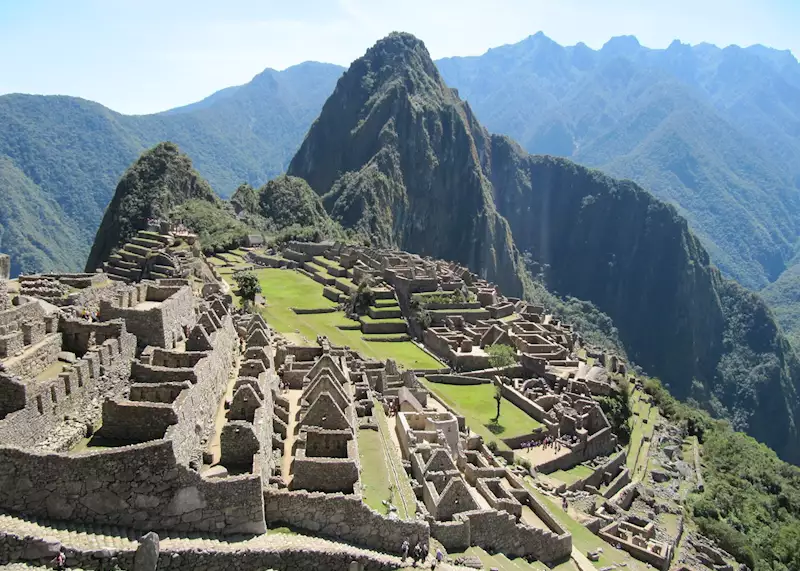
Cusco and Lima have excellent budget hostels from $10–15 in dorm beds or $30–50 for clean private rooms. Mid-range private hotels in Cusco run $50–100. Aguas Calientes (the town below Machu Picchu) is expensive relative to Peru's average — budget private rooms start at $50 because of the captive market. Good mid-range hotels here are $80–150.
Food
Lima's food scene ranges from $3–5 set lunches at local restaurants (a three-course almuerzo is one of the world's great travel bargains) to $80–150 tasting menus at world-ranked restaurants. Street food — anticuchos, chicharrón sandwiches, empanadas — is excellent and costs $1–3 per item. A good sit-down dinner in Cusco runs $10–20.
Getting Around
Internal buses cover most routes at reasonable cost ($15–30 for an overnight bus). Internal flights (Lima–Cusco: approximately $80–120 one-way if booked in advance) save significant travel time and are worth the investment for most travellers.
Activities
Machu Picchu entry: $50–60. Inca Trail four-day trek: $500–900 depending on operator. Rainbow Mountain day trip from Cusco: $25–45.
Bolivia
Bolivia is the cheapest country in South America for travellers. Budget travellers can live well on $30–40 per day; mid-range travellers on $50–80.
Budget: $25–40/day Mid-range: $50–80/day Comfort: $80–150/day
Accommodation
La Paz has excellent budget hostels from $8–12 per dorm bed. Private rooms in clean, comfortable guesthouses run $20–40. Uyuni town has limited accommodation options; the best mid-range options near the salt flat run $50–100.
Food
Bolivia is extraordinarily cheap for food. A full set lunch (almuerzo) in La Paz runs $2–4 and typically includes soup, main course, and a drink. Dinner at a local restaurant is $5–10.
Salt Flat Tours
The Salar de Uyuni is Bolivia's most visited attraction. A standard two-day/one-night tour from Uyuni town costs $50–80 per person. A more comprehensive three-day tour to the Atacama border runs $80–150.
Ecuador
Ecuador is moderately priced. The mainland is good value; the Galápagos is expensive regardless of how you visit.
Budget (mainland): $35–55/day Mid-range (mainland): $60–100/day Galápagos (land-based): $120–200/day on top of getting there Galápagos (budget cruise): $200–350/day all-inclusive
Mainland Ecuador
Quito has good budget accommodation from $15–20 (dorm) and $40–70 (private). Local set lunches across Ecuador are excellent value — a full almuerzo runs $2–4 in most towns and cities.
Galápagos
Budget for significantly more in the Galápagos. Flights from Quito to the Galápagos cost approximately $300–400 return. The Galápagos National Park entrance fee is $200 per person (paid on arrival at the airport). Accommodation on Santa Cruz runs $40–100 per night for budget and mid-range respectively. Day trips to nearby islands cost $80–150 per person. A land-based week in the Galápagos (excluding flights from the mainland) realistically costs $800–1,500 per person.
A cruise removes most of the logistics but costs significantly more — see our dedicated Galápagos guide.
Colombia
Colombia offers outstanding value for mid-range travellers. The combination of good infrastructure, excellent food, and low prices makes it one of the best value countries in South America.
Budget: $35–50/day Mid-range: $60–100/day Comfort: $100–180/day
Accommodation
Medellín and Bogotá have excellent hostel scenes from $12–18 per dorm bed. Private rooms in boutique guesthouses in El Poblado (Medellín) run $40–80. Cartagena's walled city is significantly more expensive — expect $80–150 for a mid-range private room in the Centro Histórico. Getsemaní has better value options at $50–80.
Food
Colombia's restaurant scene is extraordinary value. A bandeja paisa (the enormous regional platter from Antioquia) costs $8–12 at a good local restaurant. A craft beer in Medellín's El Poblado bars runs $3–5. A set lunch anywhere in Colombia is $3–6 and often excellent. Fine dining in Bogotá or Medellín runs $30–60 per person for a full evening.
Internal Transport
Domestic flights within Colombia are extremely cheap — Bogotá to Medellín or Bogotá to Cartagena can be as low as $40–60 one-way if booked ahead with budget carriers (Wingo, JetSmart). Buses are comfortable and cheap for shorter distances.
Argentina
Argentina's pricing is heavily influenced by the country's currency situation. The Argentine peso has experienced significant inflation and devaluation, and the gap between the official exchange rate and the informal "blue dollar" rate has historically made Argentina dramatically cheaper for tourists paying in foreign currency.
As of 2025–2026, Argentina has simplified its exchange rate mechanisms. Prices in Argentine pesos are subject to ongoing inflation. The best current advice is to check recent traveller reports and ensure you are exchanging currency through legal channels at the most favourable available rate.
At current exchange rates, Argentina represents good to excellent value for international visitors paying in USD or EUR.
Budget: $40–60/day Mid-range: $80–130/day Comfort: $130–250/day
Buenos Aires
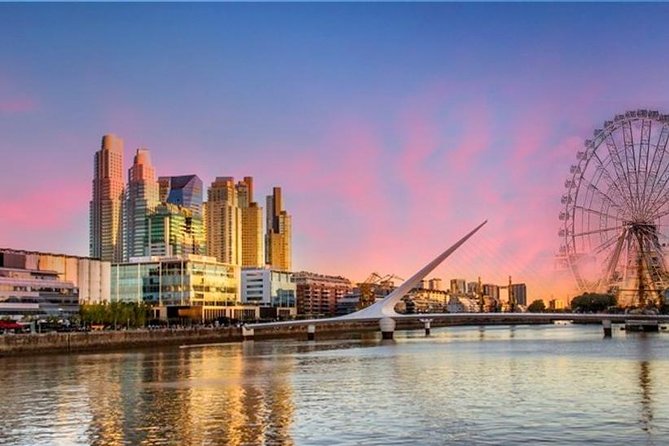
Buenos Aires is the most expensive Argentine city for accommodation. A decent hostel dorm runs $15–20. Mid-range private hotels in Palermo or San Telmo run $70–120. Restaurants in Buenos Aires offer extraordinary value: a full steak dinner at a mid-range parilla (including wine) runs $20–35 per person. Premium steakhouses cost $50–80.
Patagonia (El Calafate, El Chaltén)
Patagonia is significantly more expensive than the rest of Argentina due to its remote location and tourist infrastructure. Budget accommodation in El Chaltén starts at $20–25 dorms; private rooms run $70–120. Restaurant meals are more expensive than Buenos Aires. Budget $80–120/day in this region.
Mendoza
Mendoza wine country sits in a mid-range pricing bracket. Accommodation runs $50–100 for good private rooms. Winery visits range from free (standard tasting) to $50–100 for premium tastings with food pairings. Bicycle hire in Maipú is $10–15 per day.
Brazil
Brazil is the most expensive country on this list for most travellers. The combination of a relatively strong real, expensive domestic transport, and the pricing structure of popular tourist areas makes budget travel challenging.
Budget: $50–70/day Mid-range: $100–160/day Comfort: $160–300/day
Rio de Janeiro
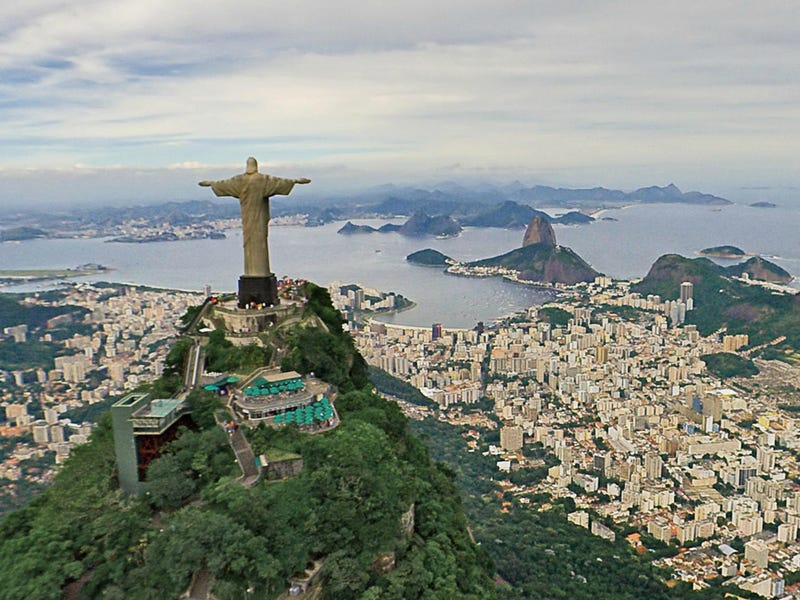
Rio is Brazil's most tourist-dense city and prices reflect it. A decent hostel dorm in Ipanema or Copacabana runs $20–35. Mid-range private hotels run $100–200. Restaurant meals in Ipanema or Leblon are expensive by South American standards — dinner for two at a mid-range restaurant runs $60–100.
Manaus (Amazon Gateway)
Manaus itself is not expensive. The cost driver is Amazon lodge stays, which range from $150 to $400+ per person per night depending on quality and location.
Domestic Flights
Brazil's domestic flight network is well-developed but relatively expensive. Key routes (Rio–Manaus, São Paulo–Foz do Iguaçu) cost $150–300 return if booked ahead.
Uruguay
Uruguay is the most expensive country in South America on a day-to-day basis for most travellers. It has European-level prices in many categories.
Budget: $60–80/day Mid-range: $100–160/day Comfort: $160–300/day
Montevideo's accommodation, restaurant prices, and transport costs resemble Western European levels. Punta del Este in the summer peak season is even more expensive. Uruguay is often a surprise for travellers expecting South American prices — budget accordingly.
Chile
Chile is expensive by South American standards, though less so than Uruguay.
Budget: $50–70/day Mid-range: $90–150/day Comfort: $150–300/day
Santiago is a sophisticated, modern city with prices reflecting its development. Patagonia (Puerto Natales, Torres del Paine) is expensive — accommodation in Puerto Natales runs $30–50 dorm / $80–150 private. Torres del Paine refugio beds cost $30–50 per night; camping runs $10–25. The catamaran from Pudeto to Paine Grande adds $30. Park entrance is approximately $25.
Hidden and Often-Overlooked Costs
International flights: A major expense often underestimated. Return flights from London or Sydney to Lima, Bogotá, or Buenos Aires typically cost $800–1,400. Booking four to six months ahead saves significantly.
Travel insurance: Essential and non-negotiable. Budget $150–300 for comprehensive coverage including emergency medical evacuation. Do not skip this.
Visas: Most South American countries do not require advance visas for EU, UK, Australian, and Canadian citizens. US citizens now require visas or advance authorisation for some countries (check current requirements). Brazil requires electronic authorisation for some nationalities.
Yellow fever vaccination: Required for entry to parts of Brazil, Colombia, Peru, Ecuador, and Bolivia if travelling through or from affected zones. Approximately $80–150 if not previously vaccinated. Some countries require proof of vaccination for entry.
Tipping: Not universal in South America but increasingly expected in tourist restaurants. A 10% tip is appropriate in restaurants where service is not included. In Argentina, 10–15% is standard. In Brazil, a 10% service charge is often already included.
Activities: Machu Picchu, Galápagos, the Inca Trail, and Amazon lodge stays add very significant costs that are easy to underbudget.
Summary Budget by Travel Style
| Country | Budget/day | Mid-range/day | Comfort/day |
|---|---|---|---|
| Bolivia | $25–40 | $50–80 | $80–150 |
| Peru | $30–50 | $60–100 | $100–200 |
| Ecuador (mainland) | $35–55 | $60–100 | $100–180 |
| Colombia | $35–50 | $60–100 | $100–180 |
| Argentina | $40–60 | $80–130 | $130–250 |
| Brazil | $50–70 | $100–160 | $160–300 |
| Chile | $50–70 | $90–150 | $150–300 |
| Uruguay | $60–80 | $100–160 | $160–300 |
The Honest Bottom Line
A two-week mid-range trip to Peru and Bolivia including flights from Europe will cost approximately $2,500–4,000 per person all-inclusive (international flights, internal flights, accommodation, food, and activities including Machu Picchu).
A two-week trip to Colombia and the Galápagos will cost $3,000–5,000 per person at mid-range.
A Patagonia trip (Torres del Paine, El Chaltén, El Calafate) over two weeks from Buenos Aires: $3,500–6,000 per person at mid-range.
South America rewards careful budget planning and penalises under-preparation. The continent's most spectacular experiences — Galápagos, the Inca Trail, Amazon wildlife lodges, Patagonian trekking infrastructure — cost money. Budget for them specifically, and don't let a too-tight overall budget force you to skip the highlights.