The Two Main Options
South American mobile data in 2026 divides into two practical approaches: buying local SIM cards country by country (cheapest, best coverage in each country, requires an unlocked phone and the willingness to swap cards at each border) or using a regional eSIM or multi-country SIM (more convenient, slightly more expensive, works across borders without physically swapping). For trips of 3+ countries, the eSIM approach has become the more practical choice for most travellers — the convenience of not hunting for a new SIM card at each border crossing outweighs the modest cost premium.
Claro vs Movistar South America
Claro and Movistar are the two dominant carriers across most of South America. Claro (owned by Mexican billionaire Carlos Slim's América Móvil) has the broadest network coverage across rural and remote areas — critical if your itinerary includes the Pantanal, Patagonia, or the Amazon. Movistar has slightly better urban data speeds in some countries. In practice, the difference between them for urban travellers is minimal; for travellers going into remote areas, Claro is the safer choice. Local SIM cards from either carrier are available at airports, shopping centres, and phone shops in every major city — prices are extremely low by global standards ($5–15 for a SIM with 10–20GB of data).
eSIM South America Travel
eSIMs have transformed multi-country travel in the past 3 years. For South America specifically, three providers dominate the market. Holafly: offers country-specific and regional South America plans, unlimited data options available, instant digital activation, $25–75 for 15–30 day plans depending on countries covered. Airalo: marketplace model with competitive pricing, per-GB data plans from multiple providers, good coverage across Peru, Colombia, Chile, and Argentina. Airtel and Nomad: competitive alternatives worth comparing for specific country combinations. All require a compatible eSIM device (most iPhones from XR onwards, most Android flagships from 2020 onwards — check your specific model). Purchase online and activate before departure; no physical SIM swap required at each border.
Coverage in Remote Areas
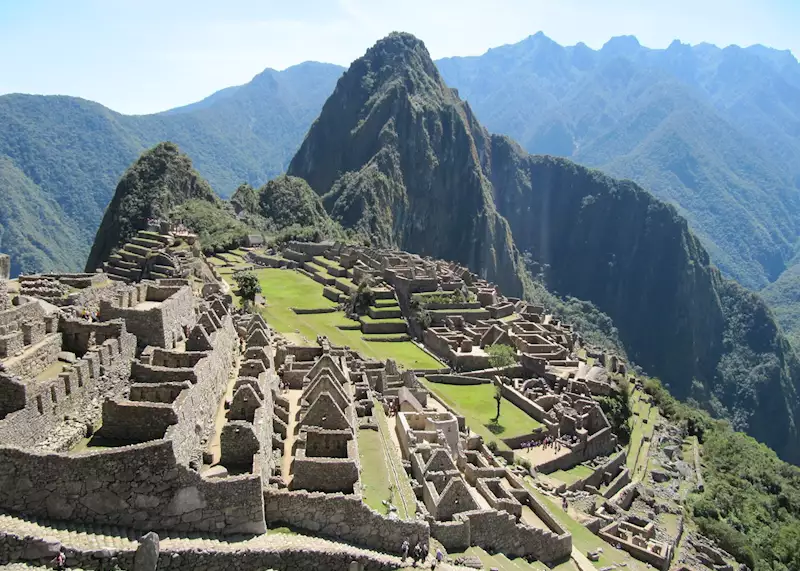
The Inca Trail, Torres del Paine backcountry, and Amazon lodge locations have no mobile coverage regardless of carrier. Do not rely on mobile data for navigation in these areas — download offline maps (Maps.me or Google Maps offline) before departing and carry a physical paper map of the trail. The Sacred Valley has patchy coverage. Patagonian towns (El Chaltén, Puerto Natales) have reasonable 4G coverage in town centres.
WhatsApp: The Essential App
WhatsApp is the primary communication platform across all of South America — hotels, tour operators, restaurants, and private contacts all use it as their default communication channel. Having WhatsApp installed and working on your phone from Day 1 is not optional; it is how South America communicates. Set up before you travel and share your number with anyone you need to reach. Voice calls over WhatsApp are free on WiFi and extremely cheap on mobile data — many travellers use it exclusively for communication throughout the trip.