The General Rule
In most South American cities, tap water is technically treated but not reliably safe for travellers unaccustomed to local bacteria — not because of dangerous pathogens but because of microbial differences from your home water supply that your gut has no experience handling. Traveller's diarrhoea in South America is rarely caused by cholera or typhoid (for which vaccines exist and which are now rare in the main tourist areas) but by E. coli strains, giardia, and other microorganisms that local residents are entirely accustomed to. The practical guidance for most countries is: do not drink tap water unless you have purified it, do not have ice in drinks unless you can confirm it was made from purified water, and avoid raw salads washed in tap water at low-end restaurants.
Tap Water Safe Peru and Colombia
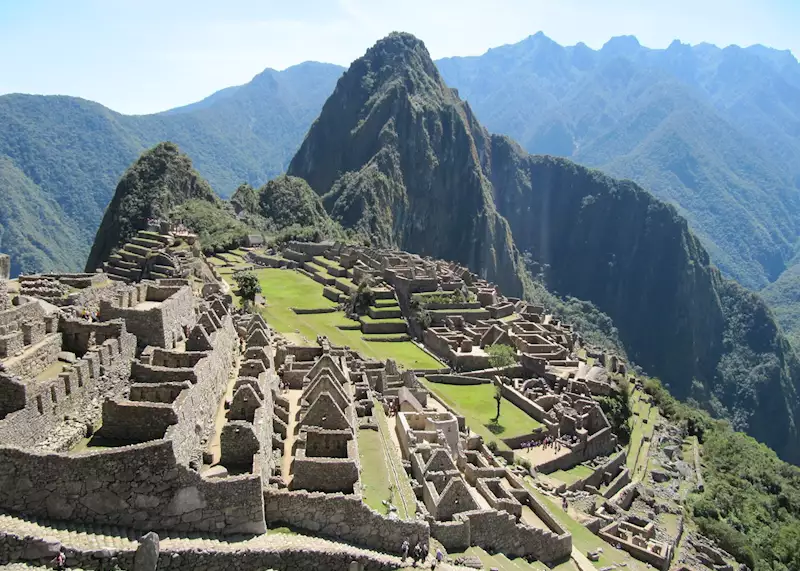
Peru (Lima): Lima's tap water is chlorinated and technically meets WHO standards, but is not recommended for drinking by visitors due to variable infrastructure quality outside the main distribution network. Use bottled water ($0.50 for 1.5L at any convenience store) or a filter bottle. In Cusco and smaller Andean towns, do not drink tap water under any circumstances.
Colombia: Medellín's tap water is consistently praised as among the cleanest in Latin America — the city's water authority has won international awards and locals drink from the tap without hesitation. Bogotá's tap water is also generally safe. In smaller towns and Caribbean coast areas including Cartagena, use bottled water as a precaution.
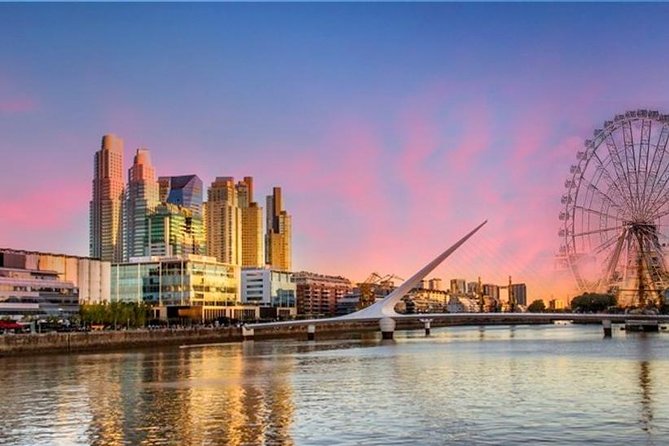
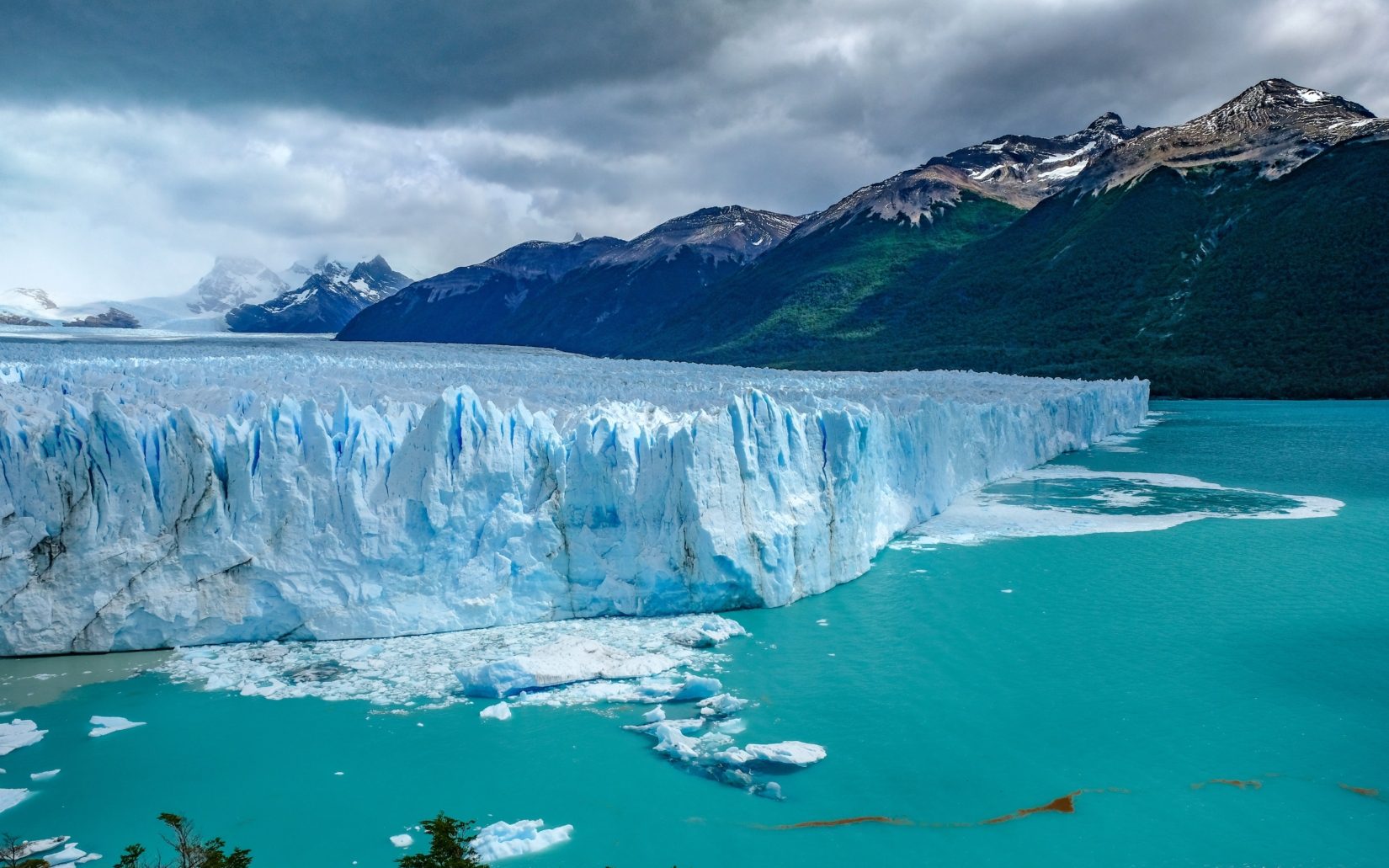
Argentina (Buenos Aires): Buenos Aires tap water is safe to drink and tested regularly — locals and long-term residents drink it without issue. Outside Buenos Aires in areas like Patagonia, standards vary; use bottled water in rural areas.
Chile (Santiago): Santiago's tap water is safe to drink. Chile has the highest water infrastructure standards in South America. The taste may be different from home but the safety is not in question.
Brazil: Major cities (São Paulo, Rio de Janeiro) have treated tap water that is technically safe but has a strong chlorine taste — most residents use filters or bottled water. Outside major cities and when visiting remote areas like the Amazon Rainforest, use bottled water.
Bolivia: Do not drink tap water anywhere in Bolivia. Use bottled water exclusively.
Water Purification South America Travel
Three options for travellers who want to reduce plastic waste from bottled water. Steripen (UV purifier): a pen-sized UV light device that purifies 1L of water in 90 seconds; highly effective against bacteria, viruses, and protozoa; requires batteries; cost $50–80. Filter bottle (LifeStraw, Sawyer, Grayl): a water bottle with a built-in filter that removes bacteria and protozoa as you drink; the Grayl Geopress also removes viruses; cost $40–90. Purification tablets (iodine or chlorine dioxide): cheap, light, and reliable; 30 minutes per litre treatment time; iodine tablets leave a slight taste; cost $5 for 50 tablets. All three options are effective and environmentally superior to buying a new plastic bottle every day.
Ice Cubes and Salads
The two most common sources of traveller's diarrhoea in South America are ice and raw vegetables. In established restaurants in major cities, ice is typically made from purified water and raw salads are washed in purified water — the risk is low. In basic restaurants in smaller towns and market stalls, neither can be assumed. The practical approach: drink spirits without ice, skip the side salad at market stalls, and accept that these precautions reduce but do not eliminate the risk of a digestive upset at some point during a long South America trip.