South America spans an extraordinary range of climates, latitudes, and altitudes — from the equatorial rainforest of the Amazon to the sub-Antarctic wilderness of Tierra del Fuego, from the driest desert on Earth (the Atacama) to the wettest temperate rainforest (southern Chile's Valdivian forest). The continent crosses every climatic zone, and the "best time to visit" differs dramatically depending on where you are going and what you want to do.
This guide breaks down the best travel seasons by region, followed by a month-by-month overview and specific guidance for the continent's most popular destinations.
Understanding South America's Seasons
South America is largely in the Southern Hemisphere, which means its seasons are the reverse of North America and Europe: summer runs December to February, winter runs June to August. This has several practical implications:
- Patagonia (Argentina and Chile) is best visited October to March (Southern Hemisphere spring/summer)
- The Andes dry season runs May to October, making this the preferred hiking season for Peru, Bolivia, and Ecuador
- The Amazon has complex seasonal patterns that differ from the Andes
Travellers from the Northern Hemisphere heading to South America between June and August are actually arriving in the Southern Hemisphere winter — which in Patagonia means cold temperatures and rough weather, but in the tropical Andes means the dry season (excellent for trekking).
By Region
Patagonia (Argentina and Chile)
Best months: November to March
Patagonia's summer is short and precious. November brings wildflowers and long days; December and January are the warmest months with the most daylight; February and March see slightly fewer crowds, golden light, and the first autumn colour on the beech trees.
The shoulder months of October and April are used by serious hikers and photographers who want the scenery without peak crowds. Weather is more variable — expect cold, wind, and occasional snow — but also dramatic skies and the possibility of extraordinary light.
June through August (Patagonian winter) is cold, windy, and dark. Many lodges and services close. Torres del Paine and Los Glaciares National Parks technically remain open, but the experience is harsh and many facilities are unavailable. Not recommended unless you have specific reasons.
Wind: Patagonia's wind is legendary. November and December tend to be the windiest months; February and March are relatively calmer. For hiking in Torres del Paine, February tends to offer the most stable conditions.
Andean Countries (Peru, Bolivia, Ecuador, Colombia)
Best months: May to October (dry season)
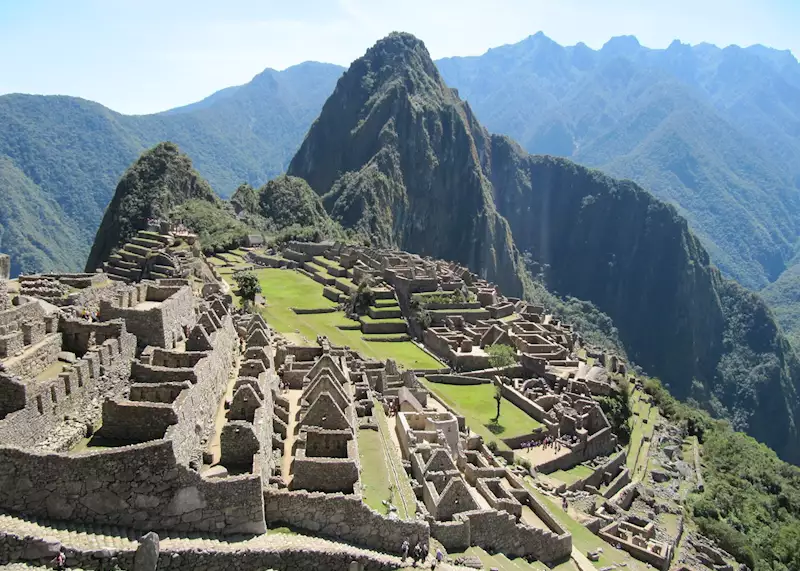
The Andean dry season — roughly May to October — is the preferred window for trekking, highland travel, and visiting sites like Machu Picchu, the Salar de Uyuni, and Lake Titicaca. Days are sunny, nights are cold, and the landscapes are clear and vivid.
June, July, and August are the peak months for the Inca Trail and major trekking routes in Peru and Bolivia — book permits and accommodation months in advance.
The wet season (November to March) brings heavy rain and mist, which can obscure mountain views and make some roads impassable. However, the landscape is extraordinarily lush and green, waterfalls are at their most spectacular, and crowds at major sites like Machu Picchu drop significantly. The Inca Trail closes for the entire month of February.
Ecuador straddles the equator and has a more complex climate. The Andean highlands are generally drier from June to September and December to January; the Amazon lowlands and Pacific coast have their own patterns.
Colombia has two dry seasons: December to March and July to August. The wetter months (April–May and September–November) see more rain but also more dramatic scenery.
Amazon Rainforest
The Amazon's "best time" depends on what you want to see:
High water season (November to April in Brazil; varies by country): The forest floods, allowing boat access into areas that are dry-season forest floor. Pink river dolphin encounters are more common. Wildlife can be harder to spot as animals disperse into flooded areas.
Low water season (May to October): Water levels drop, concentrating animals around remaining water sources. Wildlife density increases. Beaches emerge on river banks. Easier land-based access to many areas.
For jaguar watching in the Pantanal: June to October is unquestionably the best season — the dry season concentrates animals around water sources and the cats are more visible.
Brazil (Coastal and Cultural)
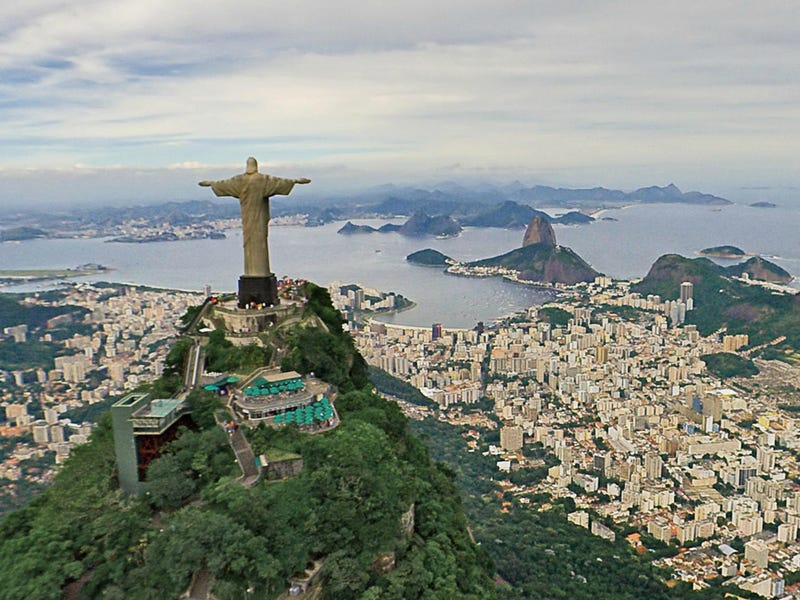
Rio de Janeiro and the Brazilian coast: The Brazilian summer (December to February) is hot, sometimes very hot, with afternoon thunderstorms. This is peak beach season but also Carnaval season (February/March). The Brazilian winter (June–September) is cooler and drier — the best time to visit Rio for sightseeing, though beach weather is still perfectly fine by most standards.
Carnaval (dates vary — typically February or early March): If witnessing Carnaval in Rio or Salvador is a goal, plan specifically around it. Book accommodation months — ideally six months — in advance. Prices triple. The experience is extraordinary but logistically demanding.
Atlantic Patagonia and Penguin Colonies
Magellanic penguin colonies (Peninsula Valdés in Argentina, Punta Tombo) are best visited September to April, when the penguins are present for breeding. The peak of penguin activity is October to December (when chicks hatch). The penguins leave the colonies in April to spend the winter at sea.
Caribbean Colombia (Cartagena)
Cartagena is a year-round destination, but the dry season (December to April) offers the most reliable weather for beach excursions to the Islas del Rosario and the clearest skies. July and August bring a brief mini dry season (veranillo). The wettest months are October and November.
Month-by-Month Summary
January
Good for: Patagonia (summer), Galápagos (warm water season), Peru highlands (dry, sunny mornings but some afternoon rain in the mountains) Avoid/caution: Amazon lowlands (heavy rain) Peak crowds: Torres del Paine, Machu Picchu
February
Good for: Patagonia, Rio Carnaval, Galápagos Avoid: Inca Trail (closed all month), Andean highlands (heavy rain, limited visibility) Highlights: Carnaval in Rio (late February or early March), Vendimia harvest festival begins in Mendoza
March
Good for: Patagonia (autumn colours, calmer winds), Mendoza Vendimia harvest festival, Galápagos Crowds: Dropping in Patagonia from January peak Highlights: Autumn foliage in Torres del Paine; wine harvest celebrations in Mendoza
April
Good for: Inca Trail reopens (book months ahead), Andean dry season beginning, Mendoza (harvest season concluding) Note: Shoulder season for Patagonia — weather variable but possible
May
Good for: Peru (dry season underway), Bolivia, Ecuador highlands, Mendoza, Patagonia (shoulder — quieter but colder) Highlights: Lake Titicaca excellent, Cusco and Sacred Valley in good condition
June
Good for: Andean dry season peak — Peru, Bolivia, Ecuador, Colombia. Pantanal (dry season starting) Peak season: Inca Trail fully booked; Torres del Paine reaches low season Festival: Inti Raymi (Festival of the Sun) in Cusco on June 24 — the most important Inca festival, recreated annually with elaborate pageantry
July
Good for: Andes in general — dry, clear, cold nights. Pantanal jaguar season beginning. Colombia dry season. Peak season: Machu Picchu, Cusco, Sacred Valley at their busiest Highlights: Inti Raymi (June 24), cold clear days ideal for photography
August
Good for: Andes, Pantanal (peak jaguar season), Galapagos (cooler water, more dramatic wildlife) Note: Continued peak season for Andean destinations; book everything well ahead
September
Good for: Pantanal (excellent jaguar and wildlife viewing), beginning of Patagonian shoulder season, Galápagos (Humboldt Current wildlife) Highlights: Penguin colonies at Peninsula Valdés active; Patagonian spring begins
October
Good for: Patagonia (spring wildflowers, fewer crowds than peak), Pantanal, Galápagos Note: Torres del Paine services reopening; Colombia wetter
November
Good for: Patagonia (early summer, long days, wildflowers), Andean shoulder season (fewer crowds than July/August) Note: Inca Trail begins getting busier again; rainy season beginning in parts of the Amazon and Andean foothills
December
Good for: Patagonia (early-mid December excellent), Rio and Brazilian coast (summer begins), Galápagos (warm water season starting), Colombia December dry season Peak approaching: Torres del Paine peak season from Christmas onwards
Specific Destination Best Times
| Destination | Best Months | Avoid |
|---|---|---|
| Machu Picchu | May–September | February (Inca Trail closed), rainy season has mist (but fewer crowds) |
| Torres del Paine | Nov–March (Feb best for winds) | June–August |
| Galápagos | Year-round; Jan–June (warm water), July–Dec (wildlife activity peaks) | No bad time |
| Pantanal (jaguars) | June–October | Jan–March (very wet, flooded) |
| Amazon (Brazil) | July–November (low water, wildlife) | December–April (depends on goals) |
| Rio de Janeiro | June–September | January–February (extreme heat and humidity) |
| Cartagena | December–April | October–November |
| Uyuni Salt Flat | May–November (dry, hard white crust) | January–March (water reflection beautiful but less accessible) |
| Inca Trail | May–September | February (closed) |
| Patagonia cycling | November–February | April–October |
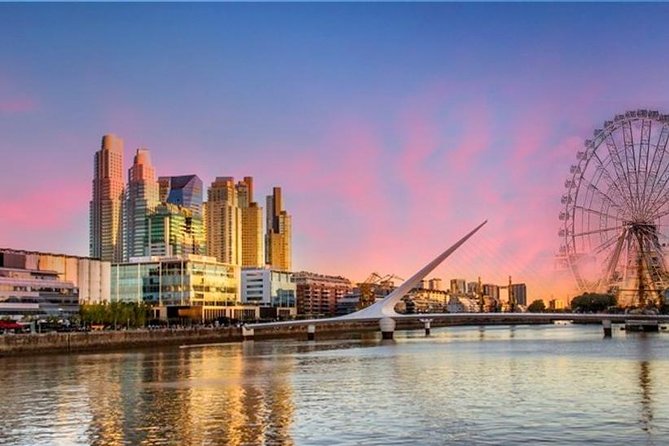
| Buenos Aires | March–May, September–November | January–February (extreme heat) |
Shoulder Season: A Strong Recommendation
For most South American destinations, the shoulder season — the months just before and after peak season — offers the best combination of good weather, manageable crowds, and reasonable prices.
In the Andes: May and September are excellent. Weather is mostly dry, temperatures comfortable, and the number of other tourists noticeably lower than July–August.
In Patagonia: November and March are the sweet spots. The wind is slightly less ferocious than January, the light is extraordinary, and the campsites are not completely full.
In the Galápagos: May and November offer good conditions with reduced visitor numbers relative to the December–April warm season peak.
Final Advice
The best time to visit South America is largely when you can go. The continent's diversity of climates means that virtually any month offers somewhere extraordinary to visit. If your itinerary takes you to both the Andes and Patagonia, the challenge is that their optimal seasons partially conflict (Andean dry season May–October; Patagonian summer November–March). A compromise itinerary in October–November covers the final weeks of Andean dry season while Patagonian spring is beginning — and is often the smartest choice for a comprehensive South America trip.
Plan around the specific experiences that matter most to you. Book permits, key accommodation, and internal flights early. And allow the unexpected in — the spontaneous detour in South America is often the best part of the trip.