Why Do This Route Overland?
The Colombia–Ecuador overland route connects two of South America's most rewarding countries via one of the continent's more interesting border crossings — and the journey between them passes through a sequence of towns and landscapes that would be entirely missed by anyone who flew Bogotá–Quito. The route takes 2–4 days depending on how many stops you make, and the stops are genuinely worth making: the Las Lajas sanctuary, the Otavalo market, and the Baños adventure base are all route highlights rather than detours.
Bogotá to Ipiales: The Colombian Section
From Bogotá's Terminal del Sur, overnight buses to Ipiales (the Colombian border town) depart at approximately 6pm and arrive at 8am (14 hours, $25–35 by Expreso Bolivariano or Flota Magdalena). Ipiales is a functional border town with limited appeal as a destination, but the Santuario de Las Lajas — 7km from Ipiales — is one of the most spectacular churches in South America: a Neo-Gothic cathedral built across a river gorge, with the structure spanning the canyon walls in a way that seems geometrically impossible. Arrive Ipiales the previous evening (budget guesthouse $10–15), visit Las Lajas in the morning before crossing the border.
Ipiales to Tulcán Border Guide
The Ipiales–Tulcán border at Rumichaca is one of South America's busiest land borders and is generally efficient. Distance from Ipiales town centre to the border: 2km (taxi $2). Process: exit Colombia at the Colombian immigration post, walk across the international bridge, enter Ecuador at the Ecuadorian immigration post (visa-free for most Western passport holders, standard 90-day tourist stamp). Total border crossing time: 30 minutes to 2 hours depending on queues (Mondays and post-holiday Sundays are busiest). Tulcán, the first Ecuadorian town, is 3km from the border (taxi $2) and has connections to Quito.
Backpacking Colombia Ecuador: Otavalo
Otavalo, 100km south of Tulcán and 110km north of Quito, is home to the largest and most famous indigenous market in South America. The Saturday market fills the town from 7am — indigenous Otavaleño vendors in traditional dress (women in white blouses and navy skirts, men in long white tunics) sell textiles, crafts, jewellery, and food. The quality of the handwoven textiles is genuinely high — Otavalan weavers export to boutiques in Europe and New York. Stay 1–2 nights; the Sunday animal market at dawn (in the agricultural section of the main market) is extraordinary and entirely tourist-free.
Quito
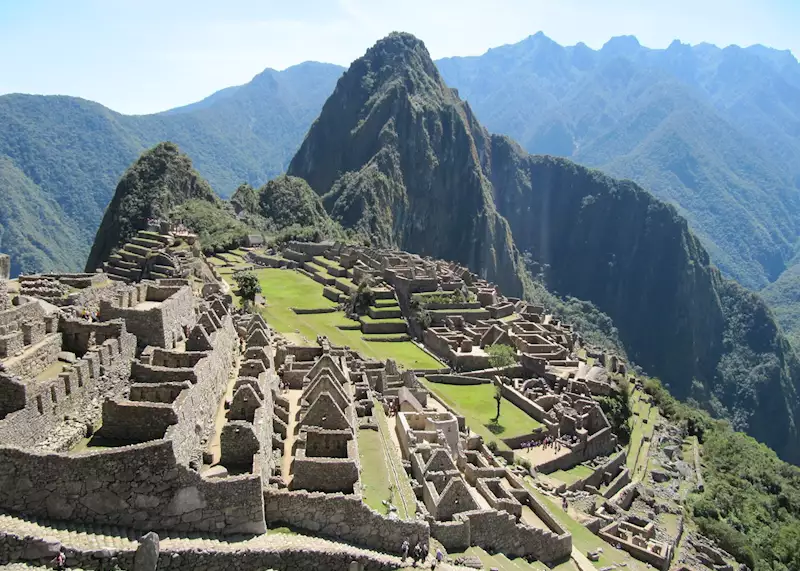
From Otavalo, frequent buses to Quito (2 hours, $3) connect with the main city. Spend 2–3 days in Quito — the Old Town (UNESCO listed), La Compañía church, the TelefériQo cable car, and the Mitad del Mundo equator monument are the key sites. Quito is also the base for the Machu Picchu day trip and the Mindo cloud forest birdwatching.
Baños to Cuenca: Ecuador's Interior
From Quito, the route continues south through Baños (adventure sports hub: white water rafting, the 'Swing at the End of the World,' and the extraordinary road of waterfalls descending towards the Amazon Rainforest) and onwards to Cuenca — Ecuador's most beautiful colonial city and the base for the Cajas National Park páramo hiking. From Cuenca, a further bus or flight reaches Guayaquil, the Ecuador gateway to the Galápagos Islands.