First Decision: Cruise or Land-Based?
A live-aboard expedition cruise is the definitive Galápagos experience. You visit a different island each day (including remote islands inaccessible from land), all activities are guided by certified naturalists, and meals are included. The limitation: 7–14 nights minimum to do it properly, and costs start at $250/night all-inclusive. Land-based trips from Santa Cruz or San Cristóbal are more affordable and flexible — you stay in one place and do day trips. The limitation: you cannot reach the outer islands (Española, Fernandina, Genovesa) that often have the most extraordinary wildlife.
When choosing a cruise, vessel size matters significantly. Small boats (16 passengers or fewer) offer intimate wildlife encounters and can navigate shallow waters that larger ships cannot reach. Medium-sized vessels (20-40 passengers) provide a good balance of comfort and access, while larger ships (100+ passengers) offer more amenities but may feel crowded during landings and snorkelling excursions. The Galápagos National Park limits group sizes to 16 people per guide, so larger ships must split into multiple groups.
For land-based stays, Puerto Ayora on Santa Cruz is the most developed hub with the widest range of accommodations, restaurants, and day-trip options. San Cristóbal offers a more authentic local experience with fewer tourists, while Isabela provides the best access to unique sites like Sierra Negra volcano and the Wetlands complex. Budget travellers can find hostels from $30/night, while luxury eco-lodges charge $300+ per night. Factor in daily tour costs of $60-150 per person for day trips when calculating land-based budgets.
The $200 Park Fee
All visitors pay a $200 USD national park entry fee on arrival at Baltra or San Cristóbal airport. This must be paid in cash. Bring exact change if possible — it cannot be paid online in advance. This is separate from any tour or cruise costs.
Additionally, you'll need to obtain a Transit Control Card (TCT) before departure from mainland Ecuador, costing $20 USD. This can be purchased at Quito or Guayaquil airports. Ecuadorian residents pay significantly less — $6 for the park fee and $6 for the TCT. If you're planning to visit multiple times within a year, the park fee is valid for re-entry within 12 months, though you'll need to present your original receipt.
Other mandatory fees include the INGALA inspection tax (usually included in your airline ticket) and potential baggage inspection fees if you're carrying restricted items. Keep all receipts — some tour operators require proof of payment, and you may need them for travel insurance claims.
Wildlife Calendar: What to See When
January–June (Warm Season): Calmer seas, warmer water (22–26°C), sea turtles nesting, marine iguanas and sea lions with young pups, excellent snorkelling. June–December (Cool Season): Cold Humboldt Current brings rich nutrients — whale sharks at Darwin and Wolf Islands (June–November), hammerhead sharks, penguins most active, waved albatross colony at Española (April–December).
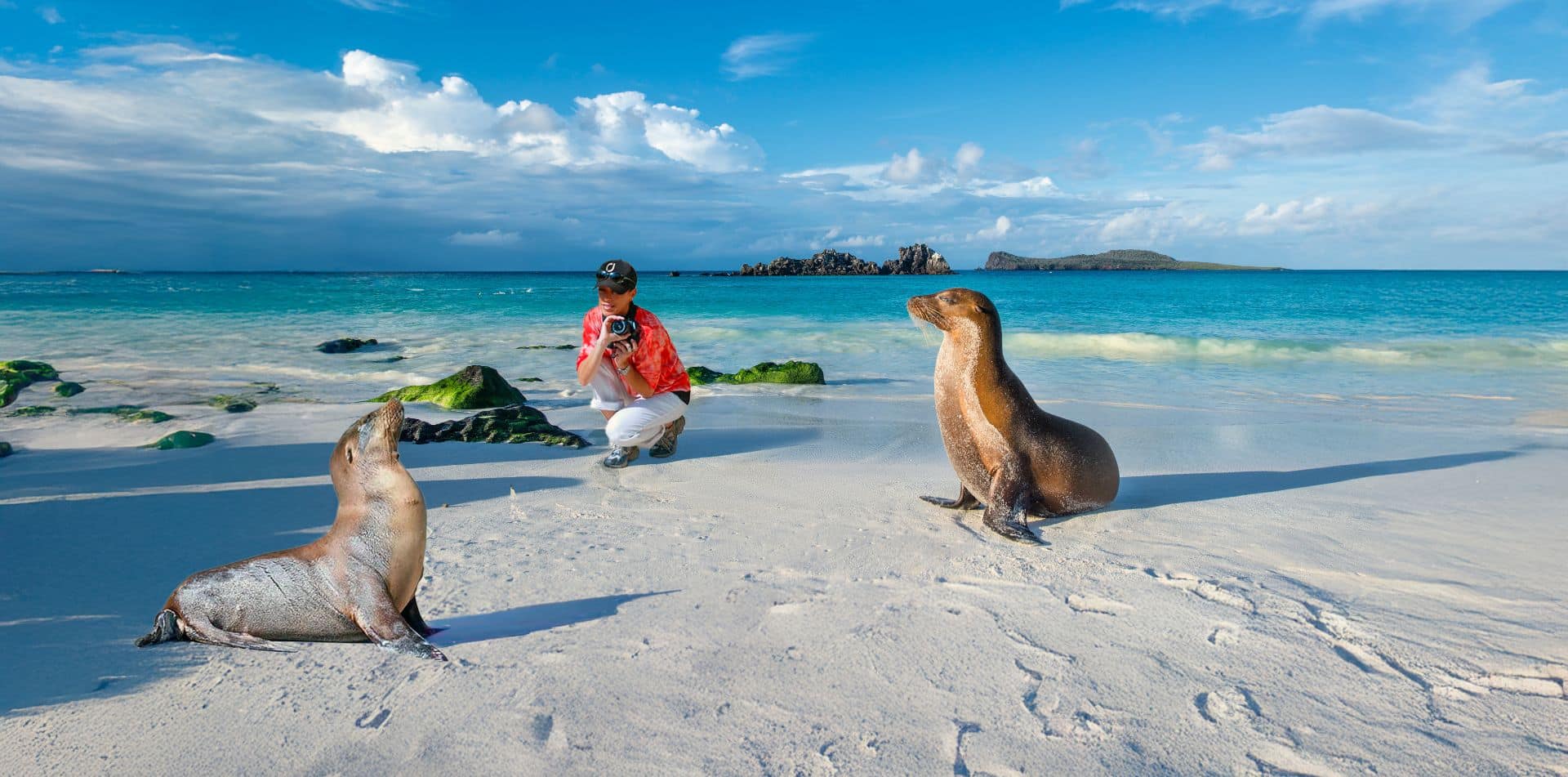
The warm season brings dramatic thunderstorms and occasional heavy rain, but these usually last only a few hours and create spectacular photography opportunities. This is baby season — you'll see adorable sea lion pups learning to swim, baby marine iguanas clustering for warmth, and giant tortoise hatchlings emerging from nests. Land birds like finches and mockingbirds are more active, and land iguanas are easier to spot as vegetation is lusher.
The cool season offers the best diving conditions despite choppier seas. Visibility underwater can exceed 30 metres, and the nutrient-rich waters attract massive schools of fish. This draws in larger predators — hammerhead sharks at Gordon Rocks, whale sharks near Darwin and Wolf, and even occasional orcas. However, water temperatures drop to 18-22°C, making a thick wetsuit essential. The famous Galápagos penguins are most active during this period, particularly around Bartolomé and the western shores of Isabela.
Transitional months (May-June and December-January) can offer the best of both seasons but are also the most unpredictable weather-wise. These periods often have the calmest seas, making them ideal for travellers prone to seasickness.
Must-Visit Islands by Highlight
Santa Cruz: Giant tortoise reserve (Darwin Station), highland wild tortoises, Playa Tortuga Bay. Española: Waved albatross colony, Nazca boobies, blowhole, sea lion beach. Bartolomé: Pinnacle Rock (the classic Galápagos postcard), penguins, Galápagos hawk. Fernandina: Largest marine iguana colony, flightless cormorants, no introduced species — the most pristine island. North Seymour: Magnificent frigatebird colony (inflated red throat pouches), blue-footed boobies. Kicker Rock: Open-water snorkelling with Galápagos sharks and sea turtles.
Genovesa (Tower Island): Often called "Bird Island," this is a birdwatcher's paradise with red-footed boobies, great frigatebirds, and swallow-tailed gulls. The cliff-top trail at El Barranco offers spectacular storm petrel viewing at dusk. Isabela: The largest island offers diverse experiences — flamingo lagoons at Punta Moreno, the Wall of Tears historical site, and Sierra Negra volcano, one of the world's largest volcanic craters at 10 km across.
Santiago (James Island): Famous for Puerto Egas with its dramatic lava formations and excellent snorkelling at James Bay. The island showcases geological diversity and is excellent for spotting Galápagos fur seals in tide pools. Chinese Hat (Sombrero Chino): This small volcanic islet offers pristine snorkelling conditions and is one of the best places to see white-tip reef sharks resting in shallow waters.
Floreana: Rich in human history with stories of early settlers and mysterious disappearances. Post Office Bay maintains the famous barrel post office tradition dating back to the 1700s. Devil's Crown, a partially submerged volcanic cone nearby, provides some of the archipelago's best snorkelling with incredible marine biodiversity in a small area.
Booking Timeline
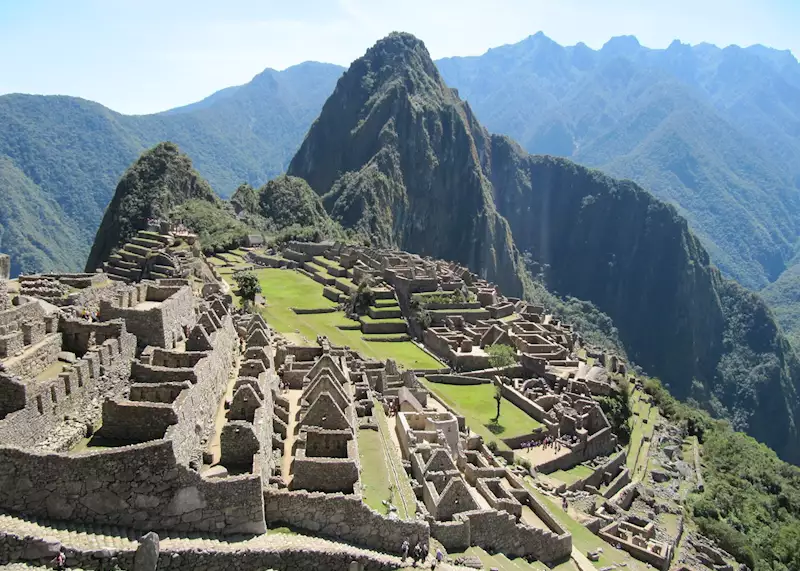
Budget cruises: book 3–6 months ahead. Mid-range and luxury cruises: 6–12 months ahead, especially for December–January and June–August. Last-minute deals (within 4 weeks of departure) do exist for budget cruises but are not reliable. Land-based hotels: 1–2 months for most of the year, 3–4 months for Christmas and July–August. For comprehensive planning advice, check our detailed itinerary recommendations and tours guide. If you're exploring other South American destinations, consider combining your trip with Machu Picchu or the Amazon Rainforest.
Peak season pricing can double accommodation costs, and the most popular itineraries sell out completely. If you're flexible with dates, shoulder seasons (April-May and September-November) offer the best value with 20-30% savings on cruises and hotels. Hurricane season in the Eastern Pacific (June-November) rarely affects the Galápagos directly but can cause flight delays from North America.
When booking cruises, pay attention to itinerary details — some budget operators visit the same easily accessible sites repeatedly rather than exploring diverse islands. Premium operators often include gear like wetsuits, snorkelling equipment, and even underwater cameras in their packages. Always confirm what's included: some cruises exclude alcoholic beverages, tips for crew and guides ($10-15 per day expected), and optional activities like kayaking or additional shore excursions.
Getting There and Around
All international visitors must fly via mainland Ecuador — either Quito (UIO) or Guayaquil (GYE). Most travellers choose Guayaquil as it's closer to the Galápagos, reducing domestic flight time from 2.5 hours to 1.5 hours. TAME, Avianca, and LATAM operate daily flights to Baltra (GPS) and San Cristóbal (SCY) airports. Flight costs range from $300-600 roundtrip from Ecuador, with significant price variations based on season and advance booking.
Inter-island transportation is limited but efficient. Small aircraft connect the three airports (Baltra, San Cristóbal, and Isabela) for $160-200 per flight. Water taxis and speedboats provide connections between Puerto Ayora (Santa Cruz), Puerto Baquerizo Moreno (San Cristóbal), and Puerto Villamil (Isabela) for $25-30 each way, taking 2-3 hours depending on conditions. These can be rough rides — bring seasickness medication.
On the islands themselves, transportation is straightforward. Santa Cruz has buses, taxis, and rental bikes. A taxi from Baltra airport to Puerto Ayora costs around $25, or take the public bus for $2 plus a $1 water taxi across the Itabaca Channel. On San Cristóbal and Isabela, most attractions are within walking or short taxi distance of the main towns. Many accommodations offer airport transfers as part of their service.
Essential Packing Guide
The Galápagos climate demands specific gear for comfort and wildlife protection. Pack reef-safe sunscreen (biodegradable formulas only) with minimum SPF 30 — the equatorial sun is intense, and reflection off water doubles exposure. A wide-brimmed hat with chin strap is essential for windy boat rides and shore walks.
For water activities, pack a quality mask and snorkel if you're particular about fit, though most operators provide gear. Bring a wetsuit or plan to rent one — even in warm season, extended snorkelling requires thermal protection. Water shoes with good grip are crucial for wet landings on rocky shores and lava formations. Quick-dry clothing in earth tones (to blend with surroundings) works best for multiple daily activities.
Photography equipment requires special consideration. Bring extra batteries and memory cards — charging opportunities may be limited on cruises. A waterproof camera housing or dry bag is essential for zodiac rides and snorkelling. Binoculars (8x32 or 8x42) dramatically enhance wildlife viewing, especially for bird identification and distant marine life spotting.
Pack any prescription medications plus extras — there are only basic medical facilities on Santa Cruz and San Cristóbal. Include seasickness remedies even if you don't typically get motion sick. The Drake Passage-style conditions between islands can affect anyone. Insect repellent is useful for highland excursions and evening activities, though biting insects are generally minimal.
Dining and Local Cuisine
Galápagos cuisine reflects its isolation and conservation priorities — most ingredients are imported from mainland Ecuador, making dining expensive by South American standards. Expect to pay $15-25 for main dishes at mid-range restaurants, with luxury lodges charging $40+ for dinner. The freshest local ingredients are seafood — particularly grouper, sea bass, and lobster (in season September-December).
Puerto Ayora offers the widest dining variety, from street food vendors selling $3 empanadas to upscale restaurants featuring fusion cuisine. Try locro de papa (potato soup), seco de cabrito (goat stew), and fresh ceviche made with local fish. Vegetarian options are increasingly available but can be limited to pasta and rice dishes outside major towns.
On cruises, meal quality varies significantly by price point. Budget boats often serve repetitive buffets with limited fresh ingredients, while luxury vessels employ professional chefs creating gourmet experiences using imported specialties. Most cruise meals are included, but premium beverages, wine, and cocktails typically cost extra.
Drinking water is safe on all inhabited islands, though many visitors prefer bottled water. Single-use plastic restrictions mean reusable water bottles are essential — most hotels and boats provide filtered water refill stations. Local beer (Pilsener, Club) is widely available, and some restaurants offer decent wine selections, though prices are high due to import costs.
Conservation and Responsible Travel
The Galápagos operates under strict conservation protocols that every visitor must follow. Maintain a minimum 2-metre distance from all wildlife — this protects both animals and humans from disease transmission and stress. Never feed animals or leave any trace of food, as this can alter natural behaviours and create dangerous dependencies.
Stay on marked trails at all times. The fragile volcanic soil and unique plant communities take decades to recover from foot traffic damage. Bring only cameras and water bottles to visitor sites — no food, drinks (except water), or personal items that could be accidentally left behind. Smoking is prohibited on all islands except in designated areas of populated towns.
Photography ethics are crucial for wildlife protection. Never use flash around animals, especially sea lions and nesting birds, as this can cause abandonment of young or dangerous stress responses. Don't attempt to get closer for better shots — modern cameras and lenses can capture incredible detail from respectful distances. The wildlife's comfort and natural behaviour should always take priority over photography ambitions.
Choose operators committed to sustainable practices. Look for certifications from the Galápagos National Park and Smart Voyager programs. These operators employ local guides, use renewable energy where possible, and contribute directly to conservation funding. Avoid operators offering activities that involve direct animal contact or visits to non-authorized sites.