The Honest Summary
The Inca Trail is genuinely challenging. It is not extreme — tens of thousands of people of varying fitness levels complete it every year, including many who have never done multi-day trekking before. But it is also not a walk in the park, and the combination of altitude, daily elevation gain, and 4 consecutive days of hiking catches underprepared travellers out with some regularity. The most common problems are altitude sickness (which can affect anyone regardless of fitness), blisters (from inadequate boot break-in), and muscle fatigue from underestimating daily distances. All three are entirely preventable with adequate preparation.
Most successful trekkers describe the experience as demanding but achievable with proper preparation. The trail requires mental resilience as much as physical fitness — long days, basic camping conditions, and the cumulative fatigue of consecutive hiking days test your determination. However, the reward system is immediate and powerful: each challenging climb reveals new archaeological sites, cloud forest transitions, and increasingly dramatic mountain scenery. The psychological boost of reaching each checkpoint, particularly Dead Woman's Pass, provides momentum that carries many trekkers through moments of doubt.
Dead Woman's Pass: The Crux
Day 2 is the hardest day on the Inca Trail. It begins at Wayllabamba camp (3,000m) and climbs to Dead Woman's Pass (Abra de Huarmihuañusca, 4,215m) — a sustained ascent of 1,200 metres over approximately 6km, at altitude, on stone steps. The name comes from the silhouette of the mountain ridge above the pass, which in certain light resembles a reclining woman. From Dead Woman's Pass, the trail descends steeply to a second camp at Pacaymayo (3,600m) before climbing again to the second pass (Abra de Runkurakay, 3,950m). Day 2 totals 16km and 8–10 hours of walking. Most people find it significantly harder than anticipated.
The final approach to Dead Woman's Pass is relentless — roughly 400 vertical metres of ancient stone steps with minimal flat sections for recovery. The altitude makes breathing laborious, and many trekkers need to rest every 20–30 steps. Start early (by 6:30 AM) to avoid afternoon weather changes and allow adequate time. The descent from the pass is equally demanding on the knees and requires trekking poles. Weather at this elevation changes rapidly — pack layers including waterproofs regardless of morning conditions. The second climb to Runkurakay Pass, though shorter, catches tired legs by surprise and often feels harder than the statistics suggest.
Inca Trail Fitness Requirements
A realistic fitness baseline for the Inca Trail: you should be able to hike 15–20km with 800m+ of elevation gain in a single day comfortably, at sea level, before arriving in Cusco. If you cannot do this before departure, the altitude will amplify the difficulty significantly. Specific training recommendations: begin 8–12 weeks before departure with 3 cardio sessions per week (running, cycling, or stair climbing), increasing to 4 sessions per week in the final month. Include at least 2 weekend hikes per month with elevation gain and a loaded pack. Build to 3,000m+ of elevation gain in a single day by the final 4 weeks if possible. For comparison, other challenging South American treks like those in Patagonia require similar preparation.
Stair training is particularly valuable for the Inca Trail's countless stone steps. Use stadium steps, high-rise building staircases, or gym stair machines with increasing duration and intensity. Practice hiking downhill with trekking poles — the knee strain on descent days exceeds most people's experience. Break in hiking boots completely with at least 80km of varied terrain before departure. Ankle strength exercises prevent injuries on uneven surfaces: single-leg balancing, calf raises, and lateral movements build stability that flat-surface training misses. Train with the daypack you'll carry on the trail, gradually increasing weight to 8–10kg for weekend hikes.
Inca Trail Altitude Sickness
Altitude sickness (acute mountain sickness, AMS) affects approximately 25–40% of Inca Trail trekkers to some degree — typically headache, nausea, fatigue, and disturbed sleep. Severe AMS (HACE or HAPE) is rare but serious. The critical preventive measure is acclimatisation: spend at least 2 full days in Cusco (3,400m) before starting the trail. Walk slowly (the guides say 'poco a poco' — the most important two words on the Inca Trail). Drink 3–4 litres of water per day. Avoid alcohol in the days before and during the trek. Consider Diamox (acetazolamide) — consult your doctor before departure; it significantly reduces AMS symptoms for most people and is widely used by trekkers.
Recognise early AMS symptoms and communicate them to your guide immediately: persistent headache that doesn't respond to standard painkillers, nausea preventing food intake, unusual fatigue beyond normal hiking tiredness, or difficulty sleeping despite exhaustion. Severe symptoms requiring immediate descent include confusion, loss of coordination, severe breathing difficulties, or vomiting preventing fluid intake. Many trekkers benefit from arriving in Cusco 3–4 days early for fuller acclimatisation, using the extra time for Sacred Valley day trips at intermediate elevations. Stay hydrated but avoid overhydration — clear to light yellow urine indicates proper hydration levels.
Inca Trail Training Guide: 8-Week Plan
Weeks 1–2: 3× cardio per week (30–45 min), 1× weekend hike (8–12km). Weeks 3–4: 3× cardio (45 min), 1× weekend hike (12–16km with 400m+ elevation). Weeks 5–6: 4× cardio (45–60 min), 1× weekend hike (16–20km with 600m+ elevation, loaded pack 8–10kg). Weeks 7–8: 4× cardio (60 min), 1× weekend hike (20km with 800m+ elevation, loaded pack). Final week: reduce intensity, rest, focus on breaking in boots and checking gear.
Supplement cardio training with strength work targeting hiking-specific muscle groups. Squats, lunges, and step-ups build leg strength for sustained climbing. Core strengthening improves pack-carrying posture and reduces back fatigue. Calf raises and ankle mobility exercises prepare for uneven trail surfaces. Practice walking with trekking poles if you'll use them — proper technique prevents wrist strain and maximises support. Include flexibility training: tight hip flexors and hamstrings increase injury risk and reduce hiking efficiency. Schedule one complete rest day weekly throughout training to allow muscle recovery and prevent overuse injuries.
The Porters
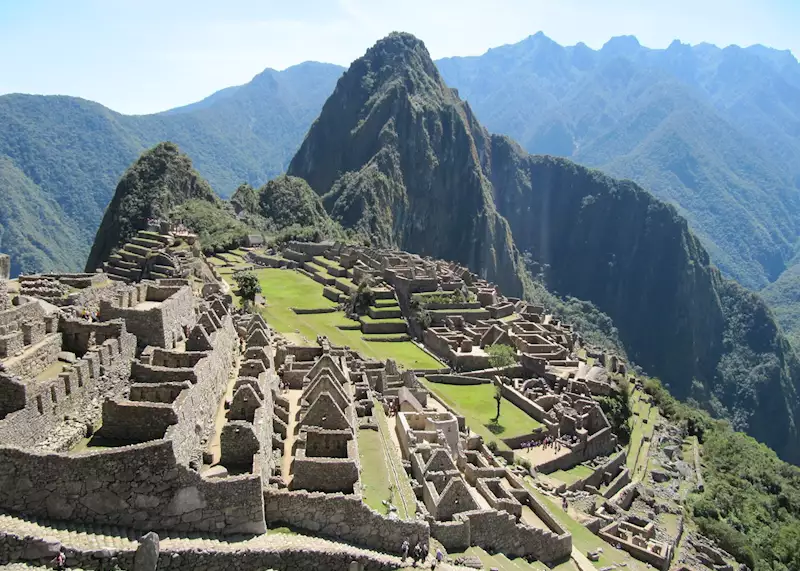
Understanding the porter system reduces guilt and adds context. Licensed Inca Trail operators use porter teams who carry group equipment, food, and cooking supplies — reducing individual pack weight to a daypack of 5–8kg. Porters carry loads of up to 20kg and regularly overtake trekking groups on the trail. The porter welfare regulations introduced in 2001 (mandatory weigh stations, minimum pay, proper equipment) have improved conditions significantly, though advocacy organisations still monitor compliance. Tip your porters — it is expected, it matters, and the recommended amount ($20–30/porter for the 4-day trail) is modest by any international standard. After completing the trek, most hikers continue to Machu Picchu for the sunrise experience.
Porters typically outnumber trekkers 2:1 on most expeditions — a 12-person trekking group requires approximately 20–25 porters when including guides, cooks, and equipment carriers. They establish camps, prepare meals, and break camp while trekkers rest, often working 14–16 hour days. Most porters are Quechua speakers from mountain communities where porter work provides crucial income. Engage respectfully — learn basic Spanish or Quechua greetings, acknowledge their expertise, and understand that photography requires permission. Quality operators provide porters with proper gear, insurance, and fair wages above legal minimums. Choose operators with verified porter welfare certifications when booking.
Essential Packing Guide
Pack strategically for four days of variable mountain weather and limited carrying capacity. Your daypack should contain: 2–3 litres of water capacity, high-energy snacks, rain gear, warm layers, sun protection, basic first aid supplies, headlamp with extra batteries, and camera protection. Weight management is critical — every unnecessary item amplifies fatigue over four days of hiking.
Clothing Essentials
Layer systems work best for the trail's elevation and weather changes. Base layer: moisture-wicking synthetic or merino wool tops and bottoms. Insulation layer: lightweight fleece or down jacket for camp and cold mornings. Shell layer: waterproof/breathable jacket and pants for rain and wind. Hiking pants should be quick-drying with reinforced knees. Pack one complete change of clothes for sleeping and emergencies. Avoid cotton fabrics — they retain moisture and provide no insulation when wet.
Footwear and Accessories
Broken-in hiking boots with ankle support are non-negotiable — blisters end more treks than fitness limitations. Pack 3–4 pairs of wool or synthetic hiking socks, plus one pair of camp shoes (lightweight sandals or slip-ons) for evening comfort. Trekking poles reduce knee strain on descents and improve stability on uneven surfaces. A warm beanie and sun hat cover temperature extremes. Quality sunglasses prevent snow blindness at high elevation.
Technical Gear
Sleeping bag rated to -5°C minimum — nights at high camps can be surprisingly cold. Sleeping pad for insulation and comfort on uneven ground. Headlamp with red light option preserves night vision and doesn't disturb tentmates. Power bank for camera and phone charging — no electricity on trail. Water purification tablets as backup to provided water sources. Personal first aid kit including blister treatment, altitude sickness medication, and any prescription drugs.
Best Time to Trek
The Inca Trail operates year-round except February (maintenance closure), but conditions vary dramatically by season. Dry season (May–September) offers reliable weather, clear mountain views, and minimal rain, but also crowds, higher prices, and booking competition. Book 6–8 months ahead for dry season treks, particularly June–August dates.
Shoulder seasons (April and October) provide moderate weather with fewer crowds and better availability. Expect occasional rain showers but generally stable conditions. Wet season (November–March, excluding February closure) features regular afternoon rainfall, cloudy mountain views, and muddy trails, but also lush vegetation, fewer crowds, and lower prices. Pack comprehensive rain gear for wet season treks and expect more challenging trail conditions.
Mental Preparation and Expectations
Physical preparation receives most attention, but mental readiness significantly impacts trek success. Expect basic camping conditions: shared tents, limited washing facilities, and simple toilet arrangements. Altitude affects sleep quality — most trekkers experience restless nights and unusual dreams. The cumulative effect of four consecutive hiking days tests determination more than single-day hikes.
Develop coping strategies for difficult moments: break large challenges into smaller segments, focus on immediate goals rather than entire days, and maintain perspective on the temporary nature of discomfort. Many trekkers find the third day most psychologically challenging — physical fatigue peaks while the finish line remains distant. Support fellow trekkers and accept help when offered — group morale significantly influences individual success rates.
Common Mistakes to Avoid
Underestimating pack weight costs energy over four days — eliminate non-essential items ruthlessly. Inadequate boot break-in causes preventable foot problems. Poor hydration timing leads to energy crashes and altitude sickness symptoms. Starting too fast on climbing days results in early exhaustion and reduced enjoyment.
Nutrition mistakes compound over multiple days: skipping breakfast reduces morning energy, avoiding trail food due to unfamiliarity leads to calorie deficits, and insufficient electrolyte replacement causes cramping and fatigue. Weather preparation errors include inadequate rain gear, inappropriate layering systems, and overconfidence in forecast accuracy. Social mistakes involve ignoring group pace, not communicating problems to guides, and unrealistic photography expectations that slow progress.