The Two Hikes
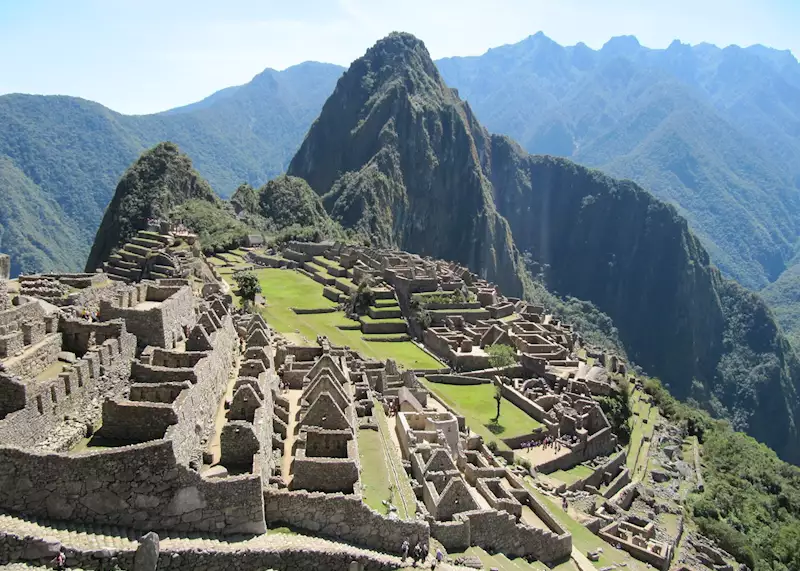
Every photograph of Machu Picchu shows the citadel spread across its ridge with a dramatic peak rising behind it — that peak is Huayna Picchu (Young Peak in Quechua, 2,720m). The larger mountain mass rising on the opposite side of the citadel is Machu Picchu Mountain (Old Peak, 3,082m). Both are hikeable with a separate ticket from the main Machu Picchu entry, and both deliver extraordinary views — but they are very different experiences in terms of difficulty, character, and what you actually see.
The decision between these two hikes often determines the highlight of many visitors' Machu Picchu experience. While both mountains were considered sacred by the Incas and feature archaeological remains along their trails, the hiking experiences couldn't be more different. Huayna Picchu offers an adrenaline-fueled scramble up ancient stone steps carved directly into the mountainside, while Machu Picchu Mountain provides a more traditional hiking experience through cloud forest terrain with gradually improving views.
Understanding the differences is crucial for planning, as your choice will significantly impact both your booking strategy and your physical preparation. Many travelers assume Huayna Picchu is automatically the better choice due to its fame, but seasoned hikers often prefer Machu Picchu Mountain for its superior panoramic vistas and less crowded trails.
Huayna Picchu: The Classic Choice
Huayna Picchu is the peak in the photograph — the dramatic granite spike that provides the iconic backdrop to Machu Picchu. The trail to the summit takes 45–90 minutes each way (1–2 hours round trip from the trail entrance) and gains approximately 360 metres on steep, narrow stone steps with fixed rope assistance on the most exposed sections. The summit view looks directly down onto the Machu Picchu citadel — the aerial perspective of the ruins, the terraces, and the Urubamba gorge below is extraordinary and completely different from the ground-level experience. Huayna Picchu is limited to 400 visitors per day, divided into two entry slots (7am and 10am), and tickets sell out weeks ahead. Book at the official portal (machupicchu.gob.pe) when you purchase your main Machu Picchu ticket.
The trail begins at the northern end of Machu Picchu's main plaza and immediately starts climbing through terraced agricultural areas before entering dense cloud forest. The initial section is deceptively gentle, following well-maintained Inca stonework through humid vegetation where orchids and bromeliads cling to moss-covered rocks. However, the character changes dramatically about 20 minutes into the hike.
The notorious final section — locally known as the "Stairs of Death" — consists of nearly vertical stone steps carved directly into the granite face. These aren't modern additions; they're original Inca construction, which means the steps are irregularly sized and can be slippery when wet. Steel cables have been installed along the most exposed sections, and while they're primarily for psychological comfort, they become essential during the steepest scrambles.
At the summit, the reward is immediate and overwhelming. You're standing directly above one of the world's most famous archaeological sites, with the entire citadel spread below like a three-dimensional map. The Urubamba River snakes through the valley 400 meters below, and the surrounding peaks of the Cordillera Vilcabamba create a dramatic amphitheater. On clear mornings, the play of light and shadow across the ruins creates constantly changing photographic opportunities.
The descent requires extra caution, as loose gravel on the stone steps can be treacherous. Many hikers find going down more nerve-wracking than the ascent, particularly on the steepest sections where the exposure becomes more apparent. The round-trip typically takes 2-3 hours total, including time for photography and rest stops.
Machu Picchu Mountain: The Better Views
Machu Picchu Mountain is higher, longer, and less visited than Huayna Picchu — and for panoramic photography, it is arguably the superior choice. The 2-hour ascent (each way) gains approximately 600 metres on a more gradual trail than Huayna Picchu, with the full citadel, the Sacred Valley, and the surrounding mountain ranges visible from the summit. The view from Machu Picchu Mountain summit is a complete panorama — you can see everything: the citadel, Huayna Picchu (now below you), the river, the surrounding peaks, and on clear days the distant snowcaps of the Vilcanota range. Limited to 800 visitors per day, it is easier to book than Huayna Picchu and requires less advance planning.
The trail begins at the southwestern edge of the archaeological site and follows a more conventional mountain path through varying ecosystems. The first hour winds through terraced areas and secondary cloud forest, with occasional glimpses of the ruins below providing motivation during the steady climb. Unlike Huayna Picchu's dramatic granite scramble, this route follows switchbacks carved by Inca engineers to create a sustainable grade.
Approximately halfway up, you'll encounter the first spectacular viewpoint where the entire Sacred Valley begins to reveal itself. This intermediate vista often surprises hikers with its scope — not just Machu Picchu, but the confluence of the Urubamba and Aobamba rivers, the town of Aguas Calientes nestled in the valley floor, and the serpentine railway line that brings visitors from Cusco.
The final ascent takes you above the tree line into alpine meadow terrain, where the vegetation changes to hardy grasses and scattered wildflowers. The air becomes noticeably thinner at this altitude, and the temperature can drop significantly, especially in the early morning or late afternoon. The summit itself is a broader, more comfortable area than Huayna Picchu's narrow peak, making it ideal for extended photography sessions or simply absorbing the 360-degree panorama.
From the top of Machu Picchu Mountain, the archaeological site appears as just one element in a vast landscape of peaks, valleys, and cloud forest. You can trace the Inca Trail's approach from the west, spot the modern Hiram Bingham Highway's hairpin turns, and on exceptionally clear days, see snow-capped peaks of the Cordillera Vilcanota more than 50 kilometers away. The perspective emphasizes just how isolated and defensible the Inca chose this location to be.
Difficulty Comparison
Huayna Picchu is shorter but more technically demanding — the final sections involve genuinely steep stone steps with considerable exposure. Vertigo is a real concern; anyone affected by heights should consider carefully before booking. The section known as the 'Gate of the Sun' narrows to a ledge with drop-offs on both sides. Machu Picchu Mountain is longer and higher but less exposed — a more traditional mountain trail without the vertiginous sections. Both are accessible to reasonably fit hikers; neither requires mountaineering experience.
The fitness requirements for each hike differ significantly in character if not intensity. Huayna Picchu demands good upper body strength and confidence with exposure — you'll be pulling yourself up using both handholds and the steel cables, often with significant drop-offs immediately beside the trail. The steep grade means your heart rate will spike quickly, but the relatively short distance makes it manageable for most visitors with basic fitness.
Machu Picchu Mountain, while longer, allows for a more measured pace. The steady grade means you can find your rhythm and maintain it throughout the ascent. However, the duration — typically 4-5 hours round trip including breaks — requires better cardiovascular endurance. The higher altitude also becomes a factor, especially for visitors who have recently arrived from sea level.
Weather conditions significantly impact the difficulty of both hikes. Rain makes the stone steps of Huayna Picchu genuinely dangerous, with wet granite becoming extremely slippery. Many visitors who attempt the hike in drizzling conditions find themselves moving at a crawl and questioning their decision. Machu Picchu Mountain's earthen trail becomes muddy but remains manageable in light rain, though fog can eliminate the views that are the primary motivation for the climb.
Best Time of Day for Each Hike
Timing can make or break either hiking experience, with weather patterns, lighting conditions, and crowd levels all varying significantly throughout the day. The early morning slots offer the best chance of clear weather, as afternoon clouds frequently roll up from the Amazon basin, obscuring views and bringing precipitation.
For Huayna Picchu, the 7am entry slot is generally superior to the 10am option. Early morning typically provides the clearest skies and best photographic lighting, with the rising sun illuminating the citadel from the east. The stone steps are also dry after overnight cooling, providing better grip for the steep sections. However, early morning can be surprisingly cold, especially during the dry season (May-September), when temperatures can drop near freezing.
The 10am Huayna Picchu slot often coincides with the arrival of clouds and the day's first tour groups at the main site. While you'll avoid the pre-dawn wake-up call required for the early slot, you may find yourself hiking in mist or light rain, significantly increasing both difficulty and disappointment levels.
Machu Picchu Mountain, with its single daily entry period, generally begins between 7am and 10am, allowing more flexibility in timing. Starting at 7am provides the best weather odds and the satisfaction of watching sunrise from increasingly elevated viewpoints as you climb. However, the longer duration means you'll likely encounter changing conditions regardless of when you start, making weather preparation more critical.
What to Pack for Your Hike
Proper preparation can determine whether your mountain hike becomes a highlight or an ordeal, and the specific gear requirements differ between the two peaks. Both hikes occur in cloud forest environments where weather can change rapidly, but the technical demands and duration create different packing priorities.
For both hikes, footwear is absolutely critical. Hiking boots with good ankle support and aggressive tread are strongly recommended over trail runners or casual shoes. The stone steps of Huayna Picchu become treacherously slippery when wet, while Machu Picchu Mountain's longer trail includes rocky sections where ankle protection proves valuable. Avoid new boots — blisters during a multi-hour hike can be genuinely miserable.
Layered clothing is essential due to elevation changes and variable weather. Start with moisture-wicking base layers, add an insulating mid-layer (fleece or light down), and carry a waterproof shell. Temperatures can vary by 20 degrees Celsius between the base and summit of either mountain, and morning starts often require warm layers that become unnecessary by midday.
For Huayna Picchu specifically, consider lightweight gloves for grip on the steel cables and stone handholds. The granite can be sharp and cold, and gloves provide both comfort and security during the steepest sections. A headlamp is useful for early morning starts when portions of the trail may still be in shadow.
Water requirements differ significantly between the hikes. Huayna Picchu's shorter duration means 1-2 liters is typically sufficient, while Machu Picchu Mountain's 4-5 hour commitment requires 2-3 liters, especially during warmer months. Energy snacks are more critical for the longer hike — nuts, dried fruit, or energy bars provide necessary fuel during the extended climb.
Photography equipment deserves special consideration. Both hikes offer exceptional photo opportunities, but the technical sections of Huayna Picchu make large camera equipment cumbersome and potentially dangerous. A compact camera or smartphone in a secure pocket is often more practical than a DSLR with multiple lenses. For Machu Picchu Mountain, the more gradual trail and longer duration make larger camera equipment more manageable.
Best Views of Machu Picchu: The Verdict
For the iconic aerial view looking down onto the citadel — the shot that appears in every photography book — Huayna Picchu. For the broader panoramic view showing the full scale of the site, the valley, and the surrounding mountains — Machu Picchu Mountain. For less stressful booking and a more gradual trail — Machu Picchu Mountain. For the more dramatic and photogenic experience — Huayna Picchu, if you can secure tickets and are not affected by heights.
Booking in Advance
Both tickets must be purchased in advance at machupicchu.gob.pe — they cannot be purchased at the entrance. Huayna Picchu (400 tickets/day) sells out 2–6 weeks ahead in peak season; book as early as possible. Machu Picchu Mountain (800 tickets/day) is easier to secure with 1–2 weeks notice in most seasons. Both are included in 'Circuit + Mountain' combination tickets, which cost slightly more than the standard Machu Picchu entry alone.
The booking process requires some strategy, particularly during peak season (June-August and December-January). Tickets become available approximately 4 months in advance, and the most desirable dates — especially weekends and holidays — can sell out within hours of release. The official website often experiences heavy traffic when new tickets are released, so persistence and flexibility with dates improve your chances significantly.
Consider booking both hikes if your schedule allows multiple days at Machu Picchu. Many serious photographers and hiking enthusiasts find that experiencing both perspectives provides a more complete understanding of the site's setting and scale. The different viewpoints and hiking experiences complement each other rather than compete, and having both options provides backup if weather conditions favor one over the other.
Payment on the official website requires a credit card, and the system can be particular about international transactions. Some travelers find success using different browsers or devices if initial payment attempts fail. Once purchased, tickets cannot be refunded or transferred, so ensure your travel dates are confirmed before booking.
Safety Considerations and Regulations
Both mountain hikes operate under strict safety regulations enforced by park authorities, though the specific risks and requirements differ significantly between the peaks. Understanding these limitations and preparing accordingly can prevent disappointment and ensure a safe experience.
Huayna Picchu enforces a strict minimum age requirement of 12 years due to the exposure and technical difficulty of the final sections. Children between 12-17 must be accompanied by adults, and parents should honestly assess their child's comfort with heights and ability to follow safety instructions precisely. The trail includes several points where careless behavior could result in serious falls.
Both hikes close immediately during electrical storm activity, which is common during the rainy season (November-March). Rangers monitor weather conditions continuously and may prohibit entry or require immediate evacuation if lightning risk increases. These closures are non-negotiable and non-refundable, emphasizing the importance of travel insurance for expensive tickets.
Group size is limited on both mountains, not just for environmental protection but for safety management. The narrow trail sections of Huayna Picchu can only accommodate single-file traffic, while Machu Picchu Mountain's broader path allows more flexibility but still requires crowd management during peak periods.
Emergency evacuation from either mountain is extremely difficult and expensive. Cell phone coverage is sporadic to nonexistent on both trails, and helicopter rescue may be impossible during cloudy conditions. This reality makes conservative decision-making about weather conditions and personal limitations crucial for every hiker.