South America has a complicated relationship with its own safety reputation. The continent contains some of the world's most peaceful, welcoming, and safe travel destinations — and also some genuinely challenging urban environments where crime requires real vigilance. The continent-wide reputation for danger, largely shaped by news coverage of Brazil and Venezuela, does a disservice to the many parts of South America that are as safe as — or safer than — many European destinations.
This guide gives you an honest, country-by-country assessment of safety for travellers, along with practical advice on how to stay safe, what to watch for, and what the most common crimes actually are.
The Fundamental Truth About Safety in South America
The great majority of tourists visit South America without incident. The crimes that do affect travellers are overwhelmingly opportunistic property theft — pickpocketing, phone theft, bag snatching — rather than violent crime. Travellers who apply urban common sense (not flashing expensive items, staying aware in crowded areas, using ride apps rather than hailing street taxis in certain cities) significantly reduce their risk.
Violent crime against tourists is rare. Being in the wrong place at the wrong time accounts for a small minority of incidents. The more common scenario is a confident traveller failing to take basic precautions in a city they don't yet understand.
The single most important piece of advice for South America is: use a ride-sharing app (Uber, Cabify, InDriver) rather than hailing taxis on the street in major cities. Express kidnapping (taking someone to ATMs to withdraw cash) has been associated with unlicensed taxi use in multiple South American cities. Ride apps leave a digital trail and are safer.
Country-by-Country Guide
Peru — Generally Safe for Tourists
Overall safety level: Moderate — good for tourists with standard precautions
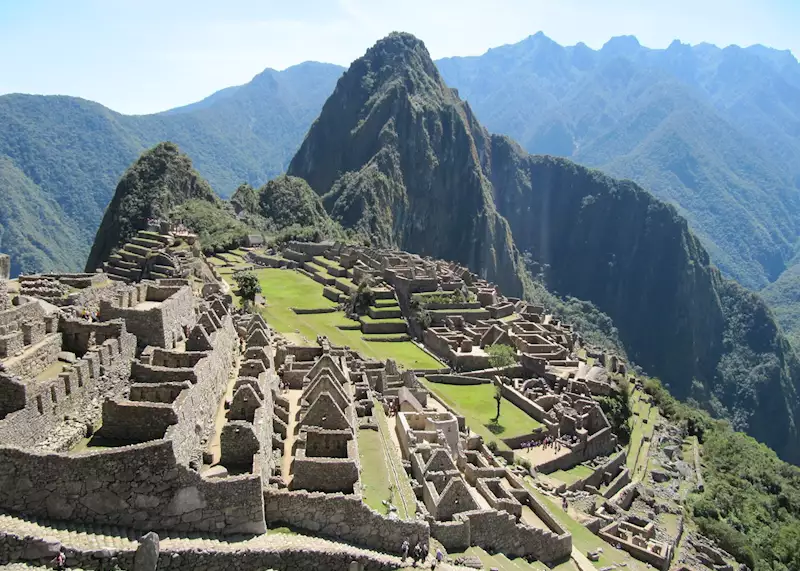
Peru's tourist infrastructure is well-developed and the country receives millions of visitors annually without major incident. The areas most visited by tourists — Cusco, the Sacred Valley, Machu Picchu, Arequipa, the Colca Canyon, and the Nazca Lines — are generally safe.
Main risks:
- Pickpocketing in Cusco's markets and bus station areas
- Bag snatching in Lima, particularly in tourist-heavy districts like Miraflores and Barranco (though these areas are well-policed)
- Bus bandits on night buses in certain mountain routes (this is rare but has occurred — use reputable, established bus companies like Cruz del Sur or Oltursa)
- Altitude sickness (not a crime, but a genuine health risk — acclimatise properly in Cusco before doing anything strenuous)
Lima: Miraflores and Barranco are safe for walking, even at night in the main areas. The Centro Histórico is safe during the day but requires more awareness at night. Avoid straying from tourist areas after dark without local guidance.
Cusco: Generally safe in the tourist centre. The San Pedro market area has pickpocket activity. Solo late-night walking is inadvisable in any unfamiliar area.
ATM safety: Use ATMs inside banks or malls during daylight hours. Never use street ATMs at night.
Bolivia — Largely Safe, Some Urban Caution
Overall safety level: Moderate
Bolivia is generally safe for travellers and is one of the cheaper destinations in South America. Violent crime against tourists is uncommon. The main risks are theft and scams.
Main risks:
- Petty theft in La Paz's markets and around the bus terminal
- Fake police scams: individuals claiming to be plainclothes police who request to see your documents and then steal from you — a known issue in Bolivia and several other South American countries. The rule is: never hand your passport to anyone who approaches you on the street claiming to be police. Insist on going to the nearest police station.
- Road safety: Bolivian roads, particularly the famous Death Road, have genuinely poor safety records. If cycling the Death Road, use a reputable established operator with proper safety equipment.
- Altitude sickness: La Paz sits at 3,200–4,100 metres and can cause serious symptoms in unacclimatised visitors.
La Paz: The Sopocachi neighbourhood (restaurants and bars) and the Zona Sur suburb are the safest areas for tourists. The Witches' Market and Mercado Lanza area see pickpocket activity.
Ecuador — Generally Safe, Urban Vigilance Required
Overall safety level: Moderate — improving in some areas, worsening in others
Ecuador has experienced a significant increase in violent crime in some areas related to drug trafficking in recent years, particularly in Guayaquil and the northern border region with Colombia. The government declared a "state of internal armed conflict" in 2024 in response to cartel-related violence. The Galápagos and main tourist cities of Quito and Cuenca remain generally safe for tourists, but the situation has changed from Ecuador's previous reputation as one of South America's safest countries.
Current situation (check for updates before travel): Guayaquil has experienced significant violence. Some northern provinces bordering Colombia (Esmeraldas, Sucumbíos) are high-risk. The tourist trail — Quito, Cuenca, the highlands, the Galápagos, the main Amazon lodges — remains accessible with normal precautions.
Main risks:
- Petty theft in Quito's Centro Histórico and around bus terminals
- Express kidnapping (ATM robberies via unlicensed taxis) — use ride apps
- Situational violence in non-tourist areas
Quito: The Centro Histórico is safe in daylight with normal awareness. At night, take taxis (app-based) rather than walking. The Mariscal Sucre neighbourhood (La Mariscal, the tourist district) has a history of tourist-targeted crime at night — take care.
Galápagos: Extremely safe. Crime is minimal in this remote island environment.
Colombia — Transformed, But Still Requires Awareness
Overall safety level: Moderate — dramatically improved from 20 years ago, but urban awareness essential
Colombia's transformation in safety over the past two decades is one of the most remarkable stories in travel. The country that was genuinely dangerous for tourists in the 1990s and early 2000s is now one of South America's most visited destinations. Most visitors travel without incident.
Main risks:
- Scopolamine (burundanga): A drug used to incapacitate victims and facilitate robbery. Has been reported in drink-spiking incidents, particularly in Bogotá and Medellín nightlife areas, and occasionally administered via physical contact (skin patches, cigarettes). Never leave drinks unattended. Exercise caution in nightlife settings.
- Express kidnapping via unlicensed taxis — use apps (Cabify is particularly recommended in Colombia; Uber operates in some areas)
- Petty theft in tourist areas
Medellín: El Poblado and Laureles are generally safe tourist areas. The comunas of the hillside areas have improved dramatically but remain complex environments — if visiting (for the Metrocable or the escalators of Barrio 13), do so on organised tours or with a reputable guide. Avoid independent wandering in unfamiliar hillside areas after dark.
Cartagena: The walled city and Getsemaní are generally safe. Getsemaní has gentrified significantly but some areas on its edges see petty crime after dark. Solo late-night wandering requires care.
Bogotá: La Candelaria (historic centre) is safe by day but best avoided alone at night. Zona Rosa and Usaquén are the safest evening neighbourhoods.
Remote areas: Some rural and border regions of Colombia remain genuinely high-risk due to ongoing armed group activity. These areas are not on standard tourist itineraries.
Argentina — Generally Very Safe for Tourists
Overall safety level: Moderate-Low — one of South America's safer destinations for tourists
Argentina is generally safe and has a strong tourist infrastructure. Buenos Aires is a sophisticated metropolitan city, and violent crime against tourists is uncommon. The main concerns are economic hardship-related opportunistic crime and the ongoing issue of phone theft.
Main risks:
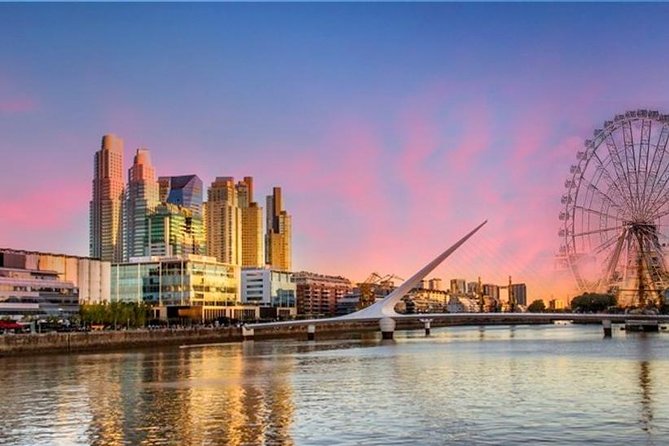
- Bag and phone snatching in Buenos Aires (particularly on the Puerto Madero waterfront, in La Boca — an area where tourist-targeted crime is specifically documented — and around the Obelisco and Florida pedestrian street)
- Pickpocketing in San Telmo market and on public transport
- ATM scams (card skimming)
La Boca: This colourful neighbourhood — famous for its painted houses on the Caminito pedestrian street — is one of Buenos Aires' tourist highlights but also one of its highest-risk areas for tourists. Visit in daylight hours, stay in the main tourist area around Caminito, and don't wander into the surrounding blocks. The area beyond the tourist core is genuinely unsafe.
Buenos Aires overall: Palermo, Recoleta, San Telmo (daytime), Puerto Madero, and Belgrano are all safe for tourists with standard urban awareness. The city is generally pedestrian-friendly and well-lit.
Patagonia: El Calafate, El Chaltén, Bariloche, and the trekking regions are extremely safe. Crime is essentially non-existent in these smaller, tourism-focused communities.
Chile — One of South America's Safest Countries
Overall safety level: Low-Moderate — among the safest countries in South America
Chile consistently ranks as one of the safest countries in South America and Latin America. Santiago is a modern, well-policed city with a functioning metro system and relatively low crime rates by regional standards.
Main risks:
- Petty theft in Santiago, particularly in the Centro (downtown) and around Mercado Central
- Opportunistic crime in tourist areas
- Urban protests: Chile has experienced significant social unrest and protests since 2019; while these have reduced in frequency, demonstrations in Santiago can occasionally turn confrontational — avoid large protest gatherings
Santiago: Providencia, Las Condes, and Vitacura are safe residential and tourist neighbourhoods. The Centro is safe by day; more care required at night. Bellavista (nightlife district) is generally safe but applies standard late-night urban awareness.
Patagonia: Puerto Natales, Punta Arenas, and the Carretera Austral are all extremely safe.
Brazil — Complex and Variable
Overall safety level: Moderate-High (significant variation by city and neighbourhood)
Brazil is South America's most visited country but also one where safety requires the most careful planning and awareness. The country's vibrant culture and extraordinary landscapes come alongside some of the continent's highest rates of violent crime in certain urban areas.
Main risks:
- Violent crime in specific urban neighbourhoods, particularly in Rio de Janeiro, São Paulo, Salvador, Fortaleza, and Recife
- Phone and bag snatching (a growing problem across Brazilian cities — many locals carry cheap "decoy phones")
- Express robberies
- Beach crime in Rio (Copacabana and Ipanema beaches see theft; don't bring valuables to the beach)
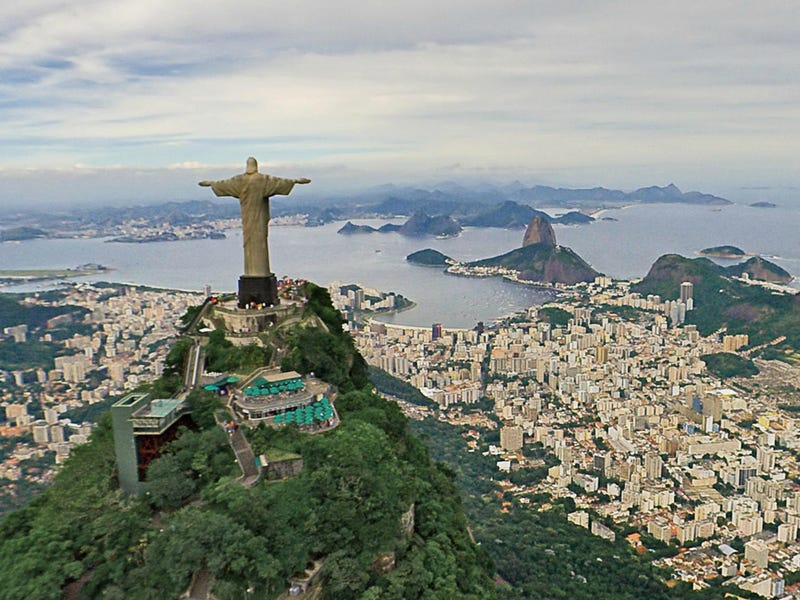
Rio de Janeiro: This is the Brazilian city that requires the most care. Ipanema and Copacabana are generally safe for tourists but theft occurs. The city centre (Centro) can be rough after dark. Favela areas vary dramatically — those with pacification programmes and established community tourism operations (like Vidigal) are relatively safe with a guide; others are genuinely dangerous. Always use Uber/app-based taxis and never hail taxis on the street.
São Paulo: Brazil's financial capital requires urban vigilance but has improved significantly in recent years. The Paulista Avenue area, Jardins, and Vila Madalena are the safest tourist neighbourhoods.
The Amazon and Pantanal: Remote wildlife destinations in Brazil are generally very safe. Crime is minimal in these areas.
Carnaval: Rio's Carnaval (February/March) is one of the great spectacles of the world but also concentrates pickpocketing and theft. Leave passports and valuables in your hotel safe, carry only what you need, and stay with groups.
Uruguay — One of South America's Safest Countries
Overall safety level: Low — among the safest destinations in South America
Uruguay is politically stable, economically relatively developed, and has a crime rate that is low by regional standards. Montevideo is a safe, walkable city by South American standards. The main beach resorts (Punta del Este, Punta del Diablo) are safe.
Main risks:
- Petty theft in Montevideo's Ciudad Vieja at night
- Standard urban property crime in the capital
Uruguay is a relaxing country to travel in from a safety perspective. The main precautions are those you would take in any European city of similar size.
Universal Safety Advice for South America
1. Use ride-sharing apps. Uber, Cabify, InDriver, or local equivalents. Never hail taxis on the street in major cities. This single precaution eliminates the most common violent crime risk affecting tourists.
2. Don't use your phone on the street. Walking while looking at your phone is a primary invitation for snatching. Step into a shop or café to check directions.
3. Keep a photocopy of your passport. Carry the photocopy; leave the original in your hotel safe. In most South American countries, a certified copy is legally sufficient for daily ID purposes.
4. Use hotel safes. Keep passports, extra cash, and backup cards locked up.
5. Don't flash expensive items. Expensive watches, jewellery, DSLR cameras on busy streets, and obvious tourist behaviour attract opportunistic attention.
6. Know where you are going before you leave. Studying a map in the street or looking confused near a bus station is a signal to those who prey on disoriented tourists. Plan routes in advance.
7. Trust your instincts. If a street or a situation feels wrong, leave. South America has remarkable people and extraordinary hospitality; the vast majority of those who approach you have entirely benign intentions. But the instinct that something is off should be respected.
8. Register with your embassy. Many governments offer travel registration services that allow them to contact you in an emergency.
9. Get travel insurance. Including emergency medical evacuation cover.
10. Check government travel advisories before departure. The UK Foreign Office (gov.uk/foreign-travel-advice), US State Department (travel.state.gov), and Australian DFAT (smartraveller.gov.au) all maintain current country-by-country assessments that reflect the latest developments.
The Bottom Line
South America is not uniquely dangerous. Millions of travellers visit every year and return with extraordinary experiences and overwhelmingly positive memories. The continent's safety challenges are real but manageable for aware, sensible travellers. Understanding the specific risks of the specific places you are visiting — rather than applying a continent-wide caution — is the intelligent approach.
Most safety incidents involving travellers are preventable with basic precautions. The traveller who uses ride apps, doesn't walk around looking at their phone, keeps valuables secure, and takes local advice about neighbourhoods to avoid will have a safe and remarkable trip.