Why the Bus Remains Central
Despite the growth of budget airlines in South America (LATAM, Sky, Jetsmart, Viva, Flybondi), the long-distance bus network remains the most practical transport option for many routes — particularly when a scenic journey, a border crossing, or an overnight saving is part of the plan. The cama (fully reclining) bus on South America's premium routes is genuinely comfortable — wider than business class on most airlines, with meals, blankets, and entertainment included on the best operators. A 14-hour overnight cama bus from Buenos Aires to Córdoba costs $20–35 and saves a night's accommodation. A flight on the same route costs $60–100 and requires airport transfers.
South America Bus Routes Guide: The Main Lines
Lima to Cusco (Peru): 21 hours by Cruz del Sur or Oltursa cama bus ($35–55). The scenery through the Andes is extraordinary — the road climbs through multiple ecosystems from the Pacific coast to the altiplano. Not the most comfortable 21 hours of your life but a genuine experience. Most travellers now fly (1 hour, $50–100) for the time saving — the Lima–Cusco bus is for those who want the overland experience.
Bogotá to Medellín (Colombia): 8 hours by Berlinas del Fonce or Flota Magdalena ($15–22). A comfortable intercity route through coffee-growing hills. Very popular — buses depart every 30 minutes throughout the day from Bogotá's Terminal del Norte.
Cusco to Puno/Bolivia (Peru/Bolivia border): The tourist bus service from Cusco to Puno (6 hours, $15–25) continues to Copacabana (Bolivia, 4 more hours) with border crossing assistance included. Highly recommended over the local bus for the Puno–Bolivia section.
Buenos Aires to Mendoza (Argentina): 14 hours, $25–45 by Andesmar or El Rapido cama. Premium Argentine cama service — fully flat seats, dinner and breakfast included.
Santiago to Buenos Aires: 20 hours through the Andes via Mendoza, $35–60. The crossing of the Andes — through the Paso Los Libertadores, with the Aconcagua massif above — is one of the great overland road crossings in South America. This route provides access to Patagonia, where you can continue south for further adventures.
Bus from Peru to Bolivia
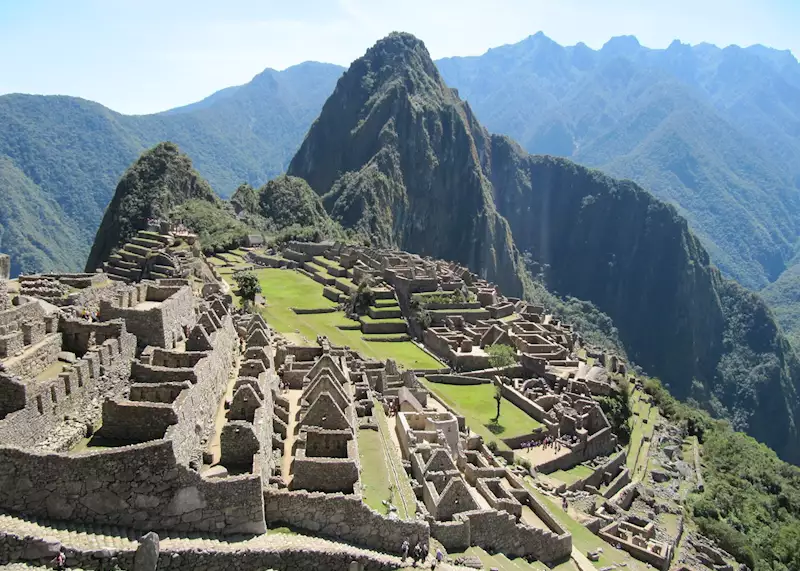
The Puno (Peru) to Copacabana (Bolivia) crossing at Desaguadero or Kasani is one of South America's most straightforward international bus crossings. Tourist bus services (Peru Hop, Titicaca Bus) handle the border crossing administration, the Lake Titicaca ferry crossing (at the Tiquina Strait, where passengers cross by boat and the bus crosses on a separate barge), and deliver you to Copacabana's main plaza. Cost: $15–25. Total time: 4–5 hours. Documents: passport required; Bolivian visa if applicable for your nationality (US citizens need a visa on arrival at $160). Many travelers use Cusco as a base to visit Machu Picchu before continuing to Bolivia.
Overnight Bus Tips
The cama bus strategy — leave at 10pm, arrive at 7am, save a night's accommodation — is one of the great budget travel techniques in South America. Practical tips: book the lower deck seats (upper deck is slightly more prone to motion sickness on mountain roads); bring a neck pillow and eye mask; keep valuables in a bag in front of you rather than in the overhead rack; confirm departure terminal in advance (many cities have multiple bus terminals); download offline entertainment before boarding — WiFi on long-distance buses is unreliable. From Colombia's major cities, you can easily reach coastal destinations like Cartagena by bus.