What Is the Lares Trek?
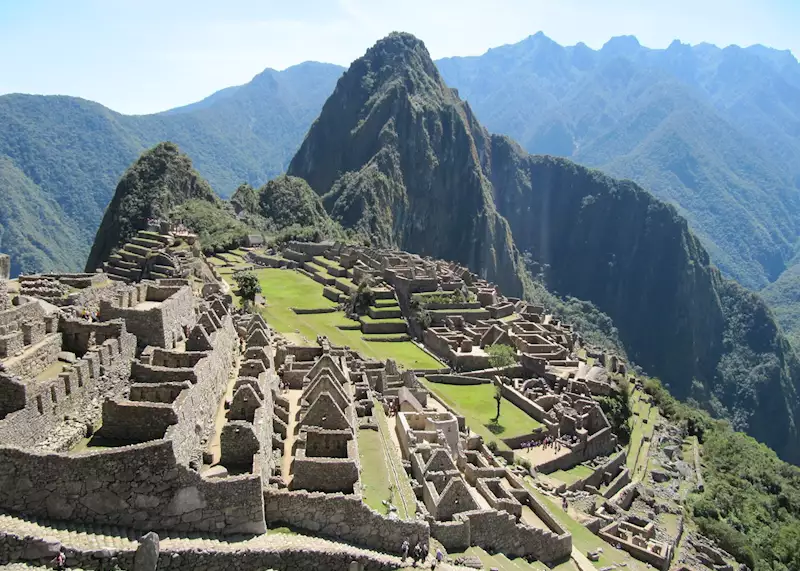
The Lares Trek is a 4-day high-altitude trekking route in the Sacred Valley region of the Peruvian Andes that ends with a train journey from Ollantaytambo to Aguas Calientes and a final day at Machu Picchu. Unlike the Inca Trail (which follows Inca stone pathways through archaeological sites) or the Salkantay (which is primarily a mountain scenery trek), the Lares is fundamentally a cultural trek — its defining characteristic is passage through remote Quechua-speaking highland communities where traditional weaving, agriculture, and pastoral practices continue largely unchanged from pre-Inca times.
The name derives from the thermal springs at Lares town, though the trek actually encompasses a much wider region of traditional communities scattered across the high valleys between the Urubamba and Yanatile rivers. Most routes follow ancient trade paths that connected highland communities with valley settlements, some predating Inca civilisation by centuries. These paths remain vital transport links for communities that still rely on llamas and pack horses for moving goods to weekly markets.
Lares Trek vs Inca Trail
The comparison most travellers make when considering the Lares is with the Inca Trail. The differences are significant. The Inca Trail passes through extraordinary archaeological sites on original Inca pathways; the Lares passes through living indigenous communities on ancient trade routes. The Inca Trail is highly regulated and sells out months ahead; the Lares requires no permit and can be booked 2–3 weeks in advance. The Inca Trail's famous Sun Gate arrival at Machu Picchu is not part of the Lares experience — you arrive at Aguas Calientes by train and ascend to Machu Picchu with the day visitors. For travellers whose primary interest is cultural immersion rather than archaeological spectacle, the Lares is the superior choice.
The Lares also offers significantly more flexibility than the Inca Trail. Routes can be modified based on weather conditions, group fitness levels, or community availability. Some operators offer 3-day variations that skip certain passes or 5-day versions that include additional community visits. The absence of strict regulations means groups can spend extra time in communities where positive connections develop naturally, rather than adhering to rigid timelines imposed by permit restrictions.
The Communities
The Lares region — centred on the town of Lares, 70km north of Cusco — is home to some of the most remote Quechua communities in the Cusco region. The women of these communities are master weavers, creating textiles using backstrap looms and natural dyes in patterns that encode family identity, community membership, and cosmological beliefs. Several Lares Trek operators work directly with these communities, incorporating genuine cultural exchanges — weaving demonstrations, shared meals, and overnight homestays — rather than the performative cultural encounters found on more commercial routes. The difference between a well-run Lares cultural programme and a tokenistic 'traditional community visit' is significant; choose an operator who has long-term community partnerships.
The primary communities encountered on standard Lares routes include Huacawasi, Cuncani, and Quiswarani. Each maintains distinct weaving traditions — Huacawasi women are known for their complex geometric patterns representing local mountains and water sources, while Cuncani specialises in intricate animal motifs including vicuñas and condors. Many families still practice reciprocal labour systems called ayni, where community members work collectively on planting and harvest activities. Visitors may witness potato harvesting using traditional foot plows, quinoa processing with ancient winnowing techniques, or the selection and preparation of medicinal plants that form the backbone of traditional healthcare in these remote areas.
Most communities maintain small schools where Spanish is taught alongside Quechua, though daily life operates almost entirely in the indigenous language. Children often serve as informal translators during community visits, and their perspectives on maintaining traditional practices while engaging with modernity provide fascinating insights into contemporary indigenous life in the Andes.
Lares Trek Difficulty Peru
The Lares Trek reaches a maximum altitude of approximately 4,450m at the highest pass — slightly higher than the Inca Trail's Dead Woman's Pass (4,215m) but lower than the Salkantay Pass (4,638m). The terrain is moderate — sustained uphill sections on good paths, with no technical sections. The main challenge is altitude; acclimatising in Cusco for 2–3 days before the trek is essential. Daily distances range from 12–18km, with 5–7 hours of walking per day. The trek is rated appropriate for reasonably fit travellers with no previous trekking experience, provided adequate acclimatisation time is taken.
The specific challenges include the initial ascent from the trailhead at approximately 3,800m to the first camp at 4,100m, typically covered on Day 1. The second day involves crossing the highest pass, requiring an early morning start to avoid afternoon weather. Descent sections can be hard on knees, particularly the steep drop toward Ollantaytambo on the final day. Trail conditions vary seasonally — during wet season (November-April), paths can be muddy and stream crossings may require careful navigation.
Unlike some Peruvian treks, the Lares maintains relatively good path definition throughout, as these routes remain in regular use by local communities. However, sections above 4,200m can experience rapid weather changes, with afternoon hail storms and morning frost possible even during dry season. The combination of altitude and unpredictable weather makes proper preparation and experienced guides essential.
Hot Springs at Lares
A highlight of the Lares route is the natural thermal springs at the town of Lares itself — a series of pools fed by geothermal water at 35–40°C, accessible after the first or second day of trekking depending on the specific route. Soaking in natural hot springs at 3,500m altitude, with Andean peaks above and the sound of the river below, is one of the great small pleasures of the Lares experience. Most operators factor the hot springs into the Day 1 or Day 2 schedule.
The springs complex includes three main pools of varying temperatures and depths, plus several smaller pools that can accommodate 2–4 people. Local families manage the facility, charging a modest entrance fee that contributes directly to community development projects. The springs operate on traditional reciprocity principles — visitors are expected to respect the space and leave it cleaner than they found it. Best soaking times are early morning before 8am or late afternoon after 5pm, when day-trip visitors from nearby villages are fewer and the setting more peaceful.
The mineral content of the springs includes sulfur and lithium, which locals believe has therapeutic properties for joint pain and skin conditions. The setting is genuinely spectacular — snow-capped peaks surround the valley, traditional stone terraces climb the mountainsides, and the only sounds are flowing water and occasional llama bells from nearby pastures.
The Train to Aguas Calientes
Unlike the Inca Trail (which arrives at Machu Picchu on foot via the Sun Gate), the Lares Trek ends with a transfer to Ollantaytambo and a train journey through the Urubamba gorge to Aguas Calientes — one of the most scenic short rail journeys in South America. The descent from the Sacred Valley into the cloud forest, with the valley walls closing in and the vegetation turning progressively more tropical, is genuinely dramatic. Most Lares Trek packages include the train ticket and accommodation in Aguas Calientes on the final trekking night.
The train journey covers 32km in approximately 1.5 hours, following the Urubamba River as it carves through increasingly narrow canyon walls. The vegetation transitions from highland grassland through temperate crops to cloud forest, with tree ferns and epiphytes becoming prominent as elevation decreases. Wildlife spotting opportunities include Andean cock-of-the-rock, spectacled bears (rarely seen but present), and various hummingbird species. The train makes no stops between Ollantaytambo and Aguas Calientes, but the route passes several impressive Inca sites including Patallacta, visible on terraces high above the river.
Two train companies operate this route — Peru Rail and Inca Rail — with several daily departures. Most Lares Trek operators book the afternoon departure around 1:30–2:30pm, arriving in Aguas Calientes with time for evening exploration of the town before the early morning ascent to Machu Picchu.
What to Pack
Packing for the Lares Trek requires balancing weight restrictions with the need for warm, waterproof gear suitable for high-altitude conditions. Essential items include a sleeping bag rated to -10°C (most operators provide these, but quality varies), waterproof jacket and trousers, insulation layers including down or synthetic fill jacket, warm hat and sun hat, waterproof gloves, and sturdy hiking boots with good ankle support. The layering system is crucial — temperatures can range from below freezing at night to 20°C during sunny afternoon sections.
Technical equipment provided by operators typically includes tents, sleeping pads, cooking equipment, and dining shelter. Personal items should include water purification tablets or UV steriliser, high-altitude sunscreen (minimum SPF 30), quality sunglasses, headlamp with extra batteries, and personal first aid supplies including altitude sickness medication. A daypack for carrying personal items during daily hikes is essential, as porters transport main luggage between camps.
Cultural sensitivity items include modest clothing for community visits — avoid shorts and revealing tops. Small gifts for community members are appropriate, but consult your operator beforehand about what's most useful. School supplies like pencils and notebooks are generally more valuable than candy or toys. A basic Spanish phrasebook can enhance community interactions, though most guides provide translation.
Camera equipment requires special consideration due to extreme temperature variations and potential moisture. Extra batteries are essential as cold conditions drain power rapidly. Ziplock bags protect electronics during stream crossings and unexpected rain showers.
Best Time to Visit
The Lares Trek operates year-round, but seasonal variations significantly impact the experience. Dry season (May through September) offers the most reliable weather, with clear mountain views, minimal rainfall, and the best conditions for photography. However, this period also brings the largest crowds to the region and higher prices for accommodation and services. Night temperatures during dry season can drop to -5°C or lower at high camps, requiring quality cold-weather gear.
Wet season (October through April) presents different trade-offs. Rainfall is frequent but usually occurs in afternoon storms rather than all-day downpours, and morning conditions are often clear and dramatic. The landscape is lush and green, wildflowers are abundant, and community agricultural activities are at their most active. Fewer tourists mean more authentic community interactions and lower overall costs. However, trail conditions can be challenging, stream crossings may require extra caution, and mountain views are often obscured by clouds.
Shoulder seasons (April-May and September-October) offer optimal conditions for many travellers — moderate weather, fewer crowds, and reasonable prices. April is particularly appealing as wet season rains have created lush conditions but haven't yet ended, while September provides clear skies before peak tourist season arrives.
Community festivals and agricultural cycles also influence timing. Potato harvest (May-June) and corn harvest (April-May) offer opportunities to witness traditional farming practices. The feast of Corpus Christi in June includes celebrations in several Lares communities, though this coincides with peak tourist season.
Practical Information
Most Lares Trek departures are from Cusco, with transport to the trailhead (approximately 2 hours). Group sizes are typically 4–12 people; smaller groups have a significantly better cultural interaction experience. The trek runs year-round, though the dry season (May–October) offers the most reliable weather. Cost ranges from $450–750 per person all-inclusive (transport, guide, porter, accommodation, meals, train to Aguas Calientes, Machu Picchu entry).
When selecting operators, prioritise those with established community partnerships over the lowest price. Responsible operators contribute directly to community development projects, employ local guides and porters at fair wages, and maintain small group sizes that minimise cultural disruption. Ask specifically about the operator's relationship with communities, porter welfare policies, and environmental practices.
Booking timing depends on season and group size. During dry season, book 3–4 weeks ahead for better operator selection and group composition. Wet season bookings can often be made with 1–2 weeks notice. Solo travellers can usually join existing departures, though private groups of 4+ people offer more scheduling flexibility and customised itineraries.
Travel insurance should cover high-altitude trekking up to 5,000m and helicopter evacuation, as medical facilities in the region are basic. The nearest hospital is in Cusco, approximately 3–4 hours by road from most trek locations. Operators should carry communication equipment and have established emergency protocols.
Tipping guidelines suggest $15–20 per person for guides, $10–15 per person for cooks, and $8–12 per person for porters, distributed at trek completion. These amounts represent significant income supplements in the local economy and recognise the challenging nature of high-altitude porter work.