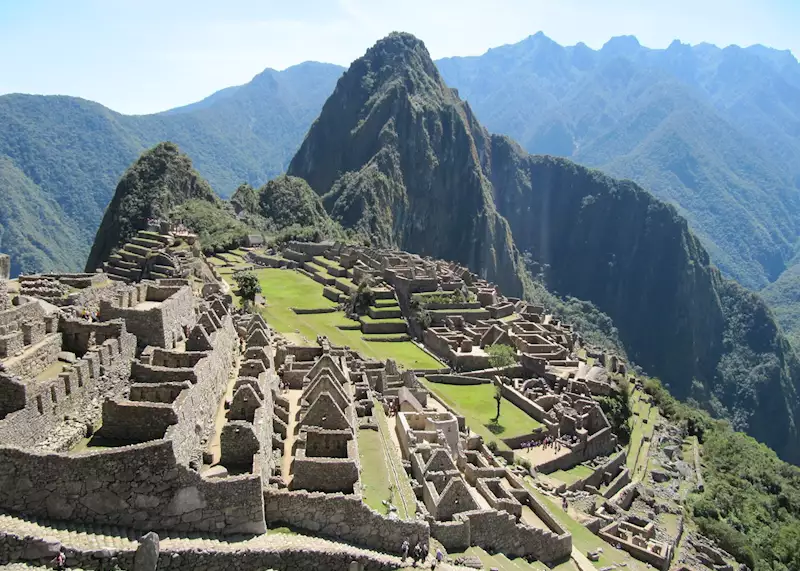
Peru is one of the great solo travel destinations in the world. The infrastructure for independent and adventure travel is well-developed, the solo traveller community is large enough that you're rarely the only one doing things alone, and the experiences on offer — from Inca Trail permits to Amazon jungle lodges, high-altitude trekking to world-class surfing — are overwhelmingly accessible to people travelling without a group. At the same time, Peru's adventure landscape has specific characteristics that affect how solo travellers should approach it differently from group travellers: permit systems that require booking through agencies, tours where a single supplement changes the economics, and remote destinations where solo travel introduces genuine safety considerations.
This guide is built specifically for solo travellers planning adventure experiences in Peru. It covers the best adventure tours that work particularly well for solos, how to avoid the single supplement trap, how to join group departures rather than paying for private, how to find other solo trekkers, and where to go for specific types of adventure — trekking, wildlife, water sports, mountaineering, and cultural immersion.
Why Peru Works Well for Solo Adventure Travel
The practical infrastructure for solo travellers in Peru is genuinely good. Cusco, the hub for most Andean adventure, has a dense concentration of hostels, cafés, and tour agencies catering explicitly to solo travellers and backpackers. The hostel scene in Miraflores and Barranco in Lima, in Cusco's San Blas neighbourhood, and in Arequipa's Santa Catalina area is vibrant and social — it's easy to connect with other solo travellers who share your interests and might want to split costs on private tours or simply join the same group departure.
The group-departure model that most Peruvian adventure tour operators use is inherently solo-friendly. For the Inca Trail, the Salkantay Trek, and most Lima-to-Amazon tour programmes, you book your spot on a shared departure, pay per person, and join a group of typically six to sixteen other travellers — often predominantly solo travellers themselves. No single supplement, no awkward group dynamics to manage, just a shared adventure with people you didn't know before and often travel well with afterward.
The key is knowing which adventures work best in this group model and which require more thought for a solo traveller.
The Inca Trail — Group Departures Are Ideal for Solos
The Inca Trail is the most famous trek in South America, and the group-departure model here is perfectly suited to solo travel. All Inca Trail trekkers must use a licensed operator, and every reputable operator runs regular group departures throughout the trekking season (roughly April through October). You book a spot on a departure, typically join a group of eight to sixteen trekkers, and spend four days on the trail together.
The social dynamic of the Inca Trail group almost always works in solo travellers' favour. The shared challenge — the altitude, the physical effort, the pre-dawn start on day four — creates camaraderie quickly. By the morning you reach the Sun Gate, a group of strangers from the first day has almost always become a tight-knit unit with genuine shared memories. Many Inca Trail groups maintain contact long after the trek ends.
For solo trekkers, the practical considerations:
Book a mid-range operator for the Inca Trail rather than budget. The reason is specific to the solo travel dynamic: mid-range operators run smaller groups (typically eight to twelve people) compared to budget operators (sometimes sixteen or more), which improves the group cohesion and the quality of guide attention. Recommended operators consistently praised for their group social dynamic include Alpaca Expeditions (known for excellent guides and moderate group sizes), Llama Path (strong porter ethics programme and good group management), and SAS Travel (a Cusco institution with decades of experience managing solo-heavy groups).
Book early — permits for peak season (June to August) sell out six to twelve months in advance. As a solo traveller, you're booking a single spot, which occasionally becomes available as last-minute cancellations fill before full group-size cancellations. But don't rely on this — plan early.
Salkantay Trek — The Best Value Solo Adventure
The Salkantay Trek, the most popular alternative to the Inca Trail, is arguably even better suited to solo travel. No permit is required (unlike the Inca Trail), which means you can book on shorter notice. Group departures are available from multiple operators in Cusco at competitive prices, and the five-day route — over the Salkantay glacier pass at 4,630m and down through cloud forest to Machu Picchu — is a better wilderness experience than the Inca Trail for trekkers who prioritise landscape over archaeological access.
Group Salkantay departures typically include a guide, accommodation (ranging from camping to mountain lodges depending on price tier), transport, and meals. Solo travellers pay the per-person rate — typically $300–550 for a five-day trip depending on accommodation tier — and join a group of six to fourteen other trekkers.
The lodge-based Salkantay (using the Sky Lodge or similar) is particularly good for solo trekkers because communal dining at mountain huts naturally facilitates conversation in a way that camping programmes sometimes don't. You're guaranteed warm meals at a shared table each evening, which is where most Salkantay friendships form.
Ausangate Circuit — For Experienced Solo Trekkers
The Ausangate circuit (detailed in a separate guide on this site) is Peru's finest high-altitude wilderness trek and is doable solo with proper preparation, but the extreme altitude (passes above 5,000m) and remote location mean it rewards careful thought for solo travellers.
The main consideration: solo trekking at 5,000m altitude in a remote area with no phone coverage and passes that are five or more hours from the nearest village creates a genuine risk profile. If you suffer a severe altitude sickness episode on a high pass, there is nobody to summon help quickly.
The practical solution for most solo trekkers: book an Ausangate guided programme from a Cusco agency rather than going fully independent. Guided Ausangate programmes of four to six trekkers provide both safety support and a social dimension that makes the experience better. Alternatively, connect with other solo trekkers in Cusco hostels who are planning Ausangate and coordinate a small group for the guideless version.
The Cusco hostel notice boards at Loki Hostel, Pariwana, and Wild Rover are the traditional places to find trekking partners. The Lonely Planet Thorntree forum and dedicated trekking Facebook groups ("Trekking Peru Solo" and similar) are increasingly useful for this purpose as well.
Amazon Jungle Adventures — Solo Logistics
The Peruvian Amazon is excellent for solo travellers because almost all jungle lodge programmes run as group experiences regardless of whether you're alone or with companions. You book a three to five day lodge programme, arrive in Puerto Maldonado or Iquitos (both accessible by flight from Lima or Cusco), and join a small group of typically four to eight other guests for guided activities.
The best Amazon region for solo travellers is Puerto Maldonado and the Tambopata Reserve. The transport infrastructure (45-minute flight from Cusco, 15-minute transfer to the lodge) is straightforward enough to manage alone, and the Rainforest Expeditions lodges (Posada Amazonas, Refugio Amazonas, Tambopata Research Center) are well-suited to solo guests with shared dining areas and structured group excursions.
Pricing in the Amazon is per-person and does not typically carry a solo supplement for the lodge itself — you pay the same rate as someone in a couple or group. If staying in a double room alone, some lodges charge a single supplement of 20–30%. To avoid this, look for dormitory-style accommodation options (available at Posada Amazonas, the most social and budget-friendly of the Rainforest Expeditions properties) or ask explicitly whether single occupancy is available at standard rates.
Iquitos as an Amazon base is better for solo travellers who want more flexibility — the city itself has a vibrant backpacker scene, multiple operators offering day trips and multi-day programmes, and easier ad-hoc itinerary adjustment compared to the structured lodge-based programmes around Puerto Maldonado.
Surfing and Coastal Adventure — Underrated Solo Options
Northern Peru has a world-class surf scene that is almost entirely unknown to most international travellers and represents one of the best-value solo adventure opportunities in South America.
Huanchaco, near the city of Trujillo, is a relaxed surf town with a long wave perfect for intermediate surfers and a strong backpacker community. Board rental is cheap (S/. 20–30 per day), surf lessons are widely available (S/. 60–80 for a two-hour lesson), and the combination of surf culture, nearby Chan Chan archaeological site (the largest pre-Columbian earthen city in the Americas), and genuinely affordable accommodation makes it an underrated solo destination.
Máncora, in far northern Peru near the Ecuadorian border, is the more vibrant coastal destination — beach bars, a younger party atmosphere, good waves, and direct bus connections from both Lima (16 hours) and Guayaquil, Ecuador (5 hours). For solo travellers moving between Peru and Ecuador, Máncora is a natural stopping point.
Chicama, near Trujillo, is famous for hosting one of the longest left-hand waves in the world — a barrel that can run for more than two kilometres when the conditions align. It's a specialist surf destination rather than a general beach resort, but for intermediate-to-advanced solo surfers, Chicama is a genuine bucket list wave.
Mountaineering and Climbing for Solo Travelers
The Cordillera Blanca, centred on the mountain town of Huaraz (eight hours north of Lima by overnight bus), is South America's premier mountaineering range and offers everything from acclimatisation hikes to serious technical climbs. For solo travellers, Huaraz is one of the most welcoming adventure hubs in Peru — the town exists almost entirely around outdoor adventure, the hostel scene is strong, and finding climbing partners is straightforward through the local guides association and hostels like Jo's Place and Casa de Zarela.
Acclimatisation treks for solos: The Santa Cruz Trek (four days, up to 4,750m) and the Laguna 69 day hike (a six-hour return hike to a stunning glacial lake at 4,600m) are ideal starting points. Both are doable solo, well-marked, and extremely popular — you will not be the only person on the trail. The Santa Cruz Trek in particular attracts large numbers of solo trekkers who often form informal groups at the trailhead.
Technical mountaineering: Climbing Chopicalqui (6,354m), Ishinca (5,530m), or Pisco (5,752m) as a solo traveller essentially requires hiring a local guide from the Casa de Guías — the local guides association in Huaraz. These are non-trivial mountaineering objectives requiring crampons, ice axe, rope, and glacier travel experience. The guides can assess your experience and match you with an appropriate climb. Costs for a two-day guided glacier peak typically run $200–350 per person including guide, equipment, and basic accommodation.
Safety as a Solo Adventure Traveler in Peru
Peru's adventure tourism areas — Cusco, Arequipa, Huaraz, Puerto Maldonado — are all significantly safer for travellers than their international reputations sometimes suggest. Petty theft (bag snatching, pickpocketing in crowded markets) is the most common issue, not violent crime. Basic precautions cover most risks: keep valuables in your accommodation safe, don't carry your passport on market days (a photocopy suffices), use registered taxis or Uber rather than hailing on the street, and avoid poorly lit areas at night.
For remote trekking as a solo traveller, tell multiple people your itinerary — your accommodation, a trekking agency, and ideally someone at home. Register with the IPerú emergency service for serious treks. Carry a basic first aid kit and know the location of the nearest medical facility from any point on your route. The specific altitude-related risks of solo trekking at Ausangate or similar elevations are covered in detail in the altitude sickness guide on this site.
Finding Other Solo Travelers in Peru
The easiest places to find trekking partners, travel companions, and local knowledge:
Cusco hostels — particularly Loki, Pariwana, Wild Rover, and Kokopelli — have active notice boards and social common areas where solo trekkers naturally cluster. Hostel-organised pub crawls and social nights (not just for drinking — they're genuinely useful for meeting people with similar adventure plans) are common.
Facebook Groups: "Inca Trail Trekkers," "Peru Travel Tips," and "South America Backpackers" all have active communities where solo travellers post looking for trek partners, share recent experience reports, and ask logistics questions.
GetYourGuide and Viator let you book individual spots on group day tours from Cusco, Arequipa, and Lima — these include tours to Rainbow Mountain, Colca Canyon, the Ballestas Islands, and many other day-trip destinations. Booking a spot on a group day tour is the easiest way to spend a day with other travellers without committing to a multi-day programme.
Peru is one of the friendliest countries in South America for solo travellers, and the adventure tourism infrastructure meets solo travellers more than halfway. Go for it.
Budgeting for Solo Adventure Travel in Peru
Solo travel in Peru is not necessarily more expensive than group travel, though some scenarios require awareness. Here's a realistic budget breakdown by adventure type.
Trekking: Inca Trail group departures: $600–1,200 per person (all-in, including permit). Salkantay group departures: $300–550 per person. Ausangate guided group: $400–700 per person. All of these are per-person prices that apply equally whether you're solo or in a group — no solo premium.
Amazon: Lodge programmes: $180–500 per person per night (all-in). Single supplement: 0–30% depending on lodge and room type. Ask specifically — many lodges waive single supplements for solo travellers or offer twin-share with another solo guest.
Mountaineering: Huaraz technical peak with guide: $200–350 per person for a two-day objective. Acclimatisation treks: self-guided at minimal cost, or $50–100 per day for a private local guide.
Daily budget in Cusco: Budget solo traveller (hostel dorm, street food, shared activities): $25–40 USD per day. Mid-range (private hostel room, restaurants, some private tours): $60–100 per day.
The honest financial reality of solo adventure travel in Peru: the major adventures (Inca Trail, Salkantay, Amazon, Ausangate) cost essentially the same per person whether you're solo or with a partner. The daily costs in Cusco and other hubs are slightly higher solo (no splitting of private taxis, no room-sharing discount) but the gap is small. For a two-week Peruvian adventure itinerary including the Inca Trail or Salkantay, Amazon lodge, and a few days exploring Cusco and the Sacred Valley, budget approximately $1,800–2,800 USD excluding international flights, depending on accommodation and comfort tier.