Three weeks is the sweet spot for South America. It is long enough to cover meaningful ground — two or three countries, a genuine range of landscapes and experiences — without the exhaustion that comes from trying to see too much too quickly. An extra week over the two-week itinerary allows you to slow down, go deeper, and have those serendipitous slow days that often become the best memories of a trip.
This guide presents three distinct three-week routes, each built around a different combination of regions and travel styles.
Route 1: The Peru–Bolivia–Argentina Classic (21 Days)
This is the most comprehensive overview of the Andean regions, combining Peru's archaeological heritage, Bolivia's extraordinary landscapes, and a taste of Argentina's urban and wine culture.
Days 1–2: Lima
Arrive in Lima and spend two days exploring the capital. Beyond the standard highlights (Centro Histórico, Larco Museum, Miraflores clifftop), with three weeks to play with you can afford a slower pace. Spend one evening at a cevichería in Lima's Surquillo market — informal, packed with locals, extraordinary food — and another at a slightly more elevated restaurant. A morning walk through Barranco, Lima's artist neighbourhood, is excellent.
Days 3–5: Cusco and Acclimatisation
Fly to Cusco and give yourself a genuine two-day acclimatisation window before doing anything strenuous. Cusco rewards slow exploration: the textile museums, the neighbourhood of San Blas with its craftspeople's workshops, the market of San Pedro, and the surrounding ruins of Sacsayhuamán (walking distance from the city centre — an extraordinary Inca fortress with views over the city) are all manageable at a leisurely pace.
Days 6–7: Sacred Valley
Two days in the Sacred Valley is better than one. Stay overnight in the valley — there are excellent lodges near Ollantaytambo — and use day six for Pisac (market on Tuesdays, Thursdays, and Sundays) and the Pisac ruins above the town. Day seven: Ollantaytambo fortress in the morning (early, before the day-trip crowds), Chinchero weaving demonstration in the afternoon.
Day 8–9: Machu Picchu
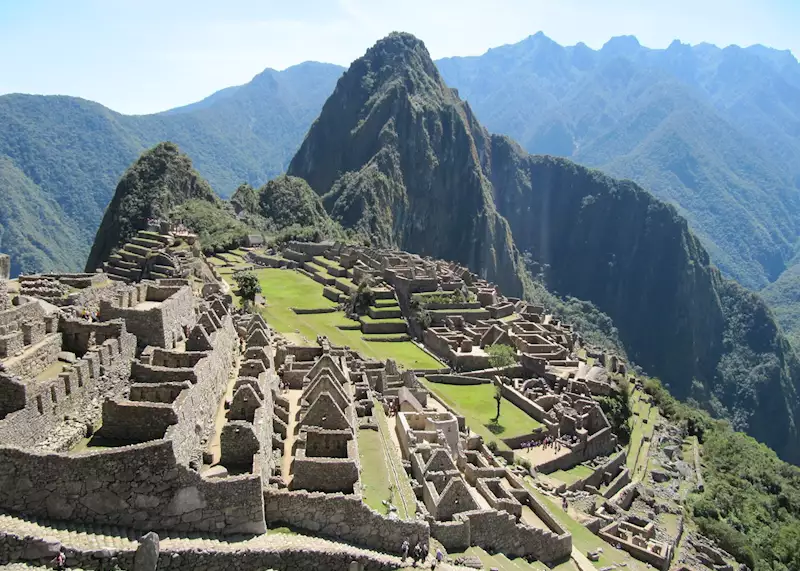
Train from Ollantaytambo to Aguas Calientes. Overnight in Aguas Calientes (budget options from $30, mid-range from $80, luxury from $300+). Day nine: Machu Picchu with first-entry ticket. With an extra day available compared to the two-week trip, consider the Huayna Picchu mountain climb (requires separate ticket, limited availability, genuinely thrilling) or a second afternoon visit to the site.
Return by train to Cusco on day nine.
Day 10: Rainbow Mountain
Early departure (4 AM) for Rainbow Mountain. Return to Cusco by 4–5 PM. Rest, good dinner.
Days 11–13: Puno and Lake Titicaca
Bus from Cusco to Puno with scenic stops. Three nights at Lake Titicaca: one afternoon on the Uros Floating Islands, a full day overnight on Amantaní or Taquile for a community homestay experience, and a morning on the return with time for the market in Puno.
Days 14–16: La Paz and Bolivia
Cross into Bolivia to La Paz. Three days allows proper exploration: the city itself (Witches' Market, Valle de la Luna — a bizarre eroded landscape on the city outskirts, the Cholita wrestling, the cable cars), plus a day trip to the Valle de la Luna or the ancient ruins of Tiwanaku (one of the most important pre-Columbian sites in South America — the centre of an empire that predated the Inca by a millennium). A day trip to Coroico — a small town in the Yungas valley at 1,700 metres, reached via the famous "Death Road" mountain bike descent — is one of the great adventure activities in Bolivia.
Days 17–18: Salar de Uyuni (Optional Detour from La Paz)
With three weeks, a two-day Uyuni extension is possible. Fly or take the overnight bus from La Paz to Uyuni, then join a one- or two-day tour of the Salar de Uyuni (the world's largest salt flat at 10,000 square kilometres) and the surrounding altiplano, which includes flamingo-filled lagoons, active geysers at 5,000 metres, and the surreal landscape of the Dali Desert (named for its resemblance to Salvador Dali's paintings). Return to La Paz by bus or flight.
Days 19–21: Buenos Aires
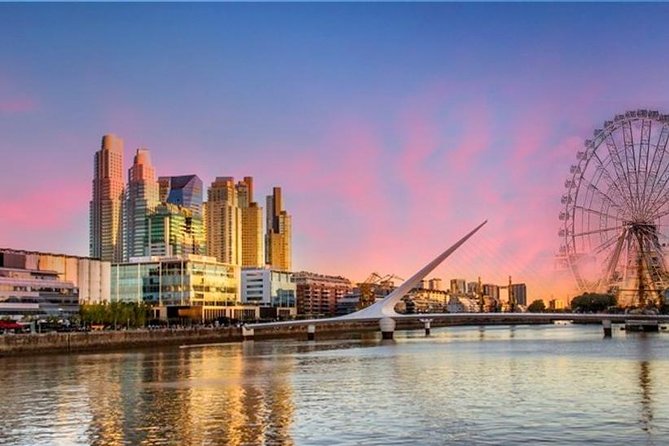
Fly from La Paz or Uyuni to Buenos Aires. Three nights in South America's greatest city: a steak and Malbec, a tango show (go to a milonga rather than a tourist dinner show for a more authentic experience), San Telmo's Sunday antiques market (the Feria de San Telmo is magnificent), and an afternoon in Palermo's parks and restaurant strip. Day 21: day trip across the Río de la Plata by Buquebus ferry to Colonia del Sacramento in Uruguay — a UNESCO colonial gem two and a half hours away — and back in time for dinner.
Route 2: Colombia–Ecuador–Peru (21 Days)
A north-to-south Andean spine combining Colombia's vibrant cities with Ecuador's diverse landscapes and Peru's archaeological heritage.
Days 1–3: Bogotá
Arrive in Bogotá, Colombia's high-altitude capital (2,600 metres). Three days: the Centro Histórico (La Candelaria), the Gold Museum (Museo del Oro — the most extraordinary collection of pre-Columbian gold artefacts in the world), the Botero Museum (works by Colombia's most famous artist), street food and coffee in the Usaquén neighbourhood. Day trip to the spectacular Salt Cathedral at Zipaquirá — an underground cathedral carved into a salt mine 49 kilometres north of the city.
Days 4–6: Medellín and Guatapé
Fly to Medellín (1 hour). Explore the city's transformation: the comunas, the Metrocable, El Poblado. Day trip to Guatapé (three hours by bus) — the colourful lakeside town and the 740-step climb up El Peñón for extraordinary views.
Spend an evening at a salsa club in Laureles for a genuinely Colombian nightlife experience.
Days 7–9: Coffee Region (Eje Cafetero)
Bus from Medellín to the Coffee Region (approximately five hours to Salento or Manizales). The Eje Cafetero — the Axis of Coffee — is one of Colombia's most beautiful and underrated regions: rolling hills covered in banana trees and coffee plantations, traditional paisa architecture (the brightly painted wooden balconied houses are UNESCO-listed as part of the Coffee Cultural Landscape), and the extraordinary Cocora Valley near Salento, home to the wax palm — Colombia's national tree, growing to 60 metres, the world's tallest palm, visible in a dramatic highland valley.
A coffee farm visit — explaining the full process from seedling to cup — and a cup of freshly roasted single-origin from the farm that grew it are essential experiences.
Days 10–11: Quito, Ecuador
Fly from Armenia or Pereira (Coffee Region airports) to Quito. Two days: Centro Histórico, Mitad del Mundo equator site, the enormous Basilica del Voto Nacional (climb the towers for panoramic views), and the Mercado Central for almuerzo (set lunch) — a three-course meal for $3–4 that is one of travel's great bargains.
Days 12–13: Cotopaxi and Quilotoa Loop
Day trip to Cotopaxi National Park (one hour from Quito): the perfectly conical Cotopaxi volcano at 5,897 metres is one of the most beautiful mountains in the world. Drive through the national park, hike to the José Rivas refuge at 4,800 metres for extraordinary views, and watch condors if the weather cooperates.
Day trip to Quilotoa: a turquoise crater lake at 3,914 metres altitude, reached through a market town circuit (the Quilotoa Loop, popular for trekkers spending three to five days walking village to village). For those without time for the full loop, a day trip to the crater rim is still magnificent.
Days 14–15: Cuenca
Bus south from Quito to Cuenca (approximately five hours, or fly). Cuenca is Ecuador's third city and arguably its most beautiful — a preserved colonial centre of blue-domed churches, flower markets, and the broad Tomebamba River running along the edge of the old town. It is a remarkably relaxed, cultured city with excellent Panama hat shopping (the hats are genuinely made in Ecuador, not Panama — Cuenca is the centre of production).
Days 16–17: Guayaquil and Galápagos Transit
Fly from Cuenca to Guayaquil (Ecuador's coast), then to the Galápagos Islands (1.5 hours). Two days is the minimum for a Galápagos taste — Santa Cruz island, the Charles Darwin Research Station, Tortuga Bay (a pristine beach with marine iguanas and sharks in the shallows), and the giant tortoise reserve in the highlands. Limited time means skipping the cruise and doing land-based day trips, which are excellent around Santa Cruz.
Days 18–21: Lima and the Coast
Fly from the Galápagos back to Quito, then Lima (or direct Lima connection depending on airlines). Three nights in Lima: Miraflores, the Larco Museum, dinner at a restaurant on the clifftop, a day trip to the desert sand dunes of Huacachina (approximately 300 km south of Lima by bus) for sandboarding and sunset dune walks.
Route 3: Brazil and Southern Cone (21 Days)
For those drawn to Brazil's coastal cities and Patagonia's landscapes.
Days 1–3: Rio de Janeiro
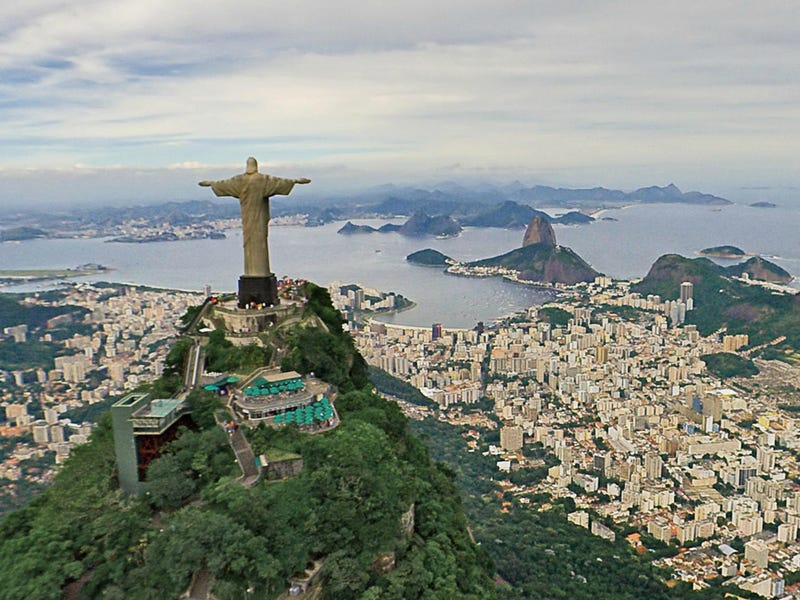
Arrive in Rio. Three days: Sugarloaf Mountain (Pão de Açúcar) and the cable car to the summit, Christ the Redeemer (book tickets in advance; go early before the crowds), the beaches of Ipanema and Copacabana, a samba night in Lapa, and the Santa Teresa neighbourhood's cobblestoned hilltop streets and bar scene.
Safety note: Rio requires more urban awareness than most South American cities. Keep valuables secure, use ride apps rather than street taxis, and take advice from your accommodation about which areas to avoid.
Days 4–5: Iguazú Falls
Fly from Rio to Foz do Iguaçu (Brazilian side) — one of the world's most spectacular waterfalls, wider than Niagara and arguably more dramatic. See the falls from both the Brazilian side (panoramic overview) and the Argentine side (close-up walkways into the spray). Two full days is appropriate. The Devil's Throat (Garganta del Diablo) — a horseshoe-shaped chasm where the most powerful section of the falls plunges — is among the most extraordinary natural spectacles on Earth.
Days 6–7: Buenos Aires
Fly from Foz to Buenos Aires. Two days: San Telmo, the Sunday antiques fair, La Boca, a proper parilla dinner, and a milonga for tango.
Days 8–10: Mendoza Wine Country
Fly from Buenos Aires to Mendoza (1.5 hours). Three days: winery visits by bicycle in Maipú district, a Valle de Uco full-day tour (the premium wine appellation, further from the city), and a day spent at the base of the Andes — a hike in the foothills, horseback riding, or the full-day Aconcagua base camp trek for the very fit.
Days 11–14: El Calafate and Torres del Paine
Fly from Mendoza to El Calafate (Perito Moreno Glacier — two days), then bus to Puerto Natales, Chile, for two days of Torres del Paine hiking: the Torres day hike and one additional circuit.
Days 15–17: El Chaltén
Bus from Puerto Natales to El Chaltén via border crossing. Three days hiking the Fitz Roy trails — enough for Laguna de los Tres, Laguna Torre, and the Piedras Blancas viewpoint.
Days 18–21: Buenos Aires or Santiago Return
Return to Buenos Aires (flight from El Calafate) for final nights and international connection, or fly to Santiago, Chile and explore briefly before departure.
Three-Week South America Planning Tips
Don't over-schedule. Three weeks feels long but passes quickly. Allow for weather delays in Patagonia (flights frequently cancel), altitude adjustment days in the Andes, and the occasional spontaneous diversion.
Book the non-negotiables far ahead. Machu Picchu tickets, Inca Trail permits (if doing the trek rather than visiting by train), peak-season Torres del Paine refugio bookings, and Galápagos cruises all require significant advance booking. Everything else is flexible.
Use overnight buses strategically. South America has an excellent long-distance bus culture. Cama (bed) class buses on routes like Lima–Cusco (though most travellers now fly), Buenos Aires–Mendoza, and Cusco–Puno are comfortable, and overnight journeys save a hotel night.
Travel insurance is essential. Medical evacuation from remote areas (Patagonia, the Amazon, high altitude Andes) can cost tens of thousands of dollars. Comprehensive travel insurance including emergency medical evacuation is non-negotiable.
Embrace the pace. Three weeks in South America will give you a foundation and a hunger to return. That is the ideal outcome.