Yellow fever is one of the most important health considerations for travellers to South America, and it is also one of the most misunderstood. Some travellers get vaccinated unnecessarily for destinations where risk is negligible; others skip vaccination for areas where it is recommended — or even required — and find themselves turned away at borders or, more seriously, exposed to a disease that kills a significant proportion of those who develop severe illness.
This guide covers everything you need to know: what yellow fever is, which South American countries require or recommend vaccination, what the vaccine involves, and how to handle the practicalities of documentation and timing.
Important disclaimer: This guide provides general travel health information but is not a substitute for medical advice. Consult a registered travel health clinic or your doctor before travelling to areas with yellow fever risk. Recommendations change, and your individual health circumstances may affect vaccination suitability.
What Is Yellow Fever?
Yellow fever is a viral haemorrhagic disease transmitted by the bite of infected mosquitoes, primarily the Aedes aegypti species (the same mosquito responsible for dengue and Zika). The disease is endemic in tropical areas of sub-Saharan Africa and South America.
Most people infected with yellow fever have mild or no symptoms. Approximately 15% of those infected develop a more severe form of the disease, which can cause high fever, jaundice (the "yellow" of yellow fever — affecting the skin and eyes), kidney failure, bleeding, and death. Of those who develop severe disease, approximately 20–50% die. There is no specific antiviral treatment for yellow fever; management is supportive. Vaccination is by far the most effective protective measure.
The yellow fever vaccine is a live attenuated (weakened) vaccine that provides excellent, long-lasting protection. A single dose provides immunity for life in most recipients. The WHO updated its recommendation in 2013 from ten-year boosters to a lifetime single dose for most people.
Which South American Countries Have Yellow Fever Risk?
Yellow fever is endemic in the tropical and subtropical regions of South America, primarily in the Amazon Basin and adjacent tropical lowlands. The risk is not uniform — it varies by country, region, and season.
High-Risk Countries (Vaccination Recommended)
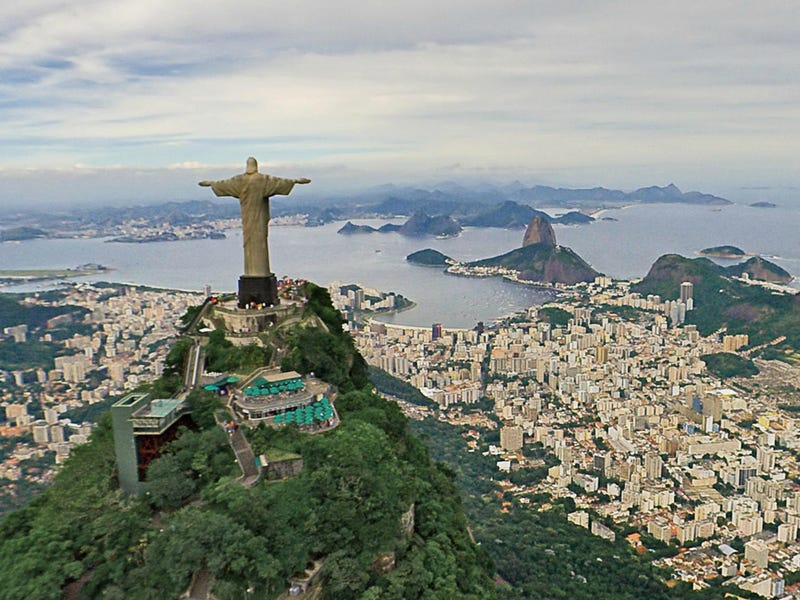
Brazil: Yellow fever is endemic in the Amazon and neighbouring forest areas. The risk area covers most of Brazil's interior, including Mato Grosso (Pantanal), Mato Grosso do Sul, Pará, Amazonas, Acre, Rondônia, Roraima, Amapá, Tocantins, Goiás, Minas Gerais, São Paulo, Paraná, Santa Catarina, and Rio Grande do Sul. Major coastal tourist cities (Rio de Janeiro, Salvador, Recife, Florianópolis) are included in the current recommended vaccination zone — this is a change from older guidance. The UK, US, and Australian health authorities now recommend vaccination for all travellers to Brazil except those visiting only certain high-altitude areas.
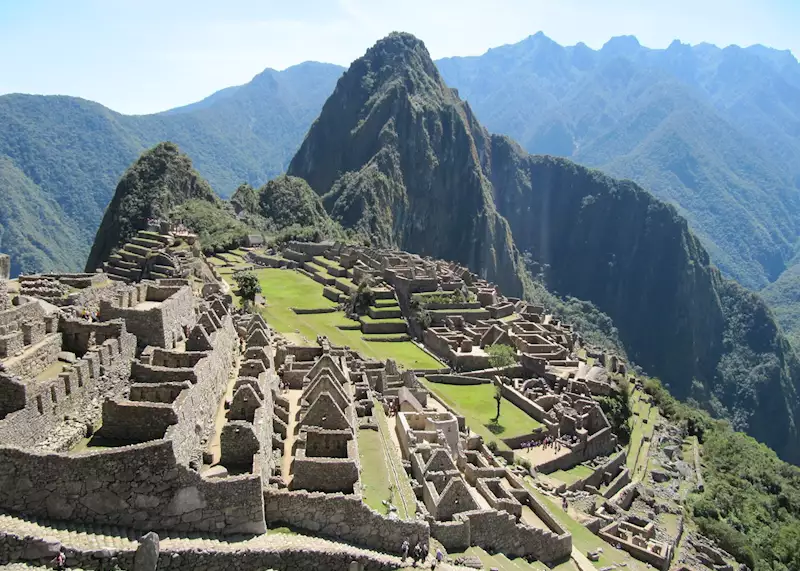
Peru: Vaccination recommended for travellers visiting the Amazon region (including Iquitos, Puerto Maldonado, and Manu) and jungle areas east of the Andes. Travellers visiting only Lima, Machu Picchu, Cusco, and the coastal cities are generally considered to be in low or no-risk zones, but check current guidelines as this varies by authority.
Bolivia: Vaccination recommended for travellers visiting the Amazon basin areas (Beni, Santa Cruz, Cochabamba, Chuquisaca, and Tarija departments). Not required for La Paz, Uyuni, or high-altitude areas.
Colombia: Vaccination recommended for areas below 2,300 metres — which includes most of the Amazon and Llanos regions, the Pacific coast, and the Chocó. Cartagena, Medellín, Bogotá, and the coffee region are generally considered low-risk; however, several vaccination authorities recommend vaccination for all travellers to Colombia below 2,300 metres.
Ecuador: Vaccination recommended for the Amazon basin (Oriente) and areas east and west of the Andes below 2,300 metres. No risk in Quito (2,850 metres), Cuenca (2,560 metres), or the Galápagos Islands.
Venezuela: Vaccination recommended for the forest interior and Llanos region. Venezuela has limited tourist infrastructure at present.
Paraguay: Vaccination recommended for forest areas in the eastern departments bordering Brazil.
Trinidad and Tobago: Vaccination recommended.
French Guiana: Vaccination is required for entry (see below).
Guyana and Suriname: Vaccination recommended.
Countries With No Significant Risk (Vaccination Generally Not Required)
Argentina: Yellow fever risk exists only in a small area of Misiones province, near the Brazilian border. Most of Argentina — including Buenos Aires, Mendoza, Patagonia, Salta, and the northwest — has no yellow fever risk, and vaccination is not recommended for travellers to these areas.
Chile: No yellow fever risk anywhere in Chile.
Uruguay: No yellow fever risk.
The Galápagos Islands (Ecuador): No yellow fever risk.
Which Countries Require Proof of Vaccination for Entry?
A crucial distinction: some countries *recommend* yellow fever vaccination for your safety; others *require* proof of vaccination as a condition of entry, particularly if you are arriving from or travelling through a yellow fever-endemic country.
Countries That May Require Proof
French Guiana: Vaccination is mandatory for all travellers over one year of age, regardless of origin.
Brazil, Peru, Bolivia, Colombia, Ecuador, and others: These countries may require proof of yellow fever vaccination if you are arriving from or have recently visited another yellow fever-endemic country (which includes most of sub-Saharan Africa and several South American countries). If you travel between multiple South American countries, carry your vaccination certificate.
Argentina: Requires proof of vaccination from travellers arriving from endemic areas, including most neighbouring South American countries with yellow fever risk.
The International Certificate of Vaccination (Carte Jaune)
The official proof of yellow fever vaccination is the International Certificate of Vaccination or Prophylaxis (ICVP), commonly known as the Carte Jaune (Yellow Card) due to its distinctive yellow cover. This is a standardised international document issued at the time of vaccination by an authorised yellow fever vaccination centre. You should:
- Receive this document when vaccinated and keep it with your passport
- Carry it throughout your South America trip
- Present it at border crossings when requested
The certificate becomes valid ten days after vaccination (allowing the immune response to develop) and — under current WHO guidelines — is valid for life. Older certificates showing a ten-year validity date are still accepted; the lifetime validity applies from the 2016 update to international regulations.
Important: A photocopy or digital image of the certificate is generally not accepted. Carry the original.
The Vaccine: What to Know Before You Get It
Who Should Get Vaccinated
The yellow fever vaccine is highly effective and generally safe. It is recommended for:
- Travellers to any country or region with yellow fever risk
- Anyone transiting through an endemic country, even briefly in some cases
- Anyone who may travel to endemic regions in the future (since the vaccine is now considered lifetime protection)
Who Should Be Cautious or Avoid Vaccination
The yellow fever vaccine is a live vaccine and is not suitable for everyone. Groups who should discuss their suitability carefully with a medical professional before vaccination:
- Infants under 6 months: Should not be vaccinated
- Infants 6–9 months: Vaccination generally not recommended except in very high-risk areas; consult a doctor
- Pregnant women: The vaccine is generally avoided during pregnancy unless travel to a high-risk area is unavoidable
- Immunocompromised individuals: Including those with HIV/AIDS, transplant recipients, those on immunosuppressive medications, and those with haematological cancers. The live vaccine can cause serious complications. Discuss with a specialist.
- Thymus disorders: A history of thymus removal or certain thymus conditions is a contraindication
- Serious egg allergy: The vaccine is grown in embryonated eggs; severe egg allergy may be a contraindication in some formulations
- Over 60 without prior vaccination: Generally still safe, but slightly higher risk of rare serious adverse events; discuss with a doctor
Side Effects
Most people experience mild side effects: sore arm, mild headache, low-grade fever, and fatigue for two to five days after vaccination. These are signs of the immune response and are not cause for concern.
Serious adverse events are rare:
- Yellow fever vaccine-associated neurotropic disease (YEL-AND): Estimated risk approximately 0.4–0.8 per 100,000 doses
- Yellow fever vaccine-associated viscerotropic disease (YEL-AVD): Estimated risk approximately 0.4–1.3 per 100,000 doses; can be fatal
These serious events are extremely rare but are the reason vaccination should be targeted at those who actually face yellow fever risk, rather than given universally.
Where to Get Vaccinated
Yellow fever vaccination must be administered at an authorised vaccination centre — a clinic officially registered to administer the vaccine and issue the international certificate. In most countries, this means:
- Travel health clinics (private travel medicine clinics)
- Certain GP practices with travel health accreditation
- Public health centres or vaccination programs in some countries
In the UK: designated Yellow Fever Vaccination Centres (search at nathnac.net). In Australia: DFAT-registered travel medicine clinics; many GP practices are authorised. In the US: Registered Yellow Fever Vaccination Clinics (search at cdc.gov/travel).
Cost: In the UK, the yellow fever vaccine is not available on the NHS for travel purposes and must be paid for privately. Cost is approximately £50–80 at most travel clinics. In Australia, it is typically $100–150 AUD. In the US, approximately $150–300 depending on the clinic.
Timing
The vaccine takes ten days to become effective (the Carte Jaune is not valid until ten days after vaccination). Plan to be vaccinated at least two to three weeks before departure to allow for this and to have time to seek advice if you have a reaction.
What If You Can't Be Vaccinated?
If yellow fever vaccination is medically contraindicated for you, an authorised medical professional can issue a medical exemption letter. Note that this exemption is not guaranteed to be accepted at all borders — particularly French Guiana, which requires vaccination for all travellers over one year of age. Countries with strict entry requirements may or may not honour exemptions.
If you cannot be vaccinated:
- Discuss alternative itineraries that avoid high-risk areas
- Use rigorous mosquito avoidance measures (long sleeves, DEET repellent, mosquito nets, permethrin-treated clothing) in endemic areas
- Consult a specialist travel medicine practitioner for personalised advice
Yellow Fever and Common South America Itineraries
Peru — Machu Picchu/Cusco Circuit
Vaccination generally not required for a trip limited to Lima, Cusco, Sacred Valley, and Machu Picchu. If your trip extends to the Amazon (Puerto Maldonado, Iquitos, Manu), vaccination is recommended.
Bolivia — La Paz/Uyuni
Vaccination not required for La Paz, Uyuni, and the high-altitude Altiplano. Required/recommended if visiting lowland Amazon or Beni department.
Colombia — Cartagena/Medellín/Bogotá
These cities are generally at or above 2,300 metres or are coastal cities in areas with low mosquito density. Vaccination is not universally required for the standard tourist circuit, but authorities vary — UK guidelines now recommend vaccination for most areas of Colombia below 2,300 metres.
Brazil — Rio de Janeiro/Iguazú/Pantanal
Vaccination recommended for all of Brazil under current major health authority guidelines (UK, US, Australia). This includes Rio de Janeiro, which is now in the recommended zone.
Argentina
No vaccination required for Buenos Aires, Mendoza, Patagonia, or most of the country. Required only for Misiones province near the Brazilian border.
Ecuador — Quito/Galápagos
No vaccination required for Quito (high altitude) or the Galápagos. Required/recommended if visiting the Oriente (Amazon lowlands).
Summary Table
| Country | Vaccination Required for Entry? | Vaccination Recommended? | Notes |
|---|---|---|---|
| Brazil | From endemic countries | Yes (most areas) | All of Brazil now in recommended zone |
| Peru | From endemic countries | For Amazon regions | Not required for Lima/Cusco/Machu Picchu only |
| Bolivia | From endemic countries | For lowland Amazon areas | Not for La Paz/Uyuni |
| Colombia | From endemic countries | Most areas below 2,300m | Check current guidance |
| Ecuador | From endemic countries | Amazon/lowland areas | Not for Quito/Galápagos |
| French Guiana | Yes — mandatory | Yes | No exceptions except medical exemption |
| Argentina | From endemic countries | Misiones province only | Not for most of the country |
| Chile | No | No | No yellow fever risk |
| Uruguay | No | No | No yellow fever risk |
Final Advice
If you are visiting any country in South America with yellow fever risk, get vaccinated. The vaccine is safe for most people, highly effective, and now considered lifetime protection from a single dose. The disease it prevents can be fatal.
Book your travel health appointment at least four to six weeks before departure — not only to allow the vaccine to take effect, but because travel clinics can be busy, and good pre-travel medical appointments cover multiple health needs (malaria prophylaxis, hepatitis A and B, typhoid, tetanus, and specific advice for your itinerary).
Keep your Carte Jaune with your passport throughout your trip. You may never be asked for it. But the one time you are asked — at a land border crossing in French Guiana, or arriving in Buenos Aires from Brazil — you will be very glad to have it.