The Colombian Food Landscape
Colombian cuisine is not as internationally celebrated as Peruvian or Argentine food, but it is rich, regionally diverse, and at the street and market level, extraordinarily good value and quality. Each region has its own culinary identity: the coastal Caribbean cuisine of Cartagena is distinct from the highland Andean food of Bogotá and the paisa (Antioqueño) tradition of Medellín. The street food tradition reflects this diversity — a visitor who eats from markets and street vendors rather than tourist restaurants will encounter a genuinely impressive range of flavours.
Arepas: Colombia's Essential Street Food
The arepa — a ground corn cake griddle-fried or baked — is the foundation of Colombian street eating. Unlike the Venezuelan arepa (thick and stuffed), the Colombian arepa is typically thinner, topped or simply served alongside everything. The arepa de choclo (sweet corn arepa with cheese inside, griddled until the outside chars slightly) is one of the great simple foods of South America. In Medellín, the paisa tradition produces the arepa paisa — plain, slightly larger, always present alongside every meal. In Bogotá, the arepa de huevo (egg-stuffed arepa, deep-fried) is the street breakfast of choice. On the Caribbean coast, the arepa de huevo is thicker and crisper.
Bandeja Paisa: The Antioqueño National Plate
The bandeja paisa is Medellín's signature dish and one of the most generously proportioned plates in South America: a tray containing red beans, white rice, chicharrón (crispy pork belly), minced beef, chorizo, fried egg, avocado, arepa, and fried sweet plantain — all simultaneously. It is not a light lunch. It is the almuerzo corriente (set lunch) of Antioquia in its maximum expression and costs $4–7 at any local restaurant in Medellín. Order it once; it tells you everything about the paisa character — generous, hearty, and unapologetically large.
Best Colombian Food to Try: Bogotá
Changua: Bogotá's traditional breakfast — a milk soup with egg and bread (stale), seasoned with spring onion. Sounds unpromising; tastes warming and distinctly highland Colombian. Order it at any traditional Bogotá café or market comedor at 7am.
Ajiaco: The capital's signature dish — a thick chicken and potato soup (three types of potato simultaneously: papa criolla, papa pastusa, and papa sabanera) with corn, guascas herbs, and cream. The guascas (a dried herb found only in Andean Colombia) gives it a unique flavour impossible to replicate elsewhere. Available at the Mercado de Paloquemao and traditional Bogotá restaurants.
Obleas: Thin wafer sandwiches filled with arequipe (Colombian dulce de leche), cream, and fruit — sold from street carts throughout Bogotá's parks and markets for $1–2.
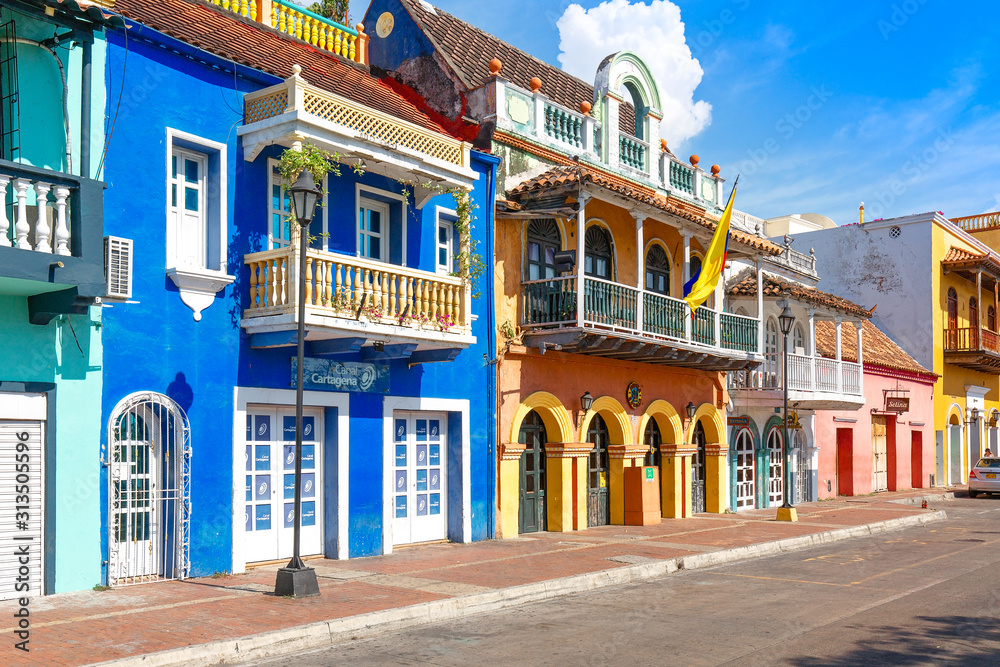
Cartagena Street Food Guide
The Caribbean coast's street food is lighter, more tropical, and more influenced by African culinary traditions than the highland food. Patacones: Twice-fried green plantain pressed flat — served topped with hogao (tomato and onion sauce), cheese, or seafood. The perfect Caribbean beer accompaniment. Cocadas: Coconut sweets (soft white or dark caramelised) sold on the streets of the old city by women in traditional dress — the most photogenic street food transaction in Colombia. Cholado: A layered cup of shaved ice with tropical fruit, arequipe, condensed milk, and fruit syrup — the Caribbean coast's answer to the heat.