What Is Tayrona National Park?
Tayrona National Natural Park covers 150 square kilometres of the Sierra Nevada de Santa Marta's Caribbean coastline — a protected zone where the foothills of the world's highest coastal mountain range descend directly to the Caribbean Sea through dense jungle. The park's beaches — Cabo San Juan, Arrecifes, La Piscina, Playa Brava — are among the most beautiful in Colombia, combining clear turquoise water, white sand, and a dramatic jungle backdrop that most Caribbean destinations entirely lack. Pre-Columbian Tairona ceremonial sites, accessed by jungle trails, add an archaeological dimension rare in beach destinations. The park receives approximately 500,000 visitors per year, making advance booking essential during Colombian holiday periods.
Tayrona National Park Beaches
Cabo San Juan del Guía is the park's most celebrated beach — a double cove with a rocky promontory dividing calm water (La Piscina side, safe for swimming) from a more exposed bay. The promontory has a traditional palapa restaurant and a camping area with hammocks strung in a clifftop shelter. Arrive early or stay overnight to have it to yourself — the morning and evening light is extraordinary. Arrecifes is the longest beach in the park and the most easily reached from the main park entrance (2km, 30-minute walk) — the water here has a strong rip current and swimming is officially prohibited, though it is often ignored. La Piscina ('The Swimming Pool') is a calm protected cove ideal for families and non-swimmers. Playa Brava, accessible from Cabo San Juan by a 30-minute cliff walk, is a wilder and more exposed beach with fewer visitors.
How to Get to Tayrona from Cartagena
Santa Marta is the gateway city — 220km from Cartagena by bus (3.5 hours, $8–12) or taxi. From Santa Marta's Mercado Público, minibuses depart for the El Zaino park entrance approximately every 30 minutes ($2, 1 hour). From El Zaino, the main park entrance is a 10-minute walk, after which the trail to Cabo San Juan takes 1.5–2 hours on foot through jungle. Alternatively, horse rental ($20–30 one-way) is available at the entrance for those who want to carry packs to the beach more easily.
Tayrona Park Entrance Fee
Entry to Tayrona National Park costs approximately 59,000 COP ($15 USD) for foreign visitors, payable at the El Zaino entrance. The park requires advance online booking during Colombian holiday periods (January, Easter Week, June–July, December) — without a booking confirmation, entry may be denied at peak times. Book through the Parques Nacionales Naturales de Colombia website. The park closes annually for ecological recovery, typically in February for 2–4 weeks — check dates before planning your visit.
Accommodation: Hammock Camping at Cabo San Juan
Overnight stays in the park are either hammock camping at Cabo San Juan (the most atmospheric option — sleeping in a hammock under a palm roof on a Caribbean cliff, with the sound of the sea below) or eco-lodges within the park grounds. Hammocks at Cabo San Juan cost $15–20/night and include a basic dinner and breakfast. Eco-Habs (luxury treehouses) and Arrecifes campsite offer alternatives at higher price points. Booking 2–4 weeks ahead is recommended; during Colombian holidays, months ahead. One night in the park is the minimum to experience it properly — the morning beaches before the day visitors arrive are a completely different experience from the midday crowds.
The Ciudad Perdida Connection
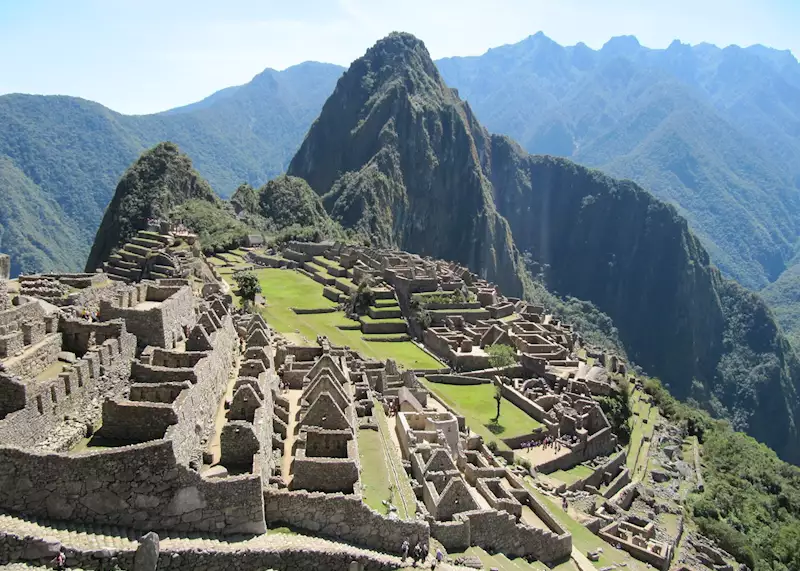
The Lost City (Ciudad Perdida) — a Tairona ceremonial city of 169 terraces built around 800 CE and rediscovered only in 1972 — is accessible from Santa Marta as a 4–6 day jungle trek. It is one of the finest archaeological and trekking experiences in Colombia and pairs naturally with a Tayrona visit in a 10-day Santa Marta itinerary. The trek costs $350–450 all-inclusive and must be done through a licensed Santa Marta operator. Many travelers combine this with other world-famous South American treks like Machu Picchu, creating an epic archaeological adventure across the continent.