The Short Answer
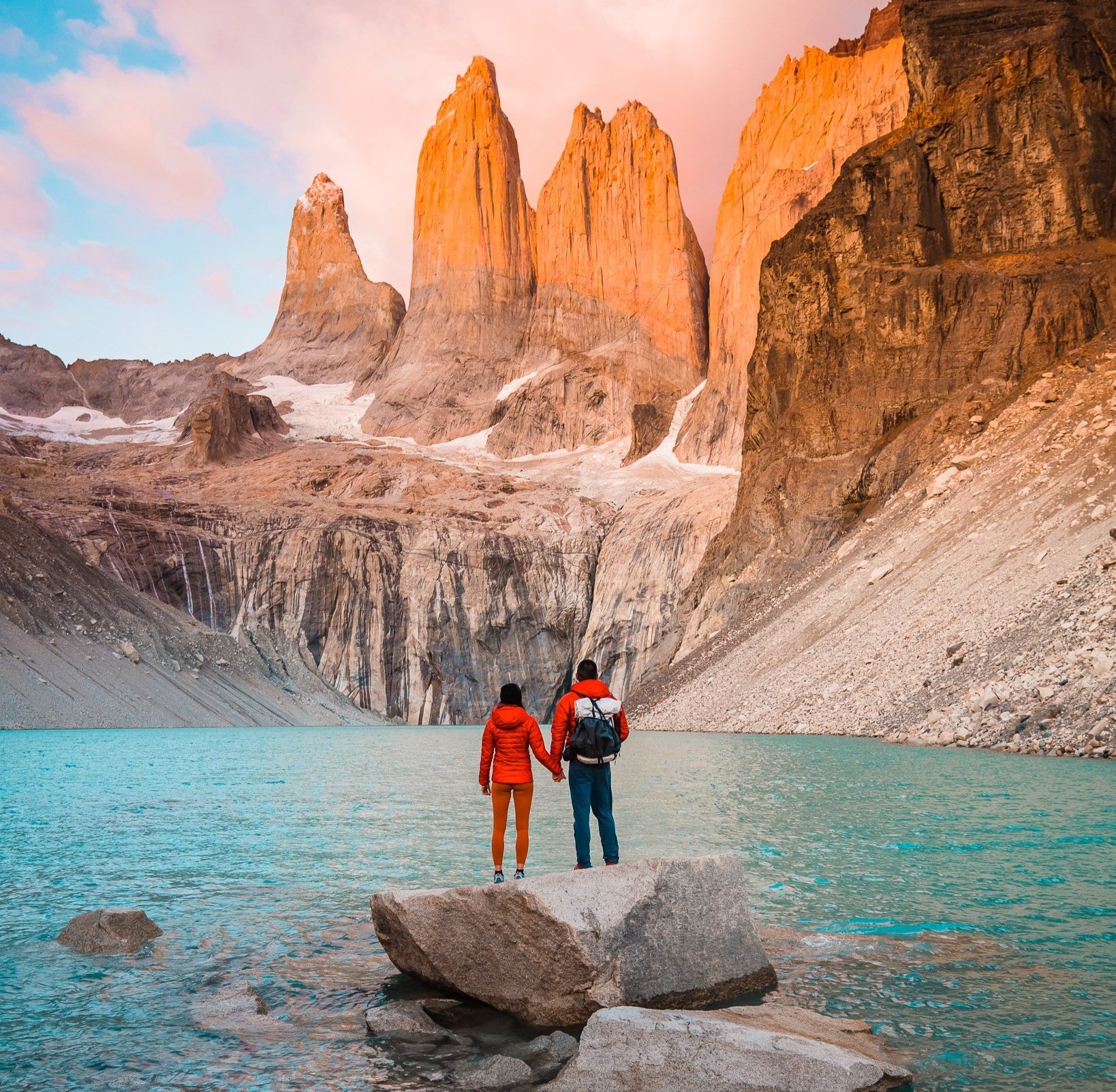
Yes — self-guided trekking in Torres del Paine is not only possible but the way most independent trekkers experience the W Trek and O Circuit. There is no legal requirement for a guide on any trail in the park (unlike the Machu Picchu area in Peru). The trails are well-marked, the refugio network provides accommodation and meals, and the CONAF ranger system means you are never completely without support. What self-guided Patagonia trekking requires is: advance booking of all refugios and campsites (the single most critical logistical step), familiarity with the booking systems, a realistic understanding of Patagonian weather, and basic navigation confidence.
Independent trekking in Patagonia extends beyond Torres del Paine to include El Calafate's Fitz Roy circuit, the remote Dientes de Navarino trek on Isla Navarino, and numerous day hikes throughout both Chilean and Argentine Patagonia. Each region has different requirements and infrastructure levels, but the fundamental principle remains: with proper preparation and respect for the environment, self-guided trekking is the norm rather than the exception throughout Patagonia.
CONAF and the Booking System
CONAF (Corporación Nacional Forestal) administers Torres del Paine National Park and requires all visitors to pre-book their refugio or campsite accommodation before entering. The booking systems are operated by two private concessionaires: Vertice Patagonia (runs the western section refugios and campsites — Paine Grande, Grey, Dickson) and Fantastico Sur (runs the eastern section — Chileno, Central, Los Cuernos). Both open bookings for the following season on August 1 each year. For December–February peak season dates, book on August 1 — the most popular sites fill within days of opening. For shoulder season (November, March), 4–6 weeks notice is typically sufficient. Book directly through the operators' websites; third-party booking platforms add significant markups.
The booking process requires creating accounts with both operators and understanding the camp code system. Each campsite has a specific code (Grey = GRE, Paine Grande = PAG, Central = CEN), and bookings are made by selecting consecutive nights and camp codes in order. Payment is required immediately upon booking, with no refunds for weather cancellations — travel insurance that covers outdoor activities is essential. Print confirmations and carry them with you; ranger stations will check bookings at entry and may verify randomly on trails.
Refugio accommodation includes meals (breakfast and dinner), bed linens, and heating, while campsite bookings include tent space only. Most campsites have basic cooking facilities and cold showers, but gear quality matters significantly for camping. Book refugios if you prefer guaranteed warm meals and shelter; book campsites if you want flexibility and lower costs. Mixed booking (some nights refugio, some camping) is possible but requires coordinating with both operators.
Torres del Paine Independent Trek: Trail Marking
The W Trek and the main O Circuit trails are consistently marked with orange paint blazes on rocks and wooden posts. In good visibility, navigation is straightforward — the trail is well-worn and obvious. In Patagonian wind and rain, visibility can drop significantly, and the marks become more important. Download offline maps (AllTrails or Maps.me with the Torres del Paine layer) before departure — mobile signal is absent throughout the backcountry. A GPS device is a useful backup but not strictly essential on the main circuits. The northern section of the O Circuit (between Dickson and Los Perros) is less maintained and requires more careful navigation — a map and compass are recommended for this section.
Trail difficulty varies significantly between sections. The Base Torres approach involves 45 minutes of steep boulder scrambling in the final approach — trekking poles are essential for stability and knee protection on descent. The John Gardner Pass on the O Circuit reaches 1,241 meters and can be icy even in summer; microspikes or lightweight crampons provide crucial safety margin. River crossings on both circuits require attention — the Río Pingo crossing between Dickson and Los Perros has no bridge and can be dangerous in high water.
Emergency procedures are posted at all refugios and ranger stations. Standard protocol involves reporting overdue trekkers to the nearest ranger station after 6 hours past expected arrival. CONAF maintains rescue capability via helicopter and horseback, but weather conditions frequently delay rescue operations. Self-reliance and conservative decision-making are the best safety strategies in Patagonian backcountry.
Patagonia Trekking Tips: Weather Management
The most important self-guided trekking skill in Patagonia is weather assessment and flexible planning. Wind gusts of 80–120 km/h occur regularly on exposed sections. The Patagonian weather app (Weather Underground or Windy for local conditions) updates every 6 hours; check it nightly for the next day's forecast and adjust plans accordingly. The most dangerous conditions on the W Trek are crossing Paso Los Cuernos and the exposed ridge sections on the Las Torres approach in high wind. If the refugio staff say conditions are dangerous, believe them — they live here and have seen what the weather does.
Layer management is crucial for comfort and safety. Base layer should be merino wool or synthetic (never cotton), mid-layer fleece or down, and outer shell must be waterproof and windproof. The Patagonian layer system requires constant adjustment — you can experience 30-degree temperature swings and go from sunshine to driving rain within 30 minutes. Pack and unpack layers frequently rather than overheating or getting cold.
Wind is the defining characteristic of Patagonian weather. The Roaring Forties and Furious Fifties wind systems create consistent westerly winds that accelerate through the Andean passes. Wind chill can drop perceived temperatures 20-30 degrees below actual air temperature. On exposed ridges, lean into the wind and use trekking poles for stability. If you cannot stand upright without assistance, conditions are too dangerous for exposed travel.
Free Camping in Torres del Paine
Free (wild) camping is permitted in designated free camping zones only — camping outside designated areas results in a fine and park ban. The free camping zones are at Paso, Italiano, and Británico on the W Trek. Free camping sites have no facilities — no toilets, no water (treat all stream water before drinking), no rubbish disposal. Carry out everything you carry in. In peak season, free camping zones fill early; arrive by 2pm to secure a spot.
Free camping requires significantly more gear and preparation than refugio camping. Essential equipment includes a four-season tent rated for high winds, sleeping bag rated for sub-freezing temperatures, portable stove and fuel, water purification system, and comprehensive first aid kit. Practice setting up your tent in high winds before arriving — Patagonian winds can destroy improperly secured equipment within minutes.
Leave No Trace principles are strictly enforced in free camping areas. Human waste must be buried 200 meters from water sources in catholes 15-20 cm deep. Pack out all toilet paper and hygiene products. Greywater from cooking and washing must be strained and scattered 200 meters from water sources. Campfires are prohibited throughout the park — use portable stoves only.
Solo Hiking in Patagonia
Solo hiking in Torres del Paine is common and safe on the main circuits in good conditions. Register with CONAF at the park entrance; ranger stations are positioned at key points throughout the backcountry. The main safety consideration for solo hikers is weather exposure — if you are delayed or injured in adverse conditions on a remote section, self-rescue capability matters. Carry a personal locator beacon (PLB) or satellite communicator (Garmin inReach) if trekking solo. Most solo trekkers find the refugio system provides natural community — the same small group of people tends to be walking in the same direction at the same pace.
Solo hikers should inform refugio staff of daily plans and expected arrival times. The refugio network functions as an informal check-in system — if you fail to arrive at your booked accommodation, staff will alert rangers. Carry emergency bivvy gear even if staying in refugios; weather delays can force unexpected nights out. A lightweight emergency shelter, extra food for 24 hours, and additional warm layers provide crucial safety margin.
Mental preparation matters as much as physical preparation for solo travel in Patagonia. Long days of hiking in challenging weather with limited human contact can be psychologically demanding. Many solo trekkers join informal groups for particularly challenging sections like the John Gardner Pass while maintaining independence for easier portions of the circuit.
Essential Gear for Self-Guided Patagonia Trekking
Clothing and Protection
Four-season waterproof/breathable jacket and pants are non-negotiable. Patagonian rain is horizontal, driven by constant wind, and penetrates anything less than fully waterproof gear. Insulating layers should be synthetic or down — carry both a mid-weight fleece and a down jacket for temperature regulation. Hiking pants should be quick-drying synthetic fabric; avoid cotton completely.
Footwear requires sturdy waterproof hiking boots with ankle support. The combination of wet conditions, loose rock, and long daily distances demands quality boots broken in before arrival. Gaiters prevent rocks and water from entering boots during river crossings and boulder fields. Pack liner socks under wool hiking socks to prevent blisters during multi-day hiking.
Navigation and Safety Equipment
GPS device or smartphone with offline maps provides primary navigation backup to trail marking. Carry physical map and compass as secondary backup — electronic devices fail in extreme cold and wet conditions. Headlamp with extra batteries is essential for early morning starts and potential night hiking. Emergency whistle can signal for help if injured and unable to move.
First aid kit should include blister treatment, pain relievers, emergency bandages, and any personal medications. Patagonian hiking involves long distances from medical care, making self-treatment capability important. Water purification tablets or portable filter are mandatory for free camping and provide backup for refugio stays.
Best Time for Independent Patagonia Trekking
Peak season runs December through February with longest daylight hours, warmest temperatures, and most stable weather — but also highest winds, largest crowds, and most expensive accommodation. Shoulder seasons (November and March) offer fewer crowds, lower costs, and acceptable weather with shorter days and higher rainfall probability.
April through October is winter season with snow, ice, extreme weather, and many refugios closed. Winter trekking requires mountaineering skills and equipment beyond typical hiking preparation. Some day hikes remain accessible, but multi-day circuits are not recommended for any but the most experienced winter mountaineers.
Daily weather patterns are remarkably consistent: calm mornings with increasing wind through the day, peak winds in late afternoon, and calmer evenings. Plan demanding sections like pass crossings and exposed ridges for morning hours. Weather changes rapidly — clear morning conditions do not guarantee afternoon conditions remain favorable.
Getting to and from the Trailheads
Most independent trekkers fly into Santiago and connect to Punta Arenas, then travel overland to Puerto Natales (the gateway town for Torres del Paine). Budget 2-3 days for travel from most international origins. Puerto Natales has gear shops, supermarkets, and bus connections to park entrances — use this as final preparation and supply point.
Bus services run multiple times daily from Puerto Natales to park entrances at Pudeto and Las Torres during peak season. Book return buses when purchasing outbound tickets — seats can fill during peak season. Many trekkers arrange shuttle services for more flexible timing, particularly for early morning departures to maximize hiking time.
Argentine side access through El Calafate offers alternative routing and connects easily with Fitz Roy circuit hiking. Cross-border travel requires valid passport; most nationalities receive automatic tourist visas for both Chile and Argentina. Currency is Chilean pesos in Torres del Paine; carry cash as cards are not accepted at most refugios.