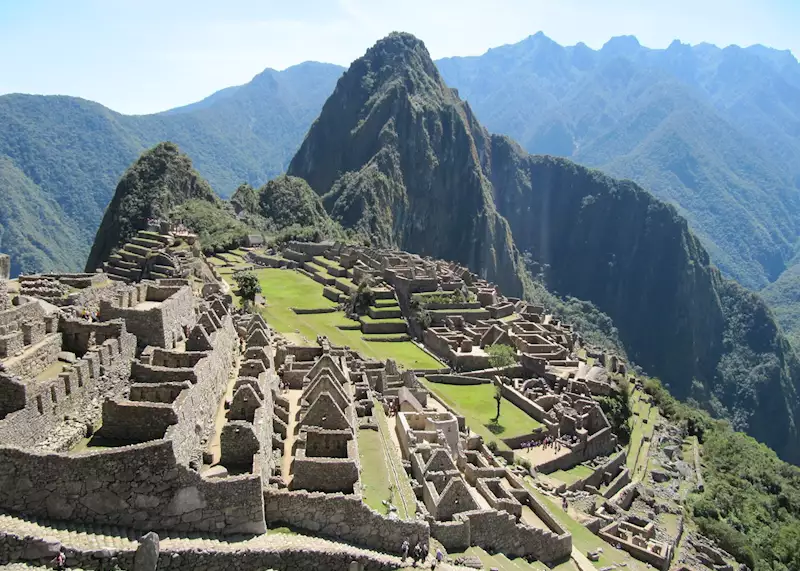
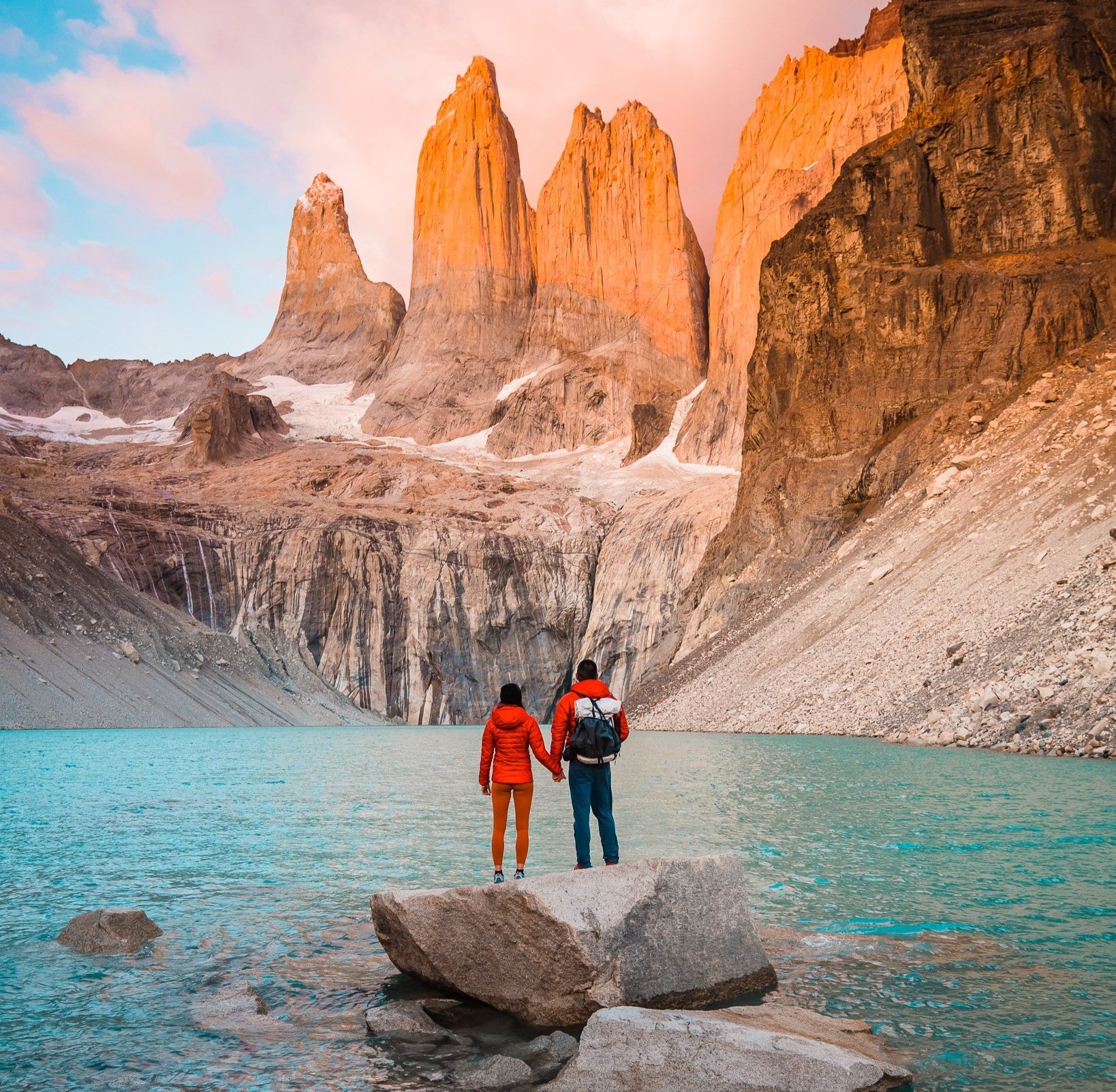
What Is Mount Roraima?
Mount Roraima is a tepui — a table-top mountain with near-vertical walls that rises abruptly from the Gran Sabana grasslands of southern Venezuela. At 2,810m, its summit plateau covers 31 square kilometres and is permanently shrouded in mist and cloud. The plateau's isolation has produced unique endemic flora found nowhere else on earth: carnivorous plants, endemic bromeliads, black crystals, and a landscape so strange that Arthur Conan Doyle used it as the inspiration for 'The Lost World' (1912). Standing on the Roraima summit, in the mist, surrounded by alien vegetation and geological formations unlike anything in temperate environments, is one of the genuinely unique experiences available to travellers in South America.
The tepui formation is approximately 2 billion years old, making Roraima one of the oldest geological formations on Earth. The summit plateau experiences its own microclimate with constant moisture, temperatures ranging from 3°C to 15°C, and near-daily rainfall. This isolation has created an evolutionary laboratory: over 2,000 plant species exist on the plateau, with 765 found nowhere else on the planet. The black quartz crystals scattered across the summit are a particular marvel — these jet-black formations create an otherworldly landscape that visitors consistently describe as walking on an alien planet.
The mountain holds deep spiritual significance for the Pemón people, who call it 'Roraima-tepui' meaning 'the great blue-green peak.' In Pemón mythology, Roraima is the stump of a mighty tree that once held all the fruits and tuberous vegetables in the world. The cultural importance of this sacred mountain explains why Pemón guides approach the trek with reverence, often sharing traditional stories during the journey that connect visitors to the deeper meaning of this extraordinary place.
Best Time to Visit Mount Roraima
The optimal trekking window runs from December to April during Venezuela's dry season, though 'dry' is relative on Roraima's permanently cloud-covered summit. Even in dry season, expect rain on 4-5 days of your 6-day trek. December through February offers the clearest weather with occasional summit views through the mist, while March and April see increasing afternoon storms but generally good morning visibility.
The wet season (May to November) makes the trek significantly more challenging. The ascent ramp becomes treacherously slippery, river crossings on the approach become dangerous, and the summit plateau turns into a muddy bog with zero visibility. However, experienced trekkers seeking solitude sometimes choose wet season specifically for the enhanced sense of isolation and the dramatic waterfalls cascading from the tepui's walls.
Temperature variations are minimal year-round due to the equatorial location. Expect daytime temperatures of 20-25°C on the savanna approach, dropping to 15-18°C in cloud forest, and 3-15°C on the summit plateau. Night temperatures on the summit regularly drop near freezing, particularly in December and January. The key weather factor is not temperature but persistent moisture — everything stays wet on the summit regardless of season.
Roraima Trek Venezuela Guide: The Route
The standard Roraima Trek takes 6 days return from the Pemón indigenous community of Paraitepuy, at the base of the Gran Sabana. The approach (Days 1–2) crosses open savanna and cloud forest, with the growing presence of Roraima's vertical walls ahead — the approach is visually extraordinary, with the mountain dominating the landscape for the final day before the ascent. The ascent (Day 3) follows the only natural ramp in Roraima's vertical walls — a 45-degree scramble through vegetation on the mountain's flank, taking 4–6 hours, emerging onto the plateau in cloud. The summit days (Days 3–4) explore the plateau's formations: the Valle de los Cristales (crystals embedded in rock formations), the Jacuzzi (a natural swimming pool), and the tripoint marker where Venezuela, Brazil, and Guyana meet. Return (Days 5–6) retraces the approach.
Day-by-Day Breakdown
Day 1: Trek from Paraitepuy to Río Tek camp (6-7 hours, 15km). Cross rolling grasslands with scattered morichales (palm oases) and gradual elevation gain. The trail is well-defined but can be boggy after rain. Camp beside the river with Roraima's walls growing larger ahead. Evening temperatures comfortable for camping with basic gear.
Day 2: Río Tek to Base Camp (5-6 hours, 8km). Enter cloud forest zone with increasing humidity and frequent stream crossings. The final 3km provide spectacular views of Roraima's 400-meter vertical walls. Base Camp sits in a sheltered valley directly beneath the ascent ramp. This is the last reliable water source before the summit.
Day 3: Summit day begins with the ascent ramp (4-6 hours). The route follows the only break in Roraima's vertical walls — a steep, vegetated ledge system requiring hands-on scrambling. Fixed ropes assist on the most exposed sections. Emerge onto the plateau into an alien landscape of black rock, strange vegetation, and persistent mist. Set camp among the rock formations.
Day 4: Full exploration day on the plateau. Visit the Valle de los Cristales with embedded quartz formations, the natural swimming pools (numbingly cold but refreshing), carnivorous plant gardens, and if visibility permits, the tripoint border marker. Navigation requires staying close to your guide as the mist-covered plateau offers no landmarks.
Days 5-6: Descend and retrace the approach route. Descent takes 2-3 hours but requires extreme care on wet rock. Many accidents occur during descent when tired trekkers lose concentration. The return journey offers different perspectives of the landscape and opportunities to spot wildlife missed on the approach.
Mount Roraima Hike Difficulty
The Roraima Trek is rated moderate — 6 days, approximately 35km total, with the main challenge being the ascent ramp (steep scrambling, wet rock, fixed ropes on the most exposed sections) rather than sustained high altitude. The summit plateau sits at 2,810m — lower than most Andean treks and causing less severe altitude issues. The primary practical challenges are the weather (the summit is in cloud approximately 80% of the time — bring full waterproofs and expect wet conditions for the entire summit stay) and the remoteness (4+ hours from any significant settlement at the trailhead).
Physical fitness requirements are moderate but specific: the trek demands good cardiovascular fitness for 6-8 hour hiking days, strong ankles for uneven terrain, and upper body strength for the ascent ramp scrambling. Previous hiking experience is essential — this is not a suitable first multi-day trek. The technical scrambling sections require confidence with exposure, though no actual climbing experience is needed.
The psychological challenge often exceeds the physical demands. Spending 2-3 days in persistent mist, with limited visibility and wet conditions, tests mental resilience. Some trekkers experience claustrophobia on the plateau's featureless landscape. The isolation is genuine — there is no possibility of evacuation from the summit in poor weather, and helicopter rescue is not available in this remote region of Venezuela.
What to Pack for Mount Roraima
Packing for Roraima requires preparing for persistent moisture rather than extreme cold. Every item must function when wet, and nothing dries on the summit plateau during your stay.
Essential Gear
Waterproof layers: Quality rain jacket and pants that remain waterproof after days of use. Avoid budget gear — it will fail. Gaiters are essential for keeping water out of boots during the ascent ramp scrambling.
Footwear: Waterproof hiking boots with aggressive tread for wet rock scrambling. Many experienced trekkers bring approach shoes specifically for the ascent ramp. Waterproof gaiters and quality hiking socks (merino wool) are crucial.
Insulation: Synthetic insulation only — down becomes useless when wet. Fleece or synthetic jacket for summit camping. Warm hat and waterproof gloves essential for summit scrambling in mist.
Camping gear: Four-season tent essential for summit camping — three-season tents fail in the constant wind and rain. Waterproof sleeping bag or synthetic bag in waterproof bivy. Reliable camp stove that functions in wind and at altitude.
Photography Equipment
Protecting camera gear in persistent moisture requires specific preparation. Waterproof camera bags, silica gel packets, and backup batteries (cold drains power quickly) are essential. Many photographers bring disposable cameras as backup since electronic equipment frequently fails in the summit conditions. The mist creates dramatic photography opportunities, but requires patience waiting for brief visibility windows.
Personal Items
Sunscreen and sunglasses remain necessary despite cloudy conditions — UV reflection from white rock and occasional sun breaks cause rapid burning. Personal first aid kit should include blister treatment and basic medications. Water purification tablets backup the boiling/filtering since stomach issues become serious in this remote location.
Guide Required
All Roraima Trek visitors must be accompanied by a Pemón indigenous guide — a legal requirement enforced by Canaima National Park. This is not merely a bureaucratic formality: the summit plateau is a featureless mist-covered landscape where navigation without local knowledge is genuinely dangerous. The Pemón guides know the plateau's formations, the camping spots sheltered from the wind, the water sources, and the routes through the mist. Engaging a guide through the Pemón community at Paraitepuy directly supports the community economically. Cost for a complete 6-day guided trek with a Pemón guide, porter, and meals ranges from $300–500 per person depending on group size.
Choose your guide arrangement carefully as service quality varies significantly. Full-service packages include guide, porter, group camping equipment, and all meals — these work well for first-time visitors or those preferring hassle-free arrangements. Independent arrangements with individual guides cost less but require more preparation and communication. The best guides speak some English and share traditional knowledge about the mountain's cultural significance alongside practical route-finding.
Porter services are strongly recommended for the summit camping equipment and group food. Carrying technical camping gear plus personal equipment for 6 days significantly increases the trek difficulty. Most guides work with established porters from their community, creating employment for multiple families. Tipping is expected — budget $50-100 total for guide and porter tips based on service quality and group size.
Getting to Roraima
The logistics are the main barrier. From Caracas: fly or bus to Ciudad Bolívar, then bus or jeep to Santa Elena de Uairén (on the Brazil border, 8–10 hours), then 4WD transfer to Paraitepuy village (3–4 hours on a dirt road). The total journey from Caracas is 2 days. From Boa Vista (Brazil): cross the border at Santa Elena and follow the above route. Most trekkers combine the Roraima trek with time at Canaima National Park (the Angel Falls, the world's highest waterfall, is 270km northwest) for a 10–14 day Gran Sabana itinerary.
International Access Routes
Many international visitors find entering through Brazil more reliable than flying directly to Venezuela. Fly to Boa Vista, Brazil, then cross the border at Santa Elena de Uairén. The Brazil route provides better flight connections through São Paulo or Brasília, more predictable transport schedules, and easier currency exchange. However, ensure you have proper Venezuelan visa documentation before traveling — obtaining visas at the border is unreliable.
From Guyana, adventurous travelers sometimes arrange overland access through Lethem and across the Rupununi savanna, but this requires 4WD transport, local guides, and significant logistical coordination. This route appeals to travelers seeking maximum adventure but adds considerable time and complexity to the journey.
Santa Elena de Uairén Hub
Santa Elena serves as the essential supply stop before Roraima. Stock up on any forgotten gear, exchange currency, arrange final transport to Paraitepuy, and purchase Venezuelan SIM cards for limited phone coverage. The town offers basic accommodation, restaurants, and tour operator offices for last-minute guide arrangements. Allow a full day in Santa Elena for preparation and potential transport delays.
Local Culture and Food
The Pemón people have inhabited the Gran Sabana region for over 1,000 years, developing deep cultural connections to the tepuis and surrounding savanna. Understanding basic Pemón cultural practices enhances the trekking experience and demonstrates respect for the indigenous community facilitating your visit.
Traditional Pemón meals feature casabe (cassava bread), fresh fish from savanna rivers, and various preparations of plantain and yuca. Trekking meals typically include rice, beans, canned meat, and fresh vegetables for the first days. Food variety decreases significantly after day 2 due to weight limitations. Vegetarian options require advance arrangement with guides, as traditional diets center on meat and fish.
Basic Pemón phrases help build rapport with guides and community members. "Waisa" (hello), "curüpayawa" (thank you), and learning your guide's traditional name alongside their Spanish name shows cultural interest. Many guides appreciate questions about traditional stories and plant uses, though respect their comfort level with sharing cultural knowledge.
The Paraitepuy community benefits directly from Roraima tourism through guide fees, porter employment, and local supply purchases. However, tourism income remains seasonal and weather-dependent. Supporting the community through fair guide payments, purchasing local crafts, and respectful cultural engagement provides meaningful economic impact beyond the basic trek fees.
Venezuela Travel Context
Venezuela's political and economic situation requires specific preparation. Research current conditions before booking — the security situation in tourist areas has improved but requires monitoring. Exchange currency through trusted sources (the official rate diverges significantly from the parallel rate). The Roraima region (Gran Sabana, near the Brazilian border) is among Venezuela's safer areas for international visitors, but travel insurance with evacuation cover is essential throughout the country.
Currency exchange remains complex throughout Venezuela. USD cash in small denominations works best for local purchases, guide payments, and transport costs. Credit cards function sporadically, and ATMs are unreliable outside major cities. Budget approximately $800-1200 USD cash for a complete Roraima expedition including transport, guides, food, accommodation, and contingency funds.
Medical facilities in the Gran Sabana are extremely limited. Serious injuries or illness require evacuation to Ciudad Bolívar or crossing into Brazil for treatment. Comprehensive travel insurance with helicopter evacuation coverage is essential — verify that your policy covers Venezuela specifically, as some insurers exclude the country entirely. Bring complete personal first aid kit and any prescription medications plus extras.
Communication on the trek is effectively impossible. Cell phone coverage ends at Santa Elena, and satellite communication devices may not function reliably in the tepui region's unique topography. Inform family and friends of your expected return date and arrange check-in procedures. Emergency evacuation from Roraima's summit can take 3-4 days minimum in good weather conditions.