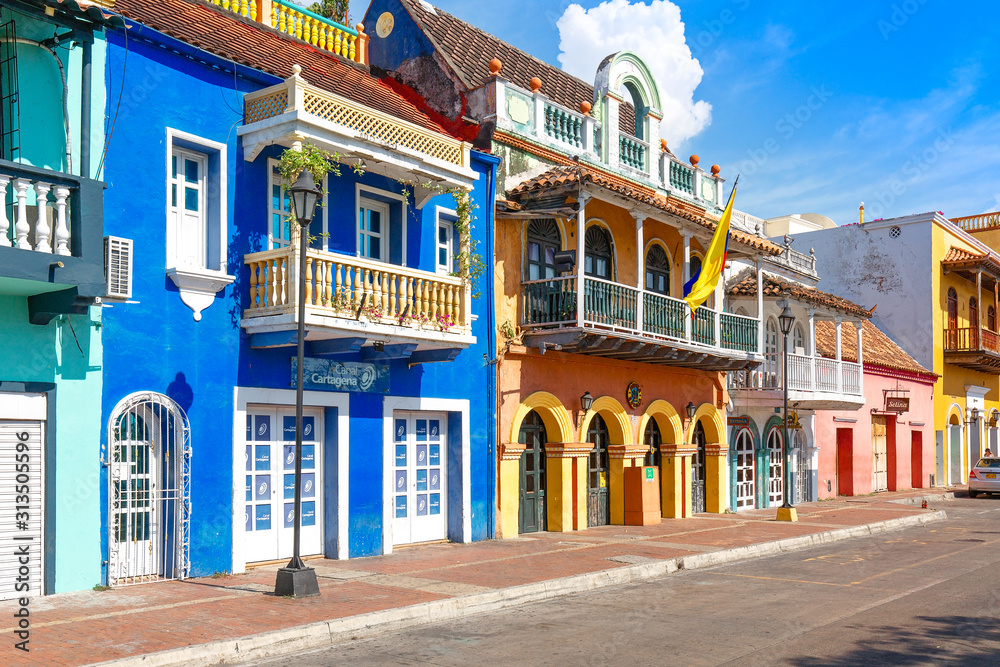
Argentina is a country of startling regional contrasts, and nowhere is this more evident than in the difference between its two great northwestern destinations: Salta, the colonial gem of the Andean northwest, and Mendoza, the wine capital of South America. Both cities serve as gateways to extraordinary landscapes. Both have vibrant food and wine cultures. Both reward travellers who use them as bases for regional exploration. But they are fundamentally different in character, geography, and what they offer.
Salta: The Fair City of the Andes
Salta — officially Salta la Linda, "the Fair City" — sits at 1,152 metres altitude in a valley surrounded by multicoloured mountains in Argentina's Andean northwest, approximately 1,600 kilometres from Buenos Aires. It is the capital of Salta Province and the gateway to one of the most visually dramatic regions in South America.
The city itself is one of the best-preserved colonial centres in Argentina. The Plaza 9 de Julio, flanked by the peachy-pink Cathedral and the Cabildo (town hall), is a genuinely beautiful main square. The surrounding streets contain outstanding colonial architecture: the San Francisco Church with its striking yellow and red facade, the Convento San Bernardo, and numerous townhouses that bear the traces of Spanish colonial wealth.
Salta's museum culture is excellent. The MAAM (Museo de Arqueología de Alta Montaña) houses the Llullaillaco Children — three Inca mummies discovered at 6,739 metres altitude on Volcán Llullaillaco in 1999 and extraordinarily well-preserved by the extreme cold. They are among the best-preserved human remains from the ancient world and among the most affecting museum exhibits in South America.
The food culture in Salta is among the most distinctive in Argentina. The northwest developed its own culinary tradition long before Buenos Aires' Italian and Spanish immigration: empanadas saltenas (filled with spiced beef, potato, hard-boiled egg, and olives, and baked rather than fried) are the defining dish, alongside locro (a thick stew of maize, beans, and meat), humita (corn-based tamale), tamales, and llama preparations. A meal at a traditional peña — a dinner that combines food with live folklore music (chacarera, zamba) — is one of the most enjoyable evenings available in Argentina.
The Surrounding Region
Salta's great strength as a base is the landscapes of the surrounding province and the broader Andean northwest. Within day-trip or multi-day reach:
Quebrada de Humahuaca: A UNESCO World Heritage Site in neighbouring Jujuy Province — a dramatically coloured river gorge lined with pre-Columbian and colonial villages. The Cerro de los Siete Colores (Hill of Seven Colours) above the village of Purmamarca is one of Argentina's most photographed landscapes, with mineral-stained cliff faces of red, yellow, purple, green, and white. The town of Tilcara has excellent food and one of the best-sited pucará (pre-Inca fortified settlement) in Argentina.
Salinas Grandes: A vast salt flat at 3,450 metres altitude, reached by a dramatic road that climbs through a series of switchbacks from the Quebrada. The scale and blinding whiteness of the Salinas, set against the blue sky and the surrounding mountains, is extraordinary.
Tren a las Nubes (Train to the Clouds): One of the most famous train journeys in South America, the Tren a las Nubes operates on a historic line built between 1921 and 1948 to connect Argentina to the Pacific via Chile. The journey climbs to 4,220 metres at the La Polvorilla viaduct — a spectacular iron bridge spanning a mountain gorge at altitude. The train operates seasonally (typically April to November) and the journey takes approximately 16 hours return from Salta.
Cafayate: A wine-producing region about 180 km south of Salta in a high-altitude valley, famous for Torrontés — a white grape variety almost unique to Argentina's north that produces aromatic, floral wines unlike anything else in the country. The road between Salta and Cafayate passes through the Quebrada de las Conchas (also called Quebrada de Cafayate), a canyon of eroded sandstone formations in extraordinary shapes: the Garganta del Diablo, the Castillos, the Anfiteatro. The drive is one of the finest in Argentina.
Mendoza: Argentina's Wine Capital
Mendoza sits at 750 metres altitude in the Andean foothills of Cuyo, approximately 1,040 kilometres from Buenos Aires in the shadow of the Andes — which here include Aconcagua, at 6,961 metres the highest mountain in both the Western and Southern Hemispheres.
The city itself was largely rebuilt after the 1861 earthquake that destroyed the original colonial settlement. Its layout is distinctive: wide tree-lined avenues (the trees are vital shade in Mendoza's hot, dry, sunny climate), a system of acequia irrigation channels running along every street, and five major plazas connected by diagonal streets that allow for orderly pedestrian movement in the event of another earthquake.
Mendoza is not a colonial city — the earthquake saw to that — but it is a sophisticated, pleasant, outdoor-focused city with excellent restaurants, a thriving café scene, and an increasingly impressive arts and culture offering.
The reason most visitors come to Mendoza, however, is wine.
Mendoza's Wine Country
The Mendoza region produces approximately 70% of Argentina's wine, and Argentina is the fifth-largest wine producer in the world. The combination of high altitude, desert sun, low rainfall, cold mountain air at night, and snowmelt irrigation from the Andes creates conditions that produce Malbec grapes of extraordinary quality — deep, fruit-rich, structured red wines that have conquered export markets worldwide.
The Mendoza wine regions — Valle de Uco, Luján de Cuyo, and the Maipú district nearest the city — each have distinct characteristics, and visiting them is a pleasure organised around bicycle rides through vineyards, long lunches at winery restaurants, and tastings from barrel-aged reserves that rarely leave Argentina.
Wineries range from small family operations using traditional methods to architecturally spectacular modern estates like Zuccardi Valle de Uco (repeatedly named among the world's best wineries) and Achaval Ferrer. The options are extensive, and most are accessible by bicycle from the Maipú district, or by organised wine tour to the more distant Valle de Uco.
Aconcagua and the Andes
For those with more active interests, Mendoza's position at the foot of the Andes opens access to some extraordinary mountain adventure. Aconcagua Provincial Park is accessible for trekking to base camp (Plaza de Mulas, at 4,300 metres) without technical equipment, offering a multi-day trek through extraordinary Andean scenery. The full summit attempt — one of the most popular high-altitude mountaineering objectives in the world — requires permits, experience, and proper expedition planning.
Lower-key activities include white-water rafting on the Mendoza River, horseback riding through the foothills, mountain biking, and skiing at Las Leñas or Los Penitentes during the Argentine winter (June–September).
The Andes crossing to Chile through the Paso Los Libertadores is one of South America's most dramatic road journeys — the Christ the Redeemer statue marking the border, the tunnel beneath the mountains, and the descent to Santiago. Many travellers include the Mendoza–Santiago crossing in their itinerary.
Direct Comparison
Climate
Mendoza is hot and dry in summer (December–February), with temperatures frequently exceeding 35°C. The harvest season (vendimia) in March–April is among the best times to visit — comfortable temperatures, the vineyards in full activity, and the famous Vendimia harvest festival (the largest in Argentina). Autumn (April–May) offers pleasant temperatures and golden vine colours. Spring (September–November) is also excellent.
Salta's altitude (1,152 metres) moderates temperatures to a more comfortable range year-round. Summer (November–March) brings rain — the northwest's wet season — and some roads in the high Andean region become difficult or impassable. The dry season (April–October) is optimal: clear skies, dramatic mountain light, comfortable temperatures during the day, and cool evenings.
Food and Wine
Both cities have outstanding food scenes, but in different registers.
Mendoza's restaurant scene is polished and internationally influenced. The wineries offer some of the best dining experiences in Argentina — lunch at Zuccardi, Achaval Ferrer, or the Cavas Wine Lodge with a valley view and a bottle of twenty-year-old Malbec is a genuine luxury. The city's restaurants reflect the Italian and Spanish immigrant heritage of Cuyo. Empanadas here are also excellent, though different in style from Salta's (Mendoza's are typically fried).
Salta's cuisine is more distinctive and regionally specific. The indigenous and mestizo food traditions of the northwest produce dishes and flavours that are genuinely unlike anything else in Argentina. For food travellers interested in culinary history and indigenous Argentine foodways, Salta is more rewarding.
For wine specifically: Mendoza is the destination.
Side-by-Side Summary
| Factor | Salta | Mendoza |
|---|---|---|
| Colonial architecture | Outstanding | Limited (post-earthquake) |
| Wine tourism | Good (Cafayate/Torrontés) | World-class |
| Landscape excursions | Outstanding | Excellent |
| Cuisine distinctiveness | Very high | High |
| Mountain adventure | Excellent | Excellent (Aconcagua) |
| Cultural heritage | Deep (Andean, indigenous) | European-influenced |
| Climate (visit season) | April–October | March–May best |
| Airport connections | Salta Airport (SA/Buenos Aires) | El Plumerillo (major hub) |
| Accessibility from Buenos Aires | 2h flight | 1.5h flight |
Can You Visit Both?
Yes, and the two cities are complementary rather than competing. A northwest Argentina itinerary might involve: Buenos Aires → Salta (four nights, Quebrada de Humahuaca, Cafayate) → Mendoza (three nights, wine country, Aconcagua) → Santiago, Chile (via Andes crossing) or return to Buenos Aires.
Both cities are served by regular direct flights from Buenos Aires. The journey between Salta and Mendoza involves a flight or a very long bus ride — they are roughly 1,200 kilometres apart with the Andes in between.
Who Should Choose Salta?
- Travellers interested in colonial architecture, indigenous history, and Andean culture
- Anyone attracted to dramatic, colourful geological landscapes (Quebrada de Humahuaca, Quebrada de Cafayate)
- Food travellers who want to explore Argentina's distinct regional cuisines
- Visitors who enjoy folk music and cultural traditions (peñas)
- Those interested in the Tren a las Nubes experience
- Photographers seeking landscapes unlike anything in southern Argentina
Who Should Choose Mendoza?
- Wine lovers — full stop
- Cyclists who want to explore wineries on two wheels
- Outdoor adventurers targeting Aconcagua (base camp or summit)
- Travellers combining Argentina with a Santiago crossing
- Visitors who want a sophisticated restaurant and winery-dining experience
- Anyone interested in the broader Andean mountain scenery of the central Andes
The Verdict
There is no wrong answer. Salta offers one of the most concentrated regional travel experiences in Argentina — the colonial city, the extraordinary northwest landscapes, and the distinctive Andean food culture combine to create a destination unlike anywhere else in the country. For travellers who want to understand the indigenous and colonial layers of Argentine history, Salta is essential.
Mendoza is the logical choice for wine enthusiasts and mountain adventurers. Its winery landscape, combined with the towering presence of Aconcagua and the convenient gateway to Chile, makes it one of South America's premier destinations for those whose travel is organised around great food and great wine.
If your Argentina itinerary has room for only one, the honest answer is: it depends on what you love. Salta is the more surprising and culturally distinct experience. Mendoza is the more polished and internationally renowned. Both belong on the South America list.