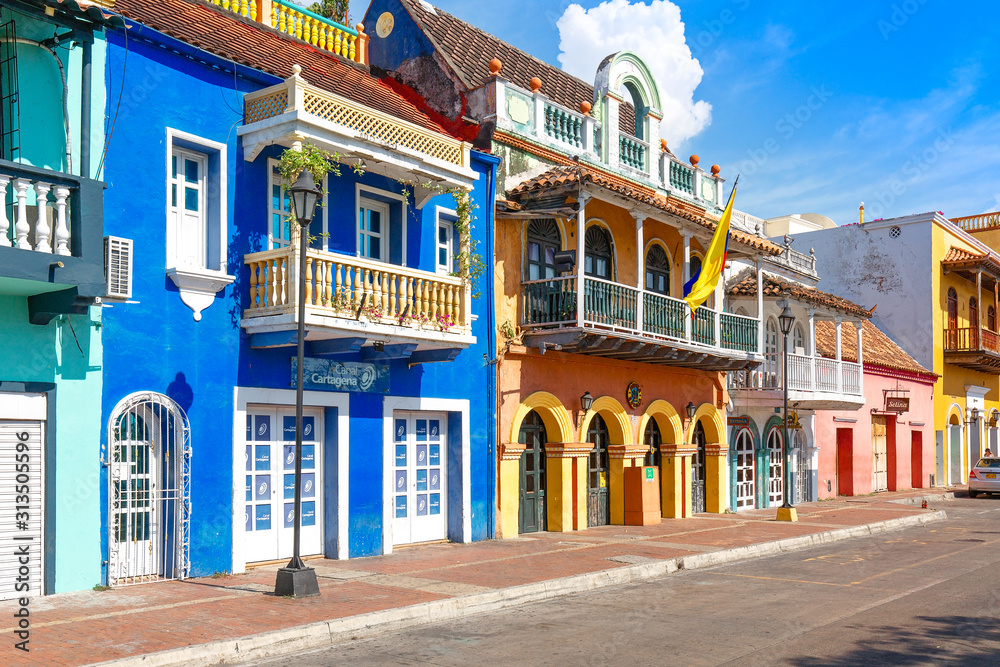
Colombia has completed one of the most remarkable national reinventions in modern travel history. A country that was off-limits to most international tourists as recently as the early 2000s is now among South America's most visited destinations, and for good reason: the landscapes are extraordinary, the people are warm and proud of their country's transformation, and the cities are fascinating. Two of them dominate the conversation: Cartagena and Medellín.
Cartagena — the jewel of the Caribbean coast, a walled colonial city of pastel facades, bougainvillea, and humid sea air — is the image that first put Colombia on the international travel radar. Medellín — the reinvented City of Eternal Spring, once the world's most dangerous city, now a model of urban renewal, innovation, and culture — is the story that keeps people returning.
Both deserve visits. But they are different kinds of cities offering different kinds of experiences.
Cartagena: The Colonial Caribbean Dream
Cartagena de Indias was founded by the Spanish in 1533 and grew to become one of the most important ports in the Americas. The wealth flowing through it — gold, silver, and enslaved people — made it a target for pirates, privateers, and rival colonial powers. The enormous walls that ring the old city (Las Murallas) were built over centuries to protect this wealth, and they survive today as one of the best-preserved examples of Spanish colonial military architecture in the world.
The old city — the Centro Histórico — is a UNESCO World Heritage Site. Its streets are narrow and cobbled, lined with brightly coloured townhouses draped in bougainvillea, punctuated by flower-filled plazas, colonial churches, and ice-cold agua de coco vendors. Walking through the walled city at dusk, with the colours deepening and the heat finally relenting, is one of the most photogenic experiences in South America.
Beyond the walls, Getsemaní — Cartagena's historically working-class neighbourhood, now rapidly gentrifying — offers street art, bohemian cafés, and a vibrant nightlife scene that mixes travellers with locals in a more authentic way than the Centro Histórico's upscale boutique hotels.
The other major draw is the Caribbean Sea. Cartagena's position on the coast means easy access to the Islas del Rosario (a coral archipelago about an hour by boat with excellent snorkelling) and, further afield, the Archipelago of San Bernardo. The island of Barú — technically a peninsula — has beautiful beaches and is reachable by day trip.
Medellín: The City of Transformation
Medellín's story is perhaps the most dramatic urban transformation narrative of the 21st century. In 1991, Medellín had the highest murder rate of any city on Earth — a function of the drug cartel violence centred around Pablo Escobar and the Medellín Cartel. By the late 2000s, through a combination of community investment, innovative urban design, and civic will, the city had reinvented itself. Today it is the recipient of international urban planning awards, the home of a vibrant creative and startup culture, and one of South America's most talked-about city destinations.
The transformation is visible and tangible. The Metrocable system that connects the steep hillside comunas (once completely inaccessible and controlled by gangs) to the rest of the city is both a piece of public infrastructure and a social intervention. The outdoor escalators in the Comunas 13 and 8 — built to help residents on steep hillsides — have become art installations. The hillside neighbourhood of El Poblado has one of the best selections of restaurants, bars, and boutique hotels in Colombia. The city sits in a valley at 1,495 metres altitude, giving it its famously mild "eternal spring" climate.
For travellers interested in urban history, social innovation, and how a city reinvents itself from the inside out, Medellín is genuinely fascinating. Walking through Barrio Laureles with a local guide, visiting the innovative Parque Explora science museum, or taking the Metrocable up to the comunas and watching the city spread below provides insight that no beach destination can.
Climate and Geography
Cartagena
Cartagena is hot. Consistently, relentlessly hot. The average temperature sits around 28–32°C year-round, with high humidity from the Caribbean climate. December to April is the dry season and most popular with tourists, though temperatures remain high throughout. The July–August mini dry season (veranillo) offers a second window of lower rainfall.
For travellers who love warm weather and the sea, this is perfect. For those who find sustained heat oppressive, the combination of Cartagena's historic walking areas and the humid heat can be exhausting — particularly in the middle of the day. Many visitors structure their days around early morning exploration, afternoon shade, and evening activity.
Tropical storms and heavy rainfall mark the wet season (May–June and October–November), which can disrupt beach trips to the islands.
Medellín
Medellín earns its "eternal spring" reputation. At 1,495 metres above sea level in a valley in the Colombian Andes, the city maintains average temperatures of 22–28°C throughout the year, with warm days and pleasantly cool nights. There are two rainy seasons (April–May and October–November) but rain typically comes in afternoon showers rather than all-day downpours, and mornings are usually clear.
For travellers who find Caribbean heat challenging, Medellín's climate is a revelation. The ability to walk comfortably through the city in the afternoon without feeling like you are melting is a genuine advantage.
Food and Drink
Cartagena
Cartagena's food scene reflects its Caribbean coastal identity. Seafood dominates: ceviche, whole fried fish (mojarra), coconut rice, patacones (fried plantain), and cazuela de mariscos (seafood stew in coconut broth) are all essential. The street food scene in Getsemaní and around the city walls — arepa con huevo, empanadas, fresh fruit juices, and agua de panela — is excellent.
The restaurant scene in the Centro Histórico has developed significantly and now includes some genuinely ambitious cooking. Prices in the tourist-heavy old city are higher than elsewhere in Colombia.
Medellín
Medellín is the heartland of paisa cuisine — the culinary tradition of the Antioquia region. The bandeja paisa is the defining dish: a platter of red beans, rice, ground beef, chicharrón, fried egg, plantain, chorizo, blood sausage, and an arepa — an enormous, indulgent, calorie-laden feast. It is extraordinary. Beyond the traditional, Medellín's El Poblado and Laureles neighbourhoods have developed a sophisticated restaurant scene with Colombian contemporary cooking, excellent sushi, international cuisine, and a coffee culture that reflects the country's status as one of the world's top arabica producers.
Colombian coffee, served in a tinto (small black espresso) or traditional drip style, is exceptional in Medellín. The Café de la Paz and the burgeoning specialty coffee scene in Laureles represent some of the best coffee experiences in South America.
Nightlife
Both cities have vibrant nightlife, but in very different registers.
Cartagena
Cartagena's nightlife centres on the bars and clubs of the Centro Histórico and Getsemaní. The scene is lively, social, and driven heavily by tourism — reggaeton and salsa mix with international pop. The rooftop bars along the city walls offer atmospheric drinks with views over the Caribbean. Getsemaní's street-level bars and open-air spaces feel more authentic. The pace is relaxed; Cartagena nights start late and end later.
Medellín
Medellín has one of the most dynamic nightlife scenes in South America. El Poblado's Parque Lleras is surrounded by clubs, bars, and restaurants and generates extraordinary energy on Thursday–Saturday nights. The nightlife ranges from salsa clubs where serious dancers come to perform to electronic music venues, craft beer bars, and everything in between. The Zona Rosa in Laureles is quieter but more local in feel.
For nightlife, Medellín wins on scale, variety, and authenticity.
Safety
Both cities require the standard awareness required in any Latin American urban environment. The transformation in both cities' safety profiles over the past two decades has been remarkable, but petty crime, scams, and opportunistic theft remain concerns.
Cartagena: The tourist areas — the walled city and Getsemaní — are generally well-policed and safe for attentive visitors. The main risks are pickpocketing and overpricing scams rather than violent crime. Street harassment, particularly towards solo female travellers, is noted by many visitors.
Medellín: The tourist areas — El Poblado, Laureles, and El Centro — are generally safe and walkable. The comunas that were historically dangerous are significantly safer now, particularly with a guide, but independent wandering in unfamiliar hillside neighbourhoods is still inadvisable. Drink spiking has been reported in El Poblado nightlife areas (a drug called scopolamine is used in Colombia); travellers should never leave drinks unattended.
Neither city is as dangerous as its reputation from a decade ago suggests. Standard urban vigilance applies in both.
Transport and Logistics
Medellín has a comprehensive Metro system — the only one in Colombia — supplemented by Metrocable lines, outdoor escalators, and an extensive bus network. Getting around the city independently is easy and cheap. El Poblado is well-connected to the Centro and to Laureles.
Cartagena is compact enough that the walled city is walkable. Taxis and ride-sharing apps (Uber operates, as does the local InDriver) connect the old city with Getsemaní and the Bocagrande beach neighbourhood. There is no metro system, and the city's layout means that most tourist activities are clustered within a manageable area.
Cost
Colombia is generally excellent value for money by international standards, but Cartagena's tourist economy makes it noticeably more expensive than Medellín. Hotel prices in the walled city can approach mid-range European costs during peak season. Restaurants in the Centro Histórico are priced for international visitors.
Medellín offers better value across the board: cheaper accommodation in El Poblado, cheaper food and drink, cheaper transport. Budget travellers will find Medellín significantly easier on the wallet.
Who Should Choose Cartagena?
- Travellers whose primary motivation is beach and Caribbean sea access
- History lovers who want to explore Colombia's Spanish colonial past
- Couples looking for a romantic city with beautiful aesthetics
- Photographers attracted to the colour and atmosphere of the old city
- Travellers combining Colombia with other Caribbean destinations
Who Should Choose Medellín?
- Urban explorers interested in social history, transformation, and contemporary city life
- Those interested in coffee culture and Colombian contemporary cuisine
- Nightlife seekers wanting the best salsa and club scene
- Budget-conscious travellers
- Travellers who find heat uncomfortable (Medellín's climate is noticeably more comfortable)
- Those interested in day trips into the Colombian Andes — coffee region, Guatapé, Santa Fe de Antioquia
Can You Do Both?
Absolutely, and most travellers who have time visit both. There are direct flights between Cartagena and Medellín (approximately one hour) making a combined itinerary easy. A typical arrangement is four to five nights in each city — or splitting the difference by adding Bogotá, Cali, or the Coffee Region (Salento) to create a comprehensive Colombia circuit.
The Verdict
Choose Cartagena if you want a visually stunning, historically rich, beach-accessible city with Caribbean energy and romantic atmosphere. It is Colombia's most photographed city for good reason.
Choose Medellín if you want to understand how Colombia actually works today — its creativity, resilience, food culture, nightlife, and the extraordinary story of how a city reinvented itself. It is one of the most interesting urban destinations in South America.
For a first trip to Colombia, most visitors find Medellín the more rounded experience. But Cartagena is the more immediately beautiful. If you can visit both — and in Colombia, you really should — you will leave the country understanding a far more complete picture of what it has to offer.