Solo travel in South America is one of the great adventures available to the modern traveller. The continent rewards those who go alone with an intimacy of experience that group travel rarely delivers: the freedom to change plans at a moment's notice, the necessity of engaging with local people that group dynamics often bypass, and the particular pride of having navigated something genuinely complex entirely on your own terms.
Millions of solo travellers — young and old, first-timers and veterans, on every kind of budget — visit South America every year. Most return with extraordinary experiences and a fierce desire to go back. This guide covers everything you need to know to travel South America solo: safety, logistics, social life, accommodation, the best destinations, and the practical realities of being alone in some very remote places.
Why South America Is Great for Solo Travellers
The continent has several structural advantages for independent travellers:
Hostel culture: South America has one of the world's most developed independent traveller hostel scenes. Major cities — Buenos Aires, Medellín, Cusco, Lima, Quito, Santiago — have outstanding hostels that function as social hubs, connecting solo travellers with others heading in similar directions. The common room, the organised hostel tours, the shared kitchens — these are the social infrastructure of solo travel, and South America does them well.
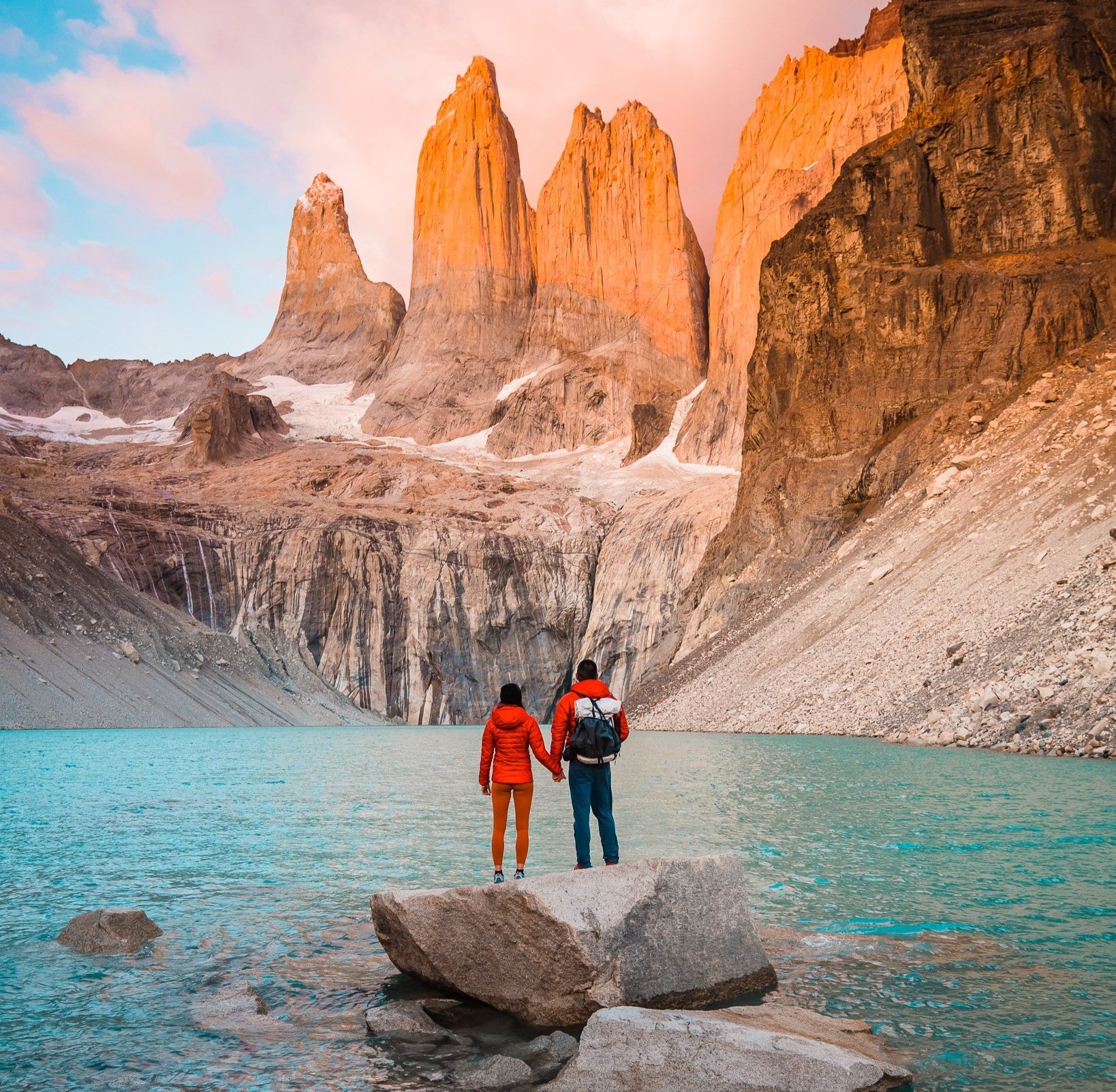
Gringo trails: Well-established backpacker circuits exist throughout the continent — the Lima–Cusco–Lake Titicaca–La Paz–Uyuni route; the Medellín–Cartagena–Bogotá–Coffee Region circuit; the Patagonia circuit through El Calafate, El Chaltén, and Torres del Paine. These routes have the infrastructure that solo travellers rely on and make it easy to meet others.
Spanish: Widely spoken, and a modest investment in learning Spanish before and during your trip pays extraordinary dividends for solo travellers who will rely on communicating independently more than group tourists.
Organised tours: For experiences that are harder to do completely independently (Amazon lodges, multi-day treks, remote Patagonian crossings), the well-developed organised tour industry allows solo travellers to access these experiences without needing a group or private vehicle.
Safety for Solo Travellers
Safety is the most common concern raised by prospective solo travellers — and particularly by solo female travellers. The reality is nuanced: South America requires more urban awareness than, say, Western Europe, but it is not uniquely dangerous for solo travellers who are informed and sensible.
General Safety
The safety principles discussed in our full safety guide apply equally (and in some respects more urgently) to solo travellers:
- Use ride-sharing apps rather than hailing street taxis in major cities
- Don't walk while staring at your phone in busy urban areas
- Keep valuables secured (hotel safe for passport and backup funds; day pack with only what you need)
- Trust your instincts — if a situation feels wrong, remove yourself
- Stay in well-reviewed accommodation; other guests and reception staff are a valuable safety resource
Solo travellers are slightly more vulnerable to opportunistic crime than those in groups — a group of three is a less attractive target than a single person. The mitigation is awareness rather than avoidance.
Safety for Solo Female Travellers
South America is visited extensively by solo female travellers, and the majority have positive and empowering experiences. But it is honest to note that solo female travel in South America comes with specific considerations:
Street harassment (piropo): Verbal attention from men — catcalling, comments, approaches — is more prevalent in parts of South America (particularly certain coastal cities and smaller towns) than in many travellers' home countries. It is generally not dangerous but can be wearing. Most experienced solo female travellers develop a demeanour of purposeful, unbothered forward motion that discourages prolonged engagement. Online communities (Reddit's r/solotravel, Facebook groups for female travellers in South America) have excellent advice on specific destinations.
Accommodation: Choose accommodation with good reviews specifically from solo female travellers. Female-only dormitories (increasingly available at good hostels) provide a safer social environment for those who prefer it.
Nightlife: Going out at night solo requires more vigilance than in a group. Many solo female travellers join organised hostel pub crawls or befriend fellow travellers at the hostel before venturing into nightlife. Never leave your drink unattended (scopolamine/burundanga is used in drink-spiking incidents in some South American cities). Arrive and leave using ride apps.
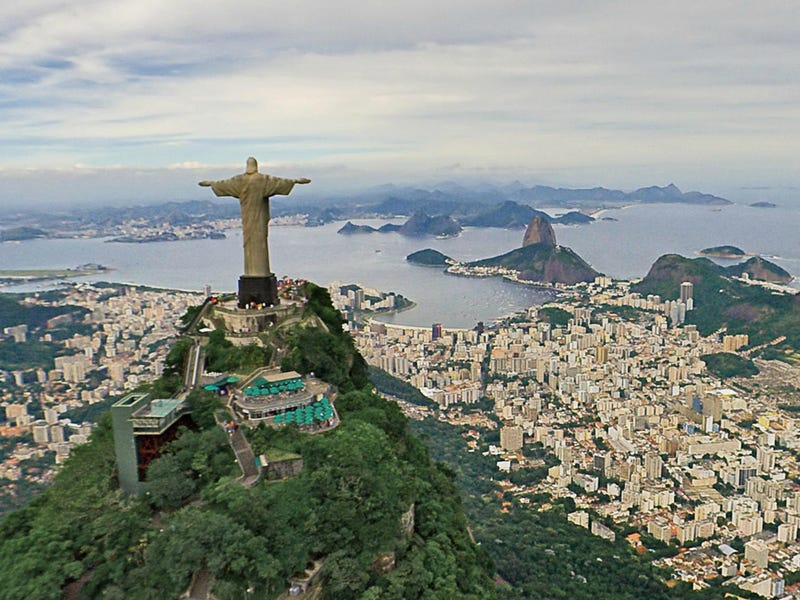
Safest destinations for solo female travel: Chile (particularly Santiago and Patagonia), Argentina (particularly Patagonia, Mendoza, and Buenos Aires with standard vigilance), Uruguay, and the main tourist circuits in Peru (Cusco, Sacred Valley) are generally considered the most comfortable for solo female travellers. Colombia requires more specific vigilance; Brazil more so in urban areas.
Scams Targeting Solo Travellers
Solo travellers are prime targets for several common South American scams:
The fake police scam: Two or three individuals claim to be plainclothes police, flash fake IDs, and request to see your documents and wallet to "check for counterfeit currency." They then steal from you. Never comply — real police do not operate this way. Insist on going to the nearest police station. This scam is common in Bogotá, La Paz, and occasionally Lima.
The helpful stranger: Someone provides a service (gives directions, helps with luggage, offers a "tour") without being asked and then demands payment. Decline unsolicited help politely but firmly.
The taxi overcharge: Taxis without meters (or with manipulated meters) charge inflated prices to obvious tourists. Use ride apps.
The restaurant overcharge: Check your bill carefully, particularly for items you didn't order. In touristy areas, this is a documented practice.
Accommodation for Solo Travellers
Hostels
Hostels are the backbone of solo South American travel. A good hostel does three things: provides affordable accommodation, creates opportunities to meet fellow travellers, and connects you to local knowledge (via staff and other guests) about what to see and do.
The best hostels in major cities (Palermo Soho in Buenos Aires, El Poblado in Medellín, San Blas in Cusco, Miraflores in Lima) are genuine social hubs. Common rooms, organised happy hours, city walking tours (many hostels organise free or cheap city tours), and shared kitchens facilitate the natural social chemistry of solo travel.
Pricing: Dorm beds range from $10–20 in Bolivia and Peru; $15–30 in Colombia; $20–40 in Argentina, Chile, and Brazil depending on city. Most hostels also offer private rooms (sometimes with shared bathrooms) at $35–80 — a useful middle ground for solo travellers who want privacy without the full cost of a hotel.
When to Go Private
Solo travellers on longer trips often move between hostel dorms (for social connection) and private rooms (for rest and recovery). Some general rules of thumb:
- Dorms make sense in major cities and well-established backpacker hubs with active hostel social scenes
- Private rooms are worth the premium in smaller towns where hostel social scenes are thin, after particularly long or demanding travel days, and in destinations like Aguas Calientes (Machu Picchu gateway) where hostel dorms tend to be noisy
Apps for booking: Hostelworld and Booking.com are the primary booking platforms. Read recent reviews carefully — a hostel's quality can change significantly with management turnover.
Social Life: How to Meet People
One of the most common questions from prospective solo travellers: "Will I be lonely?"
The honest answer is that South America makes it easier to meet people than almost any other region in the world. The combination of established backpacker trails, sociable hostel culture, and the natural solidarity that develops between independent travellers in challenging environments means that genuine solitude is often harder to find than company.
Practical tips for meeting people:
- Stay in social hostels. An apartment rental in a residential area saves money but costs community. For solo travellers, a slightly more expensive social hostel is worth every dollar.
- Join organised activities. Hostel-organised city tours, cooking classes, day trips, and social nights are specifically designed as social catalysts. Even if you wouldn't normally do organised activities, these are often worth it in the first one or two days in a new city.
- Use traveller apps. Couchsurfing's "hangout" feature, Meetup, and dedicated backpacker forums all facilitate connecting with other travellers and local hosts in specific cities.
- Go to common areas. Simply sitting in the hostel common room with a drink and a book sends a clear signal that you are open to conversation.
- Take multi-day tours. A three-day Uyuni salt flat tour, a four-day Inca Trail, or a five-day Amazon lodge stay throws you together with a small group for long enough to form genuine connections.
A note on loneliness: Solo travel in South America, like all solo travel, has its moments of loneliness. They tend to arrive on difficult travel days (a 20-hour overnight bus when you're feeling rough), on nights when the hostel social scene doesn't click, and on arrival in cities where you don't know anyone. These moments are normal, they pass, and they are part of the texture of independent travel. Many solo travellers describe the experience of managing these moments — and coming out the other side — as among the most formative aspects of the trip.
The Best South American Destinations for Solo Travellers
Some destinations suit solo travellers better than others, based on the quality of hostel infrastructure, safety, social opportunities, and ease of independent navigation.
Top Tier for Solo Travellers
Medellín, Colombia: Outstanding hostel scene in El Poblado; easy-to-navigate city with a Metro system; excellent food, coffee, and nightlife; the city's energy rewards solo exploration. One of the best solo travel cities in South America.
Cusco, Peru: The hub of the Peruvian tourist trail. The hostel scene in San Blas and the Centro Histórico is excellent; organised tours to Machu Picchu, Rainbow Mountain, and the Sacred Valley mean it's easy to join groups for day activities; the Plaza de Armas is a natural meeting point.
Buenos Aires, Argentina: A sophisticated city that rewards solo exploration. The hostel scene in Palermo and San Telmo is excellent. Walking the neighbourhoods, visiting the San Telmo Sunday market, and attending a milonga (tango social) as a solo traveller are all particularly rewarding experiences.
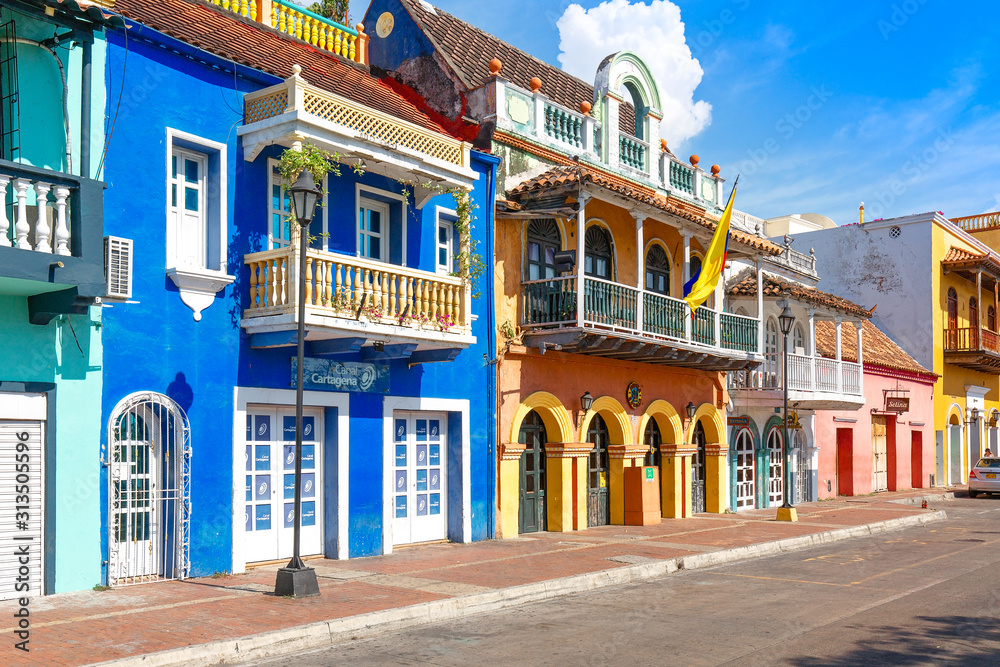
Cartagena, Colombia: The walled city is walkable, beautiful, and has a social hostel scene in Getsemaní. Easy day trips to the islands. Manageable scale for solo navigation.
Bogotá, Colombia: Often overlooked but excellent for solo travellers interested in culture and urban life. The Gold Museum, the Botero Museum, and the La Candelaria neighbourhood are rich solo exploration territory; the La Macarena restaurant district has excellent dining.
Santiago, Chile: Safe, efficient, and easy to navigate. Less of a backpacker vibe than Buenos Aires or Medellín, but excellent for solo travellers who prefer a more independent, city-exploration style.
Specific Solo-Friendly Experiences
Inca Trail (Peru): You are assigned to a group even when booking as a solo traveller. This is one of the best ways to make friends quickly — four days of shared physical challenge creates genuine bonds.
Salar de Uyuni tours (Bolivia): The standard three-day tour assigns solo travellers to jeep groups of six. A small, shared Jeep on the world's largest salt flat for three days is an extremely efficient friend-making mechanism.
Galápagos cruises: The forced intimacy of a small vessel for several days is either the best or worst possible environment for solo travellers depending on the group dynamic. On a good boat, it's extraordinary.
Practical Logistics for Solo Travellers
Money
Solo travellers pay the same accommodation costs as those in groups (the solo supplement is real — a double room costs the same whether one or two people use it). Budget for this: a solo traveller will spend significantly more on accommodation per day than someone sharing costs with a partner.
Carry multiple forms of payment:
- ATM card for local cash withdrawal
- Credit card for hotels and larger purchases
- A small emergency cash reserve in USD (widely accepted in an emergency) separate from your main wallet
Communication
A local SIM card purchased in each country you visit is the most cost-effective solution. Local data plans in South America are generally cheap and allow Uber/Cabify navigation, WhatsApp communication, Google Maps, and translation apps.
WhatsApp is the dominant messaging platform in South America — used for everything from hostel bookings to ordering food. Download it before you go.
Keeping People Informed
Solo travel comes with the responsibility of letting someone know your plans. Establish a communication protocol with someone at home — even a weekly "I'm fine, here's my location" message. Many experienced solo travellers use the TripIt app to share itineraries with a trusted contact.
Language
Spanish is spoken in twelve of the thirteen South American nations (Brazil uses Portuguese). A functional level of Spanish dramatically improves the solo travel experience: you can negotiate with guesthouses, ask locals for recommendations, navigate transport, and engage in the casual conversations that often become the best memories of a solo trip.
Apps like Duolingo provide a useful foundation, but actual practice — with fellow travellers, hostel staff, market vendors — accelerates learning faster than any app. Dive in, make mistakes, and don't be embarrassed.
For Brazil specifically: Portuguese is sufficiently different from Spanish that Spanish speakers will not be understood. However, Portuguese is relatively accessible for Spanish speakers to learn the basics quickly.
Packing for South American Solo Travel
The golden rule for solo travel: pack light. You will be carrying your own bag at all times — through bus stations, up hostel stairs, on boats. Every extra kilogram you carry is a burden on difficult travel days.
Essentials specific to solo travel:
- A lightweight padlock for hostel lockers
- A hidden money belt or security wallet for passports and backup cash
- Copies of all important documents stored separately and in cloud storage (Google Drive or similar)
- A good offline maps app (Maps.me or Google Maps with downloaded offline maps)
- A portable phone charger (power banks)
- A basic first aid kit — particularly useful in remote areas
The Emotional Reality of Solo Travel in South America
Solo travel in South America will push you. There will be days when everything goes wrong simultaneously — the bus is cancelled, your hostel double-booked your room, your card doesn't work at the only ATM in town, and you are exhausted and altitude-sick at 3,400 metres in a place where nobody speaks your language. These days happen. They are, in retrospect, almost universally the days that generate the best stories and the most growth.
There will also be days when everything lines up perfectly: the sunrise over the Salinas Grandes when you're the only person there, the moment a group of fellow travellers you met forty-eight hours ago becomes your closest friends for the next two weeks, the arrival at Machu Picchu through the Sun Gate after four days of hiking. These moments are why people go.
South America is not an easy continent. But it is a continent that rewards exactly the kind of engagement that solo travel demands — curiosity, flexibility, openness, and a willingness to be changed by the experience.
Go alone. You will not regret it.