Why South America for a Honeymoon
South America's combination of extraordinary landscapes, intimate luxury lodges in remote settings, exceptional food and wine, and the inherent romance of exploring something genuinely new together makes it one of the world's finest honeymoon destinations. The continent offers a range that few other destinations match: the colonial grandeur of Cartagena, the wilderness intimacy of Patagonia, the otherworldly remoteness of the Galápagos, and the sophisticated urban romance of Buenos Aires and Mendoza. A 3-week South America honeymoon that combines two or three of these elements is a genuinely extraordinary start to a marriage.
What sets South America apart from traditional European or Caribbean honeymoons is the sense of genuine adventure combined with world-class luxury. You'll find yourselves in landscapes that feel untouched by tourism — watching condors soar over glacial lakes, swimming alongside marine iguanas in pristine waters, or dining on phenomenal wines in vineyard settings with no other tourists visible. The continent rewards couples who want their honeymoon to be more than just relaxation; it offers transformation through shared exploration of some of Earth's most remarkable environments.
The practical advantages are significant too. South America's position in the southern hemisphere means you can escape northern winter for genuine summer warmth (December-March), while the relatively favourable exchange rates against most Western currencies mean luxury experiences cost 30-40% less than equivalent quality in Europe or North America. Flight connections have improved dramatically — direct flights from major US cities to Lima, Bogotá, and Buenos Aires make the continent more accessible than ever.
Galápagos: The Luxury Cruise Honeymoon
A luxury Galápagos live-aboard cruise (Ecoventura Origin, Celebrity Flora, Silversea Silver Origin) is one of the most intimate and extraordinary honeymoon experiences available anywhere. The small vessel sizes (maximum 16–20 guests on luxury boats), the remote island settings where you genuinely feel alone in the world, and the wildlife encounters — swimming with sea lions, watching albatross courtship dances together — create an intensity of shared experience that is rare in conventional travel. Cost: $700–1,200/night all-inclusive. An 8-day cruise: $5,600–9,600/couple — expensive, unforgettable.
The Galápagos experience operates on a different register from conventional cruise tourism. Your days begin with zodiac landings on uninhabited islands where the wildlife shows no fear of humans — you'll find yourselves photographing blue-footed boobies from three feet away, watching giant tortoises lumber past your feet, or snorkelling alongside hammerhead sharks in crystal-clear waters. The afternoon siestas on deck, with only the sound of frigate birds and gentle waves, create a meditative intimacy that many couples describe as the most peaceful moments of their honeymoon.
Timing matters significantly in the Galápagos. The warm season (December-May) offers calmer seas and better snorkelling conditions, while the cool season (June-November) brings more active wildlife but rougher crossings between islands. For honeymoons, the warm season generally provides the more romantic experience, though serious wildlife enthusiasts might prefer the cooler months when marine life is most abundant. Book 6-12 months ahead for the best cabins on luxury vessels.
Patagonia: The Wilderness Romance
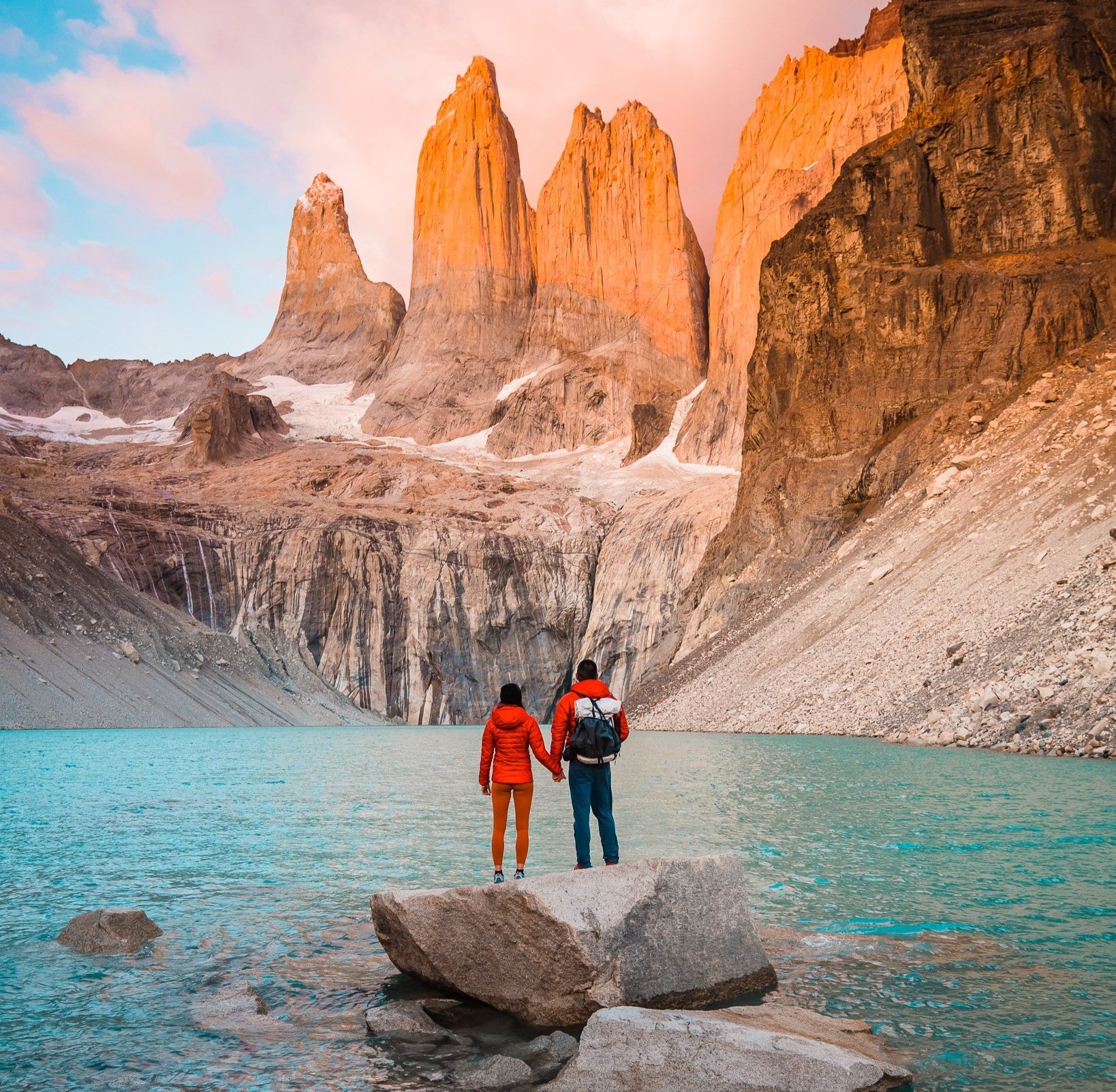
Explora Patagonia or Awasi Patagonia (see our luxury lodges guide) offer the most intimate wilderness experiences available in South America — private guides, bespoke daily programmes, extraordinary food, and a landscape of savage beauty that no photograph adequately captures. Watching the Paine towers turn pink at dawn from a private hot tub, then walking silently through beech forest with your own guide, represents a kind of honeymoon that is genuinely unlike anything available in conventional tourist destinations. Awasi's 12-villa model means you can have the entire 'hotel' to yourselves for private hire during low season.
Patagonia's appeal lies in its complete remoteness from the familiar world. At Explora Patagonia, positioned directly facing the Torres del Paine, you'll wake to landscapes so dramatic they seem almost fictional — jagged granite towers rising from turquoise lakes, glaciers calving into fjords, and condors circling overhead in absolute silence. The lodge's floor-to-ceiling windows mean the landscape becomes part of your room, while the spa and outdoor hot tubs provide perfect venues for watching the Patagonian light show that occurs each dawn and sunset.
The guided exploration programme allows couples to tailor each day to their energy and interests. You might spend one morning horseback riding across the pampas with guanacos running alongside, then afternoon trekking to hidden waterfalls, followed by evening wine tastings featuring Argentina's best Malbecs while the towers glow orange in the distance. The guides are exceptional — multilingual naturalists who can explain everything from glacial geology to gaucho culture while ensuring you find the most photogenic viewpoints and wildlife encounters.
Weather in Patagonia is famously unpredictable, but this uncertainty becomes part of the adventure. The region's position at the intersection of weather systems means you might experience four seasons in a single day, creating constantly changing light conditions that photographers dream of. The best months are October-April, with December-February offering the warmest temperatures and longest days (sunset after 10 PM in midsummer).
Cartagena: Caribbean Colonial Romance
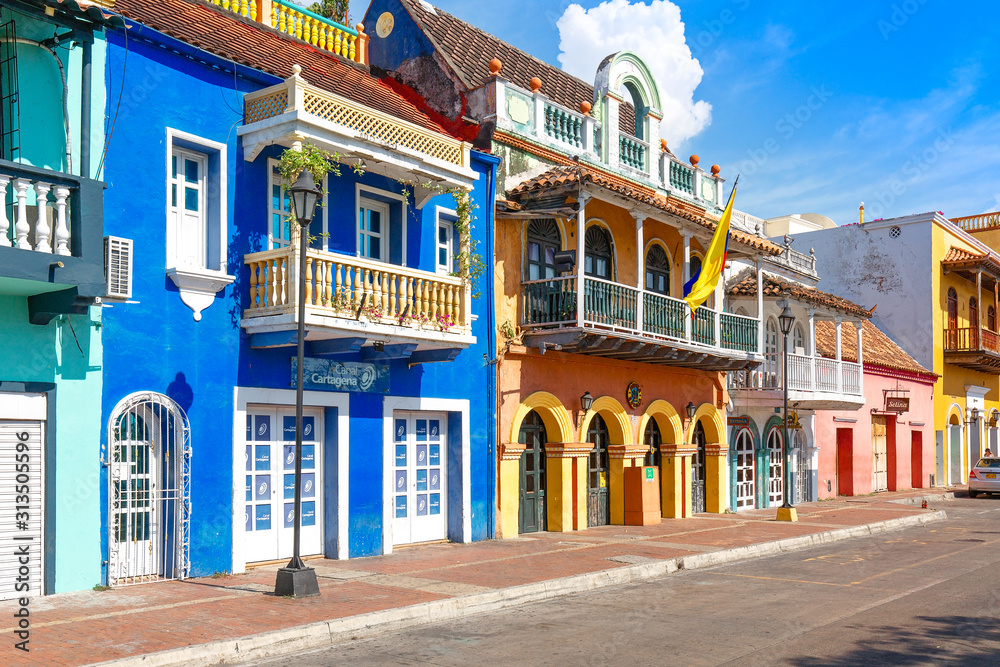
Two or three nights in the Sofitel Legend Santa Clara or Casa San Agustín (see our Cartagena hotel guide) — a colonial convent or mansion in the walled city — combined with days at the Rosario Islands and evenings wandering the illuminated cobblestone streets is one of the most classically romantic city-break experiences in Latin America. Cartagena at dusk, with the bougainvillea-draped balconies and the Caribbean light on the colonial facades, is genuinely beautiful in a way that photographs but also rewards being there in person.
The genius of Cartagena lies in its compact perfection — the entire walled city can be explored on foot in two days, yet every corner reveals new details worthy of extended contemplation. Start each morning with café con leche and fresh arepas at one of the plaza-side cafés, then spend leisurely hours exploring the maze of narrow streets, hidden courtyards, and museum-quality colonial churches. The afternoon heat provides the perfect excuse for siesta time back at your hotel's courtyard pool or spa.
The evening ritual in Cartagena is magical: as the Caribbean sun sets, the entire walled city transforms into a golden-hour photographer's paradise. Street musicians begin playing in the plazas, restaurant terraces fill with diners, and the massive stone fortifications glow honey-coloured against the deepening Caribbean sky. Dinner at restaurants like La Vitrola or Alma requires reservations but rewards couples with exceptional Caribbean-Mediterranean fusion cuisine served in centuries-old courtyards.
The Rosario Islands day trip, just 45 minutes by speedboat from Cartagena's harbour, adds a pure Caribbean beach element to the colonial city experience. The boutique resort options on Isla Grande or private beach clubs on smaller islands offer pristine white sand, crystalline waters, and seafood lunches served literally on the beach. Many couples split their Cartagena time between two nights in the walled city and one night on the islands for the full Caribbean experience.
Mendoza Wine Country: The Vineyard Honeymoon
Argentina's Mendoza wine region — 90-minute flight from Buenos Aires, 1.5 hours from Santiago — offers a completely different South America honeymoon register: vineyard hotels (The Vines Resort in the Uco Valley is the most celebrated), gourmet asado lunches under the vines, horseback riding through the Malbec rows, and the Andes rising above the vineyard horizon. Intimate, sophisticated, and significantly less expensive than the Galápagos or Patagonia options. Three to four nights at The Vines ($400–600/night): a perfect add-on to a Buenos Aires leg.
Mendoza's wine country operates at a more leisurely pace than traditional honeymoon destinations — here, the rhythm of your days follows the vineyard calendar and the mountain light. Mornings begin with horseback rides through the vine rows while the Andes catch the first light, followed by private tastings at family-owned bodegas where third-generation winemakers pour their best reserves while explaining terroir differences between sub-regions. The afternoon heat creates perfect conditions for poolside time at your vineyard hotel, with the dramatic Andes providing a backdrop that changes colour throughout the day.
The food culture in Mendoza rivals anywhere in South America for honeymoon dining. The region has attracted celebrity chefs who've created restaurants that showcase both world-class Argentine beef and sophisticated vegetarian cuisine designed to complement the local wines. Francis Mallmann's 1884 restaurant in the city of Mendoza is legendary among food enthusiasts, while smaller vineyard restaurants like Ruca Malen offer more intimate settings where you can dine literally among the vines.
The Uco Valley, about 90 minutes south of Mendoza city, represents the premium wine region where altitude (3,000+ feet) and Andes proximity create ideal conditions for Argentina's best Malbecs. Stay at The Vines Resort or similar and your room will look directly over vineyard rows to snow-capped peaks. The harvest season (March-April) is spectacular for honeymoons — you can participate in grape picking, barrel tastings, and harvest dinners that extend late into warm autumn evenings.
Buenos Aires: Urban Romance and Tango Nights
Buenos Aires brings European sophistication to South America in ways that surprise first-time visitors. The city's Palermo and Recoleta neighbourhoods offer world-class restaurants, intimate wine bars, and boutique hotels housed in belle époque mansions that rival Paris or Vienna for romantic atmosphere. The legendary tango culture provides an authentic cultural immersion that many couples find transformative — private tango lessons followed by milonga nights in traditional dance halls create shared memories that last long after the honeymoon ends.
The porteño lifestyle perfectly suits honeymoon rhythms — late breakfasts at pavement cafés, long lunches that extend into afternoon wine sessions, evening aperitifs, and dinners that rarely begin before 10 PM. The city rewards couples who embrace this relaxed schedule, allowing plenty of time for wandering through San Telmo's antique markets, exploring Palermo's hidden speakeasies, or simply people-watching from plaza-side café tables.
Buenos Aires' cultural offerings are exceptional for a South American city — world-class museums, opera performances at the stunning Teatro Colón, and neighborhood festivals that happen almost weekly. The city's famous steak culture means every evening can include exceptional dining, while the burgeoning cocktail scene offers sophisticated nightlife options in intimate settings perfect for couples.
South America Honeymoon Itinerary: The Classic Combination
For couples wanting the full range: Cartagena (3 nights, colonial romance and Caribbean islands) → Galápagos (7 nights luxury cruise) → Buenos Aires (3 nights, tango, steak, and urban sophistication) → Mendoza wine country (3 nights). Total: 16 nights. A complete and extraordinary honeymoon at a total cost of $8,000–15,000/couple depending on cruise category chosen — comparable to or less than many European honeymoons at equivalent quality.
This classic routing works logistically because it follows natural flight patterns and climate zones. Starting in Cartagena allows you to acclimatize to South America gradually — the city's compact size and tourist infrastructure make it an ideal introduction to the continent. The Galápagos follows naturally (via Guayaquil), providing the wilderness adventure component when you're fully adjusted and energetic. Buenos Aires offers urban sophistication as a counterpoint to the nature experiences, while Mendoza provides a relaxed finale that lets you decompress before returning home.
Alternative routings work depending on your priorities. Nature-focused couples might skip Buenos Aires entirely and add Chilean Patagonia or Peru's Sacred Valley. Wine enthusiasts could extend Mendoza to include Chile's Casablanca Valley. Beach lovers might add Brazil's Ilha Grande or Ecuador's Pacific coast. The key is maintaining a balance between adventure, relaxation, and cultural immersion while allowing sufficient time in each destination to justify the travel involved.
Best Time to Visit South America for Your Honeymoon
South America's size means different regions have optimal seasons at different times, making year-round honeymoon planning possible with proper destination selection. The general rule: December-March is summer in the southern hemisphere (ideal for Patagonia, Mendoza, Buenos Aires), while the equatorial regions (Galápagos, Cartagena) have less seasonal variation but distinct wet and dry periods.
For the classic combination itinerary, December-February offers the best overall conditions — Patagonian summer, Mendoza harvest season, Buenos Aires warmth, and acceptable Galápagos conditions. March-April can be exceptional for wine country visits during harvest, while offering stable weather in most other regions. Avoid May-August unless you're specifically targeting the Galápagos cool season or don't mind Patagonian winter conditions.
Cartagena and the Caribbean coast maintain warm temperatures year-round but have distinct wet (September-November) and dry (December-April) seasons. The dry season obviously offers better conditions for island hopping and outdoor activities. The Galápagos actually has two good seasons: warm/wet (December-May) for better snorkelling and calmer seas, and cool/dry (June-November) for more active wildlife but rougher ocean conditions.
Practical Planning Tips for Your South America Honeymoon
South America honeymoon planning requires more advance preparation than European destinations but rewards careful planning with extraordinary experiences. Book Galápagos cruises 6-12 months ahead — the best luxury vessels sell out quickly, especially for prime season departures. Patagonia lodges similarly require early booking, particularly during the short summer season when weather is most reliable.
Visa requirements are minimal for most Western passport holders — tourist cards on arrival for most countries, though some require small reciprocity fees paid online before departure. Yellow fever vaccination is recommended for certain regions but not required for the main honeymoon destinations discussed here. Consult travel medicine clinics 6-8 weeks before departure for current recommendations.
Currency considerations vary by country. Ecuador (Galápagos) uses US dollars, making transactions simple for American couples. Argentina has complex currency regulations that can make credit card usage expensive — bring US dollars for better exchange rates. Colombia and Chile have stable currencies with good credit card acceptance in tourist areas. Consider informing your banks about travel plans to avoid card blocks in remote locations.
Travel insurance becomes especially important for South America honeymoons given the adventure activities and remote locations involved. Look for policies that specifically cover cruise evacuation, wilderness rescue, and trip interruption due to weather — all potential issues in destinations like the Galápagos or Patagonia. Many luxury cruise lines and lodges can recommend specialized travel insurance providers familiar with South American travel challenges.
What to Pack for a South America Honeymoon
Packing for a South America honeymoon requires versatility given the climate and activity range involved. The key is layering systems that work from Caribbean heat to Patagonian winds, plus specific gear for unique activities like Galápagos snorkelling or wine country horseback riding.
Essential clothing includes lightweight, quick-dry fabrics for hot climates, warm layers for mountain and southern destinations, and at least one set of elegant evening wear for upscale restaurants and tango venues. Comfortable walking shoes are crucial for colonial city cobblestones, while hiking boots become necessary for any Patagonian exploration. Pack rain gear regardless of season — weather in South America can be unpredictable.
Activity-specific items include snorkelling gear if you're particular about fit and hygiene (though quality equipment is provided on luxury Galápagos cruises), binoculars for wildlife viewing, and a good camera with extra batteries and memory cards — you'll take more photos than anticipated. Sun protection is critical at all destinations due to strong UV exposure, especially at altitude in Mendoza or on reflection-intensive water/glacier environments.
Electronics considerations include universal adapters (South American countries use various plug types), portable chargers for long excursion days, and potentially a waterproof phone case for water-based activities. Consider bringing US dollars in small bills for tips and small purchases, as credit card acceptance varies significantly between luxury hotels and local vendors.
Local Cuisine and Dining Experiences
South America's culinary landscape offers honeymoon dining experiences that rival any global destination, from Peruvian-Japanese fusion in Lima to sophisticated Argentine steakhouses in Buenos Aires. Each region brings distinct flavours and dining cultures that become integral parts of the honeymoon experience rather than simply sustenance between activities.
Colombian cuisine in Cartagena blends Caribbean, indigenous, and Spanish influences into dishes like fresh ceviche, grilled whole fish with coconut rice, and tropical fruit preparations that provide perfect accompaniments to rum-based cocktails and cold beer. The city's restaurant scene has exploded in recent years, offering everything from street food tours through local markets to high-end establishments serving sophisticated interpretations of coastal Colombian cuisine.
Argentine food culture centers around exceptional beef, world-class wines, and social dining traditions that extend meals into evening-long social events. Buenos Aires restaurants like Don Julio or La Cabrera offer legendary steak experiences, while Mendoza combines premium wines with regionally-sourced ingredients in settings that overlook vineyard landscapes. The Argentine tradition of sharing multiple courses over several hours perfectly suits honeymoon pacing.
Galápagos cuisine focuses on ultra-fresh seafood prepared simply to highlight natural flavors — think perfectly grilled lobster, ceviche made from fish caught that morning, and tropical fruits you've likely never encountered. Luxury cruise dining rooms offer gourmet interpretations of Ecuadorian and international cuisine, while respecting sustainable sourcing practices essential for protecting the fragile island ecosystem.