The Short Answer
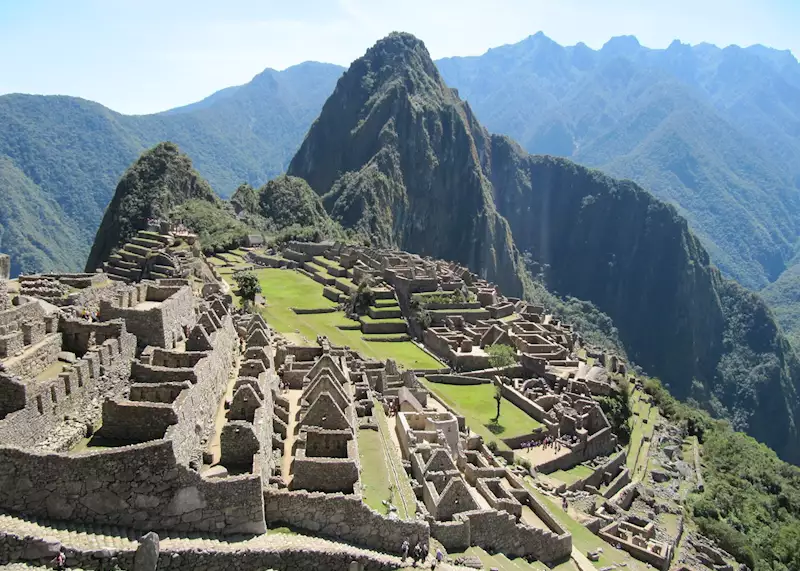
Bogotá is genuinely worth 3–4 dedicated days. It is one of the most culturally rich, gastronomically interesting, and architecturally surprising cities in South America — and one of the most underappreciated. The altitude (2,600 metres — higher than Machu Picchu) and the city's enormous scale (13 million people) can be initially daunting, but the barrios worth visiting are concentrated and walkable, and the quality of things to do in Bogotá Colombia is exceptional.
Best Time to Visit Bogotá
Bogotá's high-altitude location on the Andean plateau means it enjoys a stable, cool climate year-round — the eternal spring that locals call it. Temperatures rarely exceed 20°C (68°F) or drop below 6°C (43°F), making it one of the few capitals where weather isn't a major factor in travel planning. However, there are still optimal times to visit.
The driest months are December through March and July through August, when afternoon showers are less frequent. These are ideal for walking tours of La Candelaria and outdoor activities like the Ciclovía. The wettest periods are April-May and October-November, though rain typically comes as afternoon downpours rather than all-day drizzle — morning activities are rarely affected.
Cultural considerations matter more than weather. December brings Christmas markets and festivities, making it magical but crowded. January-February sees fewer tourists but all the museums and attractions remain open. Festival de Teatro (March/April, every two years) is the world's largest theatre festival, transforming the city into a stage. For the best balance of weather, crowd levels, and city energy, plan your visit for January-February or July-August.
La Candelaria: The Historic Heart
La Candelaria is Bogotá's colonial centre — a compact grid of narrow streets, 17th and 18th-century buildings, and some of the best museums in South America. The Museo del Oro (Gold Museum) houses 55,000 pre-Columbian gold artefacts — the finest collection anywhere in the world, with individual pieces of such technical mastery that the craftsmanship is difficult to attribute to any pre-industrial society. The Museo Botero houses Fernando Botero's personal art collection, which he donated to the city — extraordinary Botero works alongside his personal acquisitions including Renoir, Monet, and Dalí. The Monserrate cable car (or funicular) rises 500 metres above the city to a shrine church with views over Bogotá's endless urban sprawl stretching to the horizon.
Start your exploration at Plaza Bolívar, the grand central square surrounded by the Cathedral, National Capitol, Palace of Justice, and Mayor's Office — a complete collection of Colombian institutional power in one square. The Cathedral houses the tomb of Gonzalo Jiménez de Quesada, Bogotá's Spanish founder, while the Palace of Justice bears historical significance as the site of a tragic 1985 siege that marked a turning point in Colombian history.
Walking through La Candelaria's streets reveals layers of history at every turn. Calle del Embudo (Funnel Street) is so narrow that two people can barely pass each other — a medieval urban planning relic in the New World. The Casa del Florero marks the spot where the independence movement began in 1810, over a borrowed vase. The stunning Iglesia del Carmen with its distinctive red and white striped facade stands out among the colonial architecture like a beacon.
The street art scene in La Candelaria has exploded in recent years, with massive murals covering entire building walls. The Bogotá Graffiti Tour, running daily from Plaza del Chorro de Quevedo, explains the political and social context behind the art while guiding visitors through the historical quarter's evolution from colonial administrative centre to artistic hub.
Getting Around Bogotá
Navigating Bogotá efficiently requires understanding the city's unique geography and transport systems. The city stretches north-south along the base of the Andes mountains, with addresses following a grid system that can initially confuse but ultimately helps orientation. Streets (calles) run east-west, while avenues (carreras) run north-south, with numbers increasing as you move north and west respectively.
The TransMilenio bus rapid transit system is the backbone of public transport — dedicated bus lanes with station platforms that function like above-ground metro stops. The main trunk lines connect north-south, with the system extending to 114 stations across the city. A single journey costs 2,950 Colombian pesos (under $1 USD), paid via the TuLlave card available at any station. During rush hours (7-9am and 5-7pm), expect significant crowds and delays.
For visitors, ride-sharing apps Uber, Cabify, and local favourite DiDi are safer and more convenient than traditional taxis, particularly for reaching attractions outside the main corridors. Expect 30-45 minute journey times between distant neighbourhoods like La Candelaria and Usaquén due to traffic congestion that rivals anywhere in Latin America.
The most pleasant way to experience central Bogotá is walking, particularly in the concentrated cultural areas. La Candelaria's main attractions lie within a 10-block radius, while the Zona Rosa and Parque 93 areas are similarly walkable. However, the high altitude means even fit travellers may feel breathless during their first day — take frequent breaks and stay hydrated.
Is Bogotá Safe for Tourists?
The safety picture is nuanced. Specific areas — La Candelaria during the day, the Zona Rosa and Usaquén in the north, and the Parque 93 area — are perfectly safe for visitors with normal precautions. Other areas require more caution. The practical rules: use Uber or Cabify for all transport, avoid displaying phones and cameras on the street, do not go to La Candelaria after dark, and apply the same common-sense awareness you would in any major Latin American city. The improvement in Bogotá's safety over the past decade is real and significant — the city of 2026 is categorically safer than the city of 2010.
Petty crime, particularly phone snatching and pickpocketing, remains the primary concern for tourists. Thieves often work in pairs on motorcycles, grabbing phones from unsuspecting pedestrians. Keep valuables in inside pockets, avoid wearing expensive jewelry, and be particularly cautious at bus stops and while waiting for ride-shares. ATM skimming occurs, so use machines inside banks rather than street-side ATMs.
The northern neighbourhoods — Zona Rosa, Chapinero, Usaquén — maintain strong police presence and security. These areas feel more like affluent districts in any major world city, with outdoor dining, bustling nightlife, and families with children throughout the day. Tourist police patrol La Candelaria's main squares and museum areas daily, and the Monserrate cable car station has comprehensive security screening.
Emergency numbers worth knowing: 123 for general emergencies, 112 for police. Tourist police specifically can be reached at +57 1 243-1900. Most hotels provide 24-hour security and can arrange safe transport to any destination in the city.
Usaquén: The Antiques Market
Usaquén, in Bogotá's north, is an annexe colonial village absorbed by the expanding city — it retains its own plaza and colonial character while being surrounded by Bogotá's affluent northern barrios. Every Sunday, the plaza fills with an antiques and craft market that is genuinely excellent — old books, colonial furniture, indigenous textiles, and artisan crafts alongside excellent food stalls. The market runs from 10am to 7pm; combine with lunch at one of the plaza's restaurants.
Beyond the Sunday market, Usaquén functions as Bogotá's premier shopping and dining district. The colonial buildings surrounding the plaza house boutique hotels, art galleries, and some of the city's finest restaurants. Calle 119 and Carrera 15 form the commercial heart, with international brands alongside Colombian designers and local artisan workshops.
The market itself deserves deeper exploration. Indigenous vendors from across Colombia bring textiles, pottery, and crafts representing dozens of different tribal traditions. Pre-Columbian reproduction jewelry sits alongside genuine colonial-era religious art and furniture. Book lovers find Spanish-language first editions and historical documents, while music enthusiasts discover rare vinyl records of Colombian vallenato, cumbia, and salsa masters.
Food stalls offer regional specialties from across Colombia — arepa de huevo from the Caribbean coast, bandeja paisa from Antioquia, sancocho from the Pacific coast. Local families treat the market as their Sunday social gathering, creating an authentic community atmosphere that makes tourists feel like participants rather than observers.
The Food Scene
Bogotá's food scene has undergone a transformation over the past decade that now places it among the best in Latin America. Leonor Espinosa's Leo restaurant was named Best Restaurant in Latin America in 2023 — her exploration of Colombia's biological and cultural diversity through a constantly evolving tasting menu is extraordinary. More accessibly, the city's street food tradition (arepas, buñuelos, empanadas, tamales, changua) is excellent and ubiquitous. The Mercado de Paloquemao, open daily from 6am, is one of the great food markets in South America — Colombia's extraordinary tropical fruit diversity (over 200 species) on display in vivid abundance.
The street food culture offers an authentic taste of Bogotá daily life. Changua, a traditional breakfast soup made with milk, water, eggs, and scallions, might sound unappetizing but becomes addictive once tried — find the best versions at local markets before 9am. Ajiaco, Bogotá's signature dish, combines three types of potatoes with chicken, corn, and guasca (a local herb) in a hearty soup served with cream, capers, and rice. Tamales bogotanos, wrapped in banana leaves and steamed for hours, contain pork, chicken, rice, peas, and carrots — Sunday breakfast tradition throughout the city.
The fine dining revolution extends beyond Leo to dozens of innovative restaurants. Criterión, run by French chef Mark Rausch, pioneered modern Colombian cuisine by elevating traditional ingredients with European techniques. Harry Sasson's eponymous restaurant combines international influences with Colombian products in a sophisticated setting that attracts business leaders and celebrities. El Chato focuses specifically on forgotten Colombian ingredients, researching and reviving traditional preparation methods.
Coffee culture permeates Bogotá despite the city's location far from the main growing regions. Third-wave coffee shops like Amor Perfecto, Azahar Coffee, and Devotion source directly from Colombian farms, offering single-origin pour-overs and espresso drinks that rival the world's best coffee cities. The contrast between these specialist cafes and traditional tiendas (corner shops) serving sweet, instant coffee illustrates Colombia's evolving relationship with its most famous export.
The Ciclovía
Every Sunday and public holiday, Bogotá closes 120km of its main avenues to cars and opens them exclusively to cyclists, skaters, and pedestrians — the Ciclovía. Approximately 2 million Bogotanenses participate on a typical Sunday. Renting a bike at the Ciclovía and cycling from La Candelaria north through the Parque Nacional and up to Usaquén is one of the great free urban experiences in South America.
The Ciclovía runs from 7am to 2pm, transforming major arteries like Carrera 7, Carrera 15, and Avenida Caracas into car-free zones. Rental stations appear every few kilometers, charging 15,000-20,000 pesos (about $5 USD) for the day. The route passes through dramatically different neighbourhoods — colonial La Candelaria, middle-class residential areas, the university district, affluent Zona Rosa, and finally suburban Usaquén.
What makes the Ciclovía special is its social dimension. Entire families participate, from grandparents walking with their grandchildren to serious cyclists training for competitions. Food vendors set up along the route selling fresh fruit juices, empanadas, and agua de panela (sugar cane water). Street performers, musicians, and dancers create impromptu entertainment at major intersections and parks.
The concept, pioneered in Bogotá in 1974, has inspired similar programs in cities worldwide. For visitors, it provides unique access to neighbourhoods that might otherwise feel intimidating or logistically difficult to explore. The gentle pace allows time to appreciate architectural details, street art, and social interactions that blur past from car windows during the week.
Museums and Cultural Sites
Bogotá's museum density rivals European capitals, with world-class collections housed in colonial palaces, republican mansions, and modern buildings throughout the city. Beyond the famous Gold Museum and Botero Museum, the National Museum occupies a former prison building and tells Colombia's complex history through artifacts spanning from pre-Columbian civilizations to contemporary art.
The Maloka Interactive Science Museum, particularly appealing to families, features hands-on exhibits explaining everything from Andean geology to space exploration. The Museum of Modern Art (MAMBO) showcases contemporary Colombian and Latin American artists alongside rotating international exhibitions. Casa de Moneda displays the history of currency and economic development in a beautifully preserved colonial mint building.
Religious art reaches extraordinary heights at the Museo Colonial and the Iglesia de San Francisco, where golden altarpieces demonstrate the wealth and artistic ambition of colonial Bogotá. The Quinta de Bolívar, where Simón Bolívar lived during his final years, provides insight into the independence era through personal belongings, letters, and period furniture arranged in rooms he actually occupied.
Free museum days occur monthly, typically the first Sunday, though crowds increase significantly. The best strategy involves visiting major museums early in the morning (opening times usually 9am) to avoid both crowds and afternoon rain showers. Most museums close Mondays, so plan accordingly.
What to Pack for Bogotá
Packing for Bogotá requires preparation for variable mountain weather and urban exploration. The high altitude creates unique conditions — bright sun during the day can quickly give way to afternoon rain and cool evenings. Temperature variations of 15°C (27°F) between day and night are common, making layering essential.
Essential items include a waterproof jacket or packable rain poncho for sudden downpours, comfortable walking shoes with good traction for cobblestone streets, and warm layers for air-conditioned buildings and evening activities. The strong UV radiation at 2,600 meters elevation requires high-SPF sunscreen and sunglasses, even on cloudy days.
Altitude can affect some visitors, causing headaches, shortness of breath, and fatigue during the first 24-48 hours. Packing basic altitude sickness medication, electrolyte supplements, and staying extremely well-hydrated helps adaptation. Caffeine can worsen altitude symptoms, so consider reducing coffee intake initially despite Bogotá's exceptional coffee culture.
For technology, bring a portable phone charger and keep devices secure — phone theft remains common. A money belt or hidden wallet helps protect cash and cards. Colombia uses Type A and Type B electrical outlets (same as North America), so US travelers don't need adapters, while Europeans require plug adapters.
Pack modest clothing for visiting churches and formal attractions. While Bogotá is cosmopolitan and relaxed about dress codes, religious sites require covered shoulders and long pants. Business districts like the Zona Rosa accommodate international fashion standards, but flashy jewelry or obvious wealth displays attract unwanted attention.
Day Trips from Bogotá
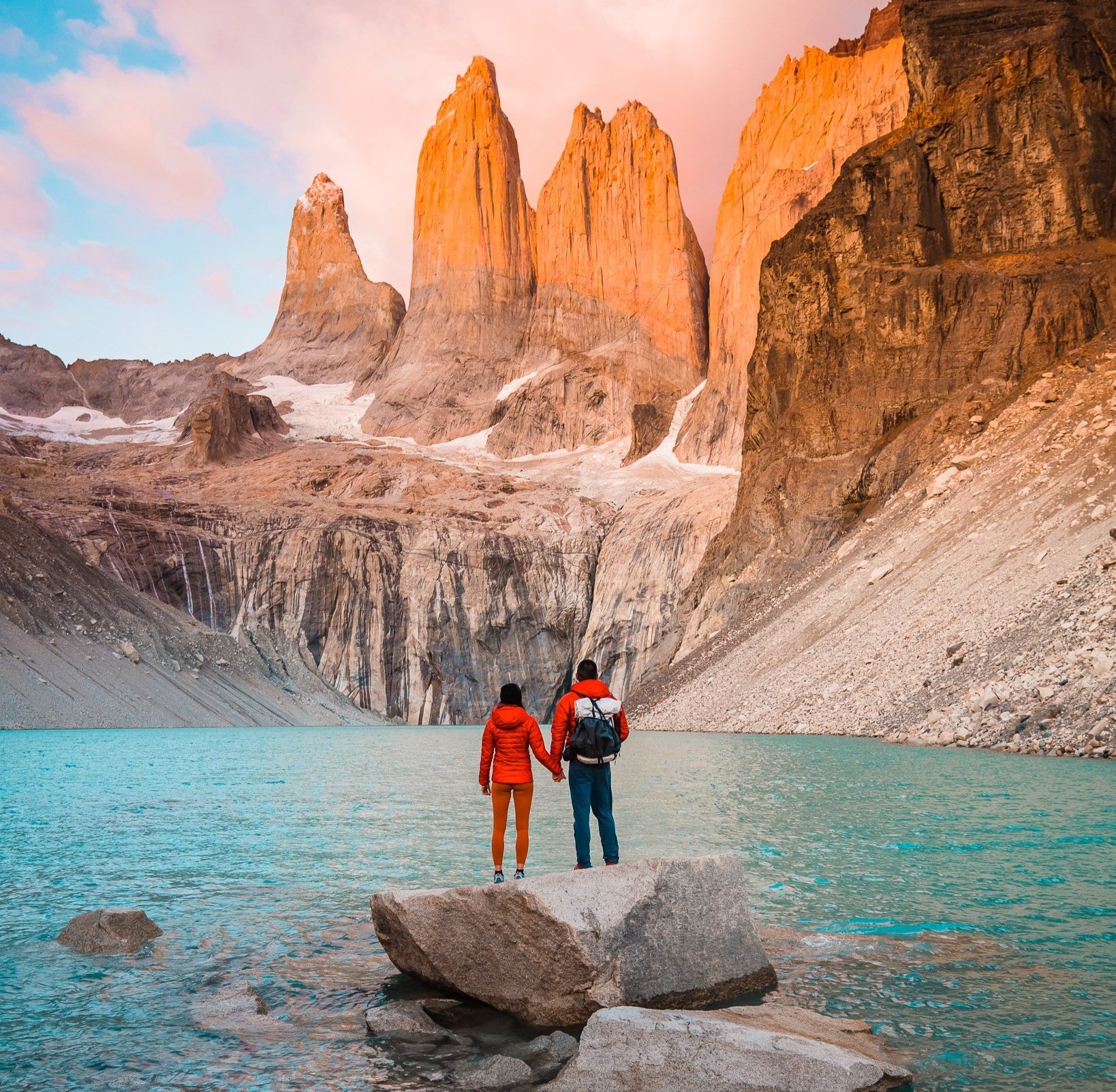
The Salt Cathedral of Zipaquirá, 49km north of Bogotá, is one of Colombia's most extraordinary constructions — a complete working Catholic cathedral excavated inside a salt mountain, with crosses and chapels carved from salt walls 75 metres underground. Easily combined with the nearby colonial town of Villa de Leyva in a 2-day trip. Guatavita, the sacred lake of the El Dorado legend (the original source of the myth), is 75km from Bogotá. For those planning to explore more of Colombia, Cartagena makes an excellent addition to your itinerary with its stunning colonial architecture and Caribbean coast. Consider also visiting other iconic South American destinations like Patagonia for dramatic landscapes, Rio de Janeiro for vibrant beach culture, or the Amazon Rainforest for an unforgettable wildlife experience.
Villa de Leyva, a 3-hour drive from Bogotá, preserves colonial architecture so completely that the entire town functions as a living museum. The main plaza, paved with massive stones and surrounded by white buildings with red tile roofs, hosts weekend markets and festivals throughout the year. The town's elevation (2,100 meters) makes it warmer than Bogotá while maintaining the crisp mountain air. Paleontological museums display fossils found in the surrounding hills, including complete dinosaur skeletons and prehistoric marine life from when this area lay under ancient seas.
The Guatavita Lake tour involves a 2-hour guided hike around the crater lake where Muisca people performed the gold-throwing ceremonies that inspired Spanish conquistadors to search for El Dorado. The lake itself, perfectly round and surrounded by green hills, provides a mystical setting for understanding pre-Columbian cultures. Archaeological evidence suggests ceremonies continued here until Spanish colonization, making it one of the New World's most significant indigenous religious sites.
Chingaza National Park, 50km east of Bogotá, protects páramo ecosystem — high-altitude moorlands found only in the northern Andes. Day hikes reveal unique plant life adapted to extreme conditions, including frailejones (giant rosette plants) and over 180 bird species. The park supplies 80% of Bogotá's drinking water, demonstrating the practical importance of conservation efforts. Well-maintained trails accommodate various fitness levels, from easy nature walks to challenging full-day hikes reaching 4,000 meters elevation.
Practical Tips for Visiting Bogotá
Money matters require advance planning in Bogotá. While credit cards work in upscale restaurants and hotels, cash remains essential for markets, street food, public transport, and small businesses. ATMs are widespread but often charge high fees — withdraw larger amounts less frequently rather than making multiple small withdrawals. The Tuellave card for public transport requires cash payment and cannot be topped up with credit cards.
Tipping follows Latin American standards rather than North American expectations. Restaurants automatically add 10% service charge to bills, with additional tipping optional for exceptional service. Taxi and Uber drivers don't expect tips, though rounding up to the nearest 1,000 pesos is appreciated. Hotel staff, tour guides, and massage therapists appreciate 10-15% tips for good service.
Language considerations matter less in Bogotá than in smaller Colombian cities. Tourist areas have English-speaking staff, but learning basic Spanish phrases significantly enhances the experience. Bogotá Spanish is considered among the clearest and most neutral in Latin America, making it an excellent place to practice language skills. Download Google Translate with offline Spanish for emergency communication.
Health precautions are minimal compared to other Colombian regions. No vaccinations are required for Bogotá visits, and the high altitude eliminates mosquito-borne disease risks like dengue or Zika. However, altitude adjustment affects most visitors initially — symptoms include headaches, shortness of breath, and fatigue during the first 1-2 days. Drink extra water, avoid excessive alcohol initially, and take activities slowly until acclimatized.
Shopping for Colombian products works best in specific locations. Emeralds, Colombia's most famous export after coffee, require careful purchasing from reputable dealers — the Emerald Trade Center in downtown Bogotá offers certified stones with authenticity guarantees. Coffee enthusiasts should visit Juan Valdez flagship stores or specialty roasters like Amor Perfecto for properly packaged beans suitable for international transport. Handicrafts reach highest quality at the Usaquén Sunday market or Artesanías de Colombia's flagship store rather than tourist-focused shops in La Candelaria.