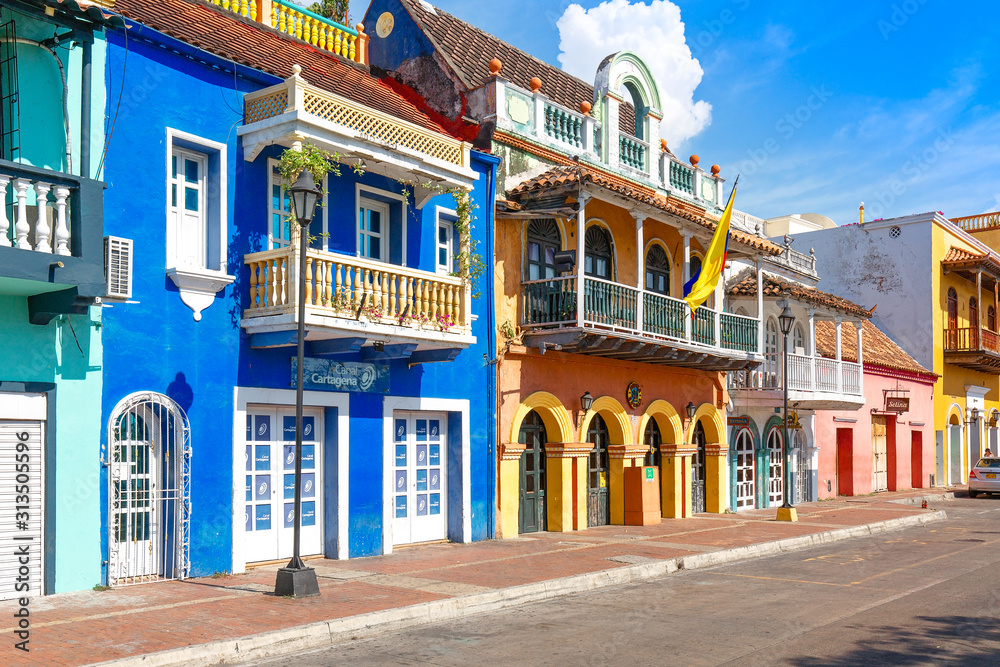
The Walled City (Centro Histórico)
The Centro Histórico — the area enclosed by Cartagena's 11km of 16th-century fortified walls — is the undisputed choice for first-time visitors and anyone who wants to be immersed in the city's colonial architecture. The streets within the walls are traffic-restricted, cobblestoned, and lined with brightly coloured buildings draped in bougainvillea. Plaza de Bolívar, the Cathedral, the Palace of the Inquisition, and the Gold Museum are all within easy walking distance. The concentration of boutique hotels here is extraordinary — converted colonial mansions with interior courtyards, rooftop pools, and rooms that feel like staying inside a history book.
The walled city is divided into distinct quarters, each with its own character. The San Diego quarter contains the most upscale hotels and restaurants, with streets like Calle de las Damas and Calle de la Artillería showcasing perfectly preserved colonial architecture. The Plaza de Armas area offers the highest concentration of boutique shopping, with local designers selling everything from emerald jewellery to handwoven textiles. The San Pedro quarter, closer to the clock tower entrance, buzzes with street performers and vendors, making it more vibrant but potentially noisier for light sleepers.
Within the walls, you'll discover hidden plazas like Plaza de Santa Teresa and Plaza de San Pedro, each with its own microclimate of cafés and bars. The ramparts themselves offer spectacular sunset walks — try the stretch between Baluarte de Santa Catalina and Baluarte de Santa Clara for the best views over the Caribbean. Early morning walks (6-8am) along the walls provide the most magical experience, when the golden light hits the colonial facades and the tourist crowds haven't yet arrived.
The Best Hotels in Cartagena's Walled City
The Sofitel Legend Santa Clara is the grandest address — a 17th-century Dominican convent whose former cells are now exquisitely appointed rooms. The Tcherassi Hotel (6 interconnected colonial houses, 16 rooms, curated by fashion designer Silvia Tcherassi) is the most stylish. Casa San Agustín offers 31 rooms across three restored colonial mansions with a pool courtyard. For mid-range options, El Marqués and Bastión Luxury Hotel offer excellent quality at $150–250/night. The walled city commands a premium — expect to pay 30–50% more than equivalent Cartagena hotels elsewhere in the city, and consider the premium well worth it for the location and atmosphere.
Beyond these flagship properties, Hotel Casa del Arzobispado offers exceptional value in the San Diego quarter — 15 rooms in a restored 17th-century archbishop's residence with rates typically 40% below the luxury competition. The hotel's rooftop terrace provides stunning views over the cathedral domes, and its location on Calle de la Compañía places you steps from the best shopping and dining.
Budget-conscious travellers shouldn't overlook the smaller boutique options. Hotel Casa Pestagua combines colonial charm with modern comfort in 25 rooms, while Casa Pombo (just 8 rooms) offers intimate luxury at mid-range prices. Both feature traditional interior courtyards that provide natural cooling — essential during Cartagena's hot afternoons. Book well in advance for peak season (December-February), when these smaller properties often achieve 100% occupancy.
Many walled city hotels don't have swimming pools due to space constraints and heritage preservation requirements. If pool access is important, prioritise properties like Casa San Agustín or the Sofitel, or consider staying in Getsemaní where pool-equipped hotels are more common and significantly cheaper.
Getsemaní: The Alternative Choice
Immediately adjacent to the walled city walls (a 5-minute walk from the main entrance), Getsemaní was until recently Cartagena's overlooked neighbourhood. A decade of gradual gentrification has transformed it into the most vibrant and creative district in the city — the best street art, the most interesting independent restaurants, the liveliest nightlife, and a genuine community feel that the tourist-polished walled city lacks. Prices are 30–40% lower than the walled city for comparable quality. Recommended for second-time Cartagena visitors, budget-conscious travellers, and anyone who finds the sanitised perfection of the old city slightly airless after a few days.
The neighbourhood's transformation centres around Plaza Trinidad, where locals gather each evening for impromptu salsa dancing and cold beer. The surrounding streets showcase Cartagena's most impressive street art — entire building facades transformed into colourful murals depicting everything from pre-Columbian mythology to contemporary social commentary. Calle de la Sierpe and Calle 25 de Enero contain the highest concentration of galleries and artisan workshops.
Getsemaní's hotel scene ranges from excellent boutique properties to quality backpacker hostels. Hotel Boutique Casa del Coliseo offers 14 beautifully restored rooms in a 200-year-old mansion, with a rooftop pool and rates typically 50% below equivalent walled city properties. Casa Villa Colonial provides mid-range comfort with a pool courtyard, while backpacker favourites like Hostal Mama Lola and Rock Hostel offer dormitory beds from $15/night and private rooms from $40.
The neighbourhood's culinary scene has exploded in recent years. Beyond the mentioned Demente, try Alquímico for innovative cocktails in a converted mansion, or Carmen for modern Caribbean cuisine with a local twist. The Friday night block parties on Calle del Arsenal showcase local musicians and food vendors — a genuine cultural experience impossible to replicate in the more tourist-oriented walled city.
Getting Around Getsemaní
Getsemaní's compact size makes walking the preferred transportation method. From the neighbourhood's heart at Plaza Trinidad, the walled city's main entrance at Torre del Reloj is a 5-minute walk, while Bocagrande beaches are 20 minutes on foot or 5 minutes by taxi. The neighbourhood connects to the rest of Cartagena via frequent bus routes along Avenida Venezuela, though most visitors find walking sufficient for their needs.
Bocagrande: Beach Access
Bocagrande is Cartagena's beachfront district — a high-rise peninsula 2km south of the walled city with a long (if not beautiful) urban beach, good-value hotels, and easy access to both the old city (15 min taxi) and the marina for Rosario Islands boats. The beach itself is crowded and the water quality variable — serious beach time is better spent on the Rosario Islands. Bocagrande makes sense for families who want a hotel with a pool on the beach, or for longer stays where the lower hotel prices offset the inconvenience of the commute to the old city.
Bocagrande divides into distinct zones along its 4km length. The northern end near Castillo Grande offers the most upscale accommodations — high-rise hotels with ocean views and resort-style amenities. Hotel Caribe and Hotel Almirante provide full-service resort experiences with multiple pools, spa facilities, and direct beach access. Rates here typically run $80-150/night, making them excellent value for families needing space and amenities.
The central Bocagrande area around Carrera 1 contains the most hotel options and best restaurant selection. This zone provides easy access to shopping at La Serrezuela mall and convenient transportation to both the old city and the airport. Budget hotels like Hotel Majestic and Hotel Las Américas offer clean, comfortable accommodations from $40-80/night, though expect basic amenities and limited English-speaking staff.
Southern Bocagrande transitions into Laguito, a quieter residential area with fewer tourists and better value accommodations. Hotel Dann Cartagena and Hilton Garden Inn provide international hotel chain reliability with competitive rates. This area works particularly well for business travellers or those seeking a peaceful base with easy old city access.
Beach Conditions and Alternatives
Bocagrande's beach stretches 2.5km but suffers from urban pollution and heavy use. The water clarity varies significantly — best conditions typically occur early morning before crowds arrive and after overnight tides. Beach vendors can be persistent but are generally harmless; a polite "no gracias" suffices. For serious beach time, day trips to Playa Blanca on Barú Island (45 minutes by boat) or the Rosario Islands offer superior water quality and scenery.
Cartagena Bocagrande vs Old City: The Honest Summary
The old city is where Cartagena happens — the architecture, the atmosphere, the restaurants, the nightlife. Bocagrande is where you sleep if you want a beach hotel at a lower price. For most visitors on a first trip to Cartagena, spending the extra money to stay within the walls — or in Getsemaní — is the right call. The experience of stepping out of your hotel door and directly onto a 16th-century cobblestone street, walking to dinner past illuminated colonial churches, is one of the great travel experiences in Rio de Janeiro and Latin America.
The transportation factor significantly impacts your daily experience. From Bocagrande, every trip to the old city requires planning — taxi fares of $8-12 each way add up quickly, particularly for couples or families making multiple daily trips. During peak times (sunset, weekend evenings), taxi wait times can extend to 20-30 minutes. Bus service exists but requires local knowledge and comfort with crowded public transport.
Weather considerations also matter. Bocagrande's beachfront location provides consistent sea breezes that make the heat more bearable, while the walled city can become uncomfortably hot during midday hours due to its enclosed nature and stone construction that retains heat. However, the old city's pedestrian-only streets and abundant shade make it more pleasant for walking than Bocagrande's traffic-heavy avenues.
La Matuna: The Business District Alternative
La Matuna, located between the walled city and Bocagrande, represents Cartagena's modern business district and offers an often-overlooked accommodation option. This area provides easy access to both the historic centre and the beach zone while offering better value than either. Modern hotels like Hotel Capilla del Mar and GHL Hotel Corales combine business-class amenities with leisure facilities.
The neighbourhood excels for travellers prioritising convenience and value over atmosphere. Most hotels feature pools, fitness centres, and business facilities, with rates typically 20-30% below equivalent walled city properties. The location provides walking access to Getsemaní (10 minutes) and the old city (15 minutes) while maintaining taxi access to Bocagrande beaches (10 minutes, $5-7).
La Matuna's restaurant scene focuses on business dining rather than tourist attractions, resulting in authentic local cuisine at reasonable prices. The area's central location makes it practical for travellers planning day trips to surrounding attractions like the Volcán de Lodo El Totumo or the Rosario Islands, with easy access to tour operators and transportation hubs.
Castillo Grande: Upscale Beach Alternative
Adjacent to northern Bocagrande, Castillo Grande offers a more refined beachfront experience with luxury high-rise hotels and condominiums. This area attracts affluent Colombian families and international visitors seeking resort-style amenities without sacrificing proximity to the old city. The neighbourhood's elevated position provides better ocean views and slightly better beach conditions than central Bocagrande.
Hotel options include the InterContinental Cartagena and Estelar Cartagena de Indias, both offering full-service resort experiences with multiple restaurants, spas, and extensive pool areas. These properties typically command premium prices ($150-300/night) but provide exceptional value during shoulder seasons when rates can drop 40-50%.
Castillo Grande's beaches receive better maintenance than central Bocagrande, with regular cleaning and security patrols. The area's upscale nature means fewer vendors and a more relaxed beach experience. However, the neighbourhood lacks the cultural immersion that makes Cartagena special — it could be anywhere in the Caribbean.
Where to Eat
The walled city's restaurant scene is excellent. La Cevichería (despite being on every tourist list, it remains genuinely very good — the ceviche de langosta is outstanding) and El Boliche are consistent performers. In Getsemaní, Demente is an outstanding modern Colombian restaurant consistently ranked among the top 5 in the city. For the most atmospheric evening meal, book a table on the terrace at El Santísimo in the walled city — one of the great outdoor dining settings in South America.
Beyond these established favourites, Cartagena's dining scene continues evolving rapidly. In the walled city, Candé offers innovative Colombian cuisine using traditional ingredients in contemporary preparations — their arroz con coco with local seafood exemplifies modern Caribbean cooking. Restaurante 1621 provides fine dining in a stunning colonial courtyard, while Club de Pesca at the marina offers the city's best seafood with harbour views.
Getsemaní's food scene extends well beyond Demente. Malagana serves exceptional regional cuisine in a casual setting, while La Mulata combines local ingredients with international techniques. For budget-conscious travellers, the neighbourhood's numerous street food vendors offer authentic arepas, empanadas, and fresh fruit juices at fraction of walled city prices.
Don't miss Cartagena's coffee culture — Epoca Espresso Bar in the walled city serves exceptional Colombian single-origin coffees, while Café Havana (despite the tourist crowds) remains the city's most atmospheric evening venue. For the most authentic experience, seek out neighbourhood tiendas where locals gather for morning coffee and bocadillos (small sandwiches).
Getting Around Cartagena
Cartagena's compact historic core makes walking the preferred transportation method for most sightseeing. The walled city and Getsemaní are entirely walkable, with most major attractions within 10-15 minutes of each other. The cobblestone streets can be challenging in heels or with heavy luggage — pack comfortable walking shoes and use wheeled luggage sparingly within the walls.
Taxis provide reliable transportation between neighbourhoods and to/from the airport. Official yellow cabs are metered, but many drivers prefer negotiating flat rates — expect $8-12 between the old city and Bocagrande, $15-20 to the airport. Uber operates in Cartagena and often provides better value and reliability than traditional taxis, particularly during peak times.
Public buses connect all major neighbourhoods but can be crowded and confusing for visitors. The Transcaribe rapid transit system serves some areas but has limited coverage of tourist zones. For day trips to nearby attractions like the Rosario Islands or Volcán de Lodo, organised tours typically include transportation and provide better value than arranging independent transport.
Bicycle rentals are available but not recommended for casual tourists — Cartagena's traffic is chaotic, and the heat makes cycling uncomfortable during most daylight hours. Walking and taxis cover most visitor needs efficiently and safely.
Best Time to Visit and Weather Considerations
Cartagena's tropical climate means hot, humid conditions year-round, but distinct seasons affect both comfort and costs. The dry season (December-April) offers the most predictable weather with minimal rainfall, but also brings peak tourist crowds and highest prices. Temperatures during this period range from 24-32°C (75-90°F) with high humidity making it feel considerably warmer.
The wet season (May-November) brings afternoon thunderstorms but also significant cost savings and fewer crowds. Rain typically arrives in short, intense bursts between 2-4pm, clearing quickly and leaving cooler, more comfortable conditions for evening activities. Many visitors prefer this period for its authentic local atmosphere and 30-40% lower accommodation rates.
Hurricane season officially runs June-November, but Cartagena sits outside the main Caribbean hurricane belt and rarely experiences direct impacts. Tropical storms can bring heavy rain and wind but seldom disrupt travel plans significantly. Monitor weather forecasts during this period and purchase travel insurance for additional peace of mind.
The hottest months are March-May when temperatures can exceed 35°C (95°F) with oppressive humidity. December-February offers the most comfortable conditions but also the highest prices and largest crowds. For optimal balance of weather, costs, and crowds, consider visiting during November or early December.
Practical Information
Cartagena budget considerations vary by season — peak season is December–February (dry, hot, and expensive) and July–August. Shoulder season (March–June, September–November) offers lower prices and more availability. The old city gets extremely hot at midday — 32–36°C — plan beach or pool time for 12–3pm and sightseeing for morning and evening. Street-level safety in the old city and Getsemaní is generally good; exercise standard precautions about phones and cameras, particularly at night.
Currency considerations are straightforward — Colombia uses pesos (COP), and US dollars are widely accepted in tourist areas, though you'll receive better rates paying in pesos. ATMs are abundant in all tourist neighbourhoods, and most accept international cards. Credit cards work in hotels and upscale restaurants, but carry cash for street vendors, taxis, and smaller establishments.
Health precautions are minimal — Cartagena poses no significant disease risks for most travellers. Drink bottled water as a precaution, though tap water is generally safe. Use sunscreen religiously (minimum SPF 30) and reapply frequently — the Caribbean sun is intense year-round. Insect repellent helps during evening hours when mosquitoes are most active.
Language considerations matter less in tourist areas where English is widely spoken, but basic Spanish phrases enhance your experience and are appreciated by locals. Download a translation app and learn essential phrases like "¿Cuánto cuesta?" (How much?) and "¿Dónde está...?" (Where is...?).
Shopping opportunities abound, particularly for emeralds, Colombian coffee, and local handicrafts. The walled city offers the most selection but highest prices. Getsemaní provides better value for similar items. Avoid beach vendors who can be persistent and often sell poor-quality items. For authentic souvenirs, seek out artisan workshops where you can watch craftspeople at work.