The Short Answer
Yes, Medellín is safe for tourists in 2026 — with the same common-sense precautions you would apply to any major Latin American city. El Poblado, where most visitors stay, has crime rates comparable to tourist districts in many European capitals. The broader city requires awareness and sensible behaviour, not fear. The transformation of Medellín over the past 25 years is one of the most remarkable urban rehabilitation stories in recent history, and its reputation for danger is a relic of the cartel era that ended in the early 1990s.
A Brief History of the Transformation
In 1991, Medellín had the highest murder rate of any city on earth — 381 homicides per 100,000 residents. In 2025, the rate is approximately 17 per 100,000 — still higher than most Western European cities, but lower than many major US cities including Baltimore, Detroit, and New Orleans. The transformation involved a combination of political will, urban investment in the poorest comunas (notably the cable car MetroCable system connecting hillside communities to the metro), social programmes, and a cultural shift in city identity from narco-capital to innovation hub. The Urban Land Institute named Medellín the World's Innovative City of the Year in 2013 — the first South American city to receive the honour.
The city's transformation began with ambitious urban acupuncture projects that targeted the most marginalised communities. The Metrocable system, which opened in 2004, was more than just transport infrastructure — it was a symbol that the city believed in its most vulnerable neighbourhoods. The cable cars transported residents from the hillside favelas directly into the heart of the city's metro system, breaking down physical and social barriers that had isolated these communities for decades. Today, these same cable car rides offer tourists spectacular views while serving as a testament to the power of inclusive urban planning.
Neighbourhood Safety Breakdown
El Poblado: The main tourist district — very safe. A dense concentration of hotels, restaurants, and bars in a well-lit, well-policed area. Walk freely during the day and into the evening. Exercise the usual nightlife precautions (watch your drink, use Uber rather than street taxis late at night) around Parque Lleras on weekends. The zona rosa (pink zone) around Parque Lleras can get crowded and chaotic on Friday and Saturday nights, particularly between 11 PM and 3 AM. Stay in groups, keep valuables secure, and be aware that drink prices in this area can be significantly higher than elsewhere in the city. The parallel streets to Calle 10 (like Calle 9 and 11) offer excellent dining with less tourist markup and a more relaxed atmosphere.
Laureles / Estadio: Safe and increasingly popular with digital nomads and longer-term visitors seeking a more local experience than El Poblado. Excellent restaurants, neighbourhood panadería culture, and lower prices than El Poblado. The area around Estadio metro station has seen significant gentrification, with new boutique hotels, specialty coffee shops, and international restaurants opening monthly. Avenida Nutibara is the main strip for dining and nightlife, offering everything from traditional Colombian parrillas to craft beer bars. The neighbourhood feels authentically Medellín while maintaining strong safety standards — locals walk confidently at night, and the presence of families with children on the streets well into the evening is a positive indicator.
El Centro: Busier and less polished. Pickpocketing occurs around Plaza Botero. Visit during the day, ideally with a guide or group, keep valuables secure, and avoid after dark. The Gold Museum and Botero sculptures are worth a daytime visit. The historic centre becomes a different place after 7 PM — many businesses close, foot traffic decreases dramatically, and the security presence shifts to different areas. Plan your downtown visits between 9 AM and 5 PM for the best experience. The Mercado de San Alejo (weekend flea market) is worth visiting but requires extra attention to belongings. The area around Parque Berrio metro station is generally safe during business hours but becomes less advisable for tourists after sunset.
Comuna 13: Safe during daylight on the main escalator route and central mural area. Go with a local guide for the full context — the neighbourhood's transformation story (from one of the most dangerous areas in the city to a celebrated street art destination) is best understood with someone who lived it. The guided tours typically run from 10 AM to 4 PM and follow established routes that have been cleared with community leaders. Independent exploration beyond the main tourist corridors is not recommended. The transformation of Comuna 13 represents one of the most dramatic turnarounds in urban Colombia, but it remains a working-class neighbourhood where visitors should demonstrate respect and cultural sensitivity.
Sabaneta and Envigado: These southern municipalities are among the safest in the entire metropolitan area, popular with families and young professionals. Envigado's main park area offers excellent restaurants and a small-town feeling just 20 minutes from downtown Medellín via metro. Both areas are excellent for evening strolls and offer a glimpse into middle-class Colombian suburban life. Crime rates here are comparable to safe neighbourhoods in major European cities.
Understanding Local Crime Patterns
The most common crimes affecting tourists in Medellín are opportunistic theft, particularly phone snatching and pickpocketing. These incidents cluster around transportation hubs, busy markets, and tourist areas during peak hours. Violent crime against tourists is rare but not impossible — it typically involves resistance during robbery attempts or ventures into inappropriate areas late at night.
Express kidnapping (secuestro exprés) — where victims are held briefly while their bank accounts are emptied — occurs occasionally but almost exclusively affects people who display obvious wealth or follow predictable routines. This crime rarely affects short-term tourists who vary their schedules and avoid flashy displays of money or expensive electronics.
Drug-related violence does exist in Medellín but operates in specific territories and social circles that don't overlap with tourist areas. Foreign visitors who seek out cocaine or other illegal drugs expose themselves to unnecessary risk, including potential entrapment by criminal groups or authorities. The safest policy is complete avoidance of illegal substances.
Practical Safety Advice
Use Uber or InDriver for all transport after dark — never hail unmarked street taxis at night. Keep your phone in a pocket on the street, not in your hand. Leave expensive jewellery and watches at the hotel. Do not take your real passport anywhere — a photocopy suffices for most situations. These precautions apply to any major city in Latin America and most cities globally.
Download offline maps before exploring — fumbling with a phone while obviously lost makes you a target. The Medellín metro system is excellent and safe until approximately 10 PM, after which Uber becomes the better option. Learn basic Spanish phrases for emergencies: "¿Dónde está la policía?" (Where is the police?), "Necesito ayuda" (I need help), and "No hablo español" (I don't speak Spanish). Store emergency contacts in your phone including local police (123), tourist police (114), and your embassy contact information.
Register with your embassy or consulate upon arrival if staying longer than a week. The tourist police (Policía de Turismo) have stations in El Poblado and can provide assistance in multiple languages. They're generally helpful and used to dealing with foreign visitors. Always carry a photocopy of your passport and tourist visa — the original should remain locked in your accommodation. Most legitimate businesses accept photocopies for identification purposes.
Trust your instincts — if a situation feels uncomfortable, remove yourself immediately. This applies whether it's an overly persistent street vendor, someone following you, or a bar that doesn't feel right. Medellín locals are generally helpful when approached respectfully, and most will warn you if you're heading somewhere inadvisable.
Getting Around Medellín
Medellín's public transportation system is among the best in Latin America, centred around the Metro system that connects major neighbourhoods and tourist areas. The metro is clean, efficient, and safe during operating hours (approximately 5 AM to 11 PM). Buy a Cívica card at any metro station for easy payment across all public transport options.
The MetroCable extends the metro system into the mountainside communities via cable car, offering spectacular city views while serving as practical transportation. Line L connects to Parque Arví, a large nature reserve perfect for hiking and escaping the city heat. The cable car journey takes about 30 minutes and costs less than $2 USD.
For areas not served by metro, Uber and InDriver are reliable and safe options. Both apps show driver information and vehicle details, providing security that traditional taxis don't offer. Prices are reasonable — most trips within the city cost $3-8 USD. During rush hours (7-9 AM and 5-7 PM), allow extra time as traffic can be substantial.
Walking is pleasant in safe neighbourhoods like El Poblado and Laureles, particularly during daylight hours. The city has been investing heavily in pedestrian infrastructure, including dedicated walking paths and improved lighting. However, Medellín's mountainous terrain means many routes involve significant elevation changes that can be challenging in the tropical heat.
Best Time to Visit Medellín
Medellín enjoys spring-like weather year-round due to its location near the equator and elevation of 1,495 metres. Temperatures range from 18-28°C (64-82°F) with minimal seasonal variation, earning the city its nickname "Ciudad de la Eterna Primavera" (City of Eternal Spring). However, rainfall patterns create distinct wet and dry periods that affect the travel experience.
December through March offers the driest weather with clear skies and comfortable temperatures — ideal for outdoor activities and sightseeing. This is also peak tourist season, meaning higher accommodation prices and crowded attractions. April and May bring intermittent rain but fewer crowds and lower prices.
June through November constitutes the rainy season, though "rainy" is relative — expect afternoon showers rather than all-day downpours. Morning activities are usually unaffected, and the rain cools temperatures pleasantly. This period offers the best value for accommodation and fewer tourist crowds. The city's cultural calendar includes major festivals during these months, including the Festival de las Flores in August, which transforms Medellín into a garden showcase.
Avoid major Colombian holidays (Semana Santa in April, Christmas/New Year period) unless you want to experience local celebrations — accommodation prices spike and transport becomes crowded. The Festival of the Flowers in early August is worth planning around, but book accommodation well in advance.
What to Pack for Medellín
Medellín's stable climate simplifies packing but creates specific requirements due to the combination of tropical sun, afternoon rain, and cool evenings. Pack lightweight, breathable clothing in layers — cotton and linen work best in the humidity. Bring a light rain jacket or compact umbrella for afternoon showers, which can arrive quickly and intensely.
Sunscreen is essential due to the high altitude and proximity to the equator — UV levels are intense even on cloudy days. Pack SPF 30 or higher and reapply frequently. A wide-brimmed hat provides additional protection and helps with the strong midday sun. Sunglasses are not just comfort items but necessary protection.
Comfortable walking shoes with good grip are crucial — Medellín's steep streets can be slippery when wet, and most sightseeing involves significant walking. Sandals are fine for restaurants and hotels but inadequate for exploring the city safely. Pack a pair of closed-toe shoes that you don't mind getting wet during sudden downpours.
Bring insect repellent for visits to Parque Arví or other natural areas around the city. Mosquitoes are present but not usually problematic in urban areas. A small day pack is useful for carrying water, rain gear, and a camera while keeping your hands free for navigating crowds or steep terrain.
Power adapters for Colombia use Type A and B plugs (same as United States). Voltage is 110V, so North American electronics work without converters. Bring a portable phone charger — using GPS and translation apps drains batteries quickly, and having a dead phone in an unfamiliar city creates safety risks.
Local Food Scene and Dining Safety
Medellín's culinary scene has evolved dramatically over the past decade, combining traditional Paisa cuisine with international influences and innovative cooking techniques. The city now boasts restaurants that appear on Latin America's 50 Best list alongside neighbourhood eateries serving exceptional traditional food at local prices.
Street food is generally safe in busy areas with high turnover, but use common sense — choose vendors with long lines of locals, avoid anything that's been sitting out for hours, and stick to thoroughly cooked items. The mercados (markets) like Mercado de Paloquemao offer incredible variety and authentic experiences but require attention to food handling and freshness.
Tap water in Medellín is treated and technically safe for consumption, but many visitors experience digestive adjustment issues due to different mineral content and treatment methods. Bottled water is inexpensive and widely available — a small price for peace of mind. Ice in restaurants and bars is typically made from treated water and safe to consume.
Popular local dishes include bandeja paisa (a substantial plate featuring beans, rice, ground meat, chorizo, fried egg, avocado, and arepa), sancocho (a hearty soup), and arepas in dozens of variations. Vegetarian options have expanded significantly, particularly in El Poblado and Laureles, though traditional Colombian cuisine remains heavily meat-focused.
Dining etiquette is relaxed but respectful — tipping 10% is standard for good service, though many restaurants automatically include a service charge. Meals tend to happen later than in North America or Northern Europe — lunch peaks around 1 PM and dinner often doesn't begin until 8 PM. Many restaurants close between lunch and dinner service (typically 3-6 PM).
Things to Do in Medellín Colombia
The MetroCable and Parque Arví: take the metro to the cable car station at Acevedo and ride three cable car lines up to Parque Arví — a large nature reserve above the city with hiking and market stalls. The journey offers extraordinary views over Medellín's urban landscape. Museo de Antioquia: the city's main art museum with an extensive Fernando Botero collection — his characteristically exaggerated figures are extraordinary in person. El Peñol Rock (Guatapé): a 220-metre granite monolith 80km from the city with views across a reservoir landscape — one of the best day trips in Colombia. The Pablo Escobar controversy: tours exist and are extensively debated. Responsible operators focus on community impact and victim perspectives rather than glorification.
The Jardín Botánico offers a peaceful escape with extensive orchid collections and butterfly conservatory — perfect for a morning when the city heat becomes intense. The adjacent Universidad de Antioquia campus showcases beautiful architecture and student life. For a deeper cultural experience, attend a football match at Estadio Atanasio Girardot, where the passion of Atlético Nacional and Independiente Medellín fans creates an unforgettable atmosphere.
Day trips from Medellín reveal the diversity of Antioquia province. Guatapé town, beyond just the famous rock, offers colourful colonial architecture and lakeside restaurants. Santa Elena, accessible via cable car, provides insight into traditional flower-growing culture and cooler mountain temperatures. For adventure seekers, paragliding from nearby hills offers spectacular aerial views of the Aburrá Valley.
The nightlife scene extends far beyond Parque Lleras tourist bars. Salsa dancing at La Kukaramacha or Son Havana provides authentic musical culture, while rooftop bars in El Poblado offer sophisticated cocktails with panoramic city views. Live music venues feature everything from traditional vallenato to contemporary rock, often with covers of less than $5 USD.
Medellín as a Digital Nomad Base
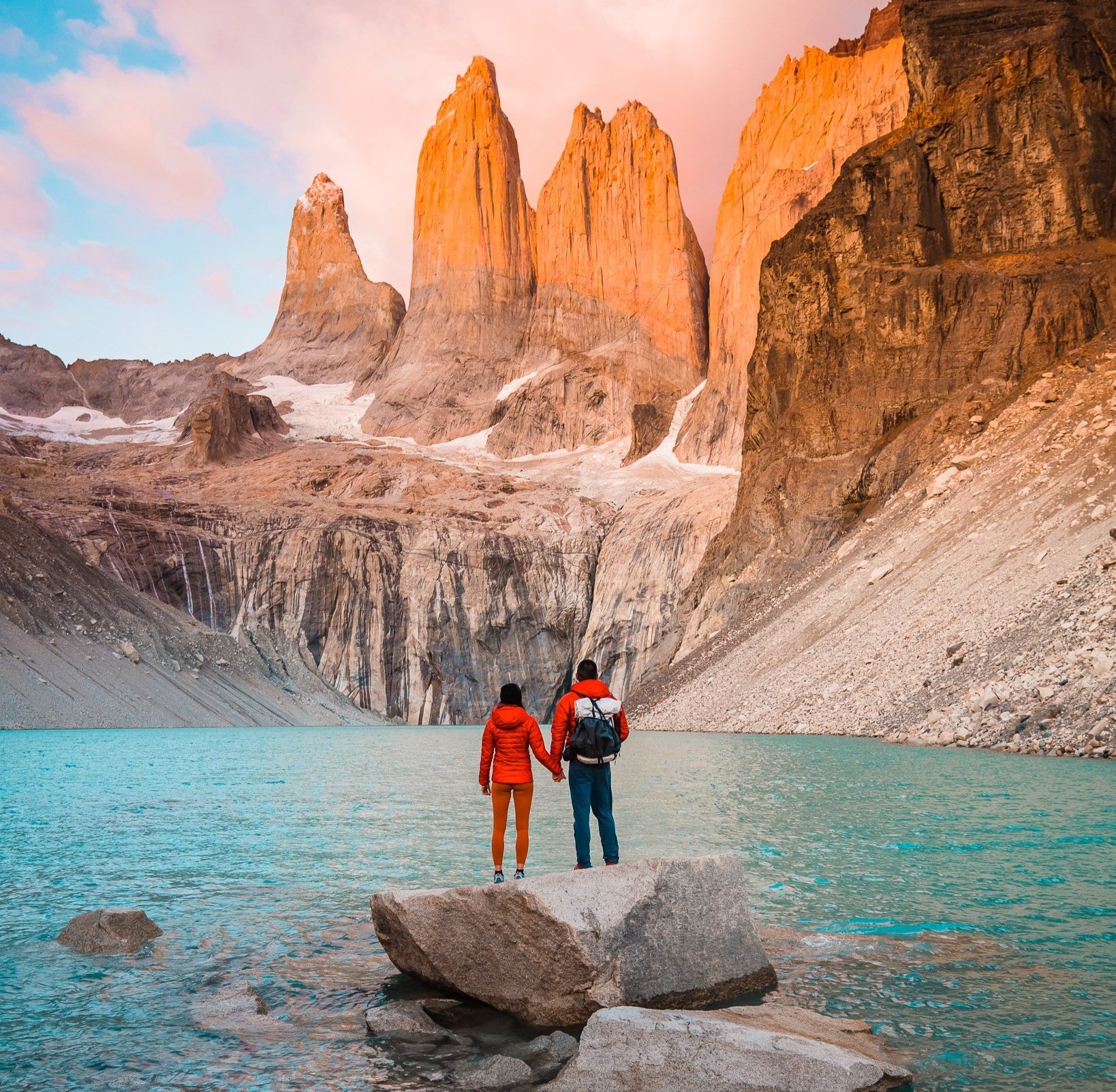
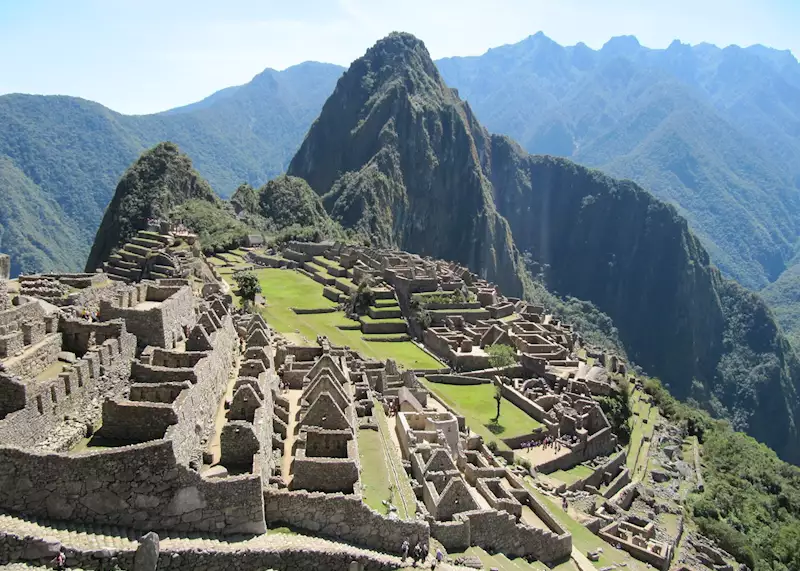
Medellín has become one of the top digital nomad destinations in the world — good internet infrastructure, excellent and affordable food, a functioning public transport system (the metro is reliable and cheap), a large international community, pleasant climate (the Ciudad de la Eterna Primavera — City of Eternal Spring — averages 22°C year-round at El Poblado's altitude), and growing coworking infrastructure. Longer-term visitors tend to move out of El Poblado to Laureles or Envigado for a more Colombian and less expat experience. Many travelers combine visits to Medellín with other Colombian destinations like Cartagena, or continue on to explore iconic sites such as Machu Picchu in Peru or the vast wilderness of Patagonia in southern South America, or venture to the stunning waterfalls of Iguazu Falls.
Coworking spaces like Atom House, Ruta N, and Work & Coffee provide professional environments with reliable internet, meeting rooms, and networking opportunities. Many offer day passes for travellers not ready to commit to monthly memberships. Internet speeds in these spaces typically exceed 50 Mbps, sufficient for video calls and large file transfers. The time zone (GMT-5) aligns well with North American business hours while still allowing for European morning meetings.
The cost of living attracts many remote workers — a comfortable one-bedroom apartment in Laureles or El Poblado ranges from $400-800 USD monthly, while meals cost $3-8 USD and excellent coffee runs under $2 USD. The combination of affordability and quality of life creates an attractive proposition for location-independent workers seeking to stretch their income while maintaining urban amenities.
The international community organises regular meetups, Spanish exchange sessions, and weekend trips to surrounding areas. Facebook groups and WhatsApp chats help newcomers connect with established expats and find accommodation, recommendations, and social activities. The cultural exchange benefits both visitors and locals — many Colombians are eager to practice English while sharing insights about their city and culture.