What Is Sucre?
Sucre is Bolivia's constitutional capital (La Paz is the seat of government in practice — Sucre retains the Supreme Court and the historic status of capital from independence). At 2,810 metres above sea level, it sits in a fertile valley in the Bolivian Andes — lower than La Paz (3,640m) and significantly more comfortable for acclimatisation. The city of 300,000 is dominated by whitewashed colonial architecture so consistent and well-preserved that the entire centre was inscribed as a UNESCO World Heritage Site in 1991. It is called La Ciudad Blanca — the White City — and the nickname is entirely accurate.
Founded in 1538 by Spanish conquistadors on the site of the ancient Charcas settlement, Sucre served as the administrative capital of the vast Audiencia de Charcas, which encompassed much of present-day Bolivia, Peru, Paraguay, Argentina, and Chile. The city's wealth came from the nearby Potosí silver mines, and this prosperity is evident in the elaborate colonial mansions, churches, and public buildings that line its cobblestone streets today. Unlike many South American colonial cities that have been modernised or expanded beyond recognition, Sucre's historic centre remains remarkably intact, with strict building codes ensuring that new construction maintains the traditional white facade and red-tile roof aesthetic.
The city's temperate climate is another major draw — with average temperatures ranging from 10°C to 20°C year-round, it's notably warmer and more comfortable than the frigid heights of La Paz or Potosí. This pleasant weather, combined with the city's manageable size and walkable historic centre, makes Sucre an ideal base for travellers looking to experience authentic colonial South America without the overwhelming crowds or altitude challenges found elsewhere in Bolivia.
The Colonial Architecture
Walking Sucre's centre is like walking through an intact 17th and 18th-century city — the white walls, red tile roofs, wooden balconies, and elaborately carved stone doorways of the Spanish colonial period preserved in remarkable completeness. The Casa de la Libertad, where Bolivian independence was declared in 1825 and where the original Declaration of Independence is displayed, is the city's most historically significant building. The Cathedral and the Metropolitan Museum contain impressive collections of colonial religious art. The Convent of San Felipe Neri offers rooftop views over the white city that are among the most atmospheric urban panoramas in Bolivia. Much like Cartagena, Sucre's colonial charm captivates visitors with its preserved Spanish architecture.
The architectural consistency throughout Sucre's 256-block historic centre is extraordinary — over 90% of buildings maintain their original colonial facades. The strict preservation laws require that all exterior walls be painted white with lime-based paint, creating the uniform appearance that gives the city its nickname. The red clay tiles that crown nearly every building come from local kilns that have operated using traditional techniques for over 400 years.
Beyond the famous landmarks, some of Sucre's most impressive architecture can be found in its residential areas. The Casa de los Marqueses de Otavi showcases elaborate Baroque stonework, while the Palacio de la Glorieta displays unique Moorish influences rarely seen elsewhere in Bolivia. The University of San Francisco Xavier, founded in 1624 and one of the oldest universities in the Americas, features stunning cloisters and lecture halls that transport visitors back centuries.
For architecture enthusiasts, the late afternoon light between 4-6pm provides the most dramatic illumination of the buildings' facades. The contrast between the white walls and deep blue Andean sky creates photographic opportunities that capture the essence of this remarkable colonial cityscape. Many of the churches offer guided tours that reveal hidden courtyards, centuries-old frescoes, and impressive colonial altarpieces crafted by indigenous artisans who blended European religious imagery with Andean symbols.
The Dinosaur Footprints
On the outskirts of Sucre, the Cal Orcko limestone cliff face contains the largest and most diverse collection of dinosaur footprints in the world — over 5,000 individual prints from 294 different dinosaur species, including the longest continuous dinosaur trackway ever found (a T. rex ancestor, 347 metres). The discovery was made in 1994 when the Fancesa cement factory expanded its quarrying operations. A visitor centre and viewing platforms have been constructed; guided tours run throughout the day from the Parque Cretácico. The experience of seeing a sheer limestone cliff covered with thousands of clearly defined dinosaur footprints — some belonging to species otherwise unknown to science — is genuinely extraordinary.
The scientific significance of Cal Orcko extends far beyond its record-breaking numbers. The site represents a unique moment in geological time — approximately 68 million years ago during the late Cretaceous period — when this area was a shallow lake surrounded by lush vegetation. The perfect preservation conditions created when fine sediment covered the dinosaur tracks almost immediately have provided paleontologists with unprecedented insights into dinosaur behaviour, including evidence of herding patterns, hunting strategies, and migration routes.
The Parque Cretácico, established in 2006, offers multiple ways to experience this paleontological wonder. The main viewing platform provides telescopes for close-up examination of specific trackways, while the museum houses life-sized animatronic dinosaurs, fossil displays, and interactive exhibits explaining the geological processes that preserved these ancient footprints. The most impressive individual trackway belongs to a theropod dinosaur (likely an Abelisaurus) and measures 1.5 metres in stride length, suggesting a creature over 10 metres tall.
Guided tours, available in Spanish, English, and Quechua, last approximately 90 minutes and depart every hour from 9am to 4pm. The 15-minute drive from Sucre's city centre costs around 15 bolivianos by taxi, or visitors can join organised tours that include transportation. The site's continued operation alongside the active cement quarry creates an unusual but fascinating juxtaposition of ancient natural history and modern industry.
Chocolate in Sucre
Bolivia is, unexpectedly, one of the world's finest chocolate-producing countries — the native cacao varieties of the Bolivian Amazon Rainforest (particularly the Nacional and wild Beniano varieties) are among the rarest and most prized in the world. Sucre has become the centre of Bolivia's artisanal chocolate industry, with several excellent producers offering factory tours, tastings, and workshops. Chocolate Para Ti, founded in the 1970s, was the first; Para Ti and Takarita are the best-regarded current producers. A chocolate tour and tasting is one of the most genuinely enjoyable afternoon activities available in Sucre.
The chocolate-making tradition in Sucre began when entrepreneurs recognised the potential of Bolivia's exceptional cacao beans, which grow in the tropical lowlands of the Beni and Chapare regions. These beans, particularly the rare Nacional variety, produce chocolate with distinctive floral and fruity notes that have earned recognition from international chocolate connoisseurs. Many of Bolivia's cacao trees are descendants of wild varieties that have never been hybridised, creating flavour profiles impossible to replicate elsewhere.
Chocolates Para Ti offers the most comprehensive chocolate experience, with 90-minute tours that guide visitors through every stage of production, from bean selection and roasting to tempering and moulding. The tour includes tastings of cacao pulp, various chocolate percentages (from 55% to 85% cacao), and traditional Bolivian chocolate drinks prepared with spices like cinnamon and chili. Their workshop sessions, available with advance booking, allow visitors to create their own chocolate bars with personalised ingredient combinations.
Takarita focuses on single-origin chocolates that highlight the unique characteristics of specific Bolivian regions. Their tasting sessions compare chocolates made from beans sourced from different altitudes and microclimates, demonstrating how terroir affects flavour in chocolate just as it does in wine. The company also produces chocolate infused with local ingredients like quinoa, coca leaves, and Amazonian fruits, creating uniquely Bolivian flavour combinations.
Most chocolate tours cost between 30-50 bolivianos and can be booked directly at the factories or through hotels and tour operators throughout the city. The experiences typically last 1-2 hours and include generous tastings that often substitute for lunch. Many visitors combine multiple chocolate tours to compare different producers' approaches and products.
Local Food and Culinary Scene
Sucre's culinary landscape reflects its position as both a university town and a cultural centre, combining traditional Bolivian dishes with more sophisticated restaurant options than found in many other Bolivian cities. The city's most famous dish is chorizo chuquisaqueño, a spicy sausage served with llajua (a fiery sauce made from tomatoes and locoto peppers) that differs significantly from Spanish chorizo in its preparation and flavour profile.
The Mercado Central provides the most authentic local food experience, with stalls serving traditional breakfast options like api (a warm purple corn drink) paired with buñuelos (fried doughnuts), and lunch dishes such as pique a lo macho (a hearty mix of beef, sausage, and vegetables) and silpancho (breaded beef served over rice and potatoes with a fried egg). The market operates from 6am to 2pm, with the best selection available between 8am and noon.
For higher-end dining, the historic centre offers several excellent restaurants housed in colonial buildings. El Huerto focuses on organic ingredients sourced from local farms, serving contemporary interpretations of traditional dishes alongside international cuisine. Their rooftop terrace provides stunning views over the city's white facades. La Taverne Alliance Française combines French culinary techniques with local ingredients, creating dishes like llama carpaccio and quinoa-crusted trout that showcase Bolivia's unique products.
The city's numerous cafes cater to its large student population and growing numbers of international visitors. Café Mirador, located near the University, serves excellent coffee grown in the Yungas region along with homemade pastries and light meals. Many cafes offer free WiFi and comfortable seating, making them popular gathering spots for travellers and locals alike.
Traditional beverages include chicha, a fermented corn drink often served at local festivals, and the more potent singani, Bolivia's national spirit made from white muscat grapes grown in the high valleys around Tarija. Several bars in the historic centre offer singani cocktails and tastings for visitors interested in sampling this distinctive Bolivian liquor.
Best Time to Visit
Sucre enjoys a pleasant subtropical highland climate year-round, but distinct wet and dry seasons create different experiences for visitors. The dry season (May through October) offers the most comfortable weather, with clear blue skies, minimal rainfall, and temperatures ranging from 8°C at night to 22°C during the day. This period coincides with Bolivia's high tourist season, resulting in higher accommodation prices and more crowded attractions, but also the best conditions for outdoor activities and photography.
The wet season (November through April) brings afternoon thunderstorms and higher humidity, but also warmer temperatures and fewer tourists. Morning and early afternoon are typically clear and sunny, with dramatic clouds building in the late afternoon before brief but intense downpours. The landscape becomes more lush and green during this period, and accommodation prices drop significantly. Travellers who don't mind occasional rain showers often prefer the wet season for its more authentic atmosphere and better value.
March through May represents the ideal compromise for many visitors — the tail end of the wet season offers warm temperatures and fewer crowds while minimising rainfall. September through November provides similar benefits at the end of the dry season, though temperatures can be cooler in September.
For festival enthusiasts, specific times offer unique cultural experiences. The Pujllay festival in March celebrates the indigenous victory over Spanish forces with traditional music, dancing, and colourful parades. Corpus Christi in May or June features elaborate processions and religious ceremonies throughout the historic centre. The anniversary of Sucre's founding in May includes week-long celebrations with concerts, cultural events, and special museum exhibitions.
Getting Around Sucre
Sucre's compact historic centre is easily navigable on foot, with most major attractions within a 10-15 minute walk of the main Plaza 25 de Mayo. The city's grid layout, established in colonial times, makes orientation straightforward — most streets run north-south or east-west, with numbered streets running parallel to lettered streets. The historic centre encompasses roughly 20 square blocks, making it entirely walkable for visitors with reasonable fitness levels.
For destinations outside the historic centre, including the dinosaur footprints at Cal Orcko or the Tarabuco market, taxis provide the most convenient transportation. Official taxis are white with roof signs and should use meters, though many drivers prefer to negotiate fixed prices for tourist destinations. A taxi from the city centre to Cal Orcko costs approximately 40-60 bolivianos each way, while a trip to Tarabuco runs 80-120 bolivianos for the round trip with waiting time.
Local micros (small buses) connect the city centre with residential neighbourhoods and cost just 2-3 bolivianos per ride, but routes can be confusing for visitors and most attractions are accessible by other means. The university area and newer neighbourhoods are served by these buses, which operate from early morning until late evening.
For day trips to surrounding areas, several tour operators offer scheduled departures with transportation included. These typically cost 80-150 bolivianos depending on the destination and inclusions, representing good value for travellers without their own transportation. Most hotels can arrange tours or provide reliable taxi driver contacts for independent exploration.
Sucre vs La Paz Bolivia
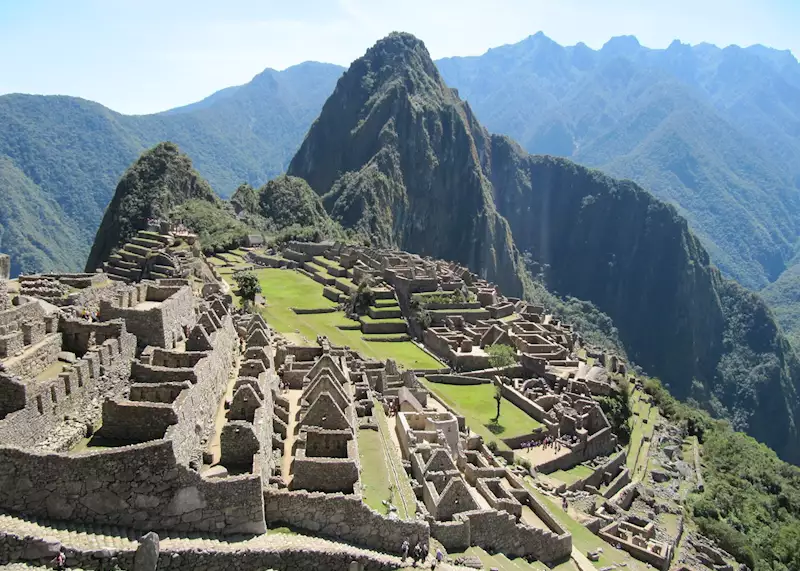
The comparison most travellers consider. La Paz is more dramatic — the world's highest administrative capital at 3,640m, the extraordinary Witches' Market, the teleférico (cable car) system over the city, and the proximity to Lake Titicaca and the Bolivian Altiplano. Sucre is more beautiful and more pleasant as a base — the altitude is lower, the streets are more attractive, and the city is calmer. Most Bolivia itineraries of a week or more include both. For a 4-day Bolivia stopover, Sucre offers a more relaxed and visually rewarding experience than La Paz alone. Many travellers combine Bolivia with visits to nearby Peru's Machu Picchu.
The practical differences between these cities significantly impact the traveller experience. La Paz's extreme altitude affects most visitors for at least the first 24-48 hours, causing headaches, fatigue, and shortness of breath that can limit activities and enjoyment. Sucre's lower elevation allows immediate exploration without acclimatisation concerns, making it an ideal first stop for Bolivia visits.
In terms of accommodation, Sucre offers better value with numerous boutique hotels housed in restored colonial buildings, while La Paz's hotel scene tends toward modern business hotels or budget hostels with fewer mid-range options. Sucre's restaurant scene is more intimate and varied, while La Paz offers more international cuisine but less atmospheric dining settings.
For cultural experiences, both cities excel in different areas. La Paz provides more intense indigenous culture through markets like the Witches' Market and nearby Moon Valley, while Sucre offers deeper insights into colonial history and more refined cultural attractions like museums and chocolate tours. The weekend Tarabuco market near Sucre rivals La Paz's markets for authentic indigenous culture but in a more relaxed, less commercialised setting.
Tarabuco Market
Every Sunday, the village of Tarabuco (65km from Sucre) hosts one of Bolivia's most authentic and colourful weekly markets — Yampara indigenous communities descend from the surrounding hills in traditional dress (the pututu helmets and coloured ponchos of the Yampara are among the most distinctive in South America) to sell textiles, food, and crafts. The textiles here — woven on backstrap looms using traditional Andean techniques unchanged for centuries — are among the finest in Bolivia. Tours from Sucre depart at 8am and return by 3pm; most include lunch at a Tarabuco restaurant.
The Tarabuco market represents one of the few remaining completely authentic indigenous markets in Bolivia, functioning primarily for local communities rather than tourists. While visitors are welcome and vendors appreciate foreign interest, the market retains its traditional character because it serves essential community functions — families travel for hours to sell produce, buy supplies, and maintain social connections that have sustained these communities for generations.
The textile offerings at Tarabuco are particularly exceptional, representing some of the finest examples of Andean weaving traditions available for purchase. The intricate patterns woven into ponchos, belts, and bags carry deep cultural significance, often indicating the weaver's community of origin, family lineage, or social status. Natural dyes created from local plants, insects, and minerals produce colours that remain vibrant for decades, and the quality of the weaving — with thread counts exceeding 200 per inch — rivals machine production.
Beyond textiles, the market offers insight into traditional Andean agriculture and cuisine. Vendors display dozens of potato varieties developed over centuries of selective breeding, alongside other Andean crops like oca, ulluco, and multiple types of quinoa. The prepared food stalls serve traditional dishes like asado (grilled meat) and api con buñuelo, providing authentic flavours difficult to find in restaurants.
Independent travellers can reach Tarabuco by catching buses from Sucre's main terminal starting at 7am, with the last return buses departing Tarabuco around 4pm. The journey takes approximately 90 minutes each way on winding mountain roads that offer spectacular Andean scenery. Most visitors prefer organised tours that handle transportation logistics and include knowledgeable guides who can explain the cultural significance of what visitors observe.
Practical Tips for Visiting Sucre
Currency and payments in Sucre follow typical Bolivian patterns — the boliviano is the local currency, with US dollars widely accepted but change given in bolivianos. ATMs are plentiful in the historic centre, though daily withdrawal limits are relatively low (typically 2000 bolivianos). Credit cards are accepted at upscale hotels and restaurants, but cash remains essential for markets, taxis, and many attractions.
Accommodation booking should be done in advance during the dry season (May-October) and around major festivals, as Sucre's limited hotel inventory can fill quickly. The historic centre offers the best atmosphere and walkability, though rooms in colonial buildings may lack modern amenities like reliable hot water or strong WiFi. Budget travellers will find several quality hostels, while mid-range visitors have excellent boutique hotel options in restored colonial mansions.
Language considerations are important — while English is spoken at upscale hotels and tourist-focused businesses, Spanish proficiency greatly enhances the Sucre experience. Many locals, particularly in markets and traditional restaurants, speak only Spanish or indigenous languages like Quechua. Basic Spanish phrases for greetings, ordering food, and asking directions prove invaluable.
Safety in Sucre is generally excellent, with violent crime rare and petty theft uncommon compared to other South American cities. Standard precautions apply — avoid displaying expensive electronics or jewelry, be aware of surroundings in quiet areas after dark, and keep valuables secured in hotel safes. The historic centre is well-patrolled and feels safe for walking even in the evening.
Health considerations include the altitude factor — while Sucre's 2,810m elevation is much more manageable than La Paz, some visitors still experience mild altitude effects. Staying hydrated, avoiding alcohol for the first day, and taking activities slowly initially helps with acclimatisation. The city has several pharmacies and a modern hospital for any medical needs that arise.
Internet connectivity is reliable throughout the historic centre, with most hotels, restaurants, and cafes offering free WiFi. Data plans for mobile phones are inexpensive and provide good coverage throughout the city and surrounding areas. Many businesses accept WhatsApp for communication and booking, reflecting the app's popularity throughout South America.