✈ Free travel guides updated for 2026
Home Destinations The Pantanal

The Pantanal Travel Guide

The world's greatest wildlife spectacle — better than the Serengeti for big cats

🎯 Things To Do 🗓️ Itinerary 🏨 Where To Stay

About The Pantanal

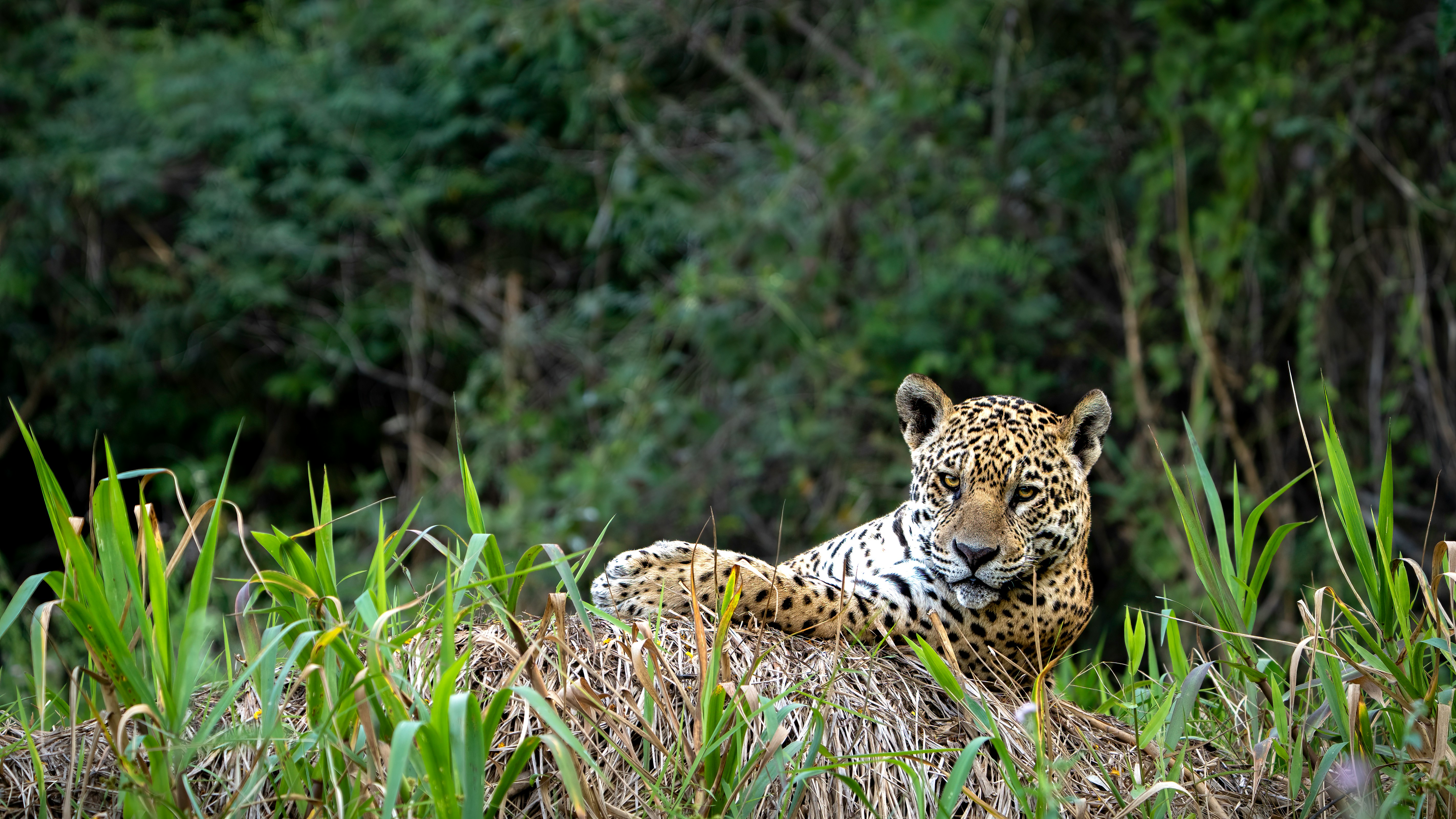
The Pantanal is the world's largest tropical wetland, covering over 150,000 square kilometres across Brazil, Bolivia, and Paraguay — an area larger than England and Wales combined. Unlike the Amazon, where dense jungle canopy makes wildlife difficult to spot, the Pantanal's open floodplain landscape makes it the best place on earth to see large mammals in their natural habitat. Jaguar sighting rates here are the highest anywhere in the world. Caimans number in the millions, giant river otters patrol the waterways, and over 650 bird species fill the skies. Yet the Pantanal receives a fraction of the visitors who travel to the Amazon.

Planning your The Pantanal trip?

Tours and hotels book up fast — compare and reserve ahead.

Top Attractions in The Pantanal

🐆
Jaguar Safari (Rio Cuiabá)
Wildlife · Lodge tour included

The northern Pantanal's Rio Cuiabá is the world's best location for jaguar spotting. During the dry season (July–October), jagu…

💡 Book a 3-night minimum at a Porto Jofre lodge during peak jaguar season (August–September) for the…
🐊
Caiman Watching
Wildlife · Included in lodge tours

Yacaré caimans exist in the Pantanal in extraordinary densities — estimated at 35 million individuals. Boat trips through the w…

💡 Night caiman walks from the lodge are one of the most memorable experiences — the density of glowi…
🦦
Giant River Otters
Wildlife · Included in lodge tours

The Pantanal holds the largest remaining population of giant river otters in the world. Family groups of 4–8 individuals inhabit…

💡 Giant otter territories are well-known to experienced guides. Ask specifically for the otter lake ne…
🦜
Birdwatching (650+ Species)
Wildlife · Included in lodge tours

The Pantanal is a global birdwatching destination of the first order — 650+ species recorded, including the hyacinth macaw (the …

💡 Hyacinth macaws are most reliably seen at their nesting trees at dawn and dusk — your guide will k…
All Things To Do in The Pantanal →

Best Neighbourhoods in The Pantanal

Porto Jofre (Northern Pantanal) Jaguar Safari Base $150–400/night

The end of the Transpantaneira road and the epicentre of jaguar tourism. A handful of lodges operating boat safaris on the Rio Cuiabá — the world's best jaguar viewing. Small, remote, and completely committed to wildlife.

Poconé Gateway (Northern) Budget Base $30–80/night

The last town before the Transpantaneira. Basic accommodation but useful for self-drive visitors who want to drive the road independently with their own vehicle.

Corumbá (Southern Pantanal) Southern Gateway $40–120/night

The main city of the southern Pantanal on the Bolivia border. Gateway to Brazilian Pantanal fazenda lodges and the Estrada Parque (a southern equivalent of the Transpantaneira).

Fazenda Lodges (Southern) Best Experience $150–350/night

Traditional cattle ranches converted to wildlife lodges in the southern Pantanal. Full-board, guided excursions, horseback riding, and the most authentic Pantanal experience. Fly in from Campo Grande.

Full Hotel Guide →

Best Time to Visit The Pantanal

🐆
Best (Dry / Jaguar Season)
Jul – Oct

Water levels drop dramatically, concentrating wildlife around remaining water sources. Jaguar sightings peak i…

🌊
Flood Season
Nov – Apr

The Pantanal floods to 80% of its area. Wildlife is dispersed but the landscape is extraordinary — a vast in…

🌿
Transition
May – Jun

Waters receding, vegetation lush and green, wildlife beginning to concentrate. Fewer tourists than peak dry se…

🦜
Birdwatching Peak
Sep – Nov

As dry season ends and rains begin, nesting activity peaks. The jabiru stork, hyacinth macaw, and hundreds of …

Full Itinerary Guide →

Top Tours in The Pantanal

Pantanal Jaguar Safari — 4 DaysWildlife
⏱ 4 Days / 3 Nights🥾 Easy

Pantanal Jaguar Safari — 4 Days

Pantanal Fazenda Stay & Horseback Safari — 5 DaysWildlife
⏱ 5 Days / 4 Nights🥾 Easy

Pantanal Fazenda Stay & Horseback Safari — 5 Days

Best Hotels in The Pantanal

Jaguar Ecological Reserve LodgeBoutique
★★★★☆

Jaguar Ecological Reserve Lodge

The finest lodge at Porto Jofre — the epicentre of jaguar tourism in the Pantanal. Eight comfortab...

Araras Eco LodgeBoutique
★★★★☆

Araras Eco Lodge

An award-winning eco-lodge on the Transpantaneira road in the northern Pantanal — the best-value a...

Frequently Asked Questions

What is the best place in the world to see jaguars? +

The northern Pantanal around Porto Jofre on the Rio Cuiabá in Brazil is widely considered the best place on earth to see wild jaguars. Sighting rates of 85–90% are achieved in peak season (August–September) — far exceeding any African reserve for big cat encounters.

When is the best time to visit the Pantanal? +

July to October (dry season) is best for wildlife, particularly jaguars. Water levels drop significantly, concentrating wildlife around remaining water bodies. August and September are peak jaguar months. The wet season (November–April) offers a completely different experience with flooded forest accessible by canoe.

How do I get to the Pantanal? +

For the northern Pantanal (jaguars), fly to Cuiabá from São Paulo (2 hours) then transfer 4 hours down the Transpantaneira dirt road to Porto Jofre. For the southern Pantanal, fly to Campo Grande and transfer to a fazenda lodge (2–3 hours).

Is the Pantanal better than the Amazon for wildlife? +

For large mammal sightings — particularly jaguars, giant river otters, and capybara — the Pantanal is significantly better than the Amazon. The open floodplain habitat makes animals far more visible. For the immersive rainforest experience and extraordinary biodiversity, the Amazon is unmatched.

What other wildlife can I see in the Pantanal besides jaguars? +

Giant river otters, millions of yacaré caimans, capybara, giant anteaters, tapirs, marsh deer, maned wolves, and over 650 bird species including the hyacinth macaw (world's largest parrot) and jabiru stork (Brazil's national bird).