Arriving at Ezeiza Airport
Ezeiza International Airport (EZE) is 35km from the city centre — roughly 40–55 minutes depending on traffic. The Tienda León bus is the most reliable option ($12–15, departs every 30 minutes to the Retiro bus terminal). From Retiro, you can take the Subte, taxi, or rideshare to your final destination. The bus is comfortable with air conditioning and WiFi, making it ideal for the journey into the city. Allow extra time during rush hours (7–9am and 5–8pm) when traffic can extend the journey to over an hour.
Uber and Cabify operate from Ezeiza — pre-book in the app before you land and it will be waiting. Costs range from $25–40 depending on your destination and surge pricing. Both services are reliable and drivers are vetted. Avoid random taxi touts in the arrivals hall — these unofficial operators often overcharge tourists. If you prefer an official taxi, use the authorised taxi desk inside the terminal where rates are regulated and receipts are provided.
For those arriving late at night, rideshares become more expensive due to surge pricing, making the Tienda León bus an even more attractive option. The bus runs until midnight, with reduced frequency after 10pm. If you're carrying significant luggage or travelling with children, factor in the additional transfers required when taking the bus route.
The Currency Situation
Argentina has a complex exchange rate system. In 2026, the official and parallel exchange rates remain divergent — visitors who bring USD cash can exchange at a significantly better rate than using a card at the official rate. The difference can be 30–50% or more, making this one of the most important financial decisions for your trip. Bring crisp, new USD bills in larger denominations ($50 and $100 notes get better rates than smaller bills).
Exchange at official casas de cambio (exchange offices) in the Florida pedestrian street area or via the hotel concierge. Calle Florida between Corrientes and Rivadavia has numerous exchange houses — compare rates as they can vary. Western Union locations also offer competitive parallel rates through their money transfer service. Do not exchange at the airport where rates are significantly worse.
ATM fees are high and withdrawal limits are low — minimise ATM use. Most ATMs limit withdrawals to 10,000–40,000 pesos per transaction (roughly $10–40 at official rates), while charging fees of $5–8 per withdrawal. Credit cards are increasingly accepted at restaurants and hotels in tourist areas, but many smaller establishments, markets, and taxis still prefer cash. Always carry some pesos for tips, small purchases, and transportation.
Which Neighbourhood to Stay In
Palermo Soho or Hollywood for the best restaurant access, independent boutiques, and the most interesting streets. Palermo Soho centers around Plaza Serrano, with cobblestone streets lined with designer stores, artisan markets, and trendy cafés. Palermo Hollywood, named for its TV and film production studios, offers a more relaxed vibe with excellent restaurants and nightlife. Both areas have abundant Airbnb options and boutique hotels.
San Telmo for history, tango, and the famous Sunday market. This bohemian neighbourhood features colonial architecture, antique shops, and street art. The Sunday market at Plaza Dorrego attracts locals and tourists alike, with live tango performances and vintage finds. Stay near the plaza for the most atmospheric experience, but note that San Telmo can be grittier than other areas and requires more street awareness.
Recoleta for grand architecture, the famous cemetery, and the most elegant hotels. This upscale district resembles Paris with its wide boulevards, Belle Époque buildings, and sophisticated atmosphere. It's home to luxury hotels, high-end shopping along Alvear Avenue, and cultural attractions like the National Museum of Fine Arts. The neighbourhood feels safer and more polished but can lack the authentic local character found elsewhere.
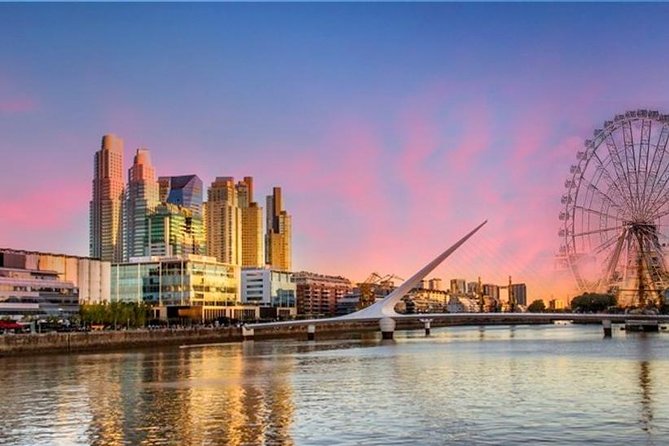
All are excellent choices for first-timers — Palermo is the most practical. Puerto Madero, the modern waterfront district, offers luxury hotels and restaurants but can feel sterile and disconnected from the authentic Buenos Aires experience. Centro (downtown) provides easy access to major sights but becomes deserted after business hours.
Getting Around
The Subte (metro) covers the main tourist areas and costs $0.15 per ride with a SUBE card (buy at any metro station, load with cash). The system has six colour-coded lines (A, B, C, D, E, H) that intersect at key transfer points. Line D connects many tourist destinations including Palermo, Recoleta, and Centro. The Subte runs from 5am to 10:30pm Monday through Thursday, until 11:30pm on Fridays, and 24 hours on Saturdays. Service can be crowded during rush hours and some stations lack air conditioning.
Uber and Cabify are widely available, safe, and extremely cheap by international standards. A typical ride across the city costs $2–5, making it an affordable alternative to public transport. Both apps work reliably, drivers are professional, and you can pay through the app. During peak hours or bad weather, expect surge pricing that can double or triple fares.
Walking is practical in Palermo, San Telmo, and Recoleta — the neighbourhoods are compact and interesting on foot. Buenos Aires is a very walkable city with wide sidewalks and interesting architecture to admire. However, be cautious of uneven pavement, especially in San Telmo where colonial-era streets can be challenging. The city is relatively flat, making walking comfortable for most fitness levels.
Colectivos (city buses) are extensive but complex for first-time visitors. With over 130 routes, they can take you virtually anywhere for about $0.20 with a SUBE card. However, routes are not always clearly marked and drivers don't announce stops. For adventurous travellers, colectivos offer an authentic local experience and access to neighbourhoods beyond the tourist areas.
Tango: Where to Actually See It
Avoid the tourist tango dinner shows — expensive and often choreographed for tourists rather than authentic. These shows can cost $80–150 per person and while professionally produced, they lack the spontaneous passion of real tango culture. Instead, visit a milonga (authentic tango dance event). These are social dance gatherings where locals come to practice their craft, creating an intimate and genuine atmosphere.
La Catedral in Almagro is the most atmospheric milonga venue. Housed in a converted warehouse with exposed brick walls and dim lighting, it attracts a mix of serious dancers and curious beginners. The space has an underground, bohemian feel that captures tango's rebellious origins. Cover charge is typically $5–8.
Confitería Ideal near the centre is a beautiful Art Nouveau venue with ornate columns, vintage mirrors, and a checkered dance floor that has hosted tango dancers since 1912. This historic café offers afternoon milongas that are more accessible for beginners, with a slightly more formal atmosphere than La Catedral. The venue also serves traditional Argentine coffee and pastries.
Arrive after 11pm — the best dancing starts at midnight. Most milongas offer beginner lessons earlier in the evening, typically from 8–10pm. Even if you don't plan to dance, watching skilled couples navigate the floor with intimate precision is mesmerizing. Dress codes vary by venue, but smart casual is generally appropriate. Men should wear closed-toe shoes, while women can wear heels designed for dancing.
Other notable milongas include Salón Canning in Barracas, which hosts different organizers each night of the week, and Niño Bien, a more traditional milonga with strict codes of etiquette. For outdoor tango, visit Plaza Dorrego in San Telmo on Sunday afternoons when street performers demonstrate their skills.
The Food
The two non-negotiable Buenos Aires food experiences: a proper parrilla dinner (grass-fed Argentine beef, chimichurri, Malbec wine — allow 3 hours, this is not fast food) and medialunas with coffee at a traditional café. Argentine beef is renowned worldwide for good reason — cattle graze on fertile pampas grasslands, producing meat with exceptional flavor and tenderness. A traditional parrilla meal is a social event, not just dinner.
Don Julio in Palermo is consistently rated among the finest parrillas in South America — book weeks ahead. This small restaurant sources its beef from specific ranches and ages it on-site. Order the bife de chorizo (sirloin) or ojo de bife (ribeye) cooked medium-rare, accompanied by chimichurri and a bottle of Malbec from Mendoza. Expect to spend $60–80 per person for the full experience.
For a more local experience, explore the parilla restaurants away from Palermo's tourist streets. La Brigada in San Telmo offers excellent steaks in a football-themed setting with memorabilia covering every surface. El Desnivel, also in San Telmo, provides generous portions at reasonable prices with a no-frills, authentic atmosphere. Parrilla Peña in La Boca serves neighborhood families and offers insight into how porteños really eat.
Beyond beef, Buenos Aires offers diverse culinary experiences. Empanadas are the perfect street food — try them at El Sanjuanino for traditional flavors or at trendy spots in Palermo for gourmet variations. Italian influence runs deep in Argentine cuisine; neighborhoods like La Boca have excellent pizza and pasta restaurants. For breakfast or afternoon merienda, visit a traditional café like Café Tortoni (the city's oldest café) for medialunas, facturas (pastries), and cortado coffee.
Many visitors combine their Buenos Aires trip with other South American destinations like Iguazu Falls, Patagonia, or Machu Picchu.
Best Time to Visit
Buenos Aires enjoys a temperate climate with four distinct seasons, but remember that seasons are reversed in the Southern Hemisphere. Spring (September–November) and fall (March–May) offer the most comfortable weather with mild temperatures ranging from 60–75°F and less humidity than summer. These shoulder seasons also coincide with fewer crowds and reasonable hotel rates.
Summer (December–February) can be hot and humid, with temperatures reaching 85–95°F and high humidity that makes it feel even hotter. This is peak tourist season due to summer holidays, so expect higher prices and crowded attractions. However, summer offers the most vibrant street life, outdoor festivals, and extended daylight hours until 9pm.
Winter (June–August) sees temperatures drop to 45–60°F, rarely freezing but often damp and overcast. While this is the least popular time for tourists, it's perfect for indoor activities like museums, tango shows, and cozy café culture. Hotel rates are at their lowest, and you'll experience the city more like a local.
Consider your priorities when timing your visit. Tango season peaks in August during the World Tango Championships, while wine harvest season in nearby Mendoza occurs in March–April. The polo season runs September–December, and football (soccer) season spans February–December with a winter break in June–July.
Essential Cultural Tips
Porteños (Buenos Aires residents) are known for their European-influenced culture and late dining schedules. Restaurants don't open for dinner until 8pm, and most locals don't eat until 9–10pm. Lunch typically occurs between 1–3pm. Plan your meal times accordingly or you'll find yourself dining alone in empty restaurants.
Personal space concepts differ from North American or Northern European norms. Porteños stand closer in conversation, use more physical contact, and greet with a kiss on the right cheek (even among men and women who have just met). This warmth shouldn't be misinterpreted as romantic interest — it's simply the local custom.
Appearance matters significantly in Buenos Aires. Locals dress elegantly even for casual occasions, and tourists in shorts and flip-flops immediately stand out. Pack smart casual clothing and at least one outfit suitable for upscale restaurants or tango venues. Good shoes are particularly important as you'll be walking on varied surfaces.
Dinner conversations often involve passionate discussions about politics, football, and philosophy. Porteños are well-educated and enjoy intellectual discourse, but visitors should avoid taking strong positions on sensitive topics like the Falkland Islands (Las Malvinas) or comparing Argentina unfavorably to other countries.
Safety and Practical Considerations
Buenos Aires is generally safe for tourists who exercise normal urban precautions. The main tourist areas of Palermo, Recoleta, and San Telmo have regular police presence and are well-patrolled. However, petty crime like pickpocketing and phone snatching does occur, particularly in crowded areas and on public transportation.
Avoid displaying expensive electronics, jewelry, or large amounts of cash. Keep valuables in hotel safes and carry only what you need for the day. Be especially cautious around ATMs and when using your phone in crowded spaces. The "express kidnapping" scam, where criminals briefly detain victims to withdraw money from ATMs, is rare but has occurred.
Certain areas require extra caution after dark, including parts of San Telmo south of Independencia Avenue, La Boca beyond the tourist zone around Caminito, and the Retiro bus terminal area. Stick to well-lit, populated streets and use rideshares instead of walking alone at night in these areas.
Emergency numbers to know: Police (911), Medical Emergency (107), Fire Department (100). Most police officers in tourist areas speak basic English, and many hotels can assist with emergency translation if needed. Pharmacies (farmacias) are abundant and many stay open 24 hours — look for the green cross sign.
What to Pack
Pack for Buenos Aires' variable weather and sophisticated culture. Bring layers as temperatures can fluctuate significantly within a single day, especially during shoulder seasons. A light rain jacket or umbrella is essential year-round as brief showers are common.
Comfortable walking shoes with good support are crucial — you'll walk more than expected on varied surfaces including cobblestones, uneven sidewalks, and marble floors. Pack at least one pair of dress shoes suitable for upscale restaurants and tango venues. For women planning to try tango, consider bringing heels designed for dancing or plan to purchase them locally.
Electronics considerations include bringing a universal power adapter (Argentina uses Type C and Type I outlets), and consider a portable phone charger as you'll likely use your phone extensively for maps, translation, and rideshare apps. A basic Spanish phrasebook or translation app is valuable, though many service industry workers in tourist areas speak English.
Bring any prescription medications with original labels, plus a basic first-aid kit including anti-diarrheal medication, pain relievers, and any allergy medications. Sunscreen and sunglasses are important year-round due to the city's latitude and often intense sun reflection off buildings and pavement.