The Core Question
Most travellers to Peru spend time in both Cusco and Lima, but the question of where to base yourself — where to stay longer, where to orient your itinerary around — is worth thinking through carefully. They are fundamentally different cities offering fundamentally different experiences, and the right answer depends entirely on what you are there for.
Cusco: The Inca Capital
At 3,400 metres above sea level in the Andean highlands, Cusco is one of the great travel destinations in South America. The former capital of the Inca Empire retains an extraordinary concentration of pre-Columbian architecture beneath and alongside the Spanish colonial buildings that were constructed on Inca foundations. The Plaza de Armas, the Coricancha sun temple, the Sacsayhuamán fortress above the city, and the narrow cobblestone streets of San Blas are all walkable from the centre. Cusco is also the gateway to the Sacred Valley, the Inca Trail, and Machu Picchu — for any itinerary that includes these, spending at least 3 nights in Cusco for acclimatisation is essential.
The city's architecture tells Peru's story in stone. Walking through San Blas, you'll notice how Spanish colonial balconies sit atop precisely cut Inca walls — walls so expertly fitted that no mortar was needed and you can't slide a knife blade between the stones. The Twelve Angle Stone on Hatunrumiyoc Street is perhaps the most famous example, where a single massive stone has been shaped to fit perfectly with its neighbours. This isn't just tourist curiosity — it's engineering that has survived devastating earthquakes that toppled Spanish constructions built above.
For practical exploration, start your first morning early at the main market, San Pedro, where local life unfolds alongside tourist activity. The covered market operates from 6am and offers everything from fresh coca leaves (essential for altitude) to woollen alpaca goods at local prices. The nearby neighborhoods of San Cristóbal and San Pedro provide authentic glimpses of contemporary Cusco life, with family-run restaurants serving hearty portions of lomo saltado and aji de gallina for a fraction of tourist district prices.
Lima: The Pacific Capital
Lima is a city that most people pass through rather than explore — and they are missing something significant. The Miraflores district, perched on cliffs above the Pacific Ocean, has one of the best concentrations of restaurants in the world — Lima is consistently ranked among the top food cities on earth, with Central, Maido, and Astrid y Gastón sitting in the global top 20. The colonial Centro Histórico is a UNESCO World Heritage Site. The Larco Museum houses the finest collection of pre-Columbian gold and ceramics anywhere. For food-focused travellers, Lima deserves more time than most itineraries give it.
Beyond the headlines, Lima reveals itself in layers. The Barranco district, often called the "artistic soul of Lima," offers cobblestone streets lined with republican-era mansions converted into galleries, craft beer pubs, and live music venues. The Bridge of Sighs (Puente de los Suspiros) provides Pacific views, while nearby street art murals tell stories of contemporary Peru. This is where Lima's creative energy concentrates — from independent designers selling alpaca wool fashion to weekend markets featuring organic produce from Peru's diverse microclimates.
The contrast between Lima's districts is striking and intentional. Miraflores maintains its reputation as the upscale tourist hub, but venture into Pueblo Libre or Magdalena del Mar for authentic neighborhood life. Local markets like Mercado de Magdalena offer exceptional ceviche at breakfast (yes, breakfast) and fresh seafood that arrives daily from Peru's remarkably rich Pacific coast. These markets also stock exotic fruits — lucuma, cherimoya, and aguaymanto — that feature prominently in Peru's innovative dessert scene.
Altitude: The Decisive Factor for Many
Cusco's altitude of 3,400m means that acute mountain sickness affects a significant proportion of visitors, particularly those arriving directly from sea level. Symptoms range from headache and nausea to, in rare cases, more serious conditions. The standard advice is to fly Lima–Cusco, spend 2–3 nights in Cusco acclimatising before any strenuous activity, drink coca tea continuously, avoid alcohol for the first 48 hours, and consider diamox (acetazolamide) if you are particularly susceptible. Lima, at sea level, requires no acclimatisation at all.
Understanding altitude acclimatisation isn't just medical advice — it's practical itinerary planning. Many travelers underestimate how altitude affects energy levels, sleep quality, and appetite. Even if you don't experience severe symptoms, you'll likely notice increased fatigue and the need for more frequent rest. This means your first day in Cusco should be deliberately light: perhaps a walking tour of the city center in the morning, coca tea breaks every few hours, and an early dinner.
The smart approach is to arrive in Cusco in the afternoon, check into your hotel, and immediately head to a café for coca tea while people-watching in the Plaza de Armas. Avoid any strenuous activity — including climbing stairs rapidly — for at least 24 hours. Many hotels provide oxygen canisters in rooms, but these should be used sparingly and only for genuine distress. The body's natural acclimatisation process can't be rushed, but it can be supported with proper hydration, light eating, and gradual activity increases.
As a Machu Picchu Base
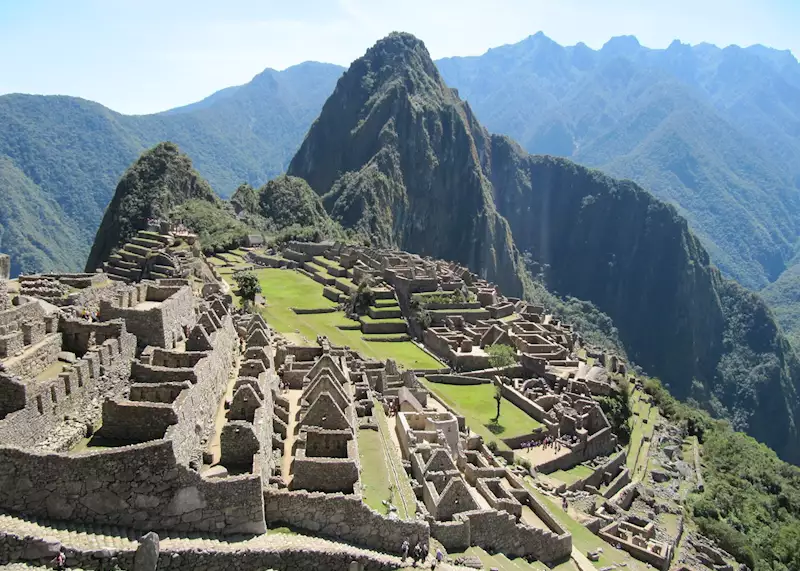
For the Machu Picchu–Sacred Valley itinerary, Cusco is the unambiguous base. The train to Aguas Calientes departs from either Poroy (20 min from Cusco) or Ollantaytambo in the Sacred Valley, and virtually all Sacred Valley tours depart from Cusco. Lima is an airport hub rather than a practical base for exploring the Inca world.
The logistics of Machu Picchu access make Cusco essential. Train tickets must be booked well in advance, particularly during peak season (June-August), and the departure schedules require early morning coordination. If you're staying in Cusco's San Blas neighborhood, allow 30 minutes to reach Poroy station, longer during morning traffic. The alternative departure point, Ollantaytambo, requires either an overnight stay in the Sacred Valley or a very early morning departure from Cusco — the drive takes 90 minutes through winding mountain roads.
Beyond transportation logistics, Cusco provides crucial context for understanding Machu Picchu. The city's museums, particularly the excellent Museo de Sitio del Qorikancha, explain Inca engineering, astronomy, and religious practices that become evident at Machu Picchu. Spending time in Cusco first transforms Machu Picchu from a spectacular photo opportunity into a comprehensible architectural and spiritual achievement.
Food Scene
Lima's food scene is world-class at every level — from the fine dining institutions of Miraflores to the cevicherías of the market and the street food of the barrios. Cusco has a strong tourist restaurant scene (particularly around San Blas) and good local food, but it does not compete with Lima at the top end. For serious food travellers, Lima deserves 3–4 dedicated days.
Lima's culinary reputation isn't marketing hype — it's the result of exceptional biodiversity meeting skilled technique. Peru produces over 3,000 varieties of potatoes, dozens of corn types, and fruits that exist nowhere else on earth. The Pacific Ocean provides some of the world's richest fishing grounds, while the Amazon contributes exotic ingredients like cacao varieties, river fish, and medicinal plants that innovative chefs incorporate into contemporary dishes.
The tasting menu at Central, for instance, serves ingredients organized by altitude — from sea level seafood to high-altitude quinoa preparations. Each dish represents a specific ecosystem within Peru. This approach isn't merely creative; it's educational, introducing diners to Peru's extraordinary geographic and biological diversity through taste. Reservations require advance planning (often 2-3 months), but the experience justifies the effort for food enthusiasts.
Cusco's food scene, while more limited, offers its own rewards. Traditional dishes like anticuchos (grilled beef heart skewers) and rocoto relleno (stuffed spicy peppers) represent authentic highland cuisine. The San Pedro market provides ingredients you won't find elsewhere: various corn types, exotic potatoes, and local cheeses. The altitude actually enhances certain flavors — particularly in soups and stews that benefit from slow cooking at lower air pressure.
Day Trips
From Cusco: Sacred Valley (full day), Maras and Moray salt mines (half day), Pisac market (half day), Machu Picchu itinerary (full day or overnight), Rainbow Mountain (full day). From Lima: Pachacámac archaeological complex (half day), Paracas and the Ballestas Islands (day trip), Huacachina sand dunes (day trip). Cusco has the more spectacular day trip options; Lima's are interesting rather than essential.
The Sacred Valley day trip from Cusco typically includes Pisac's terraced mountainsides and Sunday market, the fortress town of Ollantaytambo, and the traditional weaving village of Chinchero. This isn't just sightseeing — it's a progression through Inca agricultural innovation, urban planning, and contemporary indigenous culture. The elevation drops from Cusco's 3,400m to Ollantaytambo's 2,800m, providing relief from altitude while maintaining spectacular Andean scenery.
Rainbow Mountain (Vinicunca) has become increasingly popular but requires proper preparation. The final ascent reaches 5,100m — significantly higher than Cusco — making it unsuitable for first-day activities. The journey starts with a 3-hour drive followed by a 3-4 hour hike. Weather can change rapidly, making layered clothing essential. Many operators now offer horseback options for the steepest sections, reducing the physical demands while maintaining the spectacular views.
From Lima, the Ballestas Islands provide a wildlife spectacle often called "Peru's Galápagos." Sea lions, Humboldt penguins, and various seabird species congregate on rocky outcroppings, while dolphins frequently accompany the boats. The trip combines naturally with Paracas National Reserve, where desert landscapes meet Pacific coastline in formations that seem almost Martian. The contrast with Peru's highland regions is remarkable — coastal Peru receives virtually no rainfall, creating landscapes unlike anywhere else in South America.
Best Time to Visit Each City
Lima benefits from year-round mild temperatures, but the seasons still matter. May through September brings sunny, dry weather — perfect for walking tours and outdoor dining. October through April features more overcast skies and occasional drizzle, but temperatures remain comfortable (15-25°C). The winter months (June-August) can feel surprisingly cool due to ocean winds, particularly in coastal districts like Miraflores and Barranco.
Cusco's seasons are more pronounced and critical for planning. The dry season (May-September) provides clear skies and minimal rainfall — essential for Machu Picchu visits and mountain hiking. July and August bring crowds and higher prices but also the most reliable weather. The wet season (December-March) features afternoon thunderstorms and morning clouds that can obscure mountain views, though the landscape becomes remarkably green and waterfalls reach peak flow.
For combining both cities, shoulder seasons (April-May, September-October) offer the best balance of good weather, reasonable crowds, and moderate prices. April particularly rewards visitors — Cusco's landscapes are lush from the wet season but skies are beginning to clear, while Lima enjoys warm, sunny days before winter cloudiness arrives.
Getting Around Each City
Cusco's compact historic center makes walking the primary mode of transportation. Most attractions lie within a 15-minute walk of the Plaza de Armas. However, the combination of altitude, cobblestone streets, and steep hills means distances feel longer than they appear on maps. Comfortable walking shoes with good traction are essential — the stones become slippery when wet.
Taxis in Cusco operate primarily on a negotiated fare basis rather than meters. Standard rates from the airport to the city center should be 15-20 soles ($4-6). For longer distances — such as to Sacsayhuamán or the train station — agree on prices before departing. Many hotels provide airport pickup services that eliminate negotiation hassles and ensure reliable transportation upon arrival.
Lima's size requires more strategic transportation planning. The Metropolitano bus rapid transit system connects major districts efficiently and safely. From Miraflores to the historic center takes about 45 minutes and costs 2.50 soles. Uber and traditional taxis provide convenient door-to-door service, though traffic can be challenging during rush hours (7-9am, 5-7pm).
For Lima airport transfers, official airport taxis provide fixed-rate service to different districts — approximately 50 soles to Miraflores, 40 soles to the historic center. The recently opened Metro Line 2 connects the airport to several city districts, offering a modern alternative to road transport for approximately 5 soles.
Accommodation Considerations
In Cusco, location significantly impacts experience. The San Blas neighborhood places you in the heart of artisan workshops and restaurants, with authentic local atmosphere and easy walking access to major sites. However, the narrow streets and hills can be challenging with luggage. The area around Plaza de Armas offers convenience and easy transportation access but can feel more touristy and crowded.
Cusco accommodation should prioritize altitude-friendly features: ground-floor or low-floor rooms to minimize stair climbing, 24-hour reception for assistance, and oxygen availability. Many hotels provide coca tea service and knowledgeable staff who can advise on altitude management. Budget options often lack heating, which matters at 3,400m elevation where nighttime temperatures can drop significantly even in summer.
Lima's accommodation choice depends on your priorities. Miraflores provides upscale options, ocean views, and concentration of restaurants, but feels somewhat isolated from authentic Lima life. Barranco offers artistic atmosphere and nightlife but fewer services. The historic center provides cultural immersion and proximity to major sights but requires more careful selection due to varying neighborhood safety levels.
The Verdict
Base yourself in Cusco if Machu Picchu getting there, the Sacred Valley, and Inca history are your primary reasons for being in Peru — the altitude acclimatisation time is a given, not a penalty. Base yourself in Lima if you are primarily interested in food, Pacific coast culture, or if your Peru trip is short and you want to avoid altitude complications entirely. Most itineraries of a week or more should include meaningful time in both: 2–3 nights Lima (bookend the trip), 4–5 nights Cusco with Sacred Valley and Machu Picchu tours.
Frequently Asked Questions
Is Cusco or Lima better to visit? Both are essential — they offer completely different things. Lima for food and Pacific coast culture; Cusco for Inca history and the gateway to Machu Picchu hotels.
Can you fly directly to Cusco from London or New York? No direct flights exist — Lima is the international hub. All international visitors arrive at Lima's Jorge Chávez Airport and connect to Cusco domestically (LATAM, Sky, Avianca — typically $50–120 one-way).
How many days do you need in each city? Minimum 3 nights in Cusco for proper acclimatisation and Machu Picchu access; 2-3 nights in Lima for food exploration and coastal culture. Ideal allocation for a 10-day Peru trip: 4-5 nights Cusco, 2-3 nights Lima, remainder for Sacred Valley or other regions.
Is it safe to walk around both cities at night? Tourist areas in both cities are generally safe with normal precautions. In Cusco, stick to main streets around Plaza de Armas and San Blas after dark. In Lima, Miraflores and Barranco are well-patrolled and safe for evening dining and activities. Both cities require standard urban awareness — avoid displaying expensive items and use official taxis for longer distances.
What's the weather like year-round in each city? Lima has minimal temperature variation (15-25°C) but distinct dry (May-Sep) and overcast (Oct-Apr) seasons. Cusco has pronounced wet (Dec-Mar) and dry (May-Sep) seasons with significant temperature swings — warm sunny days can drop to near-freezing at night, particularly in dry season.