The Key Difference
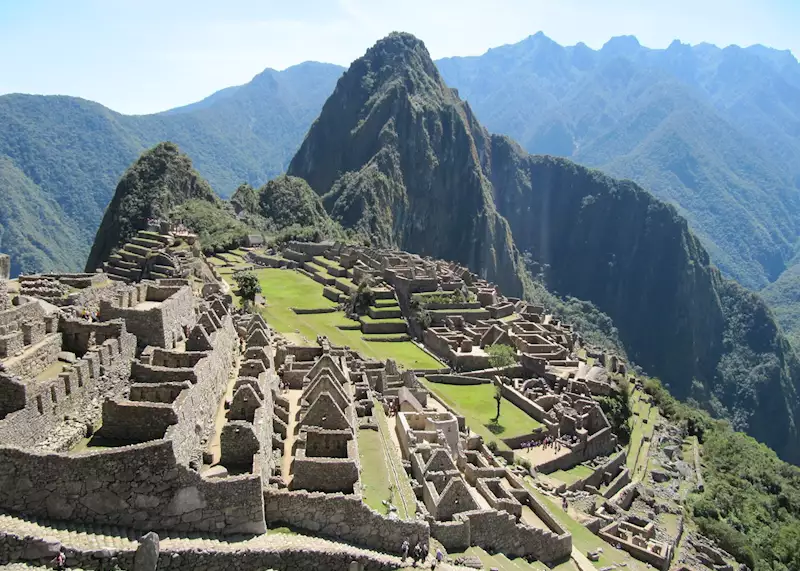
The Inca Trail follows ancient Inca stone pathways and passes through multiple archaeological sites on the way to Machu Picchu. The Salkantay Trek crosses beneath the 6,271m Salkantay mountain through diverse ecosystems from glacial landscapes to cloud forest and jungle. Both end at Machu Picchu. The Inca Trail is more historical; the Salkantay is more dramatic in terms of mountain scenery.
The Inca Trail is essentially a pilgrimage route — you're walking the same stone steps that Inca nobles used 500 years ago. The trail passes through Wayllabamba, crosses the challenging Dead Woman's Pass, and visits remarkable archaeological complexes like Runkurakay, Sayacmarca, and Wiñay Wayna before reaching the Sun Gate at Machu Picchu at sunrise. Each ruin tells part of the story of the Inca's sophisticated road network that once connected their vast empire.
The Salkantay Trek, by contrast, is pure mountain adventure. Named after the sacred Salkantay mountain (called "Savage Mountain" in Quechua), this route takes you through some of Peru's most dramatic high-altitude landscapes. You'll traverse glacial moraines, cross rushing mountain streams, and experience the remarkable transition from barren alpine terrain at 4,600m to lush cloud forest filled with orchids and hummingbirds. The trek follows ancient trade routes rather than formal Inca highways, offering a more wilderness-focused experience.
Permits and Availability
This is the most important practical difference. The Inca Trail has a strict daily limit of 500 permits (including guides and porters). Permits for the dry season (May–September) sell out months ahead — often by February for the following May. Book through a licensed operator as soon as your dates are confirmed. The Salkantay Trek has no permit system and no daily visitor limit — you can book 2–3 weeks ahead at any time of year.
The Inca Trail permit system is notoriously rigid. Once you've booked a permit, changes are nearly impossible — no name changes, no date changes, and no refunds even for medical emergencies. You'll need to provide your exact passport details when booking, and this same passport must be presented on the trail. If your passport expires or gets lost before your trek, you'll need to purchase new permits with your new passport details.
Permits are released on October 1st for the following year, but most travelers book through tour operators who buy permits in bulk. The most popular dates (June, July, August, and the week leading up to Inti Raymi festival on June 24) often sell out within hours. If you're planning for peak season, start researching operators 12 months in advance.
The Salkantay Trek's flexibility is its greatest practical advantage. Last-minute travelers regularly book this trek just days before departure. This makes it an excellent backup option if Inca Trail permits are unavailable or if your travel dates change. However, during peak season (June-August), booking 3-4 weeks ahead ensures better operator availability and group composition.
Difficulty
The Inca Trail's hardest day is Day 2 — Dead Woman's Pass at 4,215m represents a 1,200m climb from the camp below. The Salkantay is consistently more demanding — the Salkantay Pass at 4,638m is significantly higher and the surrounding terrain more exposed. Both require good cardiovascular fitness; the Salkantay requires more.
The Inca Trail's difficulty is front-loaded. After conquering Dead Woman's Pass on Day 2, the remaining days involve gradual descents with some moderate climbs. The stone steps can be tough on knees, particularly during descent, but the technical difficulty is low. Most reasonably fit hikers who can comfortably walk 15-20km on uneven terrain will manage the Inca Trail successfully.
The Salkantay Trek maintains high altitude for longer periods, with two full days above 4,000m. The Salkantay Pass approach involves loose scree, potential snow, and rapidly changing weather conditions. Wind exposure at the pass can be severe, with temperatures dropping to -10°C even during the dry season. The descent into the cloud forest on Day 3 is particularly grueling — a 2,000m descent that hammers the knees and requires careful footing on sometimes muddy paths.
Both treks demand altitude preparation. Spend at least two nights in Cusco (3,400m) before starting either trek, and consider additional acclimatization in the Sacred Valley. Symptoms of acute mountain sickness can affect anyone regardless of fitness level, so ascend gradually and stay well-hydrated.
Cost
The Classic Inca Trail costs $600–900 per person all-inclusive (mandatory guide, porter team, meals, equipment). The Salkantay Trek ranges from $350 (budget group) to $700 (small group with better camps). The Inca Trail's higher cost reflects the permit fee, the mandatory guide system, and the better-regulated operator standards.
Inca Trail pricing is relatively standardized due to strict regulations. The government permit fee alone costs $200 per person, and operators must pay licensed guides and porters according to official wage scales. Higher-priced operators typically offer smaller group sizes (8-12 people versus 16), better food, and premium camping equipment. The cheapest operators often cut corners on food quality and porter treatment, so research your operator's reputation carefully.
Salkantay Trek pricing varies dramatically based on group size, accommodation type, and service level. Budget options ($300-400) typically involve large groups, basic camping equipment, and simple meals. Mid-range options ($400-550) offer smaller groups, better meals, and improved camping gear. Premium operators ($600-800) provide boutique camping with comfortable beds, gourmet meals, and small group sizes. Some luxury operators even offer glass-dome camping accommodations with panoramic mountain views.
Hidden costs to consider: both treks require tips for guides and porters (budget $50-80 total), and you'll need to rent or purchase quality gear if you don't have it. Sleeping bags suitable for temperatures down to -5°C, trekking poles, and waterproof layers are essential for both routes.
Best Time to Visit
The dry season (May through September) offers the most reliable weather for both treks, with clear skies, minimal rainfall, and excellent mountain visibility. This is peak season — expect crowded trails, higher prices, and cold nighttime temperatures, particularly at high altitude camps.
June through August represents the driest but busiest period. Daytime temperatures are perfect for hiking (15-20°C in lower elevations), but nights can drop to -5°C at high camps. The Inca Trail can feel like a highway during these months, with groups departing every few minutes from checkpoints. The Salkantay Trek, while busier than other times of year, still offers more solitude due to its multiple route variations.
May and September are sweet spot months — dry weather with fewer crowds and better prices. Early May can still see occasional rain showers, while late September begins the transition toward wet season. Both months offer excellent conditions with more availability and better deals from operators.
The wet season (October through April) shouldn't be completely dismissed. While rain is frequent and trails can be muddy, this period offers lush green landscapes, fewer tourists, and significantly lower prices. The Inca Trail closes completely during February for maintenance, but the Salkantay Trek operates year-round. Wet season hiking requires high-quality rain gear and a tolerance for challenging conditions, but rewards include dramatic cloud formations and vibrant vegetation.
Weather Patterns
Weather in the Andes is notoriously unpredictable regardless of season. Both treks cross multiple microclimates, and conditions can change rapidly. Pack layers for temperatures ranging from 25°C in lower elevations to -10°C at high passes. Afternoon rain showers are possible even during dry season, so quality rain gear is essential year-round.
The Salkantay Trek experiences more extreme weather variation due to its higher elevation and exposed terrain. The pass itself can experience snow, hail, and fierce winds even in perfect dry season conditions. Weather windows can be narrow — clear mornings often give way to afternoon clouds and precipitation.
What to Pack
Both treks require similar gear, but the Salkantay Trek demands more robust equipment due to harsher conditions and higher altitude exposure. Your packing strategy should prioritize layering systems, weather protection, and comfort items that will matter during challenging days.
Essential Clothing
Base layers should be merino wool or synthetic materials that wick moisture and maintain warmth when wet. Pack at least three sets — one wearing, one clean, one backup. Avoid cotton entirely, as it retains moisture and loses insulating properties when damp.
Insulation layers are crucial for both treks. A down or synthetic insulated jacket is mandatory for cold mornings and high-altitude passes. The Salkantay Trek requires a heavier jacket rated for lower temperatures. A fleece or synthetic midlayer provides versatile warmth for variable conditions.
Outer shell protection must handle both wind and rain. Invest in quality waterproof/breathable jacket and pants. Cheap rain gear will fail during sustained precipitation, leaving you cold and miserable. Gaiters are highly recommended for both treks to keep debris and moisture out of boots.
Footwear and Accessories
Hiking boots should be broken in well before your trek. Choose boots with ankle support and aggressive tread for wet rock and loose scree. Bring camp shoes (lightweight sandals or slip-ons) for relief at the end of hiking days. Wool or synthetic hiking socks are essential — pack at least four pairs and avoid cotton blend socks.
Accessories can make or break your experience. A warm hat and sun hat are both necessary. Gloves should handle cold conditions and wet weather — lightweight liner gloves plus insulated outer gloves provide versatility. Sunglasses and sunscreen (SPF 50+) are critical at high altitude where UV exposure is intense.
Technical Gear
Trekking poles significantly reduce knee stress and improve stability, particularly important for the Inca Trail's stone steps and Salkantay's loose descent terrain. Most operators provide these, but bringing your own ensures proper fit and familiar operation.
Sleeping systems vary by operator, but many require you to bring your own sleeping bag. Choose a bag rated for -5°C for dry season or -10°C for wet season conditions. Sleeping bag liners add warmth and improve hygiene when using rental equipment.
Personal items should include a headlamp with extra batteries, personal first aid supplies, water purification tablets as backup, high-energy snacks, and any prescription medications. Pack everything in waterproof stuff sacks or dry bags to protect against moisture.
Food and Dining
Both treks include all meals, but food quality and variety differ significantly between budget and premium operators. Understanding what to expect helps set proper expectations and determine if you need to bring supplemental snacks.
Inca Trail meals tend to be more standardized due to strict regulations about what can be carried and prepared along the route. Most operators serve a mix of Peruvian specialties and international dishes designed to fuel trekkers. Breakfast typically includes oatmeal, eggs, bread, and coca tea. Lunches are often soup, salad, and a main course with quinoa or rice. Dinners feature heartier fare like lomo saltado, alpaca steaks, or pasta dishes.
Salkantay Trek food varies more dramatically between operators. Budget companies serve basic but filling meals focused on carbohydrates and protein. Premium operators often employ professional camp chefs who prepare elaborate multi-course meals with fresh ingredients carried by support teams. Some luxury operators even feature wine pairings and gourmet presentations that rival restaurant dining.
Dietary restrictions can usually be accommodated with advance notice, but options may be limited. Vegetarian meals are standard with most operators. Vegan, gluten-free, and other specialized diets require confirmation during booking and may limit operator choices. Bring backup snacks that meet your dietary needs just in case.
Coca tea is served throughout both treks and is excellent for altitude adjustment and warming up during cold mornings. Coffee quality varies significantly — instant coffee is common with budget operators while premium companies often provide fresh-brewed options.
The Verdict
Choose the Inca Trail if the archaeology matters to you — walking on actual Inca stone paths to the Sun Gate at dawn is a genuinely emotional experience. Choose the Salkantay if you want more dramatic mountain scenery, if permits are sold out, or if you prefer a less regulated and more flexible experience. Either way, the arrival at Machu Picchu after multiple days of trekking through the Andes is one of South America's great experiences.
The Inca Trail suits travelers who prioritize cultural immersion and historical significance. If walking in the footsteps of ancient civilizations resonates with you, the additional cost and planning complexity are worthwhile. The regulated nature of the trail also appeals to travelers who prefer structured experiences with predictable standards.
The Salkantay Trek appeals to adventurous hikers who prioritize dramatic landscapes and physical challenge. If you're comfortable with variable conditions and value flexibility over historical sites, Salkantay offers more wilderness immersion and authentic mountain experiences. The trek also works better for last-minute planners and budget-conscious travelers.
Consider combining elements of both experiences if time and budget allow. Many travelers do the Salkantay Trek first for mountain adventure, then visit Machu Picchu's archaeological sites separately via train or bus. This approach provides mountain wilderness experiences plus thorough exploration of Inca sites without the constraints of trail permits and regulated camping.
Regardless of which trek you choose, both routes offer transformative experiences that combine physical challenge, stunning landscapes, and the ultimate reward of reaching one of the world's most spectacular archaeological sites. The key is matching the trek to your priorities, fitness level, and travel style rather than following conventional wisdom about which is "better."