The Core Difference
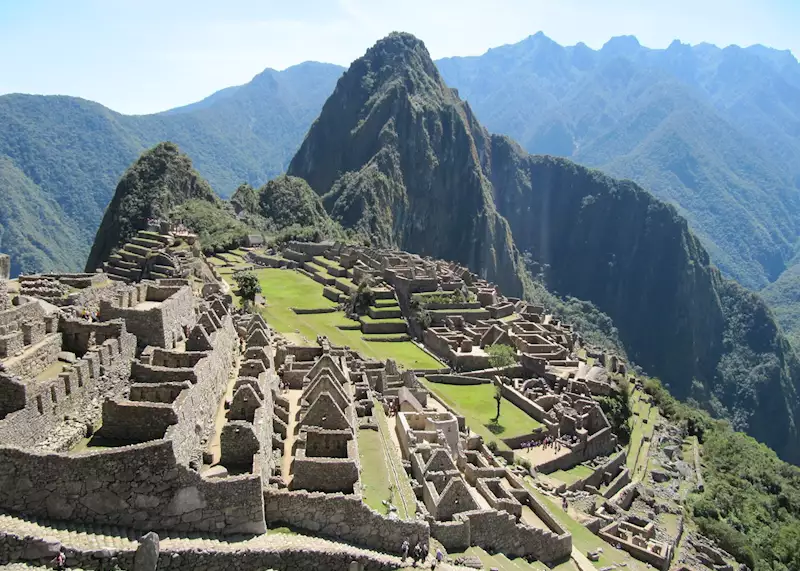
Machu Picchu is one of the most visited archaeological sites on earth — 4,000 people per day, timed entry tickets that sell out months ahead, and a well-oiled tourist infrastructure of trains, buses, and hotels. Choquequirao is its lesser-known cousin: larger in area, more dramatically positioned, and visited by around 30 people per day. The difference in experience is profound.
The contrast begins before you even set foot on either site. Machu Picchu's fame means you'll likely recognize its iconic structures from countless photographs, yet seeing the citadel perched on its mountain ridge still delivers an undeniable impact. Choquequirao, meanwhile, remains largely unknown to the general public — meaning your first glimpse of its terraces cascading down the mountainside comes with the shock of genuine discovery.
This fundamental difference in accessibility and fame shapes everything: the type of traveller who visits, the physical and mental preparation required, the time commitment, and ultimately, the nature of your connection with these ancient Inca sites. Neither experience is superior — they serve different purposes in the spectrum of adventure travel.
Getting There
Machu Picchu is accessible by a 1h45m train from Ollantaytambo followed by a 25-minute bus ride — a total journey of around 3 hours from Cusco. Choquequirao requires a 4-day return trek through the Apurímac Canyon, descending 1,500 metres and climbing the same back out. There is no other way to reach it.
The Machu Picchu Route
The journey to Machu Picchu begins at Cusco's San Pedro station with the train to Ollantaytambo, or directly from Ollantaytambo if you're staying in the Sacred Valley. Peru Rail and Inca Rail operate regular services, with the most economical Expedition class costing around $65 each way. The train follows the Urubamba River through increasingly dramatic canyon scenery, passing traditional villages and glimpses of Inca terraces.
At Aguas Calientes (officially Machu Picchu Pueblo), the buses queue for the 25-minute zigzag climb up Hiram Bingham Highway. Buses run every 10 minutes from 5:30 AM, costing $12 each way. The alternative — walking up the 1,200 steps of the Hiram Bingham Trail — takes 45-60 minutes and is free, though you'll arrive sweaty and need an early start.
The Choquequirao Trek
Choquequirao's remoteness is both its burden and its blessing. The standard route begins at Cachora, a three-hour drive from Cusco through Limatambo. From Cachora, the trail descends through cloud forest into the Apurímac Canyon — first to Playa Rosalina on day one (4-5 hours), then the brutal climb to Choquequirao Base Camp on day two (6-7 hours of steep ascent).
Day three brings exploration of the ruins themselves, while day four begins the return journey. The trek demands good fitness: you'll cover approximately 60 kilometres with altitude changes equivalent to climbing Ben Nevis twice. The trail alternates between exposed ridges with temperatures reaching 30°C and cloud forest sections that can drop to 5°C at night.
Most trekkers hire arrieros (muleteers) and their horses to carry camping equipment and supplies. A standard organized trek costs $400-600 per person for four days, including guide, meals, camping equipment, and mules. Independent trekking is possible but requires careful planning for food, water purification, and emergency contingencies.
The Ruins Themselves
Machu Picchu is the more complete and extensively studied site — the architecture, the plazas, the Temple of the Sun, and the agricultural terraces are extraordinarily well preserved. Choquequirao is larger but only 30% excavated. Walking the edges of Choquequirao you can see walls disappearing into the jungle — the remaining 70% awaiting the archaeologists who will eventually uncover them. The Llama Terraces at Choquequirao — stone-inlaid llama figures on the agricultural terraces, unique in all of Inca archaeology — have no equivalent at Machu Picchu.
Architectural Significance
Machu Picchu's preservation allows detailed study of Inca urban planning. The site's division into agricultural and urban sectors, connected by plazas and stairways, demonstrates sophisticated understanding of both functionality and ceremony. The precision of the stonework — blocks fitted so tightly that a knife blade cannot slide between them — represents the pinnacle of Inca masonry.
Choquequirao's architecture suggests it held equal importance to Machu Picchu in the Inca hierarchy. The main plaza measures 150 by 30 metres, larger than Machu Picchu's central space. The site's position — perched at 3,050 metres above the Apurímac River — required extraordinary engineering to construct terraces on such steep terrain. Recent archaeological work has revealed ceremonial platforms, residential complexes, and water management systems of comparable sophistication to Machu Picchu.
The Llama Terraces
Choquequirao's unique feature — the terraces decorated with white stone llama figures — represents art integrated into agricultural infrastructure. Twenty llama figures, some measuring four metres in length, are inlaid into the retaining walls using white granite blocks. No other Inca site contains similar decorative terraces, suggesting Choquequirao's special ceremonial significance. The llamas face east toward the Apurímac River, possibly representing the important role of camelids in Inca culture and economy.
The Experience
At Machu Picchu, you share the site with up to 4,000 others. Photography requires patience. The circuit routes direct you efficiently around the site in roughly 2–3 hours. At Choquequirao, after 4 days of trekking, you arrive at a ruin almost entirely to yourself. You can spend the afternoon exploring without seeing another person, sit on the edge of the agricultural terraces above the Apurímac gorge, and watch condors riding the thermals. Both experiences are extraordinary — they are simply different in kind.
The psychological impact of each site relates directly to the effort required to reach them. Machu Picchu delivers immediate gratification — the classic postcard view appears within minutes of passing through the entrance gate. The challenge lies in finding moments of personal connection amid the crowds and time constraints. Early morning visits (the first buses at 5:30 AM) offer the best chance for relatively quiet contemplation, particularly if you climb Huayna Picchu or Machu Picchu Mountain for elevated perspectives.
Choquequirao rewards patience and physical commitment with profound solitude. After two days of trekking, arrival at the ruins feels like a personal archaeological discovery. The absence of barriers and guided routes means you can explore freely, touching 500-year-old walls and sitting in doorways where Inca nobility once stood. The silence — broken only by wind through the terraces and occasional condor calls — provides a meditative quality impossible at busier sites.
Best Time to Visit
Peru's weather patterns affect both sites differently, though the general dry season (May to September) provides the most reliable conditions for visiting either location.
Machu Picchu Seasonality
Machu Picchu operates year-round, though weather significantly impacts the experience. The dry season (May-September) brings clear skies for photography and minimal rain, but also peak crowds and highest prices. June through August sees daily temperatures around 20°C with cool nights dropping to 8°C.
The wet season (November-March) means frequent afternoon showers and clouds that can obscure mountain views, but also fewer crowds and lower prices. December and January see the heaviest rainfall. The shoulder months — April and October — offer good compromises between weather and crowd levels.
Choquequirao Conditions
Choquequirao trekking is only advisable during the dry season (May-September). The wet season makes the trail treacherous, with mud, river crossings, and increased risk of landslides. Even during dry season, afternoon clouds often roll up from the Amazon basin, though they rarely bring significant rain.
May and September provide the best conditions — dry trails, clear skies, and moderate temperatures. June through August offer guaranteed dry weather but can be crowded by Choquequirao standards (15-20 people per day rather than 5-10). July and August nights can drop to freezing at higher elevations.
What to Pack and Prepare
Machu Picchu Essentials
Machu Picchu requires minimal specialized gear. Comfortable walking shoes with good grip handle the stone pathways and steps. Layers work best — mornings can be cool and misty while afternoons turn warm and sunny. Essential items include sun protection (the altitude intensifies UV rays), rain jacket for unexpected showers, and plenty of water (no sales inside the ruins).
Photography equipment deserves special consideration. The site's dramatic contrasts — bright stone against dark shadows — challenge camera settings. A polarizing filter cuts through haze and enhances contrast. Early morning visits offer the best light and fewer people in your shots.
Choquequirao Trek Preparation
The Choquequirao trek demands serious preparation. Essential gear includes a four-season sleeping bag rated to -5°C, waterproof trekking boots with ankle support, trekking poles for steep descents and ascents, and a high-quality rain jacket and pants.
Layered clothing handles temperature variations from tropical canyon floors to cold mountain camps. Quick-dry materials work best in humid cloud forest sections. A wide-brimmed hat and high SPF sunscreen are crucial for exposed ridge walks.
Personal items include water purification tablets or a reliable filter (natural water sources throughout the route), a comprehensive first aid kit including blister treatment, altitude sickness medication, and a headlamp with backup batteries for pre-dawn starts.
Physical preparation should begin at least six weeks before departure. The trek requires cardiovascular fitness equivalent to hiking 15 kilometres daily over steep terrain. Regular stair climbing, hiking with a weighted pack, and altitude acclimatization in Cusco for 2-3 days all help prevent problems on the trail.
Costs and Budgeting
Machu Picchu Expenses
A day trip to Machu Picchu from Cusco costs $150-250 per person, including train tickets ($130 for Expedition class), bus tickets ($24 return), entrance fee ($45), and meals in Aguas Calientes. Upgrade costs include Vistadome train service ($200+), Huayna Picchu mountain climb (additional $20), and official guide services ($150 for groups up to 10 people).
Staying overnight in Aguas Calientes adds $50-500 depending on hotel choice, but allows early morning entrance and a more relaxed schedule. Budget hostels start around $30 per night, while luxury options like Belmond Sanctuary Lodge (the only hotel adjacent to the ruins) cost $800+ per night.
Choquequirao Trek Investment
Organized Choquequirao treks cost $400-800 per person for four days, varying by group size and service level. This includes guide, meals, camping equipment, pack animals for gear transport, and emergency support. Independent trekking reduces costs to $100-200 but requires gear ownership or rental and significant self-sufficiency.
Additional expenses include transport to Cachora trailhead ($80-120 for private vehicle from Cusco), tips for guides and arrieros (10-15% of trek cost), and gear rental if needed. Quality camping equipment rental in Cusco costs $15-25 per day per item.
The Verdict
Visit Machu Picchu if you have limited time, limited fitness, or are visiting Peru for the first time. Visit Choquequirao if you want one of the great remaining adventure travel experiences in South America — the Inca citadel that the world has not yet found. If you can do both, do both: the 9-day Choquequirao to Machu Picchu traverse is one of the finest multi-day treks anywhere.
The choice ultimately depends on what you seek from travel. Machu Picchu offers reliable access to Peru's most famous attraction with predictable logistics and world-class infrastructure. It delivers an iconic experience that meets most travellers' expectations of Inca archaeology and Andean scenery.
Choquequirao serves travelers seeking transformation through challenge. The physical demands, mental commitment, and solitude create a pilgrimage-like experience that changes your relationship with ancient sites. You earn Choquequirao through effort in a way that makes the encounter more personal and lasting.
For Peru first-timers, Machu Picchu remains essential — its preservation and accessibility provide the best introduction to Inca civilization. For return visitors or serious trekkers, Choquequirao offers the rarer gift of discovery in an age when true wilderness experiences grow increasingly scarce. Both represent pinnacles of pre-Columbian achievement, but they serve different desires in the modern traveller's quest for meaningful encounters with the ancient world.