The Budget Reality
A realistic daily budget for South America varies enormously by country and travel style. Bolivia and Peru are the most affordable — $35–50/day covers a decent hostel, good local food, and most activities. Argentina is complicated by its exchange rate but effectively very cheap for those managing their currency correctly. Chile and Brazil are more expensive but still significantly cheaper than Europe or North America.
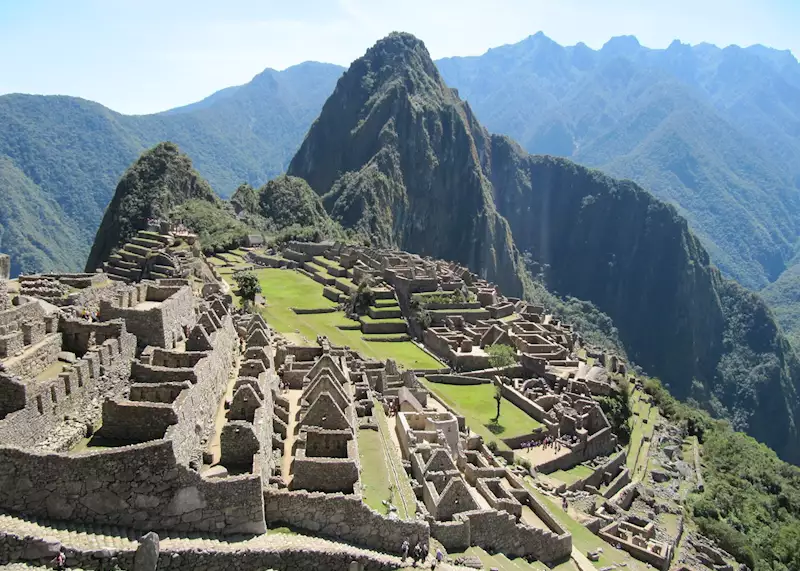
The key to budget success in South America lies in understanding regional price variations. Capital cities like Lima, Santiago, and São Paulo command premium prices, while smaller towns and rural areas offer exceptional value. Your budget can stretch 40-60% further by avoiding the most touristy areas during peak season. For example, staying in Ollantaytambo instead of Cusco before visiting Machu Picchu saves $15-20 per day while offering a more authentic experience.
Exchange rates fluctuate dramatically, particularly in Argentina where the official and parallel rates can differ by 100%. Monitor XE.com and local forums for current rates. Bring USD cash — crisp, new bills without marks or tears are essential in many countries. ATMs offer poor rates and charge hefty fees, making cash the budget traveler's best friend.
Accommodation
South America has an excellent hostel culture. Dormitory beds in well-reviewed hostels in Cusco, Medellín, Buenos Aires, and Rio cost $12–22/night. Many hostels also offer private rooms at $35–55/night — cheaper than budget hotels and often in better locations. Booking.com and Hostelworld are the most reliable platforms. Book ahead for high-season periods in Patagonia, Cusco, and Rio.
Beyond traditional hostels, consider family-run hospedajes and pensiones, especially in Bolivia and Peru where they cost $8-15/night for private rooms. These rarely appear on booking sites — look for "Hospedaje" signs or ask locals. In Colombia, fincas (farm stays) offer incredible value at $20-30/night including meals and activities.
Couchsurfing remains active in major South American cities, particularly in Argentina, Colombia, and Brazil. Use it strategically to offset expensive nights in places like Santiago or São Paulo. Camping is excellent throughout Patagonia and much of Argentina — many hostels rent camping equipment if you're not carrying your own.
For longer stays, monthly hostel rates drop significantly. A month in a Medellín hostel might cost $200-250 instead of $360-450 for nightly rates. WhatsApp groups and Facebook expat communities often share apartment rental opportunities perfect for stays of 2-4 weeks.
Food
The set lunch menu (almuerzo corriente in Colombia, menú del día in Peru) is the budget traveller's greatest asset. For $3–6 you get soup, a main course, salad, and a drink — often the best food you'll eat all day. In Argentina, the parrilla tradition means excellent beef at neighbourhood restaurants for $10–15. In Brazil, the pay-by-weight kilo restaurant format offers extraordinary variety and value for $6–10.
Street food represents some of the continent's best value. Colombian arepas cost $0.50-1, Peruvian anticuchos run $2-3 for a generous portion, and Argentine choripán provides a filling meal for $3-4. Look for busy stalls with high turnover — locals know where the good food is.
Markets offer unbeatable prices for fresh ingredients. Cook simple meals in hostel kitchens to balance restaurant spending. A week's groceries rarely exceeds $25-30 in most countries. Quinoa, lentils, pasta, and local vegetables form the backbone of budget cooking. Many hostels provide free pasta, rice, and basic condiments.
Avoid eating in tourist zones where prices inflate 200-300%. Walk three blocks from main plazas and prices drop dramatically. In Bolivia, a full meal in tourist areas costs $8-12; the same meal two streets away costs $3-4. Download offline maps to explore residential neighborhoods where locals actually eat.
Transport
Overnight buses are the backbone of budget travel in South America. A fully reclining cama bus seat on an overnight route from Buenos Aires to Mendoza (14h) costs $25–40 and saves you a night's accommodation. Budget airlines (LATAM, Avianca, Sky, Flybondi, Viva) connect major cities for $30–80 one-way if booked 4–6 weeks ahead.
Bus quality varies enormously by company and route. Cruz del Sur in Peru, Flixbus in Argentina and Chile, and Copetran in Colombia offer reliable premium services. Always choose semi-cama or cama for overnight journeys — the $5-10 upgrade transforms your comfort level. Terminal fees ($1-3) and departure taxes for international borders ($5-25) add to ticket prices.
Local transport within cities is incredibly cheap. Bogotá's TransMilenio costs $0.75 per journey, covering the entire city. Buenos Aires' subte runs $0.30 per trip with the right exchange rate. Lima's Metropolitano offers modern bus rapid transit for $0.80. Avoid taxis except for safety reasons late at night — ride-sharing apps like Uber, Cabify, and local alternatives offer transparent pricing.
Domestic flights become worthwhile for long-distance routes exceeding 12-15 hours by bus. Monitor sales during shoulder seasons when carriers dump inventory. Avianca, LATAM, and Sky frequently offer $40-60 flights within countries. Book Tuesday-Thursday departures for lowest fares and avoid Friday-Monday premium pricing.
The Big Ticket Items
Machu Picchu ($52 entry), Galápagos ($200 park fee), and the Inca Trail permit ($225) represent the main budget spikes. Plan and budget for these specifically. Choquequirao is a much cheaper alternative to Machu Picchu at $5 entry, and the Pantanal delivers world-class wildlife at a fraction of Galápagos prices.
Additional costs for major attractions include transport and accommodation premiums. Galápagos requires internal flights ($180-300) plus island accommodation starting at $40/night for basic hostels. Factor $400-600 total for a budget Galápagos experience including the park fee.
Torres del Paine in Chile charges $32 entry plus expensive camping fees ($8-15/night). Bringing your own tent and food reduces costs significantly — the park's remoteness inflates prices 300-400%. Budget $200-300 for a 4-day W Trek including gear rental.
Wine tours in Argentina and Chile range from budget group tours ($25-40) to premium private experiences ($100+). Cycling between wineries offers the best value — many offer free tastings for visitors arriving independently. Mendoza and Maipo Valley provide excellent budget wine experiences.
Money-Saving Strategies
Timing dramatically impacts costs. Shoulder seasons (April-May and September-November) offer 30-50% savings on accommodation while maintaining good weather. Avoid December-February in Patagonia and June-August in northern destinations unless absolutely necessary.
Group purchases reduce per-person costs for tours and transport. Hostels facilitate group formation for expensive activities like multi-day treks or wildlife tours. Solo travelers can often join existing groups with 24-48 hours' notice.
City tourism cards occasionally provide value, but calculate carefully. Many offer modest discounts on attractions you might not visit anyway. Free walking tours operate in most major cities — tip $3-5 for excellent introductions to neighborhoods and culture.
Happy hours and early-bird specials help manage drinking costs. Argentine wine costs $2-3 per bottle in supermarkets versus $8-12 in restaurants. Colombian aguardiente runs $3-4 per bottle. Brazilian caipirinhas during happy hour cost $2-4 instead of $6-8 at peak times.
Country by Country
Bolivia: The cheapest country in South America. $30–45/day covers everything. The Uyuni tour (3 days, ~$120) is extraordinary value. Now visa-free for US citizens.
Bolivia's affordability stems from the strong local currency and low labor costs. La Paz offers filling meals for $2-3 and decent hostels for $8-12/night. The highland climate means minimal air conditioning costs. Street food like salteñas (meat pies) cost $0.75 each and provide substantial nutrition. Bus transport throughout the country rarely exceeds $10 for journeys under 8 hours.
Peru: Very affordable outside Machu Picchu. $35–55/day in Cusco. Local restaurants are cheap and often excellent.
Peru's tourist infrastructure supports budget travel exceptionally well. Arequipa, Huacachina, and northern coast destinations offer better value than Cusco. The extensive bus network connects destinations efficiently — Lima to Cusco costs $15-25 for 20-hour journeys. Peruvian cuisine ranks among the world's best, with incredible ceviche available for $4-6 in coastal towns.
Colombia: Excellent value. $35–55/day. The almuerzo set lunch is one of the best food deals in the world. Medellín is particularly good value.
Colombia's improved security and infrastructure attract budget travelers seeking authentic experiences. Coffee region stays in traditional fincas cost $25-40/night with meals included. Caribbean coast destinations like Cartagena inflate prices, but inland cities like Bogotá, Medellín, and Cali offer exceptional value. Free salsa lessons, abundant festivals, and welcoming locals enhance the budget experience.
Argentina: Complicated by exchange rates but effectively cheap for those with USD cash. $40–70/day with the parallel rate.
Argentina rewards informed budget travelers with world-class experiences at developing-country prices. Buenos Aires rivals Paris for cultural offerings while costing 60% less with proper exchange rates. Wine region accommodation outside peak season drops to $15-25/night. Patagonia remains expensive due to remoteness and fuel costs, but wildlife experiences rival anywhere globally.
Chile: The most expensive South American country. $60–90/day. Patagonia adds significant costs.
Chile's developed economy and strong peso create pricing closer to Eastern Europe than typical South America. Focus spending on unique experiences like Atacama Desert tours or Patagonian trekking. Santiago offers excellent public transport and free museum days. Wine country provides good value with cycling tours and hostel stays in Santa Cruz or Curicó instead of premium areas.
Brazil: Mid-range. $50–80/day. Rio is expensive for accommodation; elsewhere is more reasonable.
Brazil's size creates dramatic regional price variations. Northeast cities like Salvador and Recife cost 40% less than Rio or São Paulo. Amazon experiences from Manaus offer better value than tourist-focused operators. Carnival inflates accommodation 400-600% — visit during off-season for authentic Brazilian culture without premium pricing. Pousadas (guesthouses) provide better value than international hotel chains.
Essential Budget Tips
Download offline maps, translation apps, and currency converters before arrival. WhatsApp works universally for communication with accommodations and tour operators. Google Translate's camera function helps navigate menus and signs in Portuguese and Spanish.
Travel insurance proves essential given South America's adventure tourism and high-altitude destinations. World Nomads and Safety Wing offer coverage starting at $3-5/day. Medical evacuation from remote Patagonian or Andean locations costs $50,000+ without insurance.
Carry backup payment methods. Credit cards face acceptance issues outside major cities, while debit cards encounter daily withdrawal limits and poor exchange rates. Distribute cash across multiple locations and always keep emergency funds separate from daily spending money.
Learn basic Spanish phrases for negotiating, asking directions, and ordering food. Even minimal effort dramatically improves interactions and often results in better prices. Portuguese differs enough from Spanish to warrant separate preparation for Brazil.