The Honest Summary
Medellín in 2026 is significantly safer than its reputation suggests. El Poblado — where most tourists stay — has crime rates comparable to many European tourist districts. The broader city requires the same common-sense precautions as any large Latin American city. The dramatic transformation of the past two decades is real and sustained.
The city's murder rate has dropped by over 90% since the early 1990s, falling from around 380 per 100,000 inhabitants to approximately 23 per 100,000 in recent years. This puts Medellín below cities like Baltimore, Detroit, and New Orleans in terms of violent crime statistics. The transformation has been so complete that areas once considered no-go zones now host international conferences, art festivals, and attract millions of tourists annually.
Police presence is visible throughout tourist areas, with specialized tourist police units who often speak English and are specifically trained to assist international visitors. The metro system is clean, efficient, and safe, with security cameras and regular patrols. Most importantly, the local population in tourist areas is genuinely welcoming — they're proud of their city's transformation and want visitors to have positive experiences.
Neighbourhoods: A Safety Breakdown
El Poblado: Very safe. The main tourist district with excellent infrastructure, police presence, and low petty crime. Walk freely during daylight and evening hours. Exercise normal precautions late at night around Parque Lleras.
The upscale Zona Rosa area within El Poblado is particularly secure, with private security guards outside many establishments and well-lit streets. The Manila and Provenza neighborhoods have transformed into trendy dining and nightlife districts with constant foot traffic that naturally enhances safety. High-end shopping centers like Santafé and Oviedo are modern, secure, and comparable to malls anywhere in North America or Europe.
Laureles / Estadio: Safe. A local neighbourhood increasingly popular with longer-term visitors. Lower crime than El Poblado with a more authentic Medellín feel.
This area is home to many middle-class Colombian families and has an excellent selection of local restaurants, cafes, and parks. The Estadio Metro Station area is particularly vibrant during the day, with the famous Atanasio Girardot Stadium complex and numerous food vendors. The Laureles Park (70th Avenue) becomes a pedestrian zone on Sundays and holidays, creating a festival-like atmosphere that's perfect for experiencing local culture safely.
El Centro: Use caution. The city centre is busier and more chaotic. Pickpocketing occurs around the Plaza Botero area. Go with a guide or group for a visit, keep valuables secure, and avoid the area after dark.
The historical center contains must-see attractions like the Palace of Culture, Metropolitan Cathedral, and the famous Botero sculptures. However, it also has a significant homeless population and street vendors that create a more challenging environment. The area around Parque Berrío and the Macarena neighborhood has excellent museums but requires extra vigilance. Most incidents are opportunistic theft rather than violent crime, but the chaotic environment can be overwhelming for first-time visitors.
Comuna 13: Safe during daylight with a guide. The famous street art neighbourhood is safe on the main escalator route and the central murals area. Do not wander into adjacent streets independently. Go with a local guide for the best experience.
The outdoor escalator system that connects Comuna 13 to the rest of the city is a marvel of urban development and is heavily monitored. The transformation story of this neighborhood — from one of the most dangerous areas in the world to a symbol of urban renewal — is remarkable. However, the safety improvements are concentrated in specific tourism corridors. Local guides not only enhance safety but provide crucial historical context that makes the visit much more meaningful.
Transportation and Getting Around Safely
Metro System
Medellín's metro system is among the safest and most efficient in Latin America. The trains run frequently, are air-conditioned, and connect all major tourist areas. Women-only cars operate during peak hours, and security personnel are present at all stations. The system includes the traditional metro lines plus cable cars (Metrocable) that offer stunning views while providing safe transportation to hillside neighborhoods.
Rideshare and Taxis
Uber operates reliably throughout the city and provides an additional safety layer through GPS tracking and driver identification. InDriver is another popular app that allows you to negotiate fares directly with drivers. Traditional yellow taxis are generally safe during daylight hours but should be avoided at night unless you're familiar with the city. Always ensure taxi meters are running or negotiate the fare before departing.
Walking and Street Navigation
Most tourist areas are easily walkable during daylight hours. The city has invested heavily in sidewalk improvements and public spaces. However, Colombian cities have different traffic patterns than North American or European cities — drivers are more aggressive, and traffic lights are often treated as suggestions. Always use designated crosswalks and be extra cautious at intersections.
Practical Safety Tips
Use Uber or InDriver for all night-time transport — do not hail street taxis after dark. Do not carry your real passport — a photocopy is sufficient for most situations and the original is safer at the hotel. Keep your phone in a pocket rather than out on the table at street-level restaurants. Avoid displaying expensive jewellery, cameras, or watches unnecessarily. These precautions are not specific to Medellín — they apply to any large city in the world.
Money and Banking
ATMs are widely available but use machines inside banks or shopping centers rather than standalone street units. Many establishments accept credit cards, but cash is still preferred for smaller purchases. Keep large bills separate from small denominations — having exact change helps avoid drawing attention to the amount of money you're carrying. The Colombian peso fluctuates significantly, so check current exchange rates and avoid currency exchange on the street.
Communication and Language
Download offline maps before exploring, as cell service can be spotty in some areas. Learn basic Spanish phrases for emergencies — "¿Dónde está la policía?" (Where is the police?) and "Necesito ayuda" (I need help) are essential. Most younger Colombians in tourist areas speak some English, but don't assume English will be widely understood outside El Poblado.
Health and Medical Precautions
Medellín's elevation (5,000 feet) can cause mild altitude sickness for some visitors arriving from sea level. Stay hydrated and avoid excessive alcohol consumption in your first 24 hours. The city has excellent private healthcare facilities, and medical tourism is common. However, ensure your travel insurance covers international medical expenses. Tap water is generally safe in tourist areas, but bottled water is widely available and inexpensive.
The Scopolamine Risk
Scopolamine (burundanga) — a drug that can be slipped into drinks — is a genuine (if relatively rare) risk in Medellín's nightlife areas. Never accept drinks from strangers and do not leave your drink unattended. This risk is highest in the club areas of El Poblado and Laureles on weekend nights.
The drug is odorless, tasteless, and can render victims compliant and unable to form memories of events. While incidents are relatively rare and tend to be concentrated in specific nightlife venues, the effects can be severe. If you feel unusually disoriented, dizzy, or confused after consuming alcohol, seek help immediately from venue security or trusted companions.
To minimize risk, stick to established venues with good reputations, travel in groups, and designate someone to remain relatively sober. Avoid accepting invitations to private parties from people you've just met, and be particularly cautious during major festivals or holidays when the city fills with both tourists and opportunistic criminals from other regions.
Emergency Contacts and Resources
Colombia's national emergency number is 123 for police, fire, and medical emergencies. The tourist police (Policía de Turismo) have dedicated units in El Poblado and can be reached at (574) 444-8655. Many officers speak basic English and are specifically trained to assist international visitors.
Your embassy or consulate should be your first contact for serious emergencies involving document theft, legal issues, or major medical problems. The US Consulate in Medellín is located in El Poblado and provides services to American citizens. European and other international visitors can contact their respective embassies in Bogotá.
Keep digital copies of important documents stored in cloud services that you can access from any internet connection. Include your passport, travel insurance information, credit card numbers, and emergency contacts. Many hotels and hostels in tourist areas have 24-hour reception staff who can provide assistance in multiple languages.
Cultural Awareness and Local Customs
Understanding local customs enhances both safety and cultural experience. Colombians are generally warm and hospitable, but they also value personal space and formal greetings. Learning to greet people with "Buenos días" (good morning) or "Buenas tardes" (good afternoon) opens doors and creates positive interactions.
Dress codes are more conservative than many travelers expect, particularly when visiting religious sites or traditional neighborhoods outside the tourist zones. Revealing clothing can attract unwanted attention and mark you as a tourist. Colombians tend to dress well even for casual occasions, so making an effort with your appearance shows respect for local culture.
Tipping customs differ from North American standards — 10% is standard at restaurants if service charge isn't included, and small tips for hotel staff and tour guides are appreciated but not mandatory. Over-tipping can actually create problems by setting unrealistic expectations for local salaries.
Best Times to Visit and Seasonal Considerations
Medellín's "eternal spring" climate means consistent temperatures year-round, but there are distinct wet and dry seasons. The dry seasons (December-March and June-August) offer better weather for walking and outdoor activities, while rain during wet seasons typically comes in short, intense bursts rather than all-day downpours.
December and January see increased crowds and higher prices due to Colombian vacation periods and international tourism. March and April coincide with various festivals, including the famous Feria de las Flores in August, which brings celebration but also larger crowds and increased activity that can complicate navigation for first-time visitors.
Avoid traveling during major Colombian holidays unless you're specifically interested in local celebrations. Transportation becomes more expensive and crowded, and many businesses close or operate on reduced schedules. However, experiencing local festivals can be rewarding if you're prepared for the crowds and plan accordingly.
What NOT to Worry About
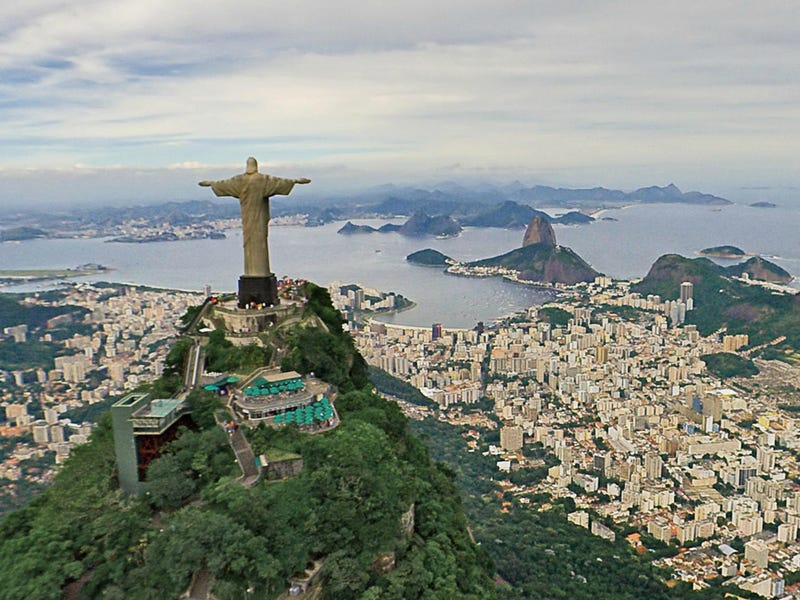
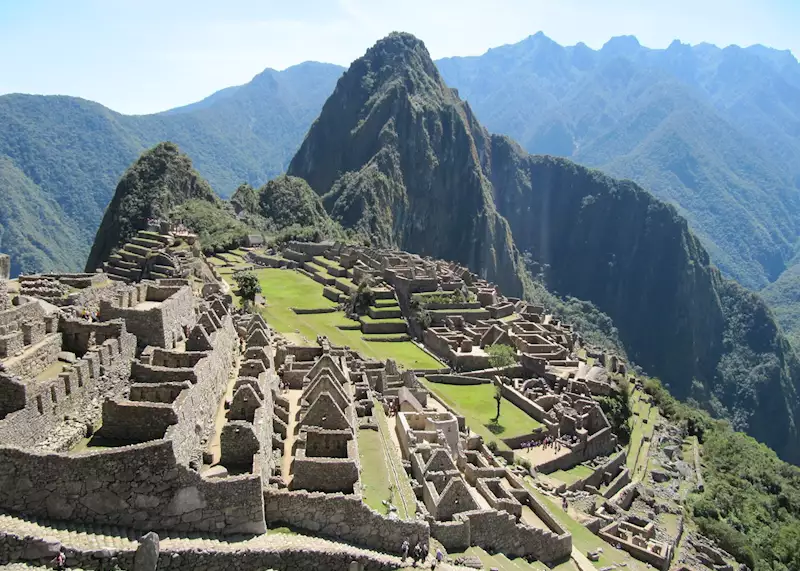
The cartel-era violence that defined Medellín's reputation ended more than 20 years ago. The city's murder rate is now lower than several major US cities. The vast majority of visitors — including many solo female travellers — have completely incident-free experiences. Do not let an outdated reputation prevent you from visiting one of the most interesting and culturally rich cities in Latin America. If you're planning a broader Colombia itinerary, consider combining your visit with nearby Cartagena, or expand your South American adventure to include iconic destinations like Machu Picchu or Rio de Janeiro.
Media coverage often focuses on isolated incidents rather than the broader statistical reality of visitor safety. Thousands of tourists visit Medellín monthly without incident, and the city actively promotes tourism through significant investments in infrastructure, security, and visitor services. The transformation is not just cosmetic — it represents a fundamental shift in how the city operates and views itself.
Language barriers rarely create safety issues, as Colombians are generally patient with visitors attempting to speak Spanish. Getting lost is inconvenient rather than dangerous in tourist areas, and locals often go out of their way to provide directions or assistance to obviously confused travelers.
Political demonstrations and strikes (paros) do occur but are generally peaceful and don't target tourists. If you encounter a demonstration, simply avoid the area and use alternative transportation routes. These events are usually announced in advance and are more likely to cause inconvenience through traffic delays rather than safety concerns.