The Golden Rule
Every gram matters on a multi-day trek where your pack is on your back for 6–9 hours a day. The W Trek is not a wilderness expedition — refugios provide hot showers, cooked meals, and a warm bed. You do not need to carry a week's food or camping equipment unless you are specifically camping. This list is for refugio trekkers.
Pack weight should ideally stay under 10kg (22lbs) for the entire 4-5 day journey. Experienced hikers aim for 7-8kg total pack weight. Remember that you'll be walking on varied terrain — rocky paths, wooden boardwalks, steep ascents to viewpoints, and potentially muddy sections after rain. Every unnecessary item becomes a burden during the challenging 8-hour day from Cuernos del Paine to Domos Frances, or the pre-dawn push to Base Torres.
What to Rent in Puerto Natales
Do not bring from home: sleeping bag (rent a -5°C rated bag for $12–15/night), trekking poles ($5/day), and hiking gaiters ($3/day). These are available from multiple shops in Puerto Natales and renting saves significant weight in your travel bag before and after the trek.
Rental shops like Erratic Rock, Sendas Patagonia, and Adventure Patagonia offer high-quality gear from brands like The North Face and Patagonia. Book gear 2-3 days before your trek starts — popular items like sleeping bags can sell out during peak season (December-February). Most shops require a credit card deposit and will hold gear for 24 hours. Inspect rented items carefully; check sleeping bag zippers, pole locking mechanisms, and gaiter straps. If something seems worn or damaged, ask for a replacement immediately.
Pro tip: Rent a sleeping bag liner separately ($3/night) for hygiene and extra warmth. Even in refugios, nights can drop to 5°C (41°F) in shoulder season, and a liner adds 3-5°C of warmth while keeping you comfortable in shared accommodation.
Clothing: The Essential Layers
Patagonian weather is famously changeable — a sunny morning can become a 100km/h windstorm by afternoon. The layering system is essential: moisture-wicking base layer (1–2 tops, 1 bottom), insulating mid-layer (fleece or down jacket), and a windproof and waterproof outer shell. The outer shell must be genuinely waterproof — water-resistant is not sufficient in sustained Patagonian rain.
Base Layer Details
Merino wool or synthetic materials work best. Merino wool naturally resists odor, crucial when you're wearing the same shirt for multiple days. Bring one base layer for hiking and one for sleeping/refugio time. Avoid cotton completely — it retains moisture, loses insulating properties when wet, and takes hours to dry in Patagonia's humid conditions.
For bottoms, lightweight hiking pants work better than shorts, even in summer. The terrain includes thorny bushes, and weather can change rapidly from warm to cold. Quick-dry fabric with a water-repellent coating handles light rain and morning dew effectively.
Mid-Layer Strategy
A down jacket provides the best warmth-to-weight ratio but becomes useless if wet. Synthetic insulation (PrimaLoft or similar) insulates when damp but weighs more. Many trekkers bring both: a lightweight down jacket for dry conditions and a fleece for active hiking or wet weather. The down jacket doubles as a pillow and extra warmth in refugio sleeping areas.
Outer Shell Requirements
Your rain jacket will determine your comfort level during bad weather. Look for Gore-Tex or equivalent waterproof-breathable fabric. The jacket should have a hood that fits over a warm hat, pit zips for ventilation during active hiking, and pockets accessible while wearing a pack. Test the jacket's breathability — if it traps too much moisture from your body heat, you'll be wet from the inside regardless of rain protection.
The Non-Negotiables
These items have no substitutes: waterproof jacket (not water-resistant — waterproof), trekking boots (broken in before the trek, waterproof), warm hat and gloves (even in summer — the Base Torres summit area can reach near-freezing with wind chill), and high-capacity water bottles (3L minimum — the trail is long and hot in summer).
Footwear Deep Dive
Your boots are your most critical gear choice. They must be waterproof, broken in through at least 50km of hiking before the trek, and suitable for rocky terrain. Ankle support is essential for the boulder fields approaching Base Torres and the steep descent from John Gardner Pass if you continue to Grey Glacier.
Bring a second pair of lightweight shoes for refugio time — camp sandals, running shoes, or lightweight hiking shoes. Your feet need to breathe and dry after 8+ hours in boots. Many refugios require you to remove hiking boots at the entrance anyway.
Hydration Strategy
Water sources exist along the trail, but they're not always convenient. Carry 3L capacity minimum — this might be two 1.5L bottles or a 2L hydration bladder plus a 1L bottle. The stretch from Cuernos to Frances requires carrying water for 6-7 hours with no reliable refill points. Water purification tablets or a small filter provide backup, though refugio water is generally safe.
Photography
A smartphone camera takes extraordinary photos on the W Trek — the landscapes are so dramatic that equipment matters less than timing and conditions. If you bring a DSLR or mirrorless camera, pack it in a dry bag inside your pack — rain can appear instantly. Extra batteries are essential; cold temperatures drain batteries 30–40% faster than normal.
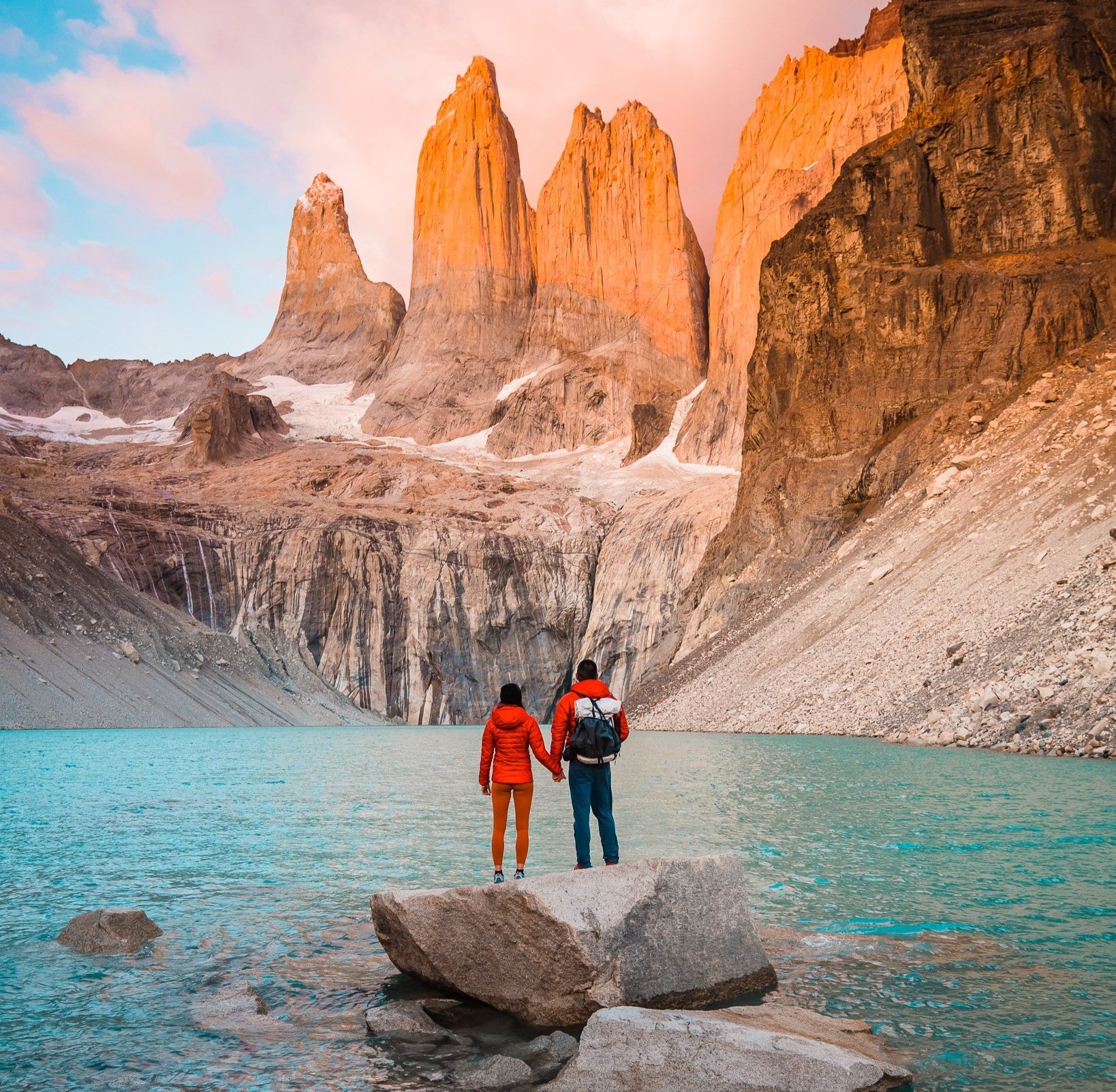
The best photography conditions occur during golden hour — 30 minutes after sunrise and before sunset. This means early starts and late finishes, but the payoff is extraordinary. The Base Torres viewpoint is spectacular at sunrise (6:30-7:30am in summer), requiring a 5:30am departure from Las Torres refugio with headlamps.
Protect your equipment with a rain cover for your camera and lens cloths that don't retain moisture. Silica gel packets in your camera bag help prevent condensation when moving between cold outdoor conditions and warm refugios. A polarizing filter cuts glare from lakes and improves sky contrast in harsh midday light.
What to Leave Behind
Jeans (heavy when wet), cotton anything (takes forever to dry and provides no insulation when wet), more than 2 changes of clothing (refugios have drying rooms), a large towel (refugios provide them, or bring a microfibre one), and any shoes other than your trekking boots and camp sandals.
Also skip: multiple books (bring one paperback or e-reader), excessive toiletries (small travel sizes only), hair dryer (refugios have them), multiple charging cables (bring one universal cable), and "just in case" clothing items. If you haven't worn something in the first two days, you won't wear it for the remaining days.
Essential Personal Items
Sunscreen is critical — Patagonian sun reflects off water and light-colored rock, creating intense UV exposure even on cloudy days. SPF 30+ minimum, and reapply frequently. Sunglasses should be glacier-rated if you're hiking in bright conditions near ice fields.
First aid basics include blister treatment (Compeed or moleskin), pain relievers (ibuprofen for anti-inflammatory effects after long hiking days), and any personal medications. Refugios have basic first aid supplies, but treating hot spots before they become blisters can save your trek.
Headlamp with extra batteries enables early morning starts and provides safety backup. The trail to Base Torres begins in darkness for sunrise viewing, and having hands-free lighting is essential for rocky terrain. Bring a small backup flashlight or ensure your phone flashlight is easily accessible.
Food and Nutrition Strategy
Refugio meals are hearty and designed for hungry hikers, but many trekkers supplement with trail snacks. Energy bars, nuts, dried fruit, and chocolate provide quick energy during long hiking days. Avoid bringing too much food — refugios serve large portions, and you don't want to carry unnecessary weight.
Electrolyte supplements help with hydration, especially during summer heat or if you're prone to cramping. Instant coffee or tea bags supplement refugio beverages, which can be expensive. A small amount of instant soup provides comfort during cold, rainy evenings.
Practical Logistics
Pack everything in waterproof stuff sacks or dry bags — assume your pack will get soaked despite a rain cover. Your sleeping clothes, electronics, and spare layers must stay dry. Use different colored stuff sacks to organize gear categories: red for clothing, blue for electronics, green for toiletries.
Charge all devices in Puerto Natales before starting. Refugios have charging stations, but outlets are limited and demand is high. A small power bank provides backup power for your phone and camera. Download offline maps and weather apps before losing cell service on the trail.
Pack your backpack the night before departing, ensuring frequently needed items (rain gear, snacks, water, first aid) are easily accessible. Heavy items should sit close to your back and between your shoulder blades. Test the packed weight by walking around Puerto Natales — if it feels heavy in town, it will feel crushing on the trail.
Weather Considerations
Patagonian weather defies prediction beyond 24 hours. Pack for all conditions regardless of the forecast. Summer temperatures range from 5°C (41°F) at night to 20°C (68°F) during the day, but wind chill can make it feel much colder. Wind speeds regularly exceed 60km/h, and gusts can reach 120km/h during storms.
Rain can last for days, not just hours. Your rain gear will be tested — budget options will fail in sustained Patagonian weather. Waterproof pants are often overlooked but essential for staying comfortable during long, wet hiking days. Gaiters prevent water, rocks, and debris from entering your boots.
Check current weather conditions at the park entrance and adjust your daily schedule accordingly. Rangers sometimes close sections of the trail during severe weather — flexibility in your itinerary prevents disappointment and ensures safety.