Why Lima Neighbourhoods Matter More Than Most Cities
Lima is a sprawling Pacific coast capital of 11 million people — and the neighbourhoods relevant to visitors occupy a relatively small strip along the clifftops and valleys of Miraflores, Barranco, and San Isidro. The rest of the city — the historic centre, Callao, the industrial districts — exists in a different experiential register entirely. Getting your Lima base right is not a marginal decision: Miraflores and Barranco are 10 minutes apart by taxi but feel like different cities, and staying in the wrong one for your interests means spending your Lima time in cabs rather than walking between things you want to see.
Miraflores: The Visitor's Hub
Miraflores is Lima's most polished district — a clifftop neighbourhood above the Pacific with excellent infrastructure, the highest concentration of good restaurants in the city, and the Malecón (the clifftop promenade) providing one of the great urban coastal walks in South America. It is where most international visitors stay, and for good reason: the safety level is high by Lima standards, the restaurant and café density is extraordinary, and the area is genuinely pleasant to walk around.
The Larco Mar shopping centre, built into the cliff face, gives beach access and a genuinely dramatic architectural setting. The Mercado de Surquillo — a 10-minute walk from most Miraflores hotels — is Lima's finest food market and one of the best in South America. Parque Kennedy, the central park, has food stalls, craft vendors, and dozens of resident cats that have become a neighbourhood attraction in themselves.
Where to stay in Lima Miraflores: boutique options from $100 to $200 per night (Casa Andina Select, Hotel B), international chains from $150 to $300 (Marriott, Radisson), and budget guesthouses from $40 to $80. The area around Avenida Larco and Calle Berlín has the highest concentration of good mid-range options within walking distance of the best restaurants.
The Malecón extends for 6 kilometres from San Isidro to Barranco, passing through several parks including the love-themed Parque del Amor with its famous giant kissing sculpture. Early morning runs along the Malecón are magnificent — the Pacific stretches endlessly to the west while the city wakes up behind you. The clifftop position means temperatures are consistently 3-4 degrees cooler than inland Lima, making Miraflores significantly more comfortable during the humid summer months from December to April.
For practical considerations, Miraflores has the best pharmacy and medical services in Lima, including several 24-hour locations along Avenida Arequipa. The neighbourhood's grocery stores — particularly Wong and Plaza Vea — stock international products and are open late. ATMs are everywhere and generally safe to use during daylight hours. The Police station on Avenida Larco has tourist police who speak English and are experienced with visitor issues.
Barranco: The Creative Alternative
Barranco is Lima's bohemian heart — a neighbourhood of late 19th-century clifftop mansions, independent restaurants, street art, and a creative community that has made it the most interesting district in the city for culturally focused visitors. It sits immediately south of Miraflores, a 10-minute walk or 5-minute cab ride, but feels entirely different: less polished, more atmospheric, with crumbling elegant architecture alongside renovated galleries and the best independent dining scene in Lima.
The Puente de los Suspiros (Bridge of Sighs) — a wooden footbridge over a ravine leading to the beach — is Barranco's most photographed spot. The Plaza Municipal is the neighbourhood's central square, lined with restaurants and bars that come alive in the evenings. The Bajada de los Baños is a pedestrianised path to the beach through a valley of restaurants and cafés.
Barranco at night is the best Lima nightlife district — the most interesting bars, the best live music venues, and the restaurants that chefs and food writers choose when they want to eat well without spending fine-dining prices. The neighbourhood is safe in its central areas; exercise normal precautions on the side streets after midnight. Hotels: Barranco has fewer hotel options than Miraflores but several outstanding boutique properties — the Barranco's Backstay Hostel (from $15 dorm, $60 private) and the Hotel B (from $250, one of the finest boutique hotels in South America).
The art scene in Barranco deserves specific attention. The MATE (Mario Testino Museum) showcases work by Peru's most famous photographer, while the Museo Pedro de Osma houses one of Lima's finest collections of colonial art in a beautiful mansion. Street art walks are informal but rewarding — the murals along Avenida Pedro de Osma and the side streets near the plaza change regularly as new artists contribute to the neighbourhood's visual culture.
Barranco's restaurant culture operates on a different schedule than Miraflores. Many of the best independent restaurants don't open until 7pm and hit their stride after 9pm. This is Lima dining as locals experience it — later, longer, with more conversation and less formality. The bar scene follows the same pattern, with peak hours from 10pm to 1am on weekends.
San Isidro: The Business District
San Isidro is Lima's financial centre — towers, international business hotels, and the Bosque El Olivar (an olive grove turned park that is the neighbourhood's great amenity). For leisure travellers, San Isidro is a logical base only if you want the most formal international hotel options (Swissôtel, Westin, InterContinental) at the highest prices, with slightly less walking-distance restaurant density than Miraflores. The neighbourhood is very safe and well-connected by taxi and Uber to both Miraflores and Barranco. Best for: business travellers, those who specifically want an international luxury chain, and couples who want the Westin or InterContinental experience.
The Bosque El Olivar is a remarkable urban park — 500-year-old olive trees in a 23-hectare grove that predates the city around it. It's particularly pleasant for early morning walks and has a surprisingly diverse bird population for central Lima. The park connects to the Golf Los Incas, which makes San Isidro Lima's quietest central neighbourhood despite the business activity.
San Isidro's restaurant scene focuses on expense account dining — several excellent establishments but at prices 30-40% higher than equivalent quality in Miraflores or Barranco. The neighbourhood compensates with Lima's best shopping at Jockey Plaza and excellent spa services at the luxury hotels. For visitors who prioritise quiet nights and luxury amenities over walkable restaurant scenes, San Isidro delivers significantly better value than similar districts in other South American capitals.
Centro Histórico (Lima Downtown): Visit, Do Not Stay
Lima's historic centre — the Plaza Mayor, the Cathedral, the Palacio de Gobierno, and the extraordinary Convento de San Francisco with its catacombs — is worth a full day of exploration. It is not a good base for visitors. The neighbourhood is busy and chaotic during the day, empties after dark, and has limited quality accommodation at visitor-friendly prices. The Museo Larco (Pueblo Libre neighbourhood, adjacent to the centre) is Lima's finest museum — pre-Columbian gold and ceramics of extraordinary quality in a beautiful colonial mansion. Visit on a day trip from Miraflores or Barranco by Uber (15 minutes, approximately 10 soles each way).
Surquillo: The Local Alternative
Surquillo, immediately east of Miraflores, is where Lima actually lives — a working-class residential district with excellent market food (Mercado N.1 de Surquillo is one of the finest food markets in Peru), neighbourhood restaurants serving set lunches at local prices, and a genuine community character that Miraflores lacks. Increasingly popular with longer-term visitors and digital nomads who want a more authentic Lima experience at lower prices. Budget guesthouses from $25 to $50 per night. Not recommended for first-time Lima visitors who want convenience and infrastructure; excellent for those spending a week or more who want to understand Lima beyond the tourist district.
Best Time to Visit Lima by Neighbourhood
Lima's climate varies significantly by neighbourhood due to microclimates created by elevation and distance from the ocean. The city experiences two distinct seasons: the grey winter (garúa) from May to October when coastal fog dominates, and the sunny summer from November to April. However, your choice of neighbourhood affects how you experience these seasons.
Miraflores and Barranco, positioned on the cliffs directly above the Pacific, experience the most dramatic weather variations. During winter months, these neighbourhoods often disappear into thick fog by afternoon, creating an atmospheric but sometimes claustrophobic environment. Summer brings brilliant sunshine and temperatures reaching 28-30°C, making the clifftop position ideal for ocean breezes.
San Isidro, slightly inland and elevated, experiences less fog during winter months and stays warmer year-round. For visitors arriving between June and September, San Isidro offers the most reliable clear skies. Surquillo, furthest from the ocean, has the most stable temperatures but lacks the dramatic coastal weather that many visitors find appealing.
The optimal visiting period depends on your priorities: December to April for beach weather and outdoor activities, May to October for fewer crowds and lower accommodation prices. Food lovers should note that ceviche season peaks during summer months when fish is most abundant, while winter months offer better conditions for exploring the historic centre without excessive heat.
Practical Considerations for Each Neighbourhood
Banking and Money
All three main neighbourhoods have abundant ATMs, but security and fees vary significantly. Miraflores has the most secure ATM locations, particularly those inside shopping centres like Larcomar. Barranco's ATMs require more caution — use those on main streets during daylight hours. San Isidro's banking infrastructure is excellent, with several banks offering preferential exchange rates for international cards.
Currency exchange houses (casas de cambio) offer better rates than banks but vary in reliability. Miraflores has several reputable locations along Avenida Larco. Avoid street money changers entirely — the small rate advantage isn't worth the risk of counterfeit bills or robbery.
Internet and Connectivity
WiFi quality varies dramatically by neighbourhood and accommodation type. Miraflores has the most reliable high-speed internet, crucial for travellers needing consistent connectivity. Barranco's internet can be unreliable in older buildings, though newer hotels and restaurants typically offer excellent service. San Isidro has business-grade connectivity throughout the district.
For mobile service, purchase a SIM card from Claro or Movistar at the airport or in Miraflores. Data packages are inexpensive and provide better coverage than relying on WiFi, particularly when using ride-sharing apps.
Laundry and Practical Services
Miraflores has numerous lavanderías offering same-day service for approximately 15-20 soles per kilogram. The concentration along Avenida Benavides makes comparison shopping easy. Barranco has fewer options but generally lower prices. San Isidro's hotel laundry services are excellent but expensive — budget travellers should plan to use services in Miraflores.
Where to Stay in Lima Peru: The Practical Summary
First-time visitors and those with limited time: Miraflores. The infrastructure, restaurant density, and walking convenience make it the correct default. The Malecón walk, the Surquillo market, and the cluster of Lima's best cevicherías are all within 10 to 20 minutes on foot. You lose nothing by staying in Miraflores and gain significant convenience.
Food-focused and culturally engaged visitors: Barranco. The neighbourhood's restaurant scene is the most interesting in Lima, the architectural character is extraordinary, and being in Barranco makes the Lima experience feel less like a tourist circuit and more like an actual city. The slight distance from Miraflores's convenience is easily compensated by Uber's reliability and low cost.
Couples seeking the finest hotel experience: the Hotel B in Barranco (one of the best boutique hotels in South America, colonial mansion, extraordinary breakfast) or the Belmond Miraflores Park (cliff-edge position, Pacific views, the finest large hotel in Lima). Both represent the best available at their respective scales.
Lima Food: Why Your Neighbourhood Matters
Lima is consistently ranked among the world's top food cities — Central, Maido, and Astrid y Gastón all sit in the global top 20. The city's extraordinary food culture runs from these fine dining institutions down to market comedores and street stalls. Your neighbourhood determines which tier of this culture is most accessible. From Miraflores: La Mar cevichería (lunch only, arrive by 12:30pm), El Mercado (lunch only, equally excellent), and Tanta for mid-range traditional Peruvian — all within 10 minutes on foot. From Barranco: Isolina (traditional Lima home cooking at its finest), Mano (excellent modern Peruvian), and the neighbourhood's street food scene along the Bajada de los Baños.
The timing of Lima's food culture requires understanding: ceviche restaurants typically open at noon and stop serving by 4pm when the fish is no longer at peak freshness. Dinner restaurants in Barranco don't hit their stride until 8-9pm. Markets are best visited between 9am and 2pm when selection is highest and vendors are most willing to let you sample products. The Surquillo market, accessible from Miraflores, offers the best introduction to Peru's extraordinary ingredient diversity — dozens of potato varieties, tropical fruits unavailable elsewhere, and fresh fish brought from the coast each morning.
Getting Around Between Lima Neighbourhoods
Uber and Cabify are the only recommended transport options in Lima. Street taxis should not be used — the risk of express kidnapping (being taken to an ATM at knife point) is real and specifically targets visitors in unmarked taxis. Uber from Miraflores to Barranco costs approximately 12 to 18 soles (3 to 5 dollars). From Miraflores to the historic centre, 15 to 25 soles. The Metropolitano (bus rapid transit) runs along Avenida Arequipa connecting Miraflores to the historic centre — efficient and cheap but requires a card that takes time to obtain. Taxis within Miraflores itself are not worth the effort; most sights and restaurants are walkable.
Safety by Neighbourhood
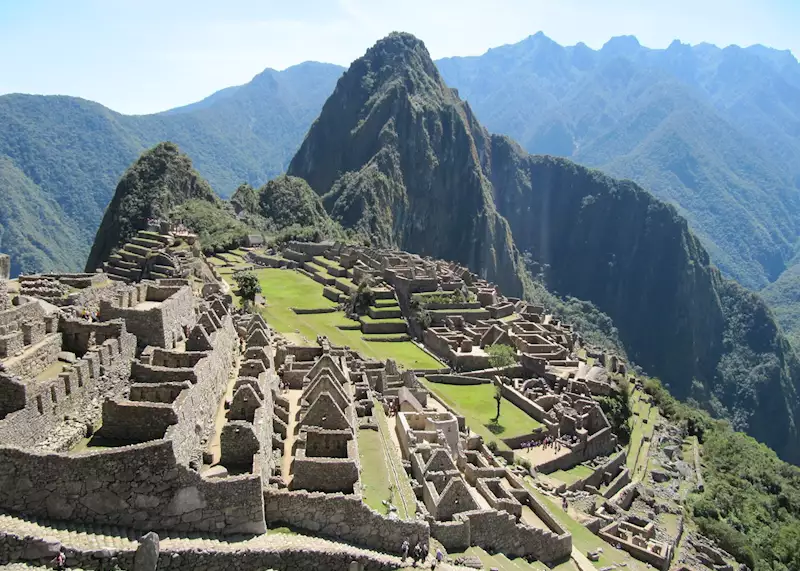
Miraflores and San Isidro are the safest Lima neighbourhoods for visitors — comparable to tourist districts in most European capitals. Barranco's central area (within 4 to 5 blocks of the Plaza Municipal) is safe; the side streets and cliff-edge area after midnight require awareness. The historic centre is safe during business hours and should be avoided after dark. Callao (the port area) and most areas outside the Miraflores-Barranco-San Isidro triangle require specific local knowledge and are not recommended for independent exploration by first-time visitors. The consistent rule: use Uber after dark, keep your phone in your pocket rather than in your hand on the street, and leave expensive jewellery at the hotel. Many visitors use Lima as a base before heading to Machu Picchu or exploring the Amazon Rainforest. From Lima, travellers often continue south to explore Patagonia or fly to Ecuador for the Galápagos Islands.