The Coastal Range
South America's coastline spans the warm Caribbean (Colombia, Venezuela), the cold-water Pacific (Peru and Chile, fed by the Humboldt Current), the tropical Atlantic (Brazil's northeastern coast), and the subtropical Atlantic (Uruguay and Argentina). Each has a distinct character: the Caribbean offers the warm, turquoise, coral-reef beach experience; the Pacific coast offers cold-water but dramatic scenery and excellent surfing; Brazil's northeast offers the warmest Atlantic water in South America and consistently blue skies; and Uruguay's Atlantic is more reminiscent of the English seaside (cooler, wilder) than tropical beach holiday. The 'best' coastal hotel depends entirely on which beach experience you are seeking.
Understanding these regional differences is crucial for planning your South American coastal adventure. Water temperatures range from 15-18°C (59-64°F) along Chile's coast to 28-30°C (82-86°F) in Brazil's northeast and Colombia's Caribbean waters. The Pacific coast's dramatic geography creates some of the world's most spectacular backdrops – think towering Andean peaks meeting crashing waves – while the Atlantic coast offers everything from wild Patagonian shores to gentle tropical bays perfect for families.
Weather patterns also vary dramatically. Brazil's northeast enjoys year-round sunshine with minimal rainfall, making it ideal for beach holidays any time of year. Colombia's Caribbean coast has a distinct dry season (December-April) when rainfall drops significantly. Uruguay and Argentina's Atlantic coast experiences pronounced seasons, with summer (December-March) being the prime beach time, while winter brings dramatic storms perfect for watching from cozy coastal hotels.
Cartagena and Colombia's Caribbean
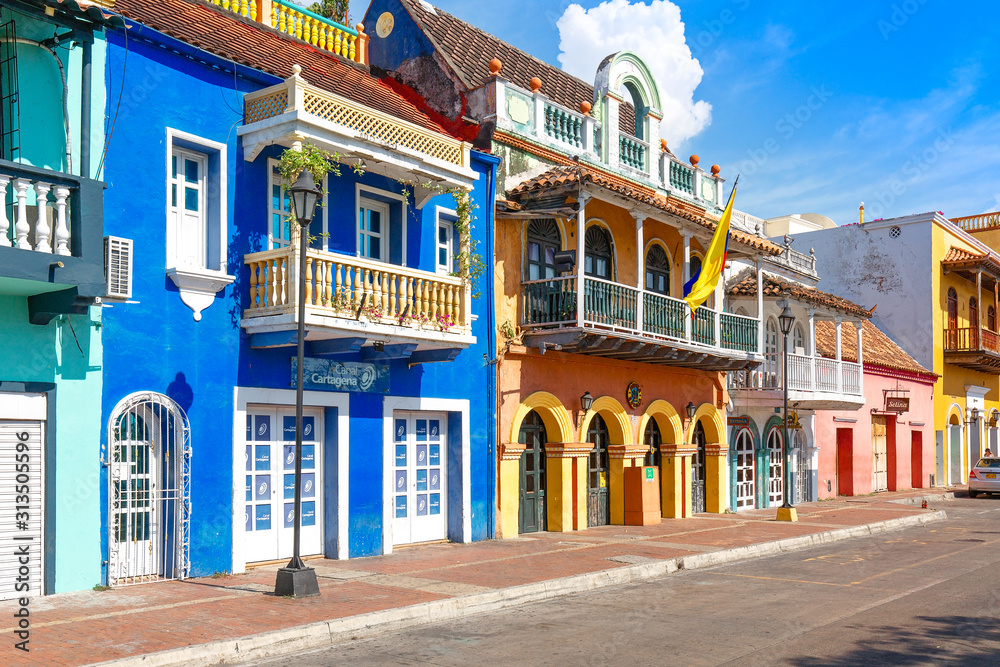
Hotel Casa Pestagua ($280–450/night): A 17th-century colonial mansion in the walled city with access to the Caribbean islands by the hotel's private boat. The rooftop pool has views over the old city rooftops and the Caribbean beyond. The finest hotel for combining old city exploration with Caribbean access. Rosario Islands (Isla Grande) — eco-lodges ($80–180/night): Basic but atmospheric accommodation on the island itself — removing the need for a daily boat trip and allowing evening and early morning on the island when day trippers have gone. The most immersive Caribbean island experience available from Cartagena.
The Caribbean coast of Colombia offers the warmest, clearest waters in South America, with visibility often exceeding 20 meters for snorkeling and diving. The coral reefs around the Rosario Islands provide excellent underwater exploration, while the mangrove channels offer peaceful kayaking through tunnels of green vegetation. Hotel Casa Pestagua's private boat service operates daily to different islands, allowing guests to explore secluded beaches that receive no other visitors.
Sofitel Legend Santa Clara ($350–550/night): Set within a restored 17th-century convent, this luxury property combines historical grandeur with modern amenities. The three pools, including one nestled in the original convent courtyard, provide respite from Cartagena's heat. The spa treatments incorporate indigenous Caribbean ingredients, while the restaurant serves innovative Colombian-French fusion cuisine. The location within the walled city puts you steps from Cartagena's best restaurants and bars.
Hotel Boutique Casa del Arzobispado ($200–320/night): This intimate property occupies a former archbishop's residence, offering just 16 suites around a tranquil courtyard. The rooftop terrace provides stunning sunset views over the Caribbean, while the ground-floor restaurant serves excellent seafood caught daily by local fishermen. The hotel arranges private cultural tours including cooking classes with local families and visits to traditional fishing villages.
Fernando de Noronha: Brazil's Most Beautiful Beach
Pousada Maravilha ($400–700/night): Fernando de Noronha's finest hotel — a clifftop property overlooking Baía do Sueste with extraordinary marine turtle snorkelling directly below. The infinity pool, the private beach access, and the quality of the breakfast (local fruits, fresh fish, organic produce from the island garden) make it the benchmark for the island. Limited to 6 bungalows — book 3–6 months ahead. Pousada do Vale ($180–280/night): The best mid-range option on the island — good rooms, excellent service, and a helpful team who can arrange all the island's activities.
Fernando de Noronha represents Brazil's most exclusive beach destination, with visitor numbers strictly limited to protect the pristine marine ecosystem. The island's unique position in the Atlantic creates exceptional diving conditions, with visibility regularly exceeding 50 meters. Between December and June, green and hawksbill turtles nest on the beaches, while spinner dolphins perform daily displays in the protected bay.
Pousada Zé Maria ($250–400/night): The island's most established property, famous for its nightly cultural performances and traditional forró music sessions. The beachfront location on Praia do Porto provides easy access to the island's main diving spots, while the open-air restaurant serves the freshest seafood on the island. The property's rustic-chic aesthetic, with natural wood furnishings and tropical gardens, perfectly complements the island's wild beauty.
Teju-Açu Eco Pousada ($150–250/night): An environmentally focused property that demonstrates sustainable tourism in action. Solar panels provide power, rainwater collection systems supply water, and organic gardens produce ingredients for the restaurant. The location away from the main village provides quiet contemplation of the island's natural rhythms, with guided nature walks revealing endemic plant species and bird life.
Punta del Este: Uruguay's Beach Resort
L'Auberge Hotel ($200–450/night): The classic Punta del Este grande dame — a European-style resort hotel in La Barra with excellent facilities, good beach access, and the full range of resort amenities. The most consistent quality option in Punta del Este. Enjoy Punta del Este ($180–350/night): The casino resort — large-scale, strong facilities, and the most comprehensive entertainment programme in Punta del Este. Best for: guests who want a full resort experience with multiple dining options and activities.
Punta del Este represents South America's answer to the French Riviera, combining sophisticated beach culture with excellent dining and nightlife. The peninsula divides into distinct zones: the glamorous La Barra with its undulating bridge and bohemian atmosphere, and the main resort area with its high-rise buildings and casino culture. Water temperatures peak at 22-24°C (72-75°F) during summer, making swimming refreshing rather than tropical.
Hotel Fasano Punta del Este ($400–800/night): The Brazilian luxury chain's Uruguayan outpost brings São Paulo sophistication to the Atlantic coast. The property's modernist architecture, designed by Isay Weinfeld, creates dramatic geometries against the coastal landscape. The spa uses indigenous pampas herbs in treatments, while the restaurant showcases both Brazilian and Uruguayan cuisines. The beach club provides the ultimate South American beach luxury experience.
Serena Hotel Punta del Este ($180–380/night): A beachfront property that captures the relaxed elegance of Uruguay's coast. The infinity pool appears to merge with the Atlantic horizon, while the spa offers treatments inspired by traditional gaucho practices. The hotel's sustainability initiatives include local sourcing for the restaurant and energy-efficient design that reduces environmental impact without compromising luxury.
Máncora Peru: Pacific Beach Value
Vichayito Bungalows & Carpas ($120–200/night): The best boutique option in the Máncora area — 12 bungalows and luxury beach tents directly on a quiet beach north of the main town, with good food and a calm atmosphere. The water is warm (northern Peru sits above the cold Humboldt Current zone). DCO Suites Lounge & Spa ($90–160/night): The best mid-range option in Máncora town itself — rooftop pool, good service, walking distance to the beach and the town's restaurants.
Máncora represents Peru's premier beach destination, where the warm northern currents create swimmable Pacific waters and consistent surf breaks. The town maintains an authentic Peruvian fishing village atmosphere while offering increasingly sophisticated accommodation options. Local fishermen still launch traditional boats at dawn, returning with catches that appear in beachfront restaurants the same evening.
Kichic Hotel ($180–280/night): A modern design hotel that brings contemporary aesthetics to Peru's north coast. The infinity pool overlooks the Pacific, while the spa incorporates traditional Amazonian plant medicine in wellness treatments. The restaurant showcases northern Peruvian cuisine, including exceptional seafood preparations and exotic fruits from the nearby mountains.
Brazil's Northeast: Tropical Paradise
Nannai Resort & Spa, Porto de Galinhas ($300–500/night): This luxury beachfront resort sits on one of Brazil's most beautiful beaches, where natural rock pools create perfect swimming conditions. The property's design incorporates traditional northeastern architecture with contemporary luxury, while the spa offers treatments using native fruits and plants. The multiple restaurants showcase the rich culinary traditions of Pernambuco, from fresh seafood to regional delicacies.
Txai Resort Itacaré ($250–450/night): Nestled between Atlantic rainforest and pristine beaches, this eco-luxury resort demonstrates sustainable tourism at its finest. Individual bungalows are constructed using local materials and traditional techniques, while the spa incorporates indigenous healing practices. The property's commitment to environmental conservation includes supporting local turtle conservation projects and maintaining forest corridors for wildlife.
Vila Naia, Trancoso ($400–700/night): This intimate luxury property captures the bohemian elegance that makes Trancoso famous among international travelers. The colonial-inspired architecture blends seamlessly with modern amenities, while the beachfront location provides direct access to the colorful cliffs that characterize this stretch of coast. The restaurant emphasizes local ingredients, including exotic fruits and fresh seafood prepared with contemporary techniques.
Chile's Dramatic Pacific Coast
Hotel Altiplanico Casablanca, Valparaíso Region ($150–250/night): This design hotel demonstrates how contemporary architecture can enhance rather than compete with dramatic coastal landscapes. Perched on cliffs overlooking the Pacific, the property's minimalist aesthetic frames stunning ocean views. While swimming requires serious cold-water tolerance, the dramatic beauty of Chile's coast creates an unforgettable backdrop for contemplative beach holidays.
Hotel CumbresPatagónicas, Torres del Paine ($200–400/night): Though inland, this property provides access to Chile's wildest coastal experiences in nearby fjords and channels. The dramatic Patagonian landscape creates some of South America's most spectacular scenery, where glacial rivers meet the sea amid towering granite peaks.
Best Time to Visit South American Beaches
Timing your South American beach holiday requires understanding regional weather patterns and seasonal variations. Brazil's northeast enjoys consistent warmth and sunshine year-round, with temperatures ranging from 24-30°C (75-86°F) and minimal rainfall. This makes destinations like Fernando de Noronha, Porto de Galinhas, and Trancoso excellent choices for northern hemisphere winter escapes.
Colombia's Caribbean coast experiences its dry season from December through April, with less humidity and minimal rainfall. This period coincides with cooler temperatures (26-28°C/79-82°F) and calmer seas, ideal for snorkeling and diving. The wet season (May-November) brings afternoon thunderstorms but also lush green landscapes and fewer crowds.
Uruguay and Argentina's Atlantic coast follows southern hemisphere seasons, with summer (December-March) bringing warm weather perfect for beach activities. Water temperatures peak in February and March, reaching their warmest at 20-22°C (68-72°F). Winter (June-September) brings dramatic storm watching opportunities from luxury coastal hotels.
Peru's northern coast enjoys warm weather year-round, with the driest conditions occurring from May through October. This period also brings the most consistent surf conditions, making it ideal for both surfing and beach relaxation.
Essential Packing for South American Beach Destinations
Packing for South American beaches requires consideration of diverse climates and activities. Reef-safe sunscreen is essential everywhere, as marine conservation efforts increasingly restrict chemical sunscreens harmful to coral reefs. High-SPF options remain crucial due to strong equatorial sun and high-altitude UV exposure near the Andes.
Water shoes prove invaluable for rocky beaches and coral areas, while quick-dry clothing adapts to humid tropical conditions. Lightweight rain gear handles sudden tropical downpours, particularly important in Colombia and Brazil's coastal regions during wet seasons.
For cold-water Pacific destinations, pack thermal layers and windproof jackets for beach walks. Even summer conditions along Chile's coast can be cool and windy, requiring warmer clothing than typical beach destinations.
Local Cuisine and Coastal Dining
South American coastal cuisine reflects the continent's diverse maritime traditions, from Colombian Caribbean flavors to Peruvian nikkei fusion. Fresh seafood dominates menus everywhere, with preparation styles varying dramatically by region.
Colombian Caribbean cuisine features coconut-based sauces, plantains, and fresh fish prepared with indigenous spices. Local specialties include sancocho (hearty fish stew), arepa de huevo (corn cake with egg), and fresh fruit juices made from exotic local varieties.
Brazil's northeast offers exceptional seafood preparations, including moqueca (coconut fish stew), fresh grilled fish, and exotic fruits like cajá and umbu. The region's African influences create complex flavor profiles using dendê oil, coconut milk, and aromatic herbs.
Peru's coast showcases the world-famous ceviche tradition, where fresh fish is "cooked" in citrus acids and served with sweet potato and corn. The Japanese influence creates unique nikkei preparations, while traditional coastal dishes include tiradito and anticuchos.
Uruguay's sophisticated dining scene emphasizes grass-fed beef alongside excellent seafood, while coastal Argentina offers exceptional wine pairings with fresh Atlantic seafood.