Colombia's Climate: The Important Context
Colombia sits on the equator, which means it has no conventional seasons in the Northern or Southern Hemisphere sense — no summer or winter, no dramatic temperature variation by month in most regions. Instead, Colombia has wet and dry seasons that vary significantly by region. The Caribbean coast (Cartagena, Santa Marta) has a different rainfall pattern from the Andean interior (Medellín, Bogotá, the Coffee Region), which differs again from the Pacific coast. Understanding this regional variation is more important than finding a single best month for Colombia overall — because the best time to visit depends entirely on which Colombia you are visiting.
Colombia's diverse geography creates microclimates within short distances. You can experience tropical Caribbean heat in Cartagena at sea level, then fly 45 minutes to Bogotá at 2,640 meters altitude where you'll need a jacket in the evening. This altitude variation means packing for multiple climate zones even on a short trip. The country's position near the equator means daylight hours remain consistent year-round — roughly 12 hours of daylight every day — so sunrise and sunset times don't vary dramatically by season as they do in temperate climates.
Best Time to Visit Cartagena Colombia
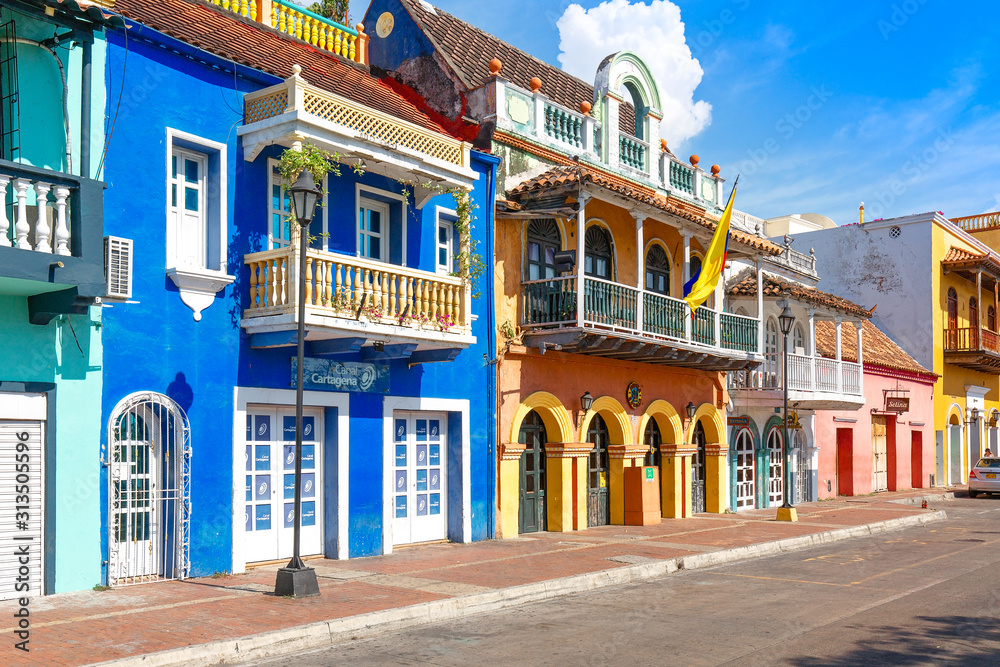
Cartagena and the Caribbean coast have two seasons: a long dry season (December to April) and a wet season (May to November). The dry season is the conventional peak for tourism — clear skies, low humidity, and the weather conditions that produce the turquoise Caribbean water and beach conditions that Cartagena is famous for. January and February are the most reliably clear months, with December and March also excellent. This period also sees the highest prices and the most visitors, particularly around Christmas and New Year when Colombian domestic tourism peaks.
The wet season in Cartagena means afternoon rain — typically heavy but brief, clearing within an hour or two. The mornings are generally clear even in the wettest months. June, July, and August see significant rainfall in the afternoons but the city remains very visitable. October and November are the wettest months — heavier rain, higher humidity, and lower visibility on the offshore islands. The trade-off: wet season Cartagena has prices 20 to 30 percent lower than December to March, far fewer visitors in the old city, and a lush, green Caribbean landscape. For budget-conscious travellers comfortable with afternoon rain showers and a rain jacket, the shoulder wet season months (May, June, September) offer excellent value.
Temperature-wise, Cartagena remains consistently hot year-round, typically ranging from 27°C to 32°C (80°F to 90°F). The humidity is the variable factor — dry season humidity makes the heat more bearable, while wet season humidity can feel oppressive, particularly in the afternoon before the daily thunderstorms. The trade winds are strongest during dry season, providing natural cooling that makes walking the city walls and exploring the old town comfortable even in the midday heat. Sea temperatures remain ideal for swimming year-round, averaging 28°C (82°F).
Best Time to Visit Medellín Colombia
Medellín's highland position at 1,500m means the eternal spring climate is genuinely consistent year-round — the average temperature varies only between 20 and 24 degrees Celsius across all months. The rainfall pattern follows Colombia's bimodal pattern: two dry seasons (December to February and June to July) and two wet seasons (March to May and August to November). The differences between wet and dry in Medellín are less dramatic than on the coast — wet season brings afternoon showers rather than all-day rain, and the city remains fully functional throughout.
December and January are Medellín's most festive months — the Feria de Flores (Flower Festival) takes place in early August (the most celebrated local festival), and the December Alumbrado (Christmas illumination of the Río Medellín) is extraordinary. The city lights up with thousands of lights reflected in the river and the hillsides — one of the most spectacular public Christmas displays in South America. If festival and seasonal events matter to your visit, August for Feria de Flores or December for the Alumbrado are the most rewarding months. Otherwise, the climate is so consistent that Medellín has no truly bad time to visit.
The city's bowl-shaped valley location means morning fog is common year-round, typically clearing by 10 or 11 AM to reveal brilliant blue skies. This pattern is so reliable that locals plan their day around it — morning activities indoor, afternoon activities outdoors. The evenings are consistently pleasant for dining and nightlife, with temperatures rarely dropping below 18°C (65°F) even in the wettest months. Air quality can be an issue during the driest months when the valley traps pollution, making the rainy season arguably healthier for sensitive travellers despite the afternoon showers.
Best Time to Visit Colombia Coffee Region
The Eje Cafetero (the coffee-growing region around Salento, Manizales, and Armenia) follows the same bimodal rainfall pattern as Medellín but at slightly higher altitudes (Salento at 1,895m, Manizales at 2,153m). The dry months of December to February and July to August offer the best conditions for the Valle de Cocora hike — the wax palms are clear against the sky and the cloud forest section of the trail is navigable rather than muddy. The wet seasons (March to May and September to November) bring heavy rain to the coffee hillsides, making the trails slippery and the landscapes distinctly less photogenic.
The coffee harvest itself — which many visitors specifically want to experience — peaks at different times depending on the altitude zone. The main harvest in the lower coffee areas runs October to December; the secondary harvest (mitaca) runs April to June in many farms. A coffee farm visit during harvest season (when you can pick alongside the farm workers) is a significantly richer experience than an out-of-harvest tour. Ask specifically about harvest timing when booking a farm visit in Salento or Filandia.
The mountainous terrain of the Coffee Region creates distinct weather patterns within short distances. Salento, sitting in a valley, tends to be warmer and receives less rainfall than the higher coffee farms on the surrounding hillsides. Many visitors underestimate how cool the evenings can get — temperatures can drop to 12°C (54°F) in the higher areas, particularly around Manizales. The famous jeep rides between coffee farms become significantly more challenging in wet season when the rural roads turn to mud, sometimes requiring 4WD vehicles instead of the colorful vintage jeeps that operate during dry months.
Best Time to Visit Colombia's Other Regions
Bogotá, sitting at 2,640 meters altitude, has a highland climate that feels more European than tropical. Temperatures range from 8°C to 20°C (46°F to 68°F) year-round, with the dry season offering clearer mountain views and better conditions for exploring the city's excellent museums and historic center. The wet season brings afternoon drizzle and overcast skies, but indoor attractions like the Gold Museum and Monserrate funicular remain unaffected. Bogotá's altitude means some visitors experience mild altitude sickness for the first day or two — arriving during the dry season when air quality is better can minimize this issue.
The Pacific coast around Nuquí and Bahía Solano experiences Colombia's highest rainfall, with over 7,000mm annually — making it one of the wettest places on Earth. The "dry" season (July to October) is relative here, meaning fewer but not zero rainy days. This is also whale watching season, when humpback whales migrate north from Antarctica to breed in the warm Pacific waters. The extreme rainfall creates an extraordinarily biodiverse ecosystem, but this region requires serious rain preparation regardless of season.
Colombia's Amazon region around Leticia follows a different pattern entirely, with a wetter season from December to May and a relatively drier period from June to November. River levels vary dramatically between seasons — high water season allows deeper jungle penetration by boat, while low water season exposes beaches along the Amazon River but limits access to remote areas. The dry season coincides with the best wildlife viewing as animals concentrate around remaining water sources.
Colombia Weather by Month: The Summary
December and January: Dry season throughout most of Colombia. The best months for Cartagena beaches, good months for hiking in the Coffee Region, and the most festive period in Medellín. High season prices everywhere, particularly in Cartagena and Bogotá. Book accommodation ahead for Christmas and New Year.
February: Still dry season on the Caribbean coast. Good month overall with slightly lower prices than December to January. Cartagena in February is excellent.
March and April: The first wet season arrives — Medellín and the Coffee Region receive more rain, though the Caribbean coast remains mostly dry through March. April is the wettest month of the first wet season in the Andes. Shoulder season prices. Semana Santa (Easter) brings significant domestic tourism — book ahead if dates overlap.
May: Transition to the dry season on the Caribbean coast. Rain continues in the Andes. A good value month for Cartagena as the wet season's lower prices begin but the weather is still reasonable.
June and July: The second dry season — good conditions across most of Colombia including the Coffee Region hiking trails. July is Colombia's main domestic holiday month (school holidays) and Cartagena becomes very busy with Colombian families. The Feria de Cali takes place in late December to early January; Medellín's Feria de Flores is in early August.
August: The Feria de Flores (Flower Festival) in Medellín — the most spectacular local event in Colombia, centred on the Silletero parade where flower farmers carry enormous flower arrangements through the city streets. Highly recommended. Rain is returning in the Andes but the festival makes August in Medellín exceptional regardless.
September, October, November: The second wet season — the wettest period of the year across most of Colombia including Cartagena. The lowest prices, fewest tourists, and most atmospheric conditions (lush, green, dramatic cloud formations). September and early October are manageable; October and November see the heaviest rainfall in most regions. Not recommended for beach-focused Caribbean visits but excellent for city exploration in Medellín and Bogotá.
What to Pack for Colombia
Colombia's climate diversity means packing for multiple seasons in one trip. The essential approach is layering — bringing items you can add or remove as you move between regions and altitudes. A waterproof jacket is non-negotiable regardless of season; even during dry season, afternoon showers can appear with little warning, particularly in the Andean cities.
For the Caribbean coast, pack as you would for any tropical destination — lightweight, breathable clothing, strong sunscreen (the equatorial sun is intense), a hat, and sandals that can get wet. However, bring at least one warm layer for air-conditioned restaurants and transportation. For the Andean cities, pack layers including a warm jacket for Bogotá evenings and early mornings. Comfortable waterproof walking shoes are essential for the Coffee Region where trails can be muddy even in dry season.
Colombian voltage is 110V with American-style plugs, but power outages are more common during wet season, making a portable battery pack useful for keeping devices charged during longer excursions. A good insect repellent is crucial for any lowland areas, particularly the Amazon or Pacific coast regions. Finally, pack a good umbrella — Colombian rain tends to be heavy and brief, and umbrellas are more practical than rain jackets for quick protection during tropical downpours.
When to Visit Colombia: The Honest Recommendation
For a first-time Colombia trip combining Cartagena and Medellín: December to February (dry season throughout) or June to July (second dry season). Both windows offer good weather in both cities simultaneously. February is the best single month for combining beach and city — Cartagena is dry and clear, Medellín is in good condition, and the Christmas peak has passed so prices are returning to normal.
For budget-conscious travellers: May for Cartagena (transitioning from wet season, lower prices, reasonable weather) and any month for Medellín (the climate is so consistent the month matters little). The Colombian peso tends to be weakest against the dollar and euro in the wet season months, making the affordable country even more affordable.
For festival-focused visitors: August in Medellín (Feria de Flores, one of the great South American festivals), June in the Coffee Region for the harvest season, or December in Medellín for the Alumbrado illumination. Colombia's festival calendar is extraordinarily rich — the Barranquilla Carnival (February, the second largest in the world after Rio), the Bogotá Ibero-American Theatre Festival (April, biennial), and the Manizales International Theatre Festival are all worth planning around specifically.
For adventure travellers focused on hiking and outdoor activities: The dry seasons (December-February and June-August) are essential for accessing Colombia's best trekking, including the Ciudad Perdida trek, Coffee Region hikes, and Cocuy National Park. Many adventure tour operators suspend certain activities during the wettest months due to safety concerns and trail conditions.
Colombia Visa and Entry Requirements
Colombia is visa-free for 90 days for citizens of the UK, USA, EU, Canada, and Australia — with the 90-day allowance extendable to 180 days at any DAS (migration authority) office in Bogotá, Medellín, or Cartagena. No advance application is required for these nationalities. The entry requirement is proof of onward travel (a return or connecting flight, or a bus ticket to another country) and theoretically proof of funds — rarely checked in practice for Western passport holders but worth having a credit card accessible. Yellow fever vaccination is recommended for any travel to Colombia's Amazon or Pacific lowland regions and required if you are arriving from certain yellow-fever-endemic countries.