Why South America for Digital Nomads
South America's emergence as a top digital nomad destination is driven by a combination of factors that have converged in the 2020s: significantly improved internet infrastructure across major cities, cost of living that is genuinely low compared to North America and Europe, time zones that overlap partially with US business hours (EST +1 to +3), a rich food and culture scene that makes living interesting rather than merely functional, and a growing community of international remote workers that has created coworking infrastructure and social networks in the key cities. Medellín's transformation is the emblematic story — from the world's most dangerous city to a Forbes-featured digital nomad hub in 25 years.
Beyond the practical advantages, South America offers remote workers the chance to dramatically expand their Spanish or Portuguese language skills while working. Many nomads find that after six months in Medellín or Buenos Aires, they can conduct business calls in Spanish — a career asset that compounds over time. The continent's geographic diversity means you can easily combine work periods with transformative travel experiences, from hiking in Patagonia to exploring the Amazon rainforest, all while maintaining your professional responsibilities.
Medellín: The Premier Nomad City
Medellín consistently tops digital nomad surveys of South American cities — the combination of infrastructure quality, cost, climate, and community is genuinely exceptional. Internet speeds in El Poblado and Laureles coworking spaces average 100–300 Mbps. The eternal spring climate (22°C year-round at altitude) means no seasonal disruption. Monthly living costs for a comfortable nomad lifestyle: $1,200–1,800 (including a private apartment, coworking membership, dining out regularly, and activities). The Selina and Selina Gold coworking spaces are well-established; independent spaces (Atomhouse, Ciudadela Cowork) are cheaper and more local. The Nomadlist community rating: consistently top 10 globally.
The city's elevation at 1,495 meters provides natural air conditioning year-round, eliminating the need for heating or cooling costs that eat into budgets elsewhere. El Poblado remains the primary nomad neighbourhood, with most short-term rental options concentrated around Parque Lleras and the Golden Mile. However, experienced nomads increasingly favour Laureles for its lower costs and more authentic local atmosphere — apartments here run $600–900 monthly compared to $800–1,200 in El Poblado.
Medellín's public transportation system, including the metro and cable cars, is exceptional by South American standards and costs under $1 per ride. The city's infamous past has created a culture of resilience and innovation that translates into an unusually helpful and entrepreneurial local community. English proficiency among younger Colombians is improving rapidly, making day-to-day navigation easier for non-Spanish speakers.
Buenos Aires: Sophistication and Culture
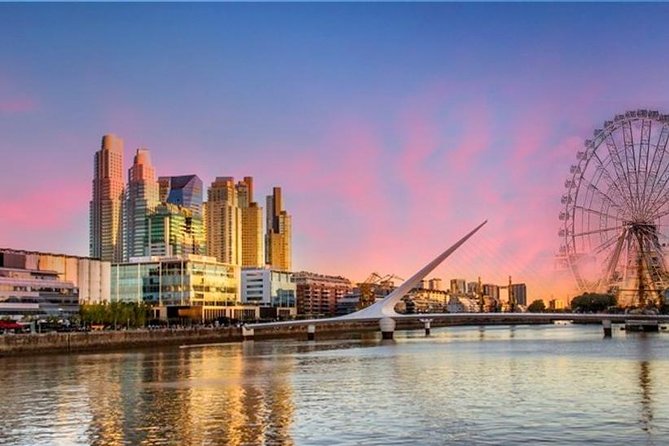
Buenos Aires offers the most sophisticated urban lifestyle available in South America for remote workers — world-class restaurants, a genuine arts and culture scene, excellent Spanish-language schools, and a vibrant local intellectual community. The coworking scene (AreatreBA, Regus, WeWork, and dozens of independent spaces) is the most developed in South America. Internet is generally good: 50–150 Mbps at most coworking spaces. The Argentine peso's complex exchange rate makes Buenos Aires effectively cheap for dollar or euro earners — monthly living costs of $1,500–2,200 cover a comfortable Palermo lifestyle. Time zone (UTC-3) aligns well with US East Coast hours. Many nomads also take weekend trips to explore Iguazu Falls or venture south to Patagonia.
The city's European architecture and café culture create an atmosphere unlike anywhere else in Latin America. Palermo Soho and Villa Crick concentrate most nomad activity, with furnished apartments readily available through local Facebook groups and specialized rental platforms. The "blue dollar" parallel exchange rate can effectively double your purchasing power — experienced nomads bring cash USD and exchange through local contacts or "cuevas" (unofficial exchange houses).
Buenos Aires excels in areas that matter for longer-term stays: excellent healthcare system accessible to foreigners, reliable public transportation, and a cultural calendar that rivals European capitals. The late dining culture (restaurants don't fill until 10pm) and social customs require adjustment, but many nomads find the intellectual sophistication of porteño society uniquely stimulating. Coworking spaces like La Maquinita in Villa Crick specifically cater to international remote workers and organize regular networking events.
Best Cities Remote Work South America: Lima
Lima has emerged as a genuine remote work destination — driven partly by the Miraflores neighbourhood's excellent infrastructure and partly by the extraordinary food scene that makes living in Lima genuinely enjoyable. Internet is fast in Miraflores coworking spaces (100–500 Mbps). Monthly costs: $1,400–2,000. The Peruvian visa situation is straightforward (90-day tourist entry, extendable). The main limitation is Lima's notorious grey sky (garúa) season (June–October), when the coastal fog produces overcast skies for months — many Lima-based nomads escape to Cusco or the highlands in this period, often visiting Machu Picchu.
Lima's status as South America's gastronomic capital cannot be overstated — the city hosts multiple restaurants in the World's 50 Best list, and even casual neighbourhood spots serve food that would be considered excellent by international standards. For food-motivated nomads, Lima offers an unparalleled experience, with ceviche lunches available for $3–5 and world-class dining experiences under $50.
Miraflores and San Isidro provide the best infrastructure for remote work, with reliable power, excellent internet, and numerous café options with WiFi. The malecón (clifftop boardwalk) offers spectacular Pacific Ocean views and outdoor workspace options during Lima's sunny months. Barranco, the artistic neighbourhood, attracts many creative professionals with its bohemian atmosphere and lower rents, though internet reliability can be inconsistent.
Other Emerging Cities for Digital Nomads
Quito, Ecuador
Quito has quietly developed into a solid nomad destination, particularly for those seeking affordability and cultural immersion. The city's high altitude (2,850 meters) provides year-round spring-like weather, though the thin air requires a few days of adjustment. Monthly living costs range from $800–1,200 for a comfortable lifestyle. La Mariscal and La Carolina neighborhoods offer the best infrastructure for remote workers. Ecuador's official dollarization means no currency exchange complications, and the 90-day tourist visa is easily extendable.
Santiago, Chile
Santiago appeals to nomads seeking developed-world infrastructure within South America. The city offers excellent internet speeds (200+ Mbps common), reliable power, and sophisticated coworking spaces concentrated in Las Condes and Providencia. However, costs approach those of mid-tier US cities ($2,000–3,000 monthly), limiting its appeal to higher-earning remote workers. The time zone (UTC-3/UTC-4) aligns well with US business hours, and English proficiency is higher than most South American cities.
Cartagena, Colombia
Cartagena attracts nomads seeking a Caribbean atmosphere with colonial charm. The old city (Ciudad Amurallada) offers numerous cafés and coworking spaces, though infrastructure can be inconsistent due to the historic building constraints. Bocagrande provides more reliable utilities but less character. The tropical climate requires air conditioning year-round, adding $100–200 to monthly expenses. Many nomads use Cartagena for shorter stays (2–4 weeks) rather than extended periods.
Internet and Connectivity Across South America
Internet infrastructure varies significantly across South American cities, with major metropolitan areas generally offering excellent connectivity while smaller destinations can be problematic for bandwidth-intensive work. Fiber optic networks have expanded rapidly, with most major cities now offering speeds comparable to developed countries.
Medellín and Buenos Aires lead in terms of reliability, with multiple fiber providers and extensive coverage in nomad-friendly neighborhoods. Lima's infrastructure is excellent in Miraflores and San Isidro but can degrade quickly in outer neighborhoods. Santiago offers the most consistent connectivity across the city but at higher costs.
Power outages remain a consideration in most South American cities. Medellín experiences occasional outages during heavy rains, while Buenos Aires suffers summer blackouts during heat waves. Most coworking spaces have backup generators, but nomads should invest in power banks and consider backup internet options like mobile hotspots.
Mobile data speeds across the continent have improved dramatically, with 4G coverage standard in major cities and 5G rollout beginning in capitals. Colombian and Chilean networks generally offer the best coverage and speeds. Data plans are affordable — unlimited 4G typically costs $20–40 monthly.
South America Digital Nomad Visa Options
Several South American countries have introduced or improved digital nomad visa programmes. Colombia offers a Digital Nomad Visa (180 days, extendable, requires proof of remote income of $684+/month). Argentina's Digital Nomad Visa allows 6-month stays (extendable to 12) for remote workers earning from foreign clients. Brazil launched a digital nomad visa in 2022 (1–2 year stay, income requirement of R$18,900/month). For shorter stays, tourist entries (90 days in most countries) are used by most nomads with periodic border runs or country changes. Many nomads combine work with exploring destinations like Rio de Janeiro or Cartagena.
The visa landscape continues evolving rapidly as South American countries compete for nomad dollars. Ecuador offers one of the most straightforward processes — a simple 90-day tourist entry extendable to 180 days, with subsequent re-entry after brief exits. Peru's 90-day tourist visa can be extended once for an additional 90 days, making six-month stays possible without visa runs.
For longer-term stays, temporary residence visas often provide better value than nomad-specific programs. Colombia's temporary residence visa (1 year, renewable) requires minimal documentation and allows multiple entries. Argentina's temporary residence options are complex but can lead to permanent residency pathways for those interested in long-term relocation.
Coworking Spaces South America: Costs
Coworking day passes: $8–20 in Medellín, $15–30 in Buenos Aires, $12–25 in Lima. Monthly hot-desk memberships: $80–180 in Medellín, $150–300 in Buenos Aires, $100–200 in Lima. Private offices: $200–500/month in Medellín, $350–700 in Buenos Aires. Internet speed and reliability varies significantly — visit before committing to a monthly membership and test the connection during peak hours (10am–2pm local time, when US East Coast businesses are also online).
The coworking culture across South America emphasizes community building and networking events, often including Spanish language exchanges, entrepreneurship meetups, and social activities. Many spaces offer package deals including coffee, printing, and meeting room access. Premium spaces like Selina properties include accommodations packages that can be cost-effective for shorter stays.
Independent coworking spaces often provide better value and more authentic local networking opportunities. In Medellín, spaces like Ruta N and Crea+ offer government-subsidized rates for international visitors. Buenos Aires has numerous specialized spaces — some focus on tech startups, others on creative professionals, allowing nomads to find communities aligned with their work focus.
Best Time to Visit for Digital Nomads
South America's position across both hemispheres means seasonal considerations vary by country and specific nomad priorities. Most nomads find March-May and September-November optimal for multi-country trips, avoiding both summer heat and winter challenges while benefiting from shoulder-season accommodation rates.
Colombia maintains consistent weather year-round due to its equatorial position, making Medellín suitable for nomads in any season. However, October-November and March-April offer the driest conditions. Argentina's autumn (March-May) provides excellent weather in Buenos Aires with fewer tourists, while winter (June-August) can be cold and gloomy but offers significantly lower accommodation costs.
Peru's coast experiences its driest, sunniest weather December-April, making this ideal for Lima-based nomads. However, this coincides with the Andean rainy season, complicating travel to Machu Picchu and highland destinations. Many nomads time Peru visits for the dry season (May-September) despite Lima's gray winter weather.
Banking and Financial Considerations
Financial infrastructure for nomads varies significantly across South America, with some countries offering sophisticated digital banking while others remain largely cash-based. ATM networks are extensive in major cities, though daily withdrawal limits and fees can be substantial.
Argentina's dual exchange rate system requires careful navigation — official rates are unfavorable, but parallel markets offer significantly better deals. Bringing USD cash and exchanging through informal networks is common practice among experienced nomads. Credit card acceptance is good in Buenos Aires but limit cash advances due to poor official rates.
Colombia offers excellent ATM coverage and reasonable fees through international networks. Many nomads open local bank accounts for longer stays — Bancolombia and Banco de Bogotá serve foreigners with minimal documentation. Digital payment platforms like Nequi are widely accepted, reducing cash dependency.
Brazil requires most financial transactions through local banks, making account opening nearly essential for stays exceeding 30 days. The process requires extensive documentation but provides access to the sophisticated Brazilian digital banking system. Chile and Peru offer middle-ground approaches with good ATM access but limited need for local banking.
Local Culture and Language Learning
Immersion in local culture represents one of South America's primary advantages for digital nomads, offering personal and professional development opportunities impossible in traditional nomad destinations. Spanish fluency opens career doors across multiple continents and industries.
Language learning progresses faster in smaller cities where English is less common — many nomads start in Medellín or Buenos Aires for infrastructure, then move to secondary cities like Puebla or Cuenca for intensive Spanish practice. Most cities offer affordable private tutoring ($10–20/hour) and group classes integrated with cultural activities.
Professional networking in South America requires understanding local business culture. Relationships develop slowly and personal connections often matter more than immediate business value. Many successful nomads invest significant time in local entrepreneur communities and chamber of commerce events, building long-term relationships that extend beyond their initial stays.
Health and Safety Considerations
Health infrastructure in major South American cities generally meets international standards, with private healthcare accessible to foreigners at affordable rates. Travel insurance remains essential, but many nomads also pay out-of-pocket for routine care due to low costs.
Colombia and Chile offer the most accessible healthcare systems for foreigners, with established medical tourism industries and English-speaking professionals. Argentina provides excellent healthcare but bureaucratic complexities can be challenging. Dental care across the continent is particularly affordable and high-quality, with many nomads scheduling routine procedures during extended stays.
Safety varies significantly by neighborhood and city, requiring research and local advice. Generally, nomads following basic precautions — avoiding flashy displays of wealth, staying aware of surroundings, using official transportation — experience few problems. Many cities have nomad-specific WhatsApp groups sharing real-time safety updates and neighborhood recommendations.