What Genuine Eco-Tourism Looks Like
Eco-tourism is one of the most abused terms in travel marketing — applied to everything from genuinely conservation-positive wildlife programmes to greenwashed resorts that have added a recycling bin and called themselves sustainable. In South America, where the contrast between genuine conservation tourism and extractive tourism is particularly stark (the Galápagos, the Amazon, and Patagonia are all under genuine ecological pressure), the distinction matters. Genuine eco-tourism has three characteristics: it directly funds conservation; it minimises its ecological footprint; and it provides economic benefit to local and indigenous communities that creates an incentive to protect rather than exploit the natural resource. The experiences below meet these criteria.
Galápagos Islands: The Conservation Model
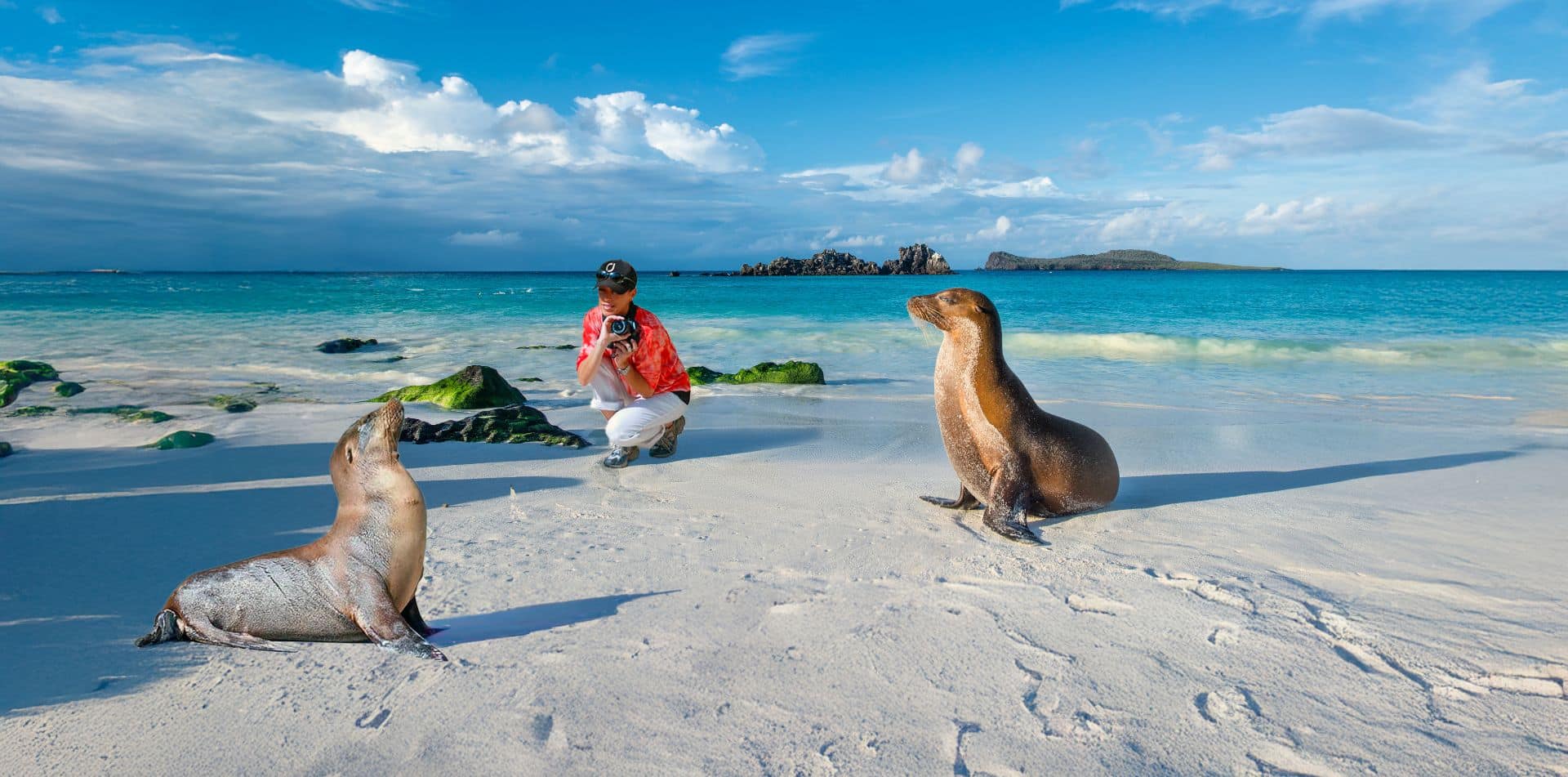
The Galápagos Islands National Park is one of the world's most successful conservation tourism models — the $200 park entry fee directly funds park management and conservation programmes, the visitor quota (approximately 200,000/year, strictly enforced) limits ecological impact, and the naturalist guide requirement ensures that every visitor is educated about the ecosystem they are experiencing. The result is a wildlife population that is largely unafraid of humans (having evolved without land predators) and an ecosystem under active scientific protection. The Galápagos Conservancy and the Charles Darwin Foundation run research and restoration programmes that visitor fees partly support — choosing cruise operators who contribute additional funds beyond the entry fee amplifies this impact.
Inkaterra: Peru's Conservation Tourism Pioneer
Inkaterra's two Amazon lodges (Reserva Amazónica in Madre de Dios and Machu Picchu Pueblo Hotel) are among the world's most awarded conservation tourism operations. The company maintains the largest private orchid collection in Peru (372 species at Machu Picchu Pueblo Hotel), operates cloud forest and rainforest conservation programmes, and has reintroduced spectacled bears and other species to areas of its reserve. The naturalist guide programme trains locally — over 80% of guides are from indigenous and local communities adjacent to the lodges. A stay at Inkaterra directly funds active conservation research.
Cristalino Lodge Brazil: The Amazon Benchmark
Cristalino Lodge in Mato Grosso (southern Amazon Rainforest, Brazil) operates its own private reserve of 12,000 hectares adjacent to the Cristalino State Park — one of the largest private conservation areas in the southern Amazon. The lodge's research programme has produced peer-reviewed papers on Amazonian biodiversity; the canopy tower system was the first in the region. All profits from the lodge go to the Cristalino Foundation, which manages the private reserve. For wildlife-focused travellers, Cristalino represents the apex of Amazon eco-tourism — exceptional guides, extraordinary biodiversity, and direct conservation impact from your visit.
Community Tourism: The Human Dimension
South America's most innovative eco-tourism extends to community tourism — experiences designed and run by indigenous and local communities that provide direct economic benefit while sharing cultural heritage. The Pemón-guided Angel Falls tours, the Quechua weaving community visits on the Lares Trek, and the Yawanapi community eco-lodge in the Peruvian Amazon are examples of tourism that funds community development directly. Choosing these experiences over mainstream alternatives requires slightly more research but delivers both a richer travel experience and a more direct conservation and community benefit.
Responsible Tourism South America: Practical Choices
Leave No Trace: pack out all waste, stay on marked trails, do not disturb wildlife (the 2-metre distance rule in the Galápagos applies everywhere). Choose local guides: a guide from the community adjacent to the wildlife area you are visiting has more knowledge, pays taxes locally, and provides direct economic benefit to conservation-adjacent communities. Ask operators: before booking, ask what percentage of your fee goes to conservation programmes and whether guides are local. The answers reveal more about the operation's genuineness than any marketing claim.