The Setting
No photograph adequately conveys La Paz. The city descends from the altiplano (3,640m at the airport in El Alto) into a canyon whose floor sits at approximately 3,200m — a difference of 400m vertical across a city of 2 million people. The canyon walls are covered in red and ochre brick buildings climbing to improbable heights; the teleférico cable cars thread between them; and on a clear day the snowcapped cone of Illimani (6,438m) rises directly above the city to the south. It is one of the most dramatic urban settings on earth, and it takes several days to stop noticing it.
Mi Teleférico: The World's Highest Urban Cable Car
La Paz's teleférico (cable car) system — 11 lines, 30km total length, connecting La Paz with the satellite city of El Alto above — is simultaneously the city's most practical public transport innovation and its finest tourist attraction. A full circuit of the main lines costs approximately $6 and takes 3–4 hours, delivering aerial views of the city, the canyon, and Illimani that no ground-level perspective can match. The Roja (Red) line between La Paz centre and El Alto is the most dramatic — rising 400m in 10 minutes above the densely packed brick landscape. Lines run from 6am to 10pm; no tourist booking required, purchase at the station.
La Paz Witches' Market Guide
The Mercado de las Brujas (Witches' Market) occupies several blocks of the Calle Linares and Calle Jiménez in central La Paz — market stalls selling dried llama foetuses, dried frogs, herbal medicines, ritual candles, amulets, and an extraordinary range of objects used in traditional Andean spiritual practice (offerings to Pachamama, cures for specific ailments, luck charms for new houses and businesses). The dried llama foetuses — a traditional building offering, buried under new construction to ensure the building's protection — are the most photographed items; they are sold at various sizes depending on the scale of the building being protected. The vendors are genuine practitioners, not tourist performers — the market serves an active community need.
Cholita Wrestling
Every Sunday afternoon at the Multifuncional de La Ceja arena in El Alto, cholitas (indigenous Aymara women in their traditional multilayered skirts and bowler hats) engage in theatrical professional wrestling matches — a La Paz tradition that combines lucha libre (Mexican-style professional wrestling) with local cultural showmanship. The cholitas enter, wrestle audience members and each other, and perform acrobatics with apparent spontaneity that belies considerable theatrical skill. Entry is $3–5; take the teleférico to El Alto and ask locals for the arena. A genuinely unique and joyful spectacle.
Moon Valley (Valle de la Luna)
Ten minutes by taxi south of La Paz city centre, the Valle de la Luna is a landscape of eroded clay pinnacles and labyrinthine gullies that genuinely resembles a lunar surface — the soft altiplano clay has been carved by rain into an otherworldly topography of spires, caves, and arches. Entry $2; allow 90 minutes to walk the marked paths through the formations. Best visited in late afternoon when the low light turns the clay through gold to orange.
Death Road and Day Trips
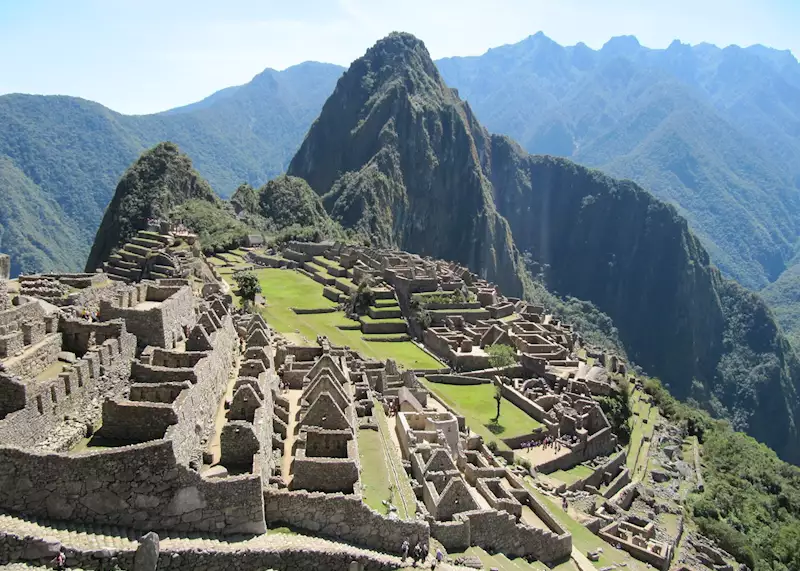
The Death Road mountain bike descent (see our dedicated article) departs from above La Paz and is the city's most famous adventure activity. Other day trips: Tiwanaku archaeological site (72km west, one of the most important pre-Columbian sites in South America — see our Lake Titicaca article), the thermal springs of Urmiri (2 hours south), and the Valley of the Moon extended route with the Mallasa valley and zoo. Travelers seeking other South American adventures might consider Machu Picchu in Peru, Patagonia for dramatic landscapes, or the Amazon Rainforest for wildlife experiences.