Why the Sunrise at Machu Picchu Is Different
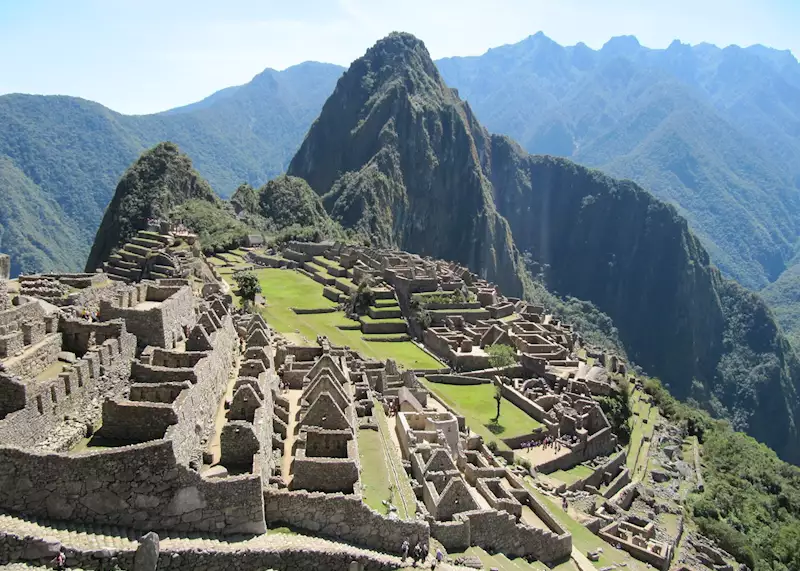
Machu Picchu at 9am and Machu Picchu at 6:30am are almost incomparably different experiences. By 9am the site is receiving its main wave of visitors — buses have been running since 5:30am, tour groups are assembled at the main entrance, and the famous Guardhouse viewpoint (the position from which the classic photograph is taken) already has dozens of photographers competing for position. At 6:30am on a dry season morning, the ruins emerge from cloud and morning mist, the terraces and temples lit by the first low-angle sun, with perhaps 50 people in the entire site and the silence broken only by the sound of birds. The sunrise moment at Machu Picchu — when the light catches the citadel and the surrounding mountains simultaneously — is one of the defining travel experiences in South America, and it is available only to those who arrive before 7am.
The temperature difference is equally dramatic. The pre-dawn arrival means experiencing the site as it awakens — ground mist rising from the Urubamba River valley below, the stones still cold to the touch, and the profound quiet of an ancient place undisturbed. The acoustic difference is particularly striking: at sunrise you can hear the wind through the stone doorways, the calls of Andean birds, and the distant sound of water flowing in terraced irrigation channels. By mid-morning, these natural sounds are replaced by dozens of tour guides speaking in multiple languages and the constant click of camera shutters.
Machu Picchu Early Entry: The Ticket System
Machu Picchu operates a timed-entry ticket system that divides visitors into 8 entry slots throughout the day: 6am, 7am, 8am, 9am, 10am, 11am, noon, and 1pm. Each slot allows entry within a 30-minute window and visitors must leave after 4 hours. The 6am slot is the most sought-after and sells out furthest in advance — in peak season (June to August) the 6am and 7am slots can sell out 4 to 6 weeks ahead. Buy at machupicchu.gob.pe — this is the only official platform. Third-party sites sell the same tickets at a significant markup.
The critical booking decision: choose the 6am slot for the Circuit 1 ticket (the route that includes the classic Guardhouse viewpoint and covers the principal architectural complex). Circuit 1 is the most photographically rewarding of the four circuits and covers the majority of the site's significant structures. If the 6am slot is unavailable, the 7am slot still gives access before the peak crowds arrive. The 8am slot is acceptable on quiet days; from 9am onwards the site is noticeably busier.
Payment requires a credit card and passport number — both must match exactly. The name on the ticket must correspond precisely to the name on your passport or you will be refused entry. Changes to tickets after purchase are not permitted, and refunds are only allowed in exceptional circumstances. Print your ticket confirmation or save it to your phone — WiFi at Machu Picchu entrance is unreliable. Student discounts are available for undergraduate students under 25 with valid international student cards, reducing the fee from 152 Soles to 77 Soles, but must be booked through the student portal with additional documentation.
The First Bus from Aguas Calientes
The only way to reach Machu Picchu before 8am is to take the shuttle bus from Aguas Calientes — the village at the base of the mountain. Buses depart from the main bus stop on Avenida Hermanos Ayar beginning at 5:30am, running continuously until the last bus of the day. The journey takes 25 minutes on a switchback road ascending 400m to the site entrance. Tickets cost 24 USD return and should be bought at the bus company office the evening before — long queues form at the bus stop before 5am if you try to buy on the day. Buy your return bus ticket at the same time as the upward ticket.
The queue for the first bus forms from approximately 5am. Arrive at the bus stop by 4:45am to ensure a place on the 5:30am or 6am bus. Bring a jacket — the mornings in Aguas Calientes are cold (particularly in the wet season), and the bus journey with the windows open through the cloud forest is noticeably chilly. A head torch is useful for navigating the path from your hotel to the bus stop in the dark.
The bus ride itself is an experience worth noting. The road switchbacks up the mountain through dense cloud forest, gaining altitude rapidly. Windows are kept open for ventilation, making warm layers essential. The driver navigation on these narrow mountain roads is skilled — passing points are limited, and buses regularly encounter vehicles coming down. The final approach reveals glimpses of Machu Picchu's terraces through the forest canopy. Most early morning buses are quiet, filled with photographers and serious travellers rather than tour groups, creating a shared anticipation among passengers that enhances the experience.
The Guardhouse at Dawn: The Signature Photograph
The Guardhouse (Caseta del Guarda) viewpoint — the stone building on the upper terrace from which the complete panoramic view of Machu Picchu is visible — is the most photographed spot on the site and the position from which virtually every iconic Machu Picchu image is taken. Arriving at the 6am entry and walking directly (and quickly) to the Guardhouse takes approximately 15 minutes on the Circuit 1 route. The first light reaches the site between 6:15am and 6:45am depending on the season (earlier in summer, later in winter). The window in which the light is most dramatic — when the shadows are longest, the ruins are warm-lit from one side, and any morning mist is lifting from the valley below — lasts approximately 30 to 45 minutes.
Photography logistics at the Guardhouse: a wide-angle lens (16 to 24mm equivalent on a full-frame camera) captures the full panorama including Huayna Picchu mountain in the background. A telephoto lens (70 to 200mm) isolates individual terraces and architectural elements. Tripods are technically permitted before 7am (when the site is quiet enough to use them without impeding other visitors) and not practical after 8am. In wet season, a circular polarising filter increases the contrast between the green vegetation and the stone ruins significantly.
The walk to the Guardhouse from the entrance is uphill and requires moderate fitness. The path includes stone steps and uneven terrain, made more challenging in pre-dawn darkness or morning mist. Follow the path markers for Circuit 1, staying to the right after entering the site. The route passes through the agricultural sector before reaching the urban sector where the Guardhouse is located. Once at the viewpoint, position yourself on the left side of the stone structure for the classic angle that includes both the main plaza and Huayna Picchu mountain framing the composition.
Machu Picchu Sunrise in Wet Season vs Dry Season
The sunrise experience is different in each season — not better or worse, but genuinely different. In the dry season (May to October), the morning sky is typically clear blue, the Andes above are sharply defined, and the light is clean and bright. The photographs are vivid and technically excellent. In the wet season (November to April), the valley fills with cloud overnight and the morning often finds the ruins partially or fully obscured. Then, as the sun warms the valley, the cloud begins to rise and thin — revealing the ruins gradually, layer by layer, through shifting mist. This process produces the atmospheric photographs for which Machu Picchu is most famous — the images that make the site look like a lost city emerging from myth. The mist window is unpredictable: some mornings it clears entirely by 7am, others it hangs until 10am, and on some wet season days it never fully clears. The best wet season sunrise experience requires being at the Guardhouse by 6:30am at the latest and watching whatever the morning provides.
Dry season advantages include predictable weather, easier trekking conditions if arriving via the Inca Trail, and clearer mountain views for photography. However, dry season also means peak tourist numbers, higher accommodation prices, and more competition for the best viewpoints. Wet season brings daily afternoon rainfall, occasional morning showers, and more challenging travel conditions, but also fewer crowds, lower prices, and the dramatic cloud formations that create the most atmospheric photographs. The shoulder months — April and November — often deliver the best balance of decent weather with fewer visitors.
Alternatives to the Bus: The Inca Trail Sunrise
The Inca Trail arrives at Machu Picchu via the Sun Gate (Inti Punku) on the morning of Day 4 — the most emotionally significant entrance to the site available. Trekkers who have walked four days through the Andes arrive at the Sun Gate before the first bus from Aguas Calientes, looking down on the citadel at dawn with the valley spread below. The physical and emotional journey of arriving at Machu Picchu on foot, after sleeping at altitude for three nights, is not comparable to the bus arrival — it is categorically different. The Sun Gate sunrise is the finest possible introduction to the site and worth the four days of trekking by itself. The limitation: Inca Trail permits (500 per day, including guides and porters) sell out months ahead. Book the moment your dates are confirmed.
For those who cannot get Inca Trail permits or prefer not to trek, Circuit 4 includes the Sun Gate as a day extension from within the site — a 90-minute return walk to Inti Punku from the main site entrance. The Circuit 4 ticket must be selected when booking. The walk to the Sun Gate from the inside delivers the same view as the Inca Trail arrival, looking outward from the gate rather than arriving through it — a different perspective but the same extraordinary position.
Strategic Planning for 2026
The booking landscape for 2026 requires advance planning that most travellers underestimate. High-season 6am slots (June through August) will sell out between 4 and 6 weeks before the travel date. The month of July, being winter vacation in North America and Europe, sees the highest demand and fastest sellouts. Set a calendar reminder for exactly 60 days before your preferred date — tickets become available for purchase exactly two months ahead.
If your primary dates sell out, consider shifting your Machu Picchu visit by one or two days rather than accepting a later time slot. The difference between 6am and 9am entry is greater than the difference between visiting on a Tuesday versus a Thursday. Alternative dates in the same week often have availability when the most popular days are sold out. Build flexibility into your Peru itinerary specifically around the Machu Picchu visit — this is the one experience where the timing of day matters more than the day of the week.
What to Bring for the Machu Picchu Sunrise
The pre-dawn bus queue and the first hours at the site require specific preparation that afternoon visitors overlook. Warm layers for the 5am bus queue (temperatures in Aguas Calientes before dawn are often 10 to 15 degrees Celsius with cloud humidity making it feel colder). A rain jacket regardless of season — the morning mist at Machu Picchu is wet in both wet and dry seasons, and the first hour at the site is frequently misty even on days that clear to brilliant sunshine later. Snacks and water — the entrance area café opens later and the 6am entry gives no time to eat at the bus terminal before departure. Sunscreen — the altitude sun at Machu Picchu (2,430m) is intense from 8am onwards and sunburn occurs very quickly. A portable charger for the camera if shooting video — the combination of cold temperature and heavy use drains batteries faster at altitude.
Footwear deserves specific attention: the stone paths at Machu Picchu are uneven and can be slippery when wet with morning dew or mist. Hiking boots with good grip are recommended over casual walking shoes. Bring a small daypack rather than a large backpack — large bags must be stored at the entrance lockers, which don't open until later in the morning. Pack everything you need in a daypack that meets the site's size restrictions: no larger than 40cm x 35cm x 20cm.
Maximizing Your Four-Hour Window
The four-hour site limit requires strategic planning to see everything important without rushing. Start with the Guardhouse for sunrise photography (30 to 45 minutes), then explore the main urban sector including the Temple of the Three Windows, the Intihuatana stone, and the Royal Tomb (90 minutes). If you have Circuit 1, visit the Sacred Plaza and Temple of the Sun (30 minutes). Reserve the final hour for returning to favorite spots for different lighting as the sun climbs higher.
The light changes dramatically through the morning, creating different photographic opportunities every hour. The golden hour occurs immediately after sunrise, but the bright morning light an hour later reveals architectural details invisible in the low-angle sunrise light. Many photographers focus solely on sunrise and miss the excellent photography available later in the morning when the ruins are evenly lit and the shadows are shorter.
Circuit planning matters: Circuit 1 covers the most ground but requires more walking and time management. Circuit 2 focuses on the agricultural terraces and offers fewer iconic viewpoints but allows more leisurely exploration. Choose your circuit based on your priorities — comprehensive site coverage versus relaxed exploration versus specific architectural interests. Most first-time visitors benefit most from Circuit 1 despite the additional planning required.
Frequently Asked Questions
What time do the gates open at Machu Picchu? The site opens at 6am. The first bus from Aguas Calientes departs at 5:30am. The 6am entry slot begins at 6am sharp — gates open and the first visitors enter immediately.
Is the sunrise at Machu Picchu guaranteed to be clear? No — cloud and mist are part of the site's character and unpredictable. The dry season (May to October) offers the highest probability of clear conditions. The wet season morning mist, when it occurs, produces equally extraordinary photographs.
Can I watch the sunrise from Huayna Picchu mountain? The 7am entry slot for Huayna Picchu (400 tickets per day, two slots: 7am and 10am) delivers the sunrise from above the citadel rather than from the Guardhouse viewpoint — a different and equally extraordinary perspective. Book the 7am Huayna Picchu slot and combine with a 6am main site entry for the complete experience.
What happens if I miss my bus or entry time? Missing your entry slot means losing your ticket — no refunds or rescheduling are permitted. Missing the early bus doesn't prevent entry if later buses can still get you there within your 30-minute window, but the 6am slot leaves no margin for error. Plan to be at the bus stop 15 minutes earlier than you think necessary.
Can I bring food and water into Machu Picchu? Yes, snacks and water in small quantities are permitted. Large meals, glass containers, and alcohol are prohibited. The entrance café opens around 7am, too late for 6am entry visitors who haven't eaten breakfast.
Is altitude sickness a concern at Machu Picchu? At 2,430m elevation, mild altitude effects are possible for some visitors, particularly those arriving directly from sea level. Aguas Calientes is lower at 2,040m. Most visitors don't experience significant altitude issues, but stay hydrated and avoid alcohol the night before early morning visits.