The Honest Overview
Solo female travel in South America is entirely achievable — hundreds of thousands of women travel the continent solo every year, and the vast majority do so without incident. The experience is also different from solo female travel in Western Europe or Southeast Asia in ways that matter and that most guides understate. Street harassment (piropo culture) is endemic across the continent and requires a specific strategy. Some cities require more caution than others at night. And the hostels, tour groups, and backpacker communities provide a social infrastructure that makes travelling alone far less lonely than the label suggests. None of this means you shouldn't go — it means going prepared is essential.
The reality is nuanced. South America offers some of the most rewarding solo travel experiences on earth — from connecting with indigenous cultures in the Andes to dancing salsa in Colombian clubs to watching sunrise over Machu Picchu. The challenges are real but manageable with proper preparation and cultural awareness. The key is understanding that safety varies dramatically by location, time of day, and social context. A solo female traveller who thrives in Buenos Aires's cosmopolitan nightlife might find the rural highlands of Bolivia challenging, while someone comfortable in Peru's Sacred Valley might struggle with the urban dynamics of São Paulo.
Is South America Safe for Solo Female Travellers?
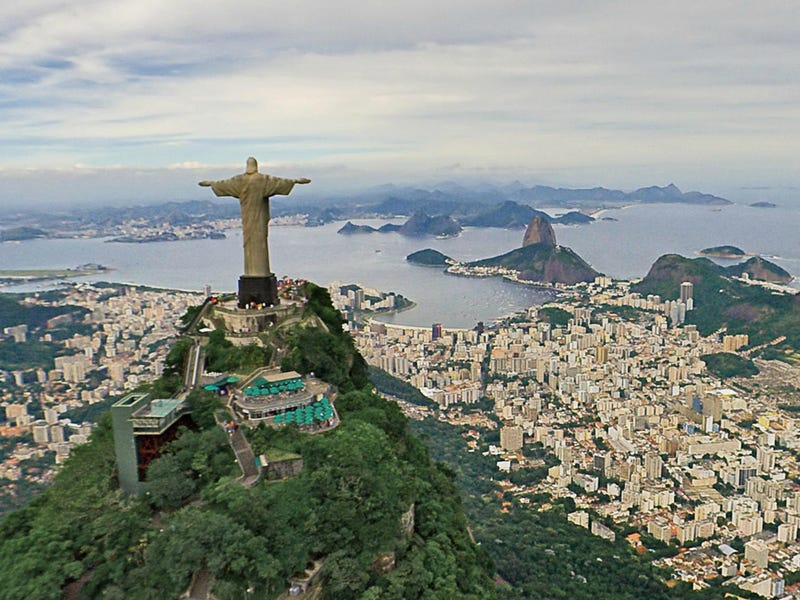
The question requires a country and city-specific answer rather than a continental one. The cities where solo female travellers consistently report feeling safe and comfortable: Medellín (El Poblado neighbourhood), Cusco, Buenos Aires (Palermo and Recoleta), Cartagena (walled city), Montevideo, and Santiago. Cities requiring more caution and specific night-time protocols: Lima city centre, Bogotá's poorer districts, Rio de Janeiro outside tourist areas after dark, and the centres of larger Brazilian cities after 10pm. Rural and remote areas require a different assessment entirely — research the specific region before travelling independently.
Crime statistics tell only part of the story. Petty theft — pickpocketing, bag snatching, phone grabbing — represents the overwhelming majority of incidents affecting solo female travellers. Violent crime targeting tourists is statistically rare but requires different precautions. The most dangerous situations typically involve being in the wrong neighbourhood after dark or displaying obvious wealth (expensive cameras, jewellery, latest phones) in areas with high inequality.
Country-specific considerations matter significantly. Chile and Uruguay rank among the safest in the region, with crime rates comparable to Southern Europe. Argentina's major cities are generally safe with standard urban precautions. Colombia has transformed dramatically in the past decade, particularly in tourist areas, though some rural regions remain off-limits. Peru's tourist circuit (Lima-Cusco-Arequipa) has excellent security infrastructure. Ecuador requires more caution, particularly in coastal areas outside tourist zones. Brazil's situation varies wildly by city and neighbourhood — São Paulo's business districts are safe during business hours, while certain favelas remain dangerous for any tourist regardless of gender.
Street Harassment: The Reality and Response
The piropo (verbal street compliment, often uninvited and unwanted) is culturally normalised across South America in ways that feel alien to travellers from Northern Europe, North America, or Australia. It ranges from genuinely harmless ('Qué linda' — 'How pretty') to aggressive and disturbing. The most effective responses, developed by women who travel the continent regularly: headphones (real or fake — the universal signal for unavailability), sunglasses, and purposeful walking eliminate most low-level harassment before it starts. Direct eye contact followed by a firm 'No me molestes' (Don't bother me) is more effective than ignoring aggressive harassment. Join the hostel walking group for night-time social outings until you know a city's layout. Trust your gut — if a situation feels wrong, leave it.
Understanding the cultural context helps frame appropriate responses. In many South American cultures, commenting on women's appearance in public spaces is considered normal social interaction by perpetrators, though this doesn't make it acceptable or comfortable for recipients. The intensity varies by country — it's more prevalent in Peru and Ecuador than in Chile or Uruguay, more common in smaller cities than capitals, and more frequent in areas with fewer international tourists.
Practical strategies beyond the basics include learning key Spanish phrases for different situations. 'Déjame en paz' (leave me alone) works for persistent followers. 'Voy a llamar la policía' (I'm calling the police) escalates appropriately for threatening behaviour. 'No hablo español' (I don't speak Spanish) can defuse situations where engagement seems unavoidable. Body language matters enormously — confident posture, purposeful movement, and avoiding prolonged eye contact reduce targeting.
The hostel community provides invaluable intelligence on current harassment patterns in specific cities. Other female travellers share which streets to avoid, which times of day pose problems, and which responses work best in local contexts. This information updates constantly as situations change, making real-time hostel conversations more valuable than guidebook generalisations.
South America Safety Tips for Women
Night transport: use Uber or Cabify exclusively after dark — never hail street taxis at night. This applies everywhere from Buenos Aires to La Paz. Share your location: use WhatsApp live location sharing with a trusted contact when exploring unfamiliar areas. Hostel community: the social infrastructure of South American hostels is one of the solo female traveller's greatest assets — free walking tours, hostel day trips, and common room connections produce instant travel companions for activities you'd rather not do alone. Dress context: while dressing however you want is entirely your right, being aware of local norms in specific contexts (smaller Andean towns vs beach resorts) can reduce unwanted attention. Fake wedding ring: widely used by female solo travellers and genuinely effective at reducing persistent male attention.
Money management requires specific attention in South America. Carry small denominations in multiple locations — front pocket, money belt, and small emergency stash in your shoe or bra. ATM usage demands particular caution: use machines inside banks or major shopping centres, never on empty streets. Cover your PIN entry completely, and be aware of your surroundings when withdrawing cash. Many solo female travellers withdraw larger amounts less frequently to minimise ATM exposure, though this requires secure hostel storage.
Communication strategies prove crucial for solo safety. Download offline maps before exploring new areas — being obviously lost with a phone out makes you a target. Learn basic emergency Spanish: 'Ayuda' (help), 'Policía' (police), 'Hospital' (hospital). Register with your embassy or consulate in countries with higher risk profiles. Maintain regular check-ins with someone at home — daily WhatsApp messages work well without being overly paranoid.
Trust-building with locals requires balance and judgement. Hostel staff, tour guides, and other travellers provide the safest initial connections. Be cautious about accepting drinks from strangers or going to private locations with people you've just met. That said, some of the most memorable travel experiences come from spontaneous connections with locals — the key is gradual trust-building in public spaces first.
Getting Around Safely
Transportation choices significantly impact solo female travel safety across South America. Long-distance bus travel, the continent's transport backbone, requires specific strategies. Book with reputable companies like Cruz del Sur in Peru, Turbus in Chile, or Andesmar in Argentina. Choose seat assignments carefully — aisle seats provide easier exit access but also more interaction with passing passengers. Window seats offer more privacy but potential trap situations.
Overnight buses need particular consideration. The cama (bed) services on major routes are generally safe and comfortable, but research specific companies and routes beforehand. Female-only carriages exist on some routes in Peru and Ecuador. Always keep valuables in a small bag beside you, never in overhead compartments. Use a small padlock on your main luggage.
Domestic flights, while more expensive, eliminate many ground transport risks for longer distances. Budget airlines like Sky Peru, JetSmart Chile, and Gol Brazil serve most major tourist routes. Book early for better prices and consider flights for segments through areas with security concerns.
Urban transport varies dramatically by city. Medellín's metro system is clean, safe, and efficient — one of Latin America's best public transport networks. Buenos Aires's subte (subway) is generally safe during daylight hours but avoid rush hour crowds where pickpocketing peaks. Bogotá's TransMilenio bus rapid transit works well for tourists with basic Spanish skills. In contrast, avoid local buses in Lima, Quito, or La Paz unless you're with someone familiar with the system.
Motorcycle taxis (mototaxis) are common and cheap but risky — use only for very short distances in daylight, always wear a helmet, and never carry valuable items. Collectivos (shared taxis) can be economical for short routes but require local knowledge to use safely.
Accommodation Strategies
Hostel selection dramatically impacts solo female travel experience in South America. Female-only dormitories are standard in major backpacker destinations and strongly recommended, particularly in larger cities. Look for hostels with 24-hour reception, secure luggage storage, and common areas that facilitate meeting other travellers.
Location matters more than luxury. A basic hostel in Cusco's San Blas neighbourhood beats a fancy hotel in Lima's city centre for solo female travellers. Proximity to restaurants, ATMs, and safe evening entertainment reduces night-time transport needs. Read recent reviews specifically from solo female travellers — they identify safety issues other reviews miss.
Hostel communities provide informal safety networks. Participate in hostel-organised activities — walking tours, day trips, cooking classes — to meet potential travel companions for activities you'd prefer not to do alone. Many solo female travellers find temporary travel partners through hostel connections for specific destinations or activities.
Private accommodation requires more careful evaluation. Airbnb works well in major cities with good reviews and verified hosts, but can isolate you from the backpacker community that provides much practical safety information. Guesthouses and small hotels occupy a middle ground — more privacy than hostels but often less social connection.
Essential Packing for Solo Female Travel
Packing for solo female travel in South America requires balancing safety, practicality, and varied climates. Essential safety items include a door lock for hostel rooms (portable door alarms work well), a small padlock for luggage, and a money belt or hidden pocket for documents and emergency cash.
Technology serves multiple safety functions. A portable phone charger ensures communication capability at all times. Offline map downloads for every destination prevent dangerous navigation situations. A basic Spanish translation app helps in emergency situations. Consider a personal alarm — legal everywhere and effective for attracting attention.
Clothing choices balance personal expression with practical safety considerations. Pack layers for dramatic altitude changes — you might experience tropical heat and alpine cold in the same day. Long pants and shirts with sleeves help in conservative rural areas and protect against mosquitoes in tropical regions. Comfortable, secure footwear is essential — cobblestone streets, uneven sidewalks, and mountain treks demand proper shoes.
Health supplies need special attention in countries with limited pharmacy access to familiar brands. Bring sufficient contraception if needed — access varies dramatically by country. Pack a basic first aid kit including altitude sickness medication for Andean destinations. Water purification tablets or a portable filter prove useful in remote areas.
Safe Cities for Solo Female Travel
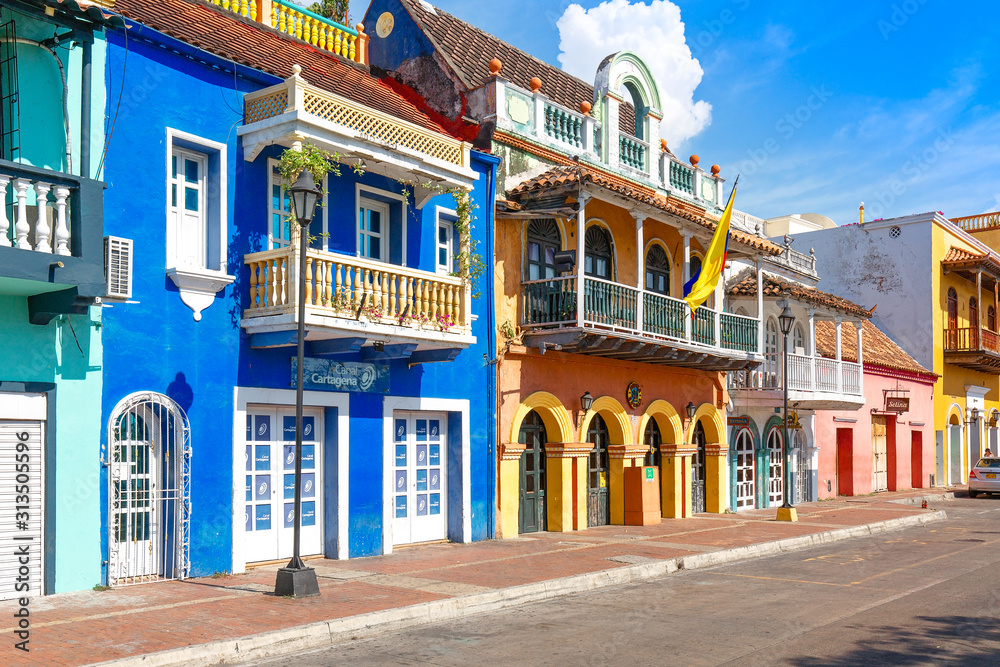
Cusco: The most solo-female-friendly city in Peru — high tourist density, excellent hostel community, and short distances between everything. The altitude is the main challenge, not safety. Medellín (El Poblado): Consistently rated by solo female travellers as one of the safest and most enjoyable cities in South America. Good Uber infrastructure, excellent nightlife in safe areas, strong digital nomad female community. Cartagena (walled city and Getsemaní): High tourist density, police presence, and well-lit streets make the old city excellent for solo female travel. Avoid Bocagrande beach area alone at night. Buenos Aires (Palermo/Recoleta): Large European-influenced city with excellent infrastructure and a strong culture of women socialising independently. Normal big-city precautions apply.
Santiago: Chile's capital offers European-level safety with excellent public transport and a thriving café culture perfect for solo female travellers. The Providencia and Las Condes neighbourhoods are particularly safe and well-connected. Winter months (June-August) bring heavy smog, but safety remains consistently high year-round.
Montevideo: Uruguay's relaxed capital provides a gentle introduction to South America for nervous first-time solo female travellers. The Ciudad Vieja (old city) is walkable and safe during daylight, while the Pocitos neighbourhood offers beach access and excellent restaurants. Crime rates are among the continent's lowest.
Arequipa: Peru's second-largest city combines colonial architecture with modern safety infrastructure. The historic centre is compact and patrolled, while the Santa Catalina Monastery provides a fascinating solo exploration opportunity. Good base for exploring Colca Canyon with organised tour groups.
Valparaíso: Chile's bohemian port city rewards careful exploration. Stick to the main cerros (hills) during daylight — Cerro Alegre and Cerro Concepción are safe and filled with street art and cafés. Take guided tours for initial orientation, then explore independently during busy afternoon hours.
Building Confidence and Cultural Awareness
Solo female travel confidence in South America builds gradually through positive experiences and cultural understanding. Start with easier destinations — Chile or Argentina — before tackling more challenging countries. Begin with major tourist routes where infrastructure and fellow traveller support are strongest.
Language skills dramatically improve both safety and experience quality. Even basic Spanish — greetings, directions, emergency phrases — changes interactions with locals and reduces vulnerability. Consider taking Spanish classes in major destinations like Cusco, Buenos Aires, or Medellín where many schools cater to travellers.
Cultural sensitivity enhances both safety and respect. Understand local customs around dress, behaviour, and social interaction. Indigenous communities in the Andes, for example, may have different protocols around photography and interaction than urban tourist areas. Research specific cultural norms for each region you'll visit.
Female traveller networks provide ongoing support and current safety information. Online communities like Girls Love Travel and local Facebook groups offer destination-specific advice and potential travel companions. Many cities have informal female traveller meetups organised through hostels or social media.
Emergency preparation provides peace of mind and practical security. Know your embassy contact information for each country. Understand local emergency numbers — they vary by country. Keep digital and physical copies of important documents in multiple locations. Have a basic emergency plan for different scenarios.
Solo female travel in South America challenges you to grow while providing some of the world's most rewarding travel experiences. The combination of ancient cultures, stunning landscapes, vibrant cities, and warm hospitality creates memories that last a lifetime. With proper preparation, cultural awareness, and practical safety strategies, the continent opens up safely and spectacularly for independent female travellers.