The Honest Assessment
South America is a rewarding destination for travellers over 60 — but it requires more careful planning than travel to Western Europe or Southeast Asia. The main considerations are altitude (Cusco at 3,400m, La Paz at 3,640m, and the Inca Trail require specific health assessment for older travellers), infrastructure variability (basic in Bolivia, excellent in Argentina and Chile), and pacing (the destinations worth seeing require time and cannot be rushed). None of these are barriers — they are planning factors. Tens of thousands of travellers over 60 visit South America every year and have extraordinary experiences. The key is choosing the right destinations and building in the right pacing.
Best Destinations: Low Altitude and High Comfort
Buenos Aires: The most accessible South American capital for older travellers — sea level altitude, excellent medical facilities, good infrastructure, world-class food and culture, and a city that is genuinely interesting rather than merely logistically convenient. A week in Buenos Aires (tango, parrillas, the Recoleta, San Telmo) requires no special preparation and offers extraordinary content. The city's extensive metro system and abundant taxis make navigation straightforward, while world-class hospitals like Hospital Británico and Hospital Alemán provide reassurance for travellers with ongoing health considerations. The neighbourhoods are walkable with frequent cafés for rest stops, and most museums and attractions offer senior discounts.
Uruguay: Neighbouring Uruguay (ferry from Buenos Aires) adds Colonia del Sacramento (a perfect small colonial city) and Montevideo (the most relaxed capital in South America) to the Buenos Aires combination. All at sea level, all safe, all extremely well set up for independent travel. The Buquebus ferry service operates comfortable vessels with onboard dining and panoramic lounges — the journey itself becomes part of the experience. In Colonia del Sacramento, the UNESCO World Heritage historic quarter covers just a few blocks and can be explored entirely on foot in a morning, with the afternoon reserved for riverside walks and wine tasting.
Cartagena: A 3-night stay in the walled city — walking the cobblestone streets, visiting the castillo, taking a day trip to the Rosario Islands — is entirely manageable for fit older travellers and represents some of the most beautiful urban scenery in South America. The historic centre is compact (easily walkable in sections), and horse-drawn carriages provide alternative transportation for those who prefer not to walk extensively. Modern hotels within the walled city offer luxury amenities, while the Caribbean climate remains pleasant year-round without extreme seasonal variations.
Santiago, Chile: Often overlooked, Santiago combines excellent urban infrastructure with easy access to wine regions and coastal areas. The metro system is modern and efficient, most international hotels are located in the safe Providencia and Las Condes neighbourhoods, and day trips to the Casablanca Valley for wine tasting require minimal physical exertion. The city sits at 500m elevation — high enough to avoid sea-level humidity but low enough to cause no altitude concerns.
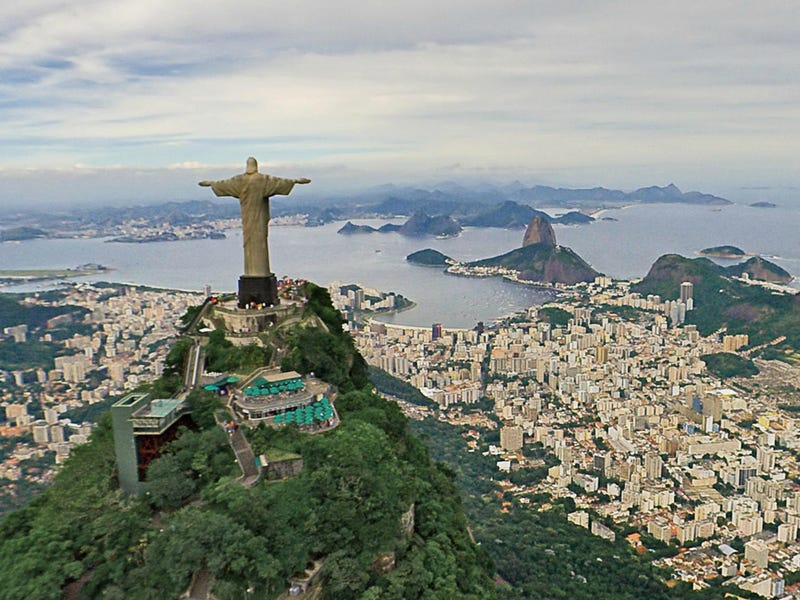
Rio de Janeiro (with caveats): For older travellers comfortable with urban environments, Rio offers extraordinary cultural content and can be managed safely with proper planning. Stay in Ipanema or Copacabana (beachfront hotels with good security), use hotel-arranged transfers, and book guided tours for major attractions. The sugarloaf cable car and Christ the Redeemer visits require minimal walking, while organised tours handle all logistics and provide local knowledge about areas to avoid.
Altitude: The Key Medical Consideration
Cusco (3,400m) and La Paz (3,640m) require medical consultation before travel for older travellers with cardiovascular conditions, chronic respiratory conditions, or significant anaemia. The NHS and CDC both recommend consulting your GP before travelling to altitudes above 2,500m if you have these conditions. For healthy older travellers without these conditions, acclimatisation in Cusco is the same process as for younger travellers: 2 full days of rest, coca tea, hydration, and no strenuous activity. Machu Picchu (2,430m) is significantly lower than Cusco and tolerated well by most visitors once acclimatised.
The acclimatisation process requires specific planning for older travellers. Book accommodation in Cusco for at least three nights before any high-altitude activities. The first 48 hours should include only gentle walking around the main plaza and visits to ground-floor museums. Avoid alcohol completely during acclimatisation, increase water intake significantly (but be aware this may require more frequent bathroom access), and consider bringing a pulse oximeter to monitor oxygen saturation levels. Many hotels in Cusco now offer oxygen tanks for guest use — this is normal and should not cause alarm.
For travellers with managed health conditions, altitude sickness medication (acetazolamide) may be prescribed by your GP before travel. This should be started 1-2 days before reaching altitude and continued for 2-3 days after arrival. The side effects (increased urination, tingling in fingers) are manageable but should be expected. Some travellers prefer to fly directly to Lima and take the train to Cusco rather than flying directly to altitude — this allows gradual acclimatisation as the train climbs.
Accessible Travel South America: Guided Tours
A guided tour is the most practical approach for first-time South America visits over 60 — it removes the logistical burden of booking, transfers, and navigation while providing local knowledge and assistance if anything goes wrong. G Adventures, Intrepid, and Exodus Travels all offer South America itineraries specifically designed for older travellers (slower pace, better accommodation, private transport for longer journeys). The premium is modest and the reduction in stress significant. For independent travellers who prefer self-guided travel, the Uruguay and Buenos Aires combination requires no guided element at all.
When evaluating tour companies, look specifically for "mature traveller" or "55+" designated tours. These typically include: smaller group sizes (12-16 people maximum), longer stays in each destination (2-3 nights minimum), higher quality accommodation (3-4 star minimum), private coach transport for longer journeys, and tour leaders with medical first aid training. The pace allows time for rest between activities, and itineraries avoid excessive early morning departures.
Tauck, Globus, and Trafalgar offer premium guided experiences with additional services valuable to older travellers: door-to-door luggage service, medical assistance coordination, dietary accommodation, and 24-hour emergency support. The cost differential over mid-range tours is typically 30-50%, but includes services that independent travellers would need to arrange separately.
For semi-independent travel, consider hiring private guides for specific destinations rather than joining group tours. In Buenos Aires, a private guide for 2-3 days costs approximately $200-300 per day and can customise pace and interests. This provides expert knowledge without the constraints of group travel schedules.
South America Senior Travel: The Galápagos Option
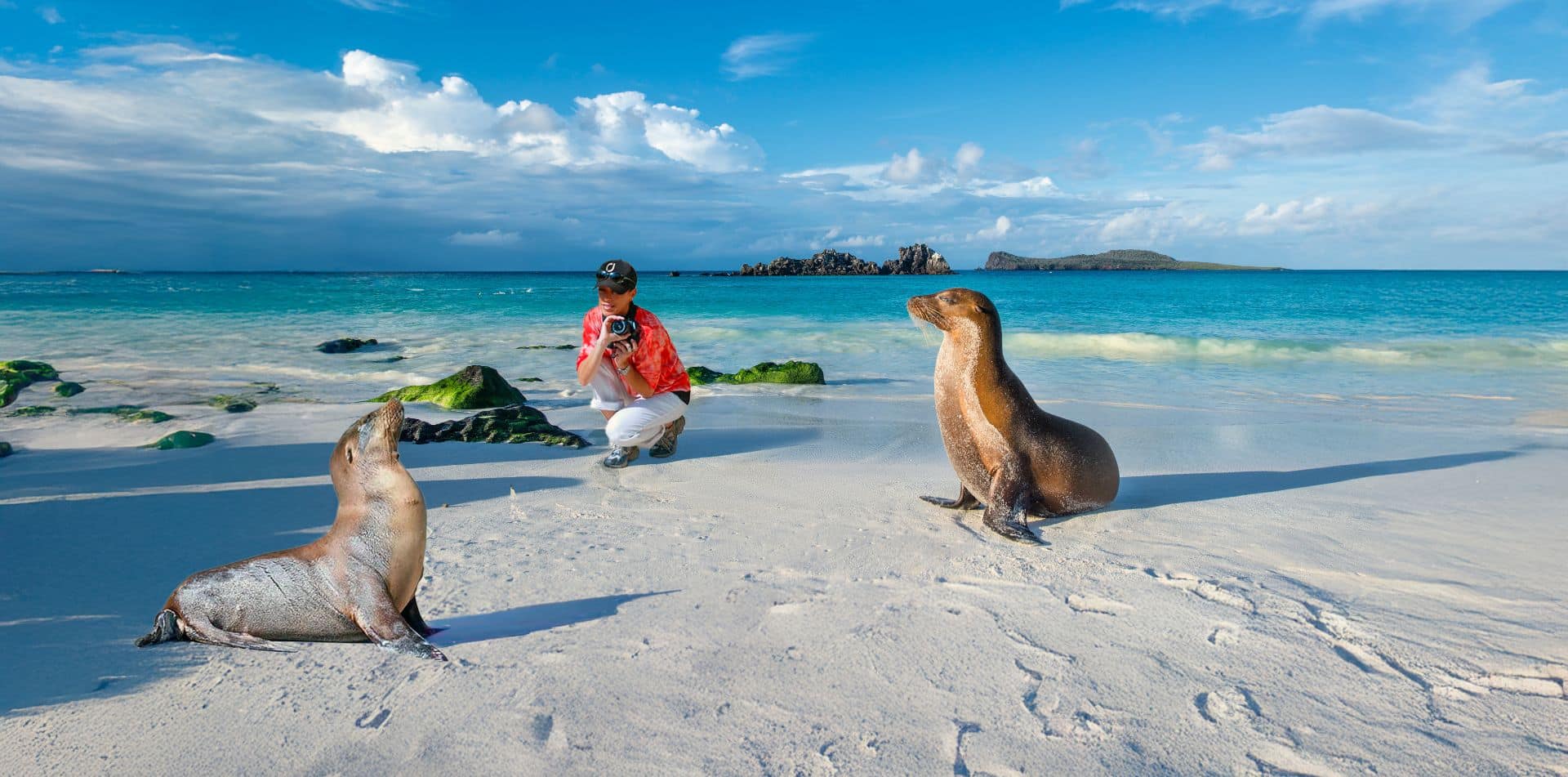
A Galápagos cruise is one of the most appropriate luxury experiences in South America for older travellers — minimal physical demand (short walks to landing sites, snorkelling optional), extraordinary wildlife content, all-inclusive logistics handled by the vessel, and the option of premium vessels with comfortable cabins and excellent medical facilities on board. The Celebrity Flora and Silversea Silver Origin are specifically designed for guests who want genuine luxury; the medical staff and evacuation capabilities on board are appropriate for older travellers with managed health conditions. A 7–8 night Galápagos cruise is one of the finest South America experiences available at any age.
The Galápagos experience is inherently suitable for older travellers because the primary activity — wildlife observation — requires patience rather than physical exertion. Daily excursions typically involve 30-60 minutes of walking on relatively flat terrain, with frequent stops for photography and observation. Zodiac boat transfers to landing sites are assisted by crew members, and all snorkelling equipment is provided (though participation is entirely optional).
Premium vessels offer specific amenities valuable to older travellers: spacious cabins with storage for medical supplies, 24-hour room service, onboard medical facilities with trained nursing staff, and daily housekeeping service. The Celebrity Flora includes a wellness centre with physical therapy equipment, while the Silversea Silver Origin provides butler service and all-suite accommodation.
Budget considerations for Galápagos cruises: luxury vessels start at approximately $4,000 per person for 7 nights, mid-range options begin around $2,500, and budget vessels cost $1,500-2,000. The premium for luxury vessels includes better food, more spacious accommodation, and superior medical facilities — worthwhile investments for older travellers prioritising comfort and safety.
Health and Safety Considerations
Travel insurance becomes critical for South America travel over 60 — not because the continent is dangerous, but because medical evacuation costs can reach $100,000 if serious illness occurs in remote areas. Purchase comprehensive coverage that includes adventure activities (even gentle hiking), pre-existing condition coverage, and medical evacuation to your home country. World Nomads, InsureMyTrip, and IMG Global all offer senior-specific policies with higher medical coverage limits.
Prescription medication management requires specific planning. Bring 150% of required medications in original containers, divided between carry-on and checked luggage. Research generic drug names for common medications — pharmacies in major South American cities stock international brands, but names may differ. Consider bringing a letter from your physician explaining medical conditions and medication requirements, translated into Spanish.
Vaccination requirements vary by destination and season. Yellow fever vaccination is required for certain areas of Peru, Bolivia, and Brazil, but older travellers should consult their physician about suitability — the live vaccine can cause complications in adults over 60. Hepatitis A/B vaccines are recommended for all South America travel, while typhoid vaccination is suggested for areas with basic sanitation.
Water and food safety requires more attention as immunity typically decreases with age. Stick to bottled water (including for teeth brushing), avoid raw vegetables and fruits you cannot peel yourself, and choose restaurants with high turnover rather than street vendors. Probiotics started 1-2 weeks before travel may help prevent digestive issues.
Getting Around: Transportation Options
Domestic flights are the most practical option for covering large distances in South America, particularly for older travellers. LATAM, Avianca, and GOL operate extensive networks with good safety records and modern aircraft. Book flights with at least 90 minutes between connections — South American airports can involve long walks between gates, and immigration/customs procedures may take longer than expected.
Long-distance buses in Argentina and Chile offer excellent "cama" (bed) services with fully reclining seats, meal service, and onboard bathrooms. The Buenos Aires to Bariloche route (18 hours) and Santiago to Mendoza journey (7 hours) are comfortable overnight options that save hotel costs while providing scenic transportation. However, bathroom facilities may not be accessible throughout the journey, and stops are infrequent.
Train travel is limited but exceptional where available. The train from Lima to Cusco (PeruRail Vistadome service) offers panoramic windows, oxygen supply, and medical assistance on board — ideal for gradual altitude acclimatisation. In Argentina, the Train to the Clouds (Salta to San Antonio de los Cobres) provides spectacular Andean scenery with comfortable seating and regular stops.
Private transfers become cost-effective for groups of 2-4 people and eliminate the stress of navigating unfamiliar public transportation. Many South American airports offer official taxi services with fixed prices — these cost 20-30% more than regular taxis but provide guaranteed safety and no language barriers.
Accommodation Considerations
Hotel selection becomes more critical for older travellers — location, medical facilities access, and room amenities matter more than for younger visitors. International hotel chains (Hilton, Marriott, InterContinental) provide consistent standards and English-speaking staff, while boutique hotels often offer more character but variable service quality.
Request ground floor or low-floor rooms to minimise elevator dependency, and confirm that rooms include: adequate lighting for reading, comfortable seating beyond the bed, reliable air conditioning or heating, and spacious bathrooms with grab bars. Many South American hotels now offer "senior-friendly" rooms with additional safety features, but these must be requested at booking.
Location trumps luxury for older travellers. A 3-star hotel in Buenos Aires' Recoleta neighbourhood provides better access to attractions, restaurants, and medical facilities than a 5-star hotel in the business district. Similarly, staying within Cartagena's walled city eliminates transportation needs, even if rooms are smaller than resort properties outside the historic centre.
All-inclusive resort options exist primarily in Brazil (Costa do Sauípe, Buzios) and Colombia (Caribbean coast), but these typically cater to families and younger travellers. For older visitors seeking all-inclusive convenience, consider Galápagos cruises, Amazon lodge stays, or estancia visits in Argentina where all meals, activities, and transportation are included.
Cultural Considerations and Local Customs
South American culture generally shows respect for older adults — "señora" and "señor" are terms of respect, and older travellers often receive priority seating on public transport and assistance with heavy luggage. However, the concept of queuing varies by country, and older travellers may need to be more assertive in crowded situations.
Dining schedules differ significantly from North American and European norms. Lunch typically occurs 1-3 PM, while dinner begins 8-10 PM or later. Many restaurants open only at 8 PM for dinner, which can be challenging for older travellers accustomed to earlier meal times. Hotel restaurants and international chains typically serve food throughout the day, while room service provides flexibility for medication timing requirements.
Tipping customs vary by country but generally expect 10% in restaurants, $1-2 per day for housekeeping, and small amounts for helpful service. Older travellers often receive more attentive service, particularly in Argentina and Chile where European cultural influences emphasise courtesy to elders.
Language barriers are less problematic in tourist areas, but learning basic Spanish phrases enhances the experience significantly. "¿Habla inglés?" (Do you speak English?), "¿Dónde está el baño?" (Where is the bathroom?), and "Necesito un médico" (I need a doctor) are essential phrases. Translation apps work well in cities with reliable internet but may be less effective in remote areas.
Best Time to Visit
South America's seasonal variations require careful timing, particularly for older travellers who may be more sensitive to extreme weather conditions. The ideal travel window varies dramatically by destination due to the continent's vast north-south span and diverse climates.
Argentina and Chile: March-May (autumn) and September-November (spring) offer the best weather combinations — mild temperatures, minimal rainfall, and shoulder-season pricing. Buenos Aires becomes uncomfortably humid in January-February, while July-August can be genuinely cold with frequent rain. The Lake District (Bariloche) is best visited December-March when mountain roads are clear and weather is stable.
Peru and Ecuador: May-September provides dry season conditions ideal for older travellers — minimal rainfall, clear mountain views, and moderate temperatures. The wet season (December-March) makes Cusco and Machu Picchu less comfortable, with frequent afternoon showers and higher humidity levels.
Brazil: Avoid January-March (extreme heat and humidity) and June-August (winter in the south, though temperatures rarely drop below 10°C). April-May and September-November offer the best temperature and rainfall combinations for most destinations.
Colombia and Venezuela: December-March provides the driest weather, but temperatures remain stable year-round due to equatorial location. Cartagena can be uncomfortably hot and humid July-September.
Galápagos Islands: Excellent year-round, but December-May offers warmer water temperatures for swimming and snorkelling, while June-November provides cooler temperatures and better wildlife viewing conditions.
What to Pack: Essential Items for Older Travellers
Packing for South America requires balancing climate variations, activity requirements, and medical needs. A well-planned packing list prevents overpacking while ensuring essential items are available when needed.
Medical supplies: Prescription medications (150% of requirements), basic first aid kit, thermometer, blood pressure monitor if required, sunscreen (SPF 30+ minimum), insect repellent containing DEET, oral rehydration salts, and any mobility aids normally used. Consider a small cooler pack for insulin or other temperature-sensitive medications.
Clothing essentials: Layers are critical due to altitude and climate variations. Pack lightweight, breathable fabrics, a warm jacket for altitude destinations, comfortable walking shoes with good support, sandals for beach destinations, and a wide-brimmed hat for sun protection. Avoid cotton clothing for high-altitude destinations — synthetic or merino wool materials provide better temperature regulation.
Technology and documentation: Unlocked smartphone with international roaming capability, portable charger, universal power adapter, copies of passport and medical insurance (stored separately from originals), and emergency contact information in Spanish. Consider a GPS device or downloaded offline maps for areas with limited internet connectivity.
Comfort items: Eye mask and earplugs for flights and accommodation with variable noise levels, travel pillow, compression socks for long flights, and any specific dietary supplements normally used. A small day pack for excursions allows hands-free carrying while keeping essential items accessible.
Pack in a suitcase with four wheels rather than two — this allows rolling beside you rather than pulling, reducing physical strain. Soft-sided luggage with compression zippers maximises packing space while remaining within airline weight limits. Consider packing cubes to organise items and make unpacking easier in each destination.